Dahlia Necklace Buying Guide: Materials, Sizing & Style Tips
Discover how to choose the perfect dahlia necklace. Our expert buying guide covers metal grades, enamel techniques, chain lengths, and floral styling tips.

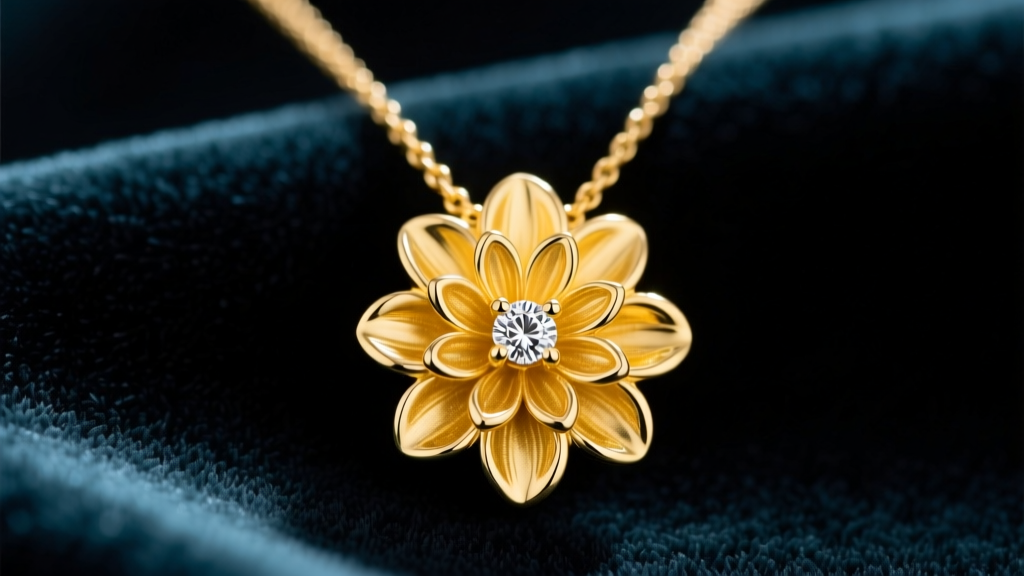
The Allure of the Dahlia Motif in Fine Jewelry
The dahlia flower, with its intricate, symmetrical layers of petals, has long been a symbol of elegance, inner strength, and botanical artistry. In the realm of fine jewelry, the dahlia necklace transcends seasonal floral trends, offering a timeless motif that captures the complexity of nature in precious metals and gemstones. Unlike simpler floral silhouettes like the daisy or lotus, the dahlia requires advanced metalworking techniques to replicate its dense, multi-tiered petal structure. Whether you are eyeing a high-end designer piece from a luxury maison or a handcrafted artisan pendant, selecting the right dahlia necklace requires a keen eye for craftsmanship, material integrity, and structural durability. This comprehensive buying guide will walk you through the exact specifications, material grades, and design nuances you need to evaluate before making your purchase.
Decoding Materials: Precious Metals and Plating Standards
When investing in a floral pendant, the base metal dictates both the longevity and the price point of the piece. The intricate crevices of a dahlia design can trap moisture and skin oils, making metal purity and proper alloying critical to prevent premature tarnishing or skin irritation.
Solid Gold vs. Vermeil
For heirloom-quality dahlia necklaces, 14k and 18k solid gold are the industry standards. 14k gold (58.5% pure gold) offers superior durability, making it ideal for the delicate, protruding petal tips of a dahlia pendant that are prone to impact. 18k gold (75% pure gold) provides a richer, warmer yellow hue but is slightly softer, requiring thicker metal casting to prevent the petals from bending.
If you are looking at more accessible price points, gold vermeil is a superior alternative to standard gold plating. According to the Federal Trade Commission (FTC) Jewelry Guides, true vermeil must consist of a sterling silver base coated with a minimum of 2.5 microns of 10k gold or higher. When shopping for a vermeil dahlia necklace, always verify the micron thickness; anything below 2.5 microns is considered standard flash plating and will quickly wear away in the deep grooves of the floral engraving.
Enamel Techniques and Gemstone Accents
Many artisan and designer dahlia necklaces incorporate color to bring the botanical motif to life. The method used to apply this color drastically affects the piece's value and maintenance requirements.
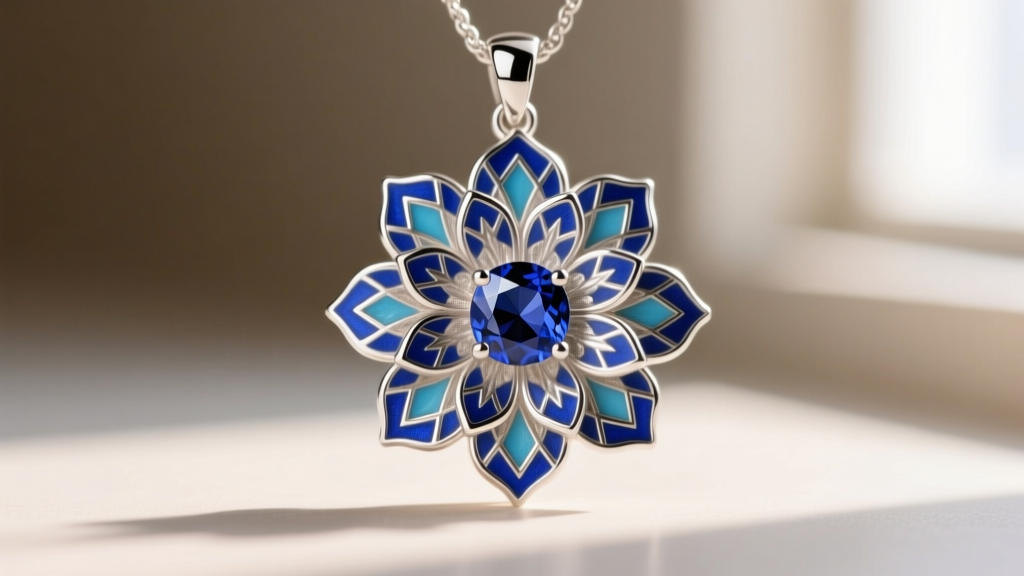
Vitreous Enamel vs. Cold Enamel
High-end dahlia pendants often utilize vitreous (glass) enamel, fired at temperatures exceeding 1,400°F. Techniques like guilloché—where enamel is applied over a machine-engraved geometric pattern—create a mesmerizing, translucent depth on the petals that mimics the natural translucency of flower petals. Cold enamel (epoxy resin), commonly found in fashion jewelry, offers vibrant colors but is highly susceptible to UV yellowing and scratching over time. Always ask the jeweler if the piece uses kiln-fired vitreous enamel before paying a premium price.
Gemstone Selection for Floral Centers
The center of the dahlia (the disc floret) is frequently highlighted with a gemstone. According to the Gemological Institute of America (GIA), the cut of the stone should complement the organic nature of the design. Rose-cut diamonds or sapphires are highly sought after for dahlia necklaces, as their flat bases and domed, faceted tops echo the natural geometry of a flower's center. Avoid brilliant round cuts if you prefer a vintage, organic aesthetic, as their sharp light return can clash with the soft, matte finishes often applied to gold petals.
Chain Selection and Proportional Harmony
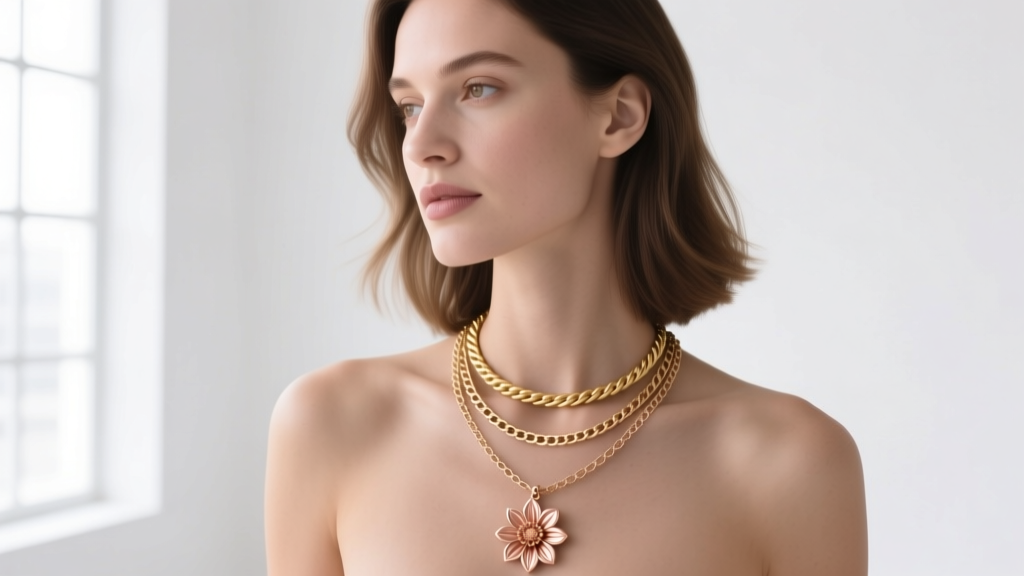
A common mistake when buying floral pendants is pairing them with the wrong chain. Dahlia pendants are inherently top-heavy due to their wide, circular silhouettes. If the chain is too delicate, the pendant will constantly flip over, hiding the design against your skin. Below is a structural guide to matching chain styles and lengths with dahlia proportions.
| Chain Length | Style Name | Ideal Dahlia Pendant Size | Recommended Chain Type | Best Neckline Pairing |
|---|---|---|---|---|
| 16 Inches | Choker | Small (10mm - 15mm) | 1.2mm Cable or Box Chain | V-Neck, Off-Shoulder |
| 18 Inches | Princess | Medium (16mm - 25mm) | 1.5mm Rope or Wheat Chain | Scoop Neck, Button-Down |
| 20 - 22 Inches | Matinee | Large (26mm - 40mm) | 2.0mm Curb or Figaro Chain | Crew Neck, Turtleneck |
| 24+ Inches | Opera | Statement (40mm+) | 2.5mm+ Snake or Rope Chain | Deep Plunge, Evening Wear |
Pro-Tip: Avoid snake chains for heavy, large-scale dahlia pendants. Snake chains are notoriously prone to kinking if bent under the weighted leverage of a wide floral pendant. A wheat or rope chain offers the necessary tensile strength and flexibility to support a 20mm+ solid gold dahlia without warping.
Identifying Failure Modes and Wear Risks
True expertise in jewelry buying involves anticipating how a piece will age. Dahlia necklaces present unique structural vulnerabilities that you should inspect before purchasing:
- Pavé Petal Snagging: If the dahlia petals are encrusted with pavé diamonds, check the prongs under a 10x jeweler's loupe. The overlapping nature of dahlia petals means the prongs on the lower tiers are highly susceptible to snagging on knitwear. Ensure the jeweler has used low-profile, burnished settings rather than traditional claw prongs.
- Enamel Chipping: Vitreous enamel is essentially glass. If a dahlia pendant with enameled petals is dropped onto a hard surface like porcelain or marble, the outer edges of the petals will chip. Look for designs where the metal rim slightly overlaps the enamel (champlevé technique) to protect the edges from direct impact.
- Bail Stress: The bail (the loop connecting the pendant to the chain) on a wide dahlia must be soldered securely at both the front and back. A simple slip-through bail will cause the heavy pendant to slide side-to-side, leading to premature wear on the chain links.
Price Brackets: Artisan vs. Fine Jewelry
Understanding the market landscape will help you identify fair pricing for a dahlia necklace in the current market.
- Fashion & Artisan ($40 - $250): Typically crafted from brass, sterling silver, or gold-plated base metals. Enamel is usually cold-applied resin. Gemstones are often simulated or semi-precious (like cubic zirconia or dyed quartz). Excellent for trend-driven styling, but expect a lifespan of 2-5 years with regular wear.
- Demi-Fine ($300 - $800): Features heavy gold vermeil (2.5+ microns) over sterling silver, or solid 10k/14k gold with minimal weight. May include genuine semi-precious stones like moonstone or mother-of-pearl in the center floret. A great entry point for durable, everyday botanical jewelry.
- Fine & High Jewelry ($1,500 - $15,000+): Cast in solid 18k gold or platinum, featuring kiln-fired guilloché enamel and natural, ethically sourced diamonds or sapphires. These pieces are often produced by luxury houses or master bench jewelers and are designed to be passed down as heirlooms.
Care and Maintenance for Floral Motifs
The intricate topography of a dahlia necklace makes it a magnet for lotions, perfumes, and environmental dust. To maintain the brilliance of your piece, avoid ultrasonic cleaners, especially if the pendant features enamel, opals, or emeralds, as the high-frequency vibrations can shatter the glass enamel or fracture porous stones. Instead, use a soft-bristled baby toothbrush dipped in a mild solution of warm water and phosphate-free dish soap. Gently brush between the metal petals, rinse thoroughly, and dry with a microfiber cloth. Store your dahlia necklace flat in a tarnish-resistant pouch to prevent the delicate petal edges from being scratched by heavier chains or gemstone rings in your jewelry box.


