How To Style And Care For The Originals Freya Necklace
Learn how to style, layer, and maintain The Originals Freya necklace. Our step-by-step guide covers chain pairings, neckline matching, and silver care.

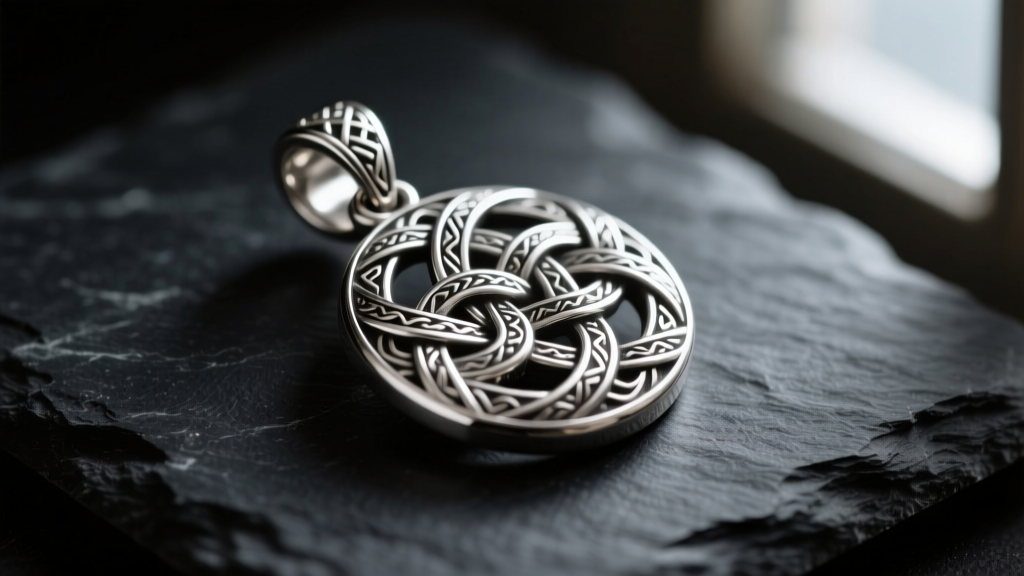
When it comes to statement mythological jewelry, few pieces command attention quite like The Originals Freya Necklace. Inspired by the Norse goddess of love, beauty, and war, this piece typically features intricate knotwork, Valknut motifs, or representations of the legendary Brísingamen. However, owning such a substantial piece of jewelry is only half the battle; knowing how to properly style, layer, and maintain it is where true sartorial expertise lies. In this comprehensive 2026 guide, we break down the exact metallurgy, styling frameworks, and electrochemical cleaning methods required to get the most out of your investment.
The Metallurgy and Anatomy of the Piece
Before you can properly style The Originals Freya Necklace, you must understand its physical properties. Authentic versions of this pendant are cast in 925 sterling silver. According to the Gemological Institute of America (GIA), sterling silver is an alloy consisting of 92.5% pure silver and 7.5% copper. This copper addition is crucial; pure silver is too soft to hold the deep, oxidized crevices of Norse knotwork, whereas the copper alloy increases the Vickers hardness, allowing for sharp, durable detailing.
The pendant itself usually weighs between 22 and 30 grams, making it a heavy statement piece. The bail (the loop that connects the pendant to the chain) typically has an inner aperture of 5.5mm by 8mm. This specific dimension is critical because it dictates the maximum chain thickness you can use. Attempting to thread a 6mm Cuban link through a 5.5mm bail will damage the chain's clasp and warp the pendant's soldering joint over time.
Step 1: Selecting the Correct Chain Gauge and Length
The most common mistake wearers make with heavy Norse pendants is pairing them with inadequate chains. A standard 1.5mm cable chain will snap under the 28g dynamic load of the Freya pendant during daily movement.
- The Wheat Chain (3.0mm - 4.0mm): This is the optimal choice. The woven, braided structure of a wheat chain distributes weight evenly and offers superior tensile strength. It also visually complements the organic, woven aesthetic of Viking knotwork.
- The Rope Chain (2.5mm - 3.5mm): A twisted rope chain offers excellent durability and a high-shine finish that contrasts beautifully with the antiqued, oxidized background of the pendant.
- The Box Chain (3.0mm+): While incredibly strong due to its square, interlocking links, a box chain can sometimes look too modern or geometric for a mythological piece. If you choose a box chain, opt for a diamond-cut variation to soften the edges.
For length, a 22-inch drop is the gold standard for men's and unisex statement pendants, allowing the piece to rest precisely on the sternum. For a more subtle, feminine drape, a 20-inch chain positions the pendant just below the collarbone.
Step 2: Neckline Pairing and Proportion Rules
Styling The Originals Freya Necklace requires an understanding of geometric framing. The pendant is visually dense and carries significant historical weight, as noted in the Metropolitan Museum of Art's archives on Viking art and symbolism. Your clothing must provide the right canvas.
The Henley and Crew Neck
A 22-inch chain over a dark charcoal or navy crewneck sweater creates a high-contrast, rugged aesthetic. The circular neckline frames the pendant without competing with it. Avoid busy patterns or loud graphics; the intricate silverwork needs negative space to be appreciated.
The V-Neck and Open Collar
When wearing a V-neck or an unbuttoned linen shirt, drop the chain to 20 inches. The V-shape of the clothing naturally draws the eye downward, following the exact trajectory of the chain and terminating at the pendant. This is the most flattering silhouette for shorter torsos.
The Turtleneck Over-Layer
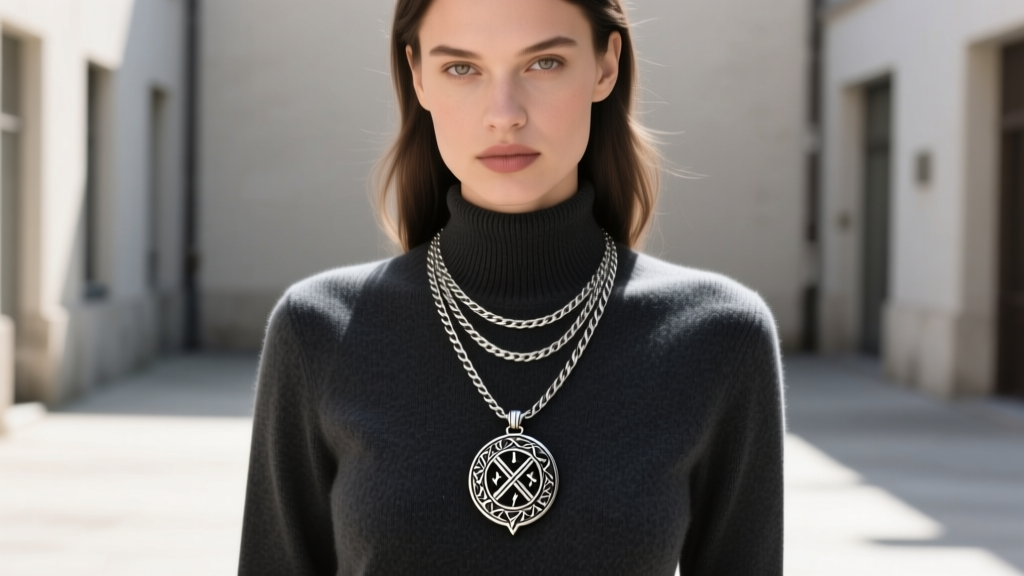
For winter streetwear, layering a 24-inch, 4.0mm wheat chain over a black turtleneck is a masterclass in modern minimalist styling. The stark black fabric absorbs light, making the polished edges of the sterling silver pop dramatically.
Step 3: Advanced Layering Techniques
Layering heavy mythological jewelry is a delicate balancing act. If you add too many competing elements, the Freya pendant loses its status as the focal point. The golden rule of layering is the Rule of Descending Weights: the chains should get thicker, and the pendants should get larger, as you move down the chest.
| Layer Position | Chain Type | Length | Gauge / Pendant | Visual Purpose |
|---|---|---|---|---|
| Base Layer | Thin Cable | 18 inches | 1.5mm / Small Rune | Subtle framing near the collarbone |
| Mid Layer | Box Chain | 20 inches | 2.5mm / Mjölnir | Bridge layer to add depth |
| Statement Layer | Wheat Chain | 22-24 inches | 3.5mm / Freya Pendant | The primary focal anchor |
Pro Tip: Never layer The Originals Freya Necklace with gold or rose gold chains. The mixed-metal aesthetic clashes with the historical, rugged nature of Norse jewelry. Stick to oxidized silver, polished silver, or darkened titanium accents.
Step 4: Oxidation, Patina, and Deep Cleaning
The Originals Freya Necklace relies heavily on 'antiquing'—a process where the recessed areas of the silver are intentionally oxidized using liver of sulfur to create deep black shadows, making the raised knotwork stand out in bright silver. Standard liquid silver dips (like Tarn-X) will strip this intentional patina in seconds, leaving you with a flat, blindingly white piece of jewelry that lacks all depth and character.
The Safe Electrochemical Cleaning Method
To remove accidental tarnish and skin oils without destroying the antiqued crevices, use this step-by-step electrochemical reduction method:
- Prep the Bowl: Line a glass bowl with aluminum foil, shiny side up.
- Add the Catalyst: Sprinkle two tablespoons of baking soda and one tablespoon of sea salt over the foil.
- Activate: Pour boiling water into the bowl. You will see bubbles and smell a faint sulfur odor—this is the chemical reaction pulling tarnish off the silver and transferring it to the aluminum.
- Submerge: Drop the necklace into the solution for exactly 60 to 90 seconds. Do not leave it longer, or the heat and alkalinity may soften the intentional oxidation.
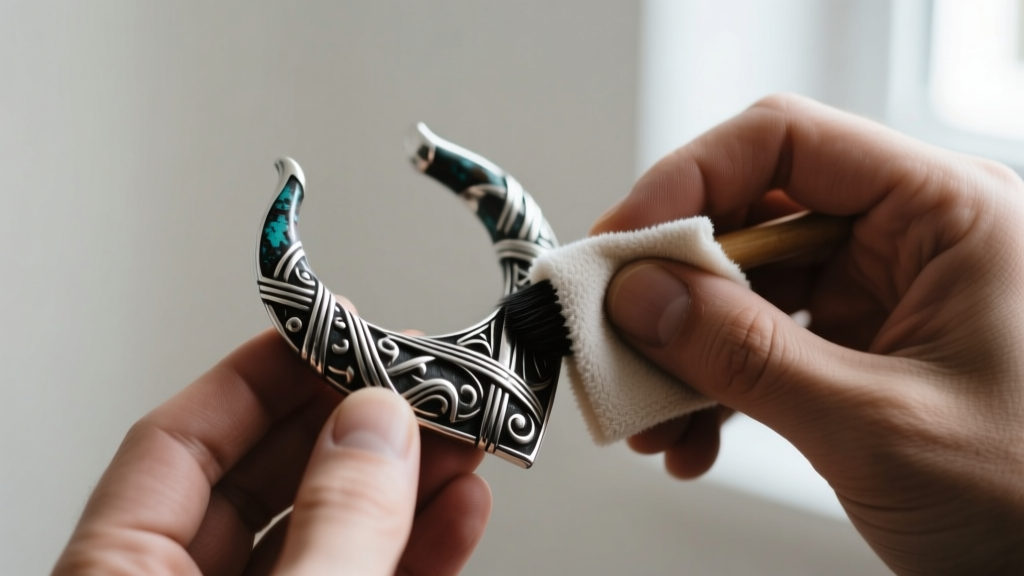
- Polish: Remove with wooden tongs, rinse in cool distilled water, and gently buff only the raised surfaces with a microfiber polishing cloth. Leave the dark crevices untouched.
Verifying Authenticity and Hallmarks
Because of the popularity of Norse-inspired jewelry, the market is flooded with zinc-alloy or nickel-silver knockoffs. To ensure your piece is genuine 925 sterling silver, inspect the back of the pendant and the inside of the chain clasp for hallmarks. According to the London Assay Office, a legitimate sterling piece will bear a '925' stamp, often accompanied by a maker's mark or a sponsor's mark. If the piece is magnetic, or if the hallmark looks stamped on a flat, polished plate rather than integrated into the casting, you are likely dealing with a base-metal replica plated in a thin layer of silver. True craftsmanship in mythological jewelry lies in the weight, the precision of the cast, and the integrity of the metal—treat it with respect, and it will last a lifetime.


