Calvin Begay Necklace Value Guide: Pricing & Authenticity 2026
Discover the true market value of a Calvin Begay necklace in 2026. We analyze pricing tiers, rare inlay materials, and authentication tips.

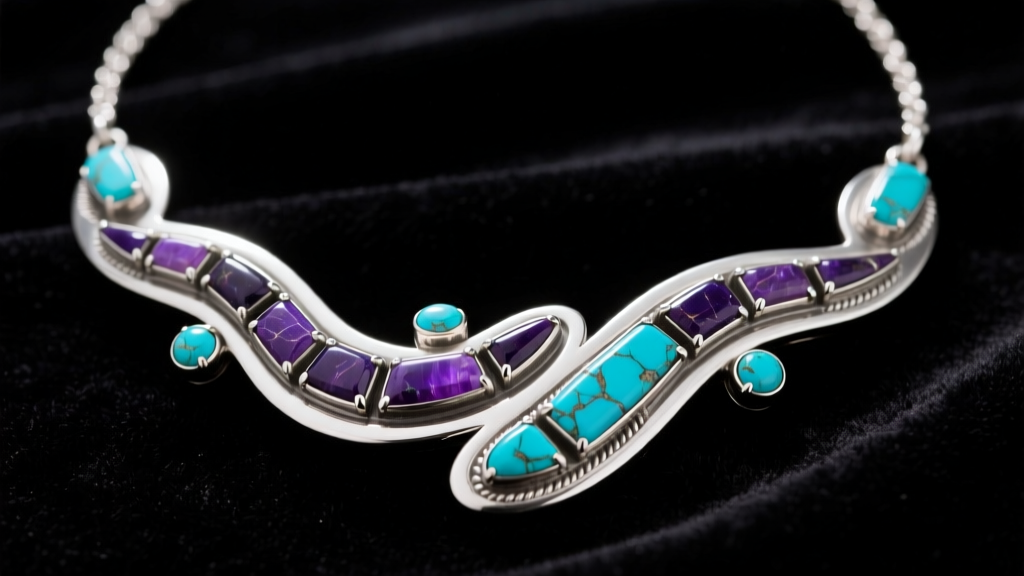
The Legacy of Calvin Begay: Why His Necklaces Hold Value
In the highly competitive world of Native American jewelry, the name Calvin Begay carries immense weight. Renowned for his mastery of both Navajo silversmithing and Zuni lapidary inlay techniques, Begay has spent decades elevating traditional craftsmanship into contemporary wearable art. For collectors, investors, and passionate jewelry enthusiasts, acquiring a Calvin Begay necklace is not merely a fashion choice; it is a tangible investment in cultural heritage and exceptional artisanal skill. As we navigate the 2026 market, the demand for authentic, high-caliber Native American jewelry continues to outpace supply, driving up the value of vintage and newly commissioned pieces alike.
Assessing the budget and true value of a Calvin Begay necklace requires looking far beyond the spot price of sterling silver. The premium attached to his work is rooted in the meticulous stone-cutting process, the sourcing of rare, high-grade gemstones, and the structural integrity of his designs. Whether you are eyeing a delicate station necklace or a heavy, multi-strand squash blossom variant, understanding the nuanced pricing tiers is essential to ensure you are paying a fair market price and avoiding the flood of imported imitations.
Calvin Begay Necklace Price Tiers (2026 Market Assessment)
The secondary and primary markets for Calvin Begay jewelry have seen steady appreciation over the last five years. The pricing matrix below reflects current 2026 retail and verified secondary market averages. Values fluctuate based on the rarity of the specific gemstone matrix and the complexity of the inlay technique employed.
| Style Category | Inlay Complexity | Primary Materials | 2026 Estimated Market Value |
|---|---|---|---|
| Single Pendant (Small to Medium) | Low-Medium (Channel) | Sterling Silver, Turquoise, Coral | $180 - $350 |
| Station Necklace / Lariat | Medium (Silver Dividers) | Sterling, Lapis Lazuli, Mother-of-Pearl | $450 - $850 |
| Full Channel Inlay Collar | High (Precision Channel) | Sterling, Sugilite, Jet, Turquoise | $1,200 - $2,800 |
| Stone-on-Stone Festoon | Very High (Beveled Flush) | Rare Variscite, High-Grade Coral, Opal | $3,500 - $6,500+ |
As illustrated, the leap from a standard channel inlay to a stone-on-stone technique drastically alters the price point. Stone-on-stone requires the artisan to bevel and polish each individual gemstone so they fit flush against one another without the structural crutch of silver channel walls. This technique results in a higher rate of stone breakage during fabrication, significantly increasing the final retail cost.
Material Breakdown: What Drives the Cost of Inlay?
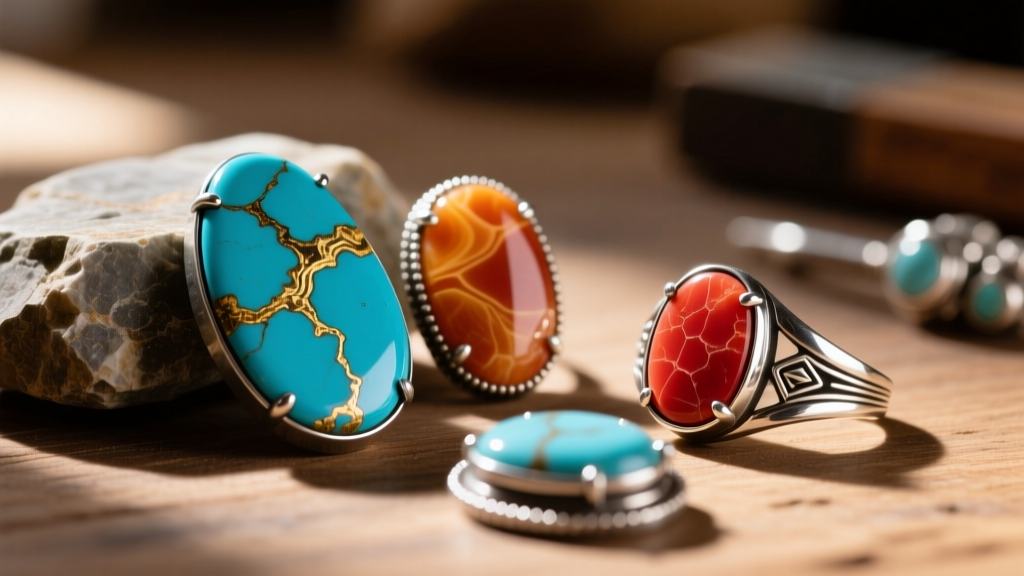
To accurately assess the value of any Calvin Begay necklace, you must develop an eye for gemstone grading. Begay is famous for his vibrant, high-contrast color palettes, which rely on specific, often expensive, raw materials.
The Gemstone Hierarchy
- Sugilite: The crown jewel of modern Southwestern inlay. Genuine, deep-purple sugilite (often sourced from South Africa) is incredibly expensive by the carat. A Calvin Begay necklace heavily featuring gem-grade sugilite will command a massive premium, often pushing the piece into the $3,000+ tier.
- Turquoise: Begay frequently utilizes Kingman turquoise, prized for its brilliant blue color and distinctive copper-pyrite matrix. He also uses Sleeping Beauty turquoise for pieces requiring a uniform, matrix-free sky-blue aesthetic. High-grade, stabilized Kingman cabs add significant value compared to lesser-known mine sources.
- Mediterranean Coral: True Mediterranean branch coral offers a deep, oxblood red hue that contrasts sharply against sterling silver. Due to stringent environmental harvesting restrictions, genuine Mediterranean coral has become exceedingly rare, making older vintage Begay pieces featuring this material highly sought after by collectors.
- Acoma Jet: Unlike softer, porous coal substitutes, genuine Acoma jet is a dense, fossilized wood that takes a mirror-like polish. It provides the deep, void-black negative space necessary for Begay’s most striking geometric patterns.
Authenticity vs. Imitation: Protecting Your Investment
The financial success of renowned Native American artisans has unfortunately spawned a massive industry of overseas counterfeits. Mass-produced knockoffs are often cast from molds of original pieces and feature dyed howlite or resin instead of genuine gemstones. Protecting your budget means knowing exactly how to authenticate a Calvin Begay necklace.
The Indian Arts and Crafts Board, a division of the U.S. Department of the Interior, strictly enforces the Indian Arts and Crafts Act of 1990, which makes it illegal to offer or display for sale any art or craft product in a manner that falsely suggests it is Indian-produced. When evaluating a piece, rely on these physical markers:
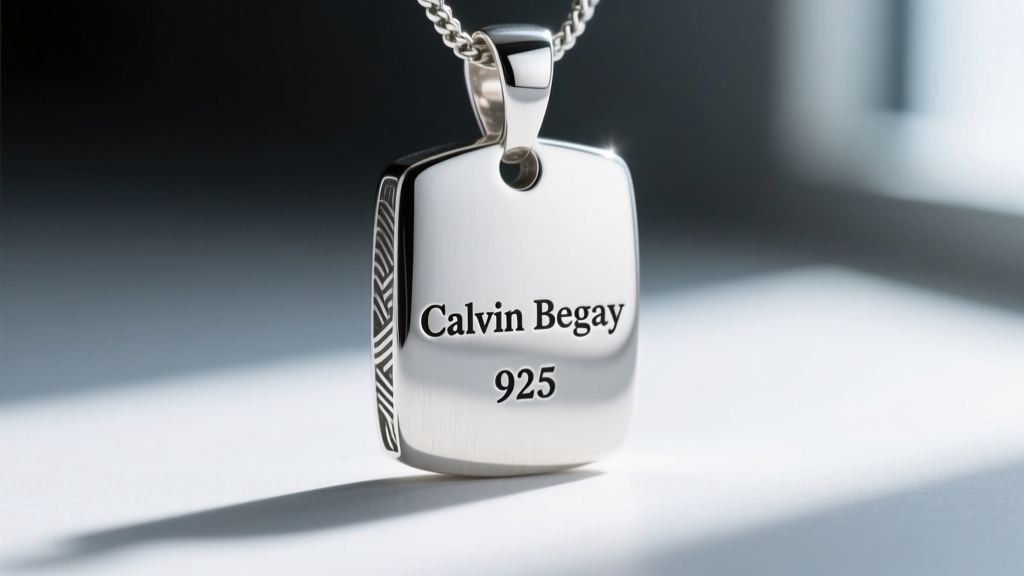
- The Hallmark: Authentic pieces are stamped with 'Calvin Begay' (often in a distinct script or block lettering) alongside 'Sterling' or '925'. The stamp should be crisp, located in a discreet but visible area on the back of the pendant or the clasp of the chain.
- The Glue Lines: Examine the inlay under a 10x jeweler's loupe. Master lapidaries use minimal, high-quality jeweler's epoxy. If you see thick, yellowing, or messy glue lines pooling around the edges of the stones, you are likely looking at a factory-made imitation.
- The Silver Weight: Begay’s work utilizes heavy-gauge sterling silver to support the tension of the stone inlay. A genuine collar necklace will have a substantial, rigid weight. Flimsy, lightweight chains or thin backplates are immediate red flags.
- Stone Temperature: Genuine turquoise, coral, and jet are cold to the touch and take time to warm up against the skin. Resin or plastic imitations will feel room-temperature or warm almost instantly.
Where to Buy: Navigating the Secondary and Primary Markets
When budgeting for a Calvin Begay necklace, the venue of purchase heavily influences both the price and the guarantee of authenticity. Buying directly from established, reputable galleries ensures provenance, though you will pay full retail premium.
Dealers such as Garland's Native American Jewelry in Sedona, Arizona, are widely recognized for their rigorous authentication processes and deep relationships with Native artisans. Purchasing from such verified sources provides a certificate of authenticity and a guarantee that the piece complies with federal Indian arts regulations.
Conversely, the secondary market—including estate sales, specialized pawn shops, and vetted online auction houses—can offer significant discounts, sometimes 30% to 50% below retail. However, the secondary market requires the buyer to assume the burden of authentication. If you are shopping on platforms like eBay or Etsy, demand high-resolution macro photographs of the hallmark, the clasp, and the inlay edges. Avoid listings that use stock photos or fail to provide the exact gram weight of the sterling silver.
Final Verdict: Are Calvin Begay Necklaces Worth the Premium?
From a strict budget and value assessment perspective, a Calvin Begay necklace represents a highly stable alternative investment within the jewelry sector. Unlike mass-produced luxury brand jewelry, where you pay an exorbitant markup for a logo, the premium attached to a Begay piece pays for hundreds of hours of specialized lapidary labor and increasingly scarce natural gemstones.
For buyers with a budget under $500, focusing on smaller, single-pendant channel inlay pieces offers an accessible entry point without sacrificing authenticity. For serious collectors with budgets exceeding $2,000, prioritizing stone-on-stone techniques and rare materials like sugilite or high-grade Mediterranean coral will yield the best long-term appreciation. Ultimately, investing in a Calvin Begay necklace is an investment in the preservation of Southwestern artistry, offering both enduring financial value and unmatched aesthetic beauty.


