Mood Necklace Colors Meanings Chart & Thermochromic Care Guide
Discover the ultimate mood necklace colors meanings chart and learn expert care, cleaning, and storage tips to protect thermochromic crystals.

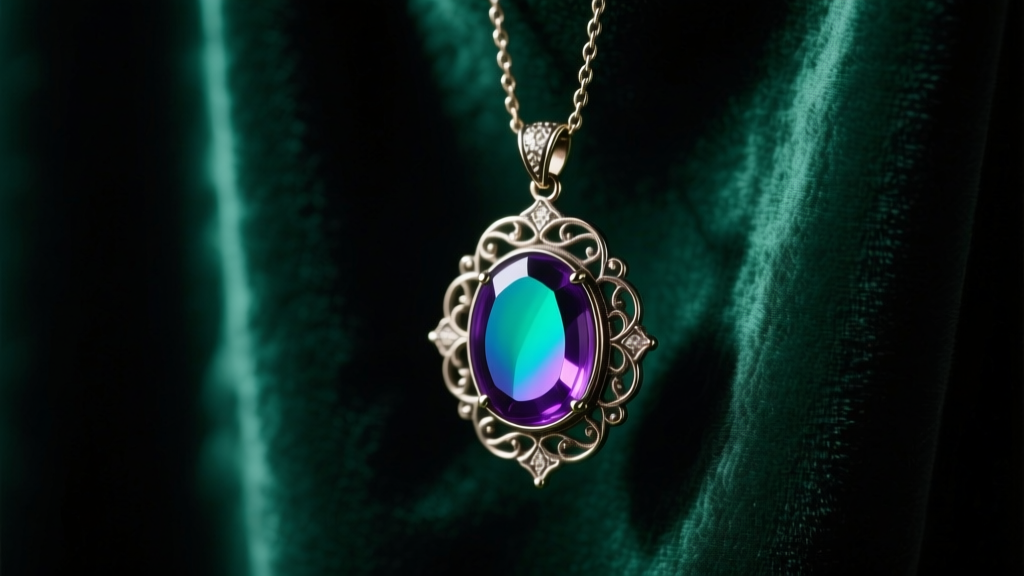
The Science Behind the Colors: Understanding Thermochromic Crystals
Mood jewelry has captivated wearers since its invention in the 1970s, but the magic behind the shifting hues is rooted in serious material science rather than mysticism. At the core of every mood pendant is a layer of thermochromic liquid crystals (TLCs). According to material science resources like Britannica's comprehensive guide on liquid crystals, these unique molecules twist and alter their molecular spacing in response to minute temperature fluctuations. This physical twisting changes the way the crystals reflect and absorb light wavelengths, resulting in the visible color shifts we associate with different emotions.
Because these crystals are encased within a delicate quartz or glass cabochon and backed by a dark heat-absorbing layer, they are incredibly sensitive to their environment. Proper care is not just about keeping the metal shiny; it is about preserving the chemical integrity of the thermochromic layer itself. If you want your jewelry to accurately reflect the classic mood necklace colors meanings chart, you must protect the pendant from moisture, UV degradation, and chemical exposure.
The Ultimate Mood Necklace Colors Meanings Chart (And Troubleshooting)
While a standard mood necklace colors meanings chart gives you a basic emotional translation, understanding the actual temperature thresholds is crucial for troubleshooting a 'stuck' pendant. If your necklace is displaying a color that doesn't match your mood or ambient environment, use the troubleshooting column below to diagnose potential damage.
| Color Displayed | Traditional Meaning | Surface Temp Threshold | Troubleshooting & Care Notes |
|---|---|---|---|
| Black / Grey | Stressed, Anxious, Cold | Under 72°F (22°C) | If stuck on black at room temp, the TLC layer may be water-damaged or the black backing has detached. |
| Brown / Amber | Nervous, Restless | 72°F - 77°F (22-25°C) | Normal transition color. If it stays amber, the pendant may be resting on a cold surface. |
| Green | Relaxed, Average, Calm | 78°F - 82°F (25-28°C) | The baseline 'room temperature' color. Indicates the crystals are healthy and properly calibrated. |
| Blue / Teal | Calm, Peaceful, Happy | 83°F - 87°F (28-30°C) | Requires direct skin contact. If it won't turn blue, ensure the metal bezel is touching your skin. |
| Deep Violet / Purple | Passionate, Romantic, Excited | Above 88°F (31°C) | Rarely achieved without physical exertion or holding the stone. Do not use artificial heat to force this color. |
| Clear / Milky White | N/A (Damage Indicator) | N/A | Severe UV degradation or extreme heat exposure has permanently destroyed the liquid crystal bonds. |
Critical Care Rules: What Destroys Thermochromic Crystals
The most common reason a mood necklace stops changing color is improper maintenance. The Gemological Institute of America (GIA) frequently notes that organic and chemical-sensitive gemstones require highly specialized care, and thermochromic capsules are even more fragile than porous stones like turquoise or pearls.
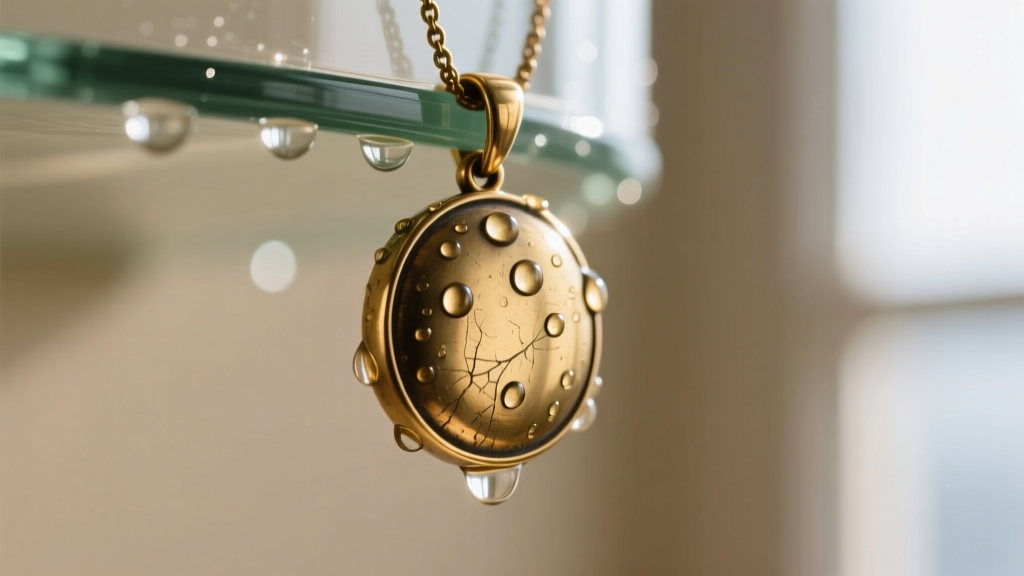
1. The Water Damage Threat (Capillary Action)
Water is the absolute enemy of mood jewelry. The glass or quartz cabochon is sealed into the metal bezel using a delicate adhesive. Over time, microscopic gaps can form. If you wear your necklace in the shower, pool, or ocean, capillary action will draw water under the glass. Once water touches the thermochromic liquid crystals, they clump together and lose their light-reflecting properties, turning the stone a permanent, cloudy black. Never submerge a mood pendant in water.
2. UV and Heat Degradation
Prolonged exposure to direct sunlight breaks down the chemical bonds within the liquid crystals. Leaving your necklace on a sunny dashboard or a bright windowsill will eventually cause the stone to turn a milky, translucent white. Furthermore, exposing the pendant to extreme heat (such as leaving it near a radiator or using hot water to clean it) can literally melt the internal capsule, ruining the color-shifting mechanism permanently.
3. Chemical Solvents
Perfumes, hairsprays, lotions, and harsh jewelry dips contain alcohols and ammonia. These chemicals can eat away at the adhesive sealing the cabochon, accelerating water intrusion and directly degrading the TLC layer if they seep inside.
Step-by-Step Cleaning Protocol for Mood Pendants
To maintain the brilliance of the glass dome and the accuracy of the colors, follow this strict, dry-cleaning protocol:
- Step 1: Remove the Pendant. Always take the pendant off the chain before cleaning to avoid transferring moisture or metal polish to the stone.
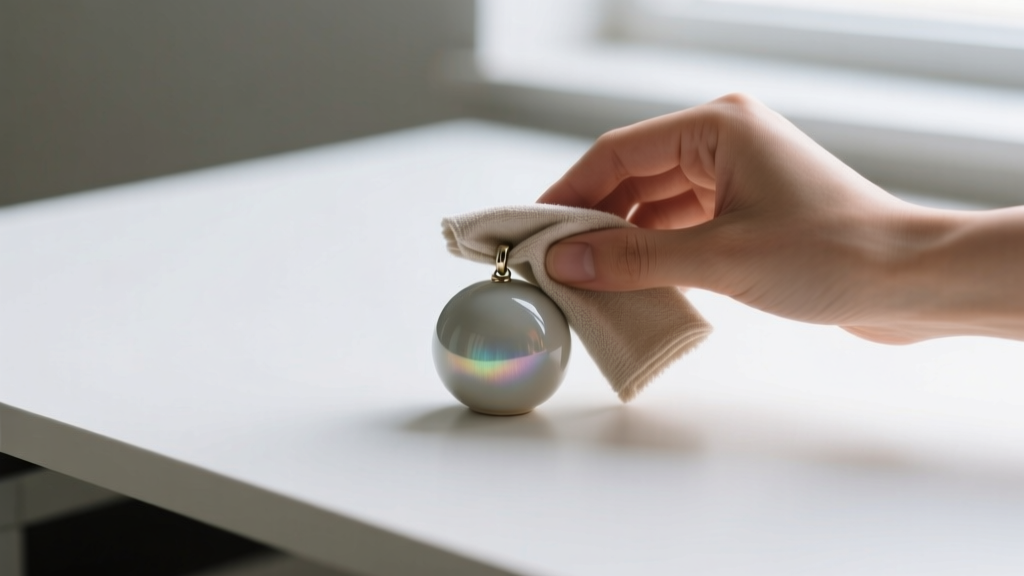
- Step 2: Dry Microfiber Wipe. Use a clean, dry, lint-free microfiber cloth to gently buff the surface of the glass or quartz cabochon. This removes skin oils and fingerprints that can dull the color display.
- Step 3: Bezel Detailing. Dip a cotton swab (Q-tip) in a tiny amount of rubbing alcohol, but squeeze it out completely so it is barely damp. Carefully run it along the outside metal bezel to remove grime, ensuring no liquid touches the seam where the glass meets the metal.
- Step 4: Immediate Drying. Use a dry cotton swab to immediately wipe down the metal bezel, ensuring zero moisture is left behind to seep into the seals.
Chain and Bezel Maintenance
Most vintage and modern mood pendants are set in brass, copper, or low-karat gold-filled bezels, often paired with matching box chains or snake chains. These base metals are prone to oxidation and tarnishing when exposed to the natural acids in your skin.
When polishing the metal chain, use a dedicated silver or brass polishing cloth. Crucial Warning: Never use liquid silver dips or ultrasonic cleaners. The harsh chemicals in liquid dips will destroy the pendant's adhesive seal, and the high-frequency vibrations of an ultrasonic cleaner will shatter the fragile glass cabochon and scramble the liquid crystals inside. Always remove the pendant from the chain before polishing the metal components.
How to Recalibrate a 'Stuck' Mood Necklace
If your necklace is stuck on a single color (like dark brown or black) but you are certain it hasn't been exposed to water, the crystals may simply be fatigued or suffering from temporary thermal shock.
Expert Recalibration Trick: Place the pendant in a dark, dry drawer at a stable room temperature (around 70°F / 21°C) for 48 to 72 hours. This allows the liquid crystal lattice to rest and reset without the stress of UV light or body heat fluctuations. If it returns to a baseline green or amber after this resting period, the crystals are still viable. If it remains black or turns clear, the chemical degradation is permanent.
Proper Storage for Longevity
How you store your mood necklace when you aren't wearing it dictates its lifespan. Avoid tossing it into a communal jewelry box where it can be scratched by harder gemstones (like diamonds or sapphires) or exposed to ambient bathroom humidity. Store the pendant in a soft, opaque flannel pouch in a cool, dark, and dry environment. By respecting the delicate thermochromic science inside your jewelry, you ensure that your mood necklace colors meanings chart remains an accurate and beautiful reflection of your day for years to come.


