Pam Bondi Cross Necklace: Sourcing & Styling Troubleshooting
Troubleshoot the viral Pam Bondi cross necklace trend. Learn to spot cheap knockoffs, fix tarnished replicas, and match the exact chain drop.


The Anatomy of the Viral Political Fashion Staple
The intersection of high-stakes political fashion and everyday jewelry trends has rarely been as pronounced as the current surge in demand for the pam bondi cross necklace. As a staple in professional, conservative, and boardroom wardrobes, this specific pendant style—typically featuring a pavé or solid diamond cross suspended on a delicate cable chain—projects both traditional values and refined elegance. However, the viral nature of this piece in 2026 has flooded the market with low-quality replicas, leaving many buyers frustrated with tarnishing metals, broken clasps, and inaccurate proportions.
Troubleshooting this trend requires a precise understanding of jewelry manufacturing. The authentic aesthetic relies on specific dimensions: a pendant measuring exactly 15mm to 20mm in height, set with approximately 0.25 to 0.50 carats of melee diamonds, and hung on an 18-inch chain with a width of 1.0mm to 1.2mm. When these proportions are altered by fast-fashion manufacturers, the necklace loses its sophisticated drape, often looking either overwhelmingly bulky or cheaply diminutive. Below, we break down how to identify quality, troubleshoot material failures, and source reliable alternatives that capture the exact essence of this iconic look.
Troubleshooting Material Quality: Authentic vs. Fast-Fashion Knockoffs
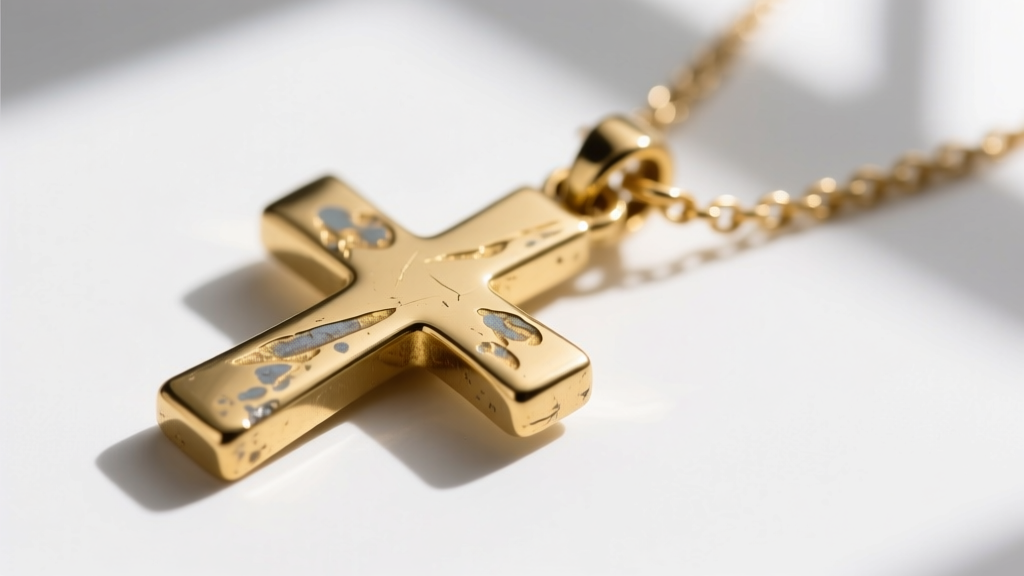
The most common issue buyers face when searching for a replica of this necklace is severe skin discoloration and rapid tarnishing. This occurs because mass-market manufacturers use brass or copper base metals coated in a microscopic layer of gold flash plating. According to the Federal Trade Commission's Jewelry Guides, terms like "gold plated" and "gold vermeil" have strict legal definitions regarding the thickness of the gold layer and the base metal used. Many online marketplaces blatantly ignore these guidelines.
| Material Grade | Base Metal | Gold Thickness | Estimated Price Range | Tarnish Risk |
|---|---|---|---|---|
| Solid 14k Gold | Gold Alloy | N/A (Solid) | $800 - $2,500+ | None |
| Gold Vermeil | Sterling Silver | ≥ 2.5 microns | $150 - $350 | Low (Years) |
| Gold Plated | Brass / Copper | < 0.5 microns | $20 - $80 | High (Weeks) |
| Gold PVD Coated | Stainless Steel | Variable | $40 - $120 | Very Low |
The Neodymium Magnet Test
If you have already purchased a suspected knockoff and want to troubleshoot its base metal composition, use a strong neodymium magnet. While gold, silver, copper, and brass are non-magnetic, many ultra-cheap replicas use ferrous metals or nickel alloys beneath the plating to add weight and reduce costs. If your cross pendant or chain clasp exhibits any magnetic pull, it contains nickel or iron, which are primary culprits behind contact dermatitis and the dreaded "green neck" effect caused by copper oxidation reacting to your skin's natural acidity.
Fixing Tarnish and Skin Discoloration on Replica Pendants
If your replica necklace has already begun to tarnish or turn your skin green, do not immediately throw it away. You can often salvage the piece and prevent future reactions using specific chemical and physical barriers. The green discoloration is not a sign of toxicity; it is simply a harmless copper chloride reaction. However, it is highly undesirable in a professional setting.
- The Aluminum Foil Bath (For Silver Base Metals Only): If your necklace is sterling silver vermeil that has darkened, line a glass bowl with aluminum foil (shiny side up). Add 1 tablespoon of baking soda and 1 tablespoon of sea salt. Pour boiling water over the mixture and submerge the necklace for exactly 3 minutes. The electrochemical reaction transfers the silver sulfide (tarnish) from the metal to the foil without stripping the delicate gold vermeil layer.
- Micro-Crystalline Wax Coating: For brass or copper-based replicas, apply a micro-crystalline wax (such as Renaissance Wax, widely used by museum conservators) using a lint-free cloth. This creates an invisible, inert barrier between the reactive base metal and your skin's moisture, effectively stopping the green discoloration for up to six months of daily wear.
- Clear Nail Polish (The Emergency Fix): While not recommended for high-end pieces due to its yellowing tendency over time, a single coat of high-quality, non-yellowing clear polyurethane topcoat on the back of the cross pendant will seal porous base metals immediately.
"When evaluating gold alternatives, always verify the karat weight of the plating. 14k gold plating offers a warmer, more durable finish that closely mimics the authentic political jewelry aesthetic, whereas 24k flash plating wears away rapidly due to its inherent softness." — Gemological Institute of America (GIA)
Chain Length & Clasp Failures: Replicating the Exact Drop
The visual impact of the pam bondi cross necklace relies entirely on where the pendant rests against the neckline of a blouse or blazer. The standard 18-inch drop is engineered to sit precisely at the collarbone hollow, making it visible above a buttoned silk blouse but easily tucked away when necessary. However, replica chains frequently suffer from structural failures.

Troubleshooting Chain Tangling and Breakage
Thin 1.0mm cable chains are notorious for catching on hair and snapping under minor tension. If you are sourcing an alternative chain to hold a heavier pavé cross pendant, you must upgrade the chain profile. Switch from a standard cable chain to a 1.2mm box chain or a 1.5mm wheat chain. These interlocking geometries distribute weight more evenly and resist kinking, which is the primary cause of metal fatigue and subsequent snapping.
Furthermore, inspect the clasp. The authentic aesthetic utilizes a lightweight spring-ring clasp, but these are mechanically weak. When purchasing a high-quality alternative, look for a lobster clasp with a welded jump ring. If the jump ring connecting the clasp to the chain is merely slit (not soldered shut), it will eventually pull apart, resulting in the loss of the pendant.
Sourcing Guide: Where to Find Reliable Alternatives
If you want to capture the exact aesthetic without paying the $3,000+ premium for a designer brand, or if you want to avoid the $20 brass traps found on dropshipping sites, you must target mid-tier, transparent jewelers. Here is a troubleshooting framework for sourcing a reliable alternative in 2026:
- Verify the Diamond Sourcing: Look for lab-grown melee diamonds. They offer the exact same optical properties (refractive index of 2.42) as mined diamonds but reduce the cost of a 0.50-carat pavé cross by up to 60%. Brands like Brilliant Earth and James Allen offer customizable cross pendants with certified lab-grown stones set in solid 14k gold.
- Target High-Grade Vermeil Specialists: If solid gold is outside your budget, seek out brands that explicitly state their vermeil thickness. Mejuri and Gorjana frequently release diamond-accented cross pendants in 14k gold vermeil over sterling silver, ensuring the piece will last for years without causing skin reactions.
- Custom Etsy Jewelers: Search for independent bench jewelers on Etsy who specialize in "solid 14k gold pavé cross pendant." By dealing directly with a bench jeweler, you can request the exact 18-inch 1.2mm box chain configuration, bypassing the mass-market proportions that ruin the drape of the necklace.
Ultimately, mastering the professional cross necklace trend is less about chasing a viral name and more about understanding the structural integrity of the jewelry you wear. By prioritizing proper base metals, correct chain geometries, and verified gold thicknesses, you can secure a piece that commands respect in any boardroom or political arena without falling victim to fast-fashion failures.


