Metal Guide: Choosing a Chain with Padlock Necklace
Compare metals for your chain with padlock necklace. Expert guide on 14k gold, titanium, and steel, covering shackle strength, gauges, and pricing.

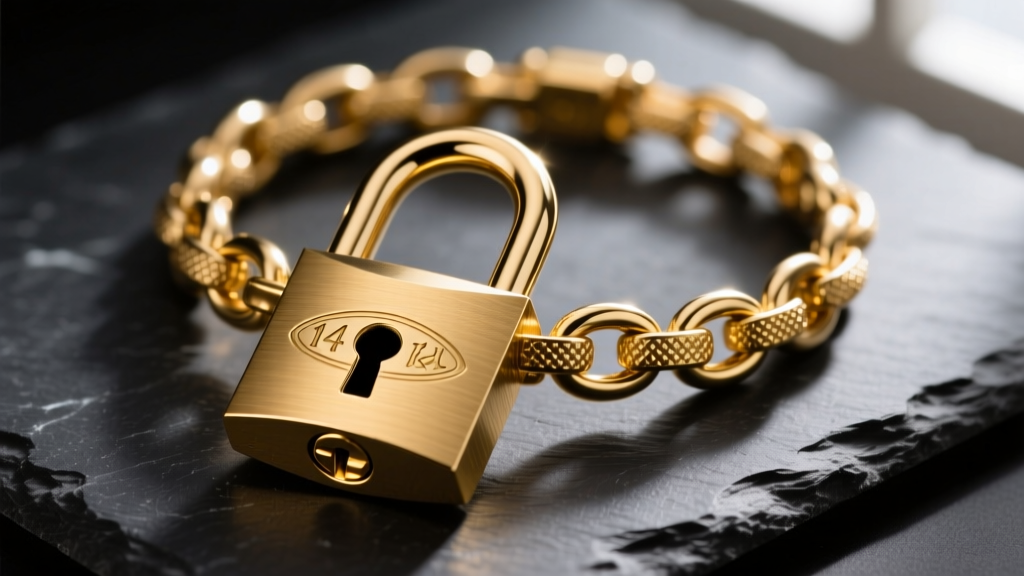
The chain with padlock necklace has evolved from a fleeting streetwear trend into a permanent fixture in modern fine jewelry. However, unlike standard pendants, a padlock introduces unique structural and metallurgical challenges. The presence of a movable shackle, a hollow or solid body, and sometimes functional internal locking mechanisms means that material choice dictates not just the aesthetic, but the literal survival of the piece. In 2026, as consumers demand more longevity from their jewelry, understanding the material properties of your necklace is no longer optional—it is essential.
The Anatomy of a Padlock Necklace: Why Material Matters
A standard pendant hangs passively. A padlock pendant endures dynamic stress. Every time you put on or take off a chain with padlock necklace, the shackle (the U-shaped bar at the top) experiences lateral torque and tensile stress. If the metal is too soft, the shackle will permanently deform, rendering the padlock unable to close. Furthermore, the chain itself must support a concentrated, swinging weight without stretching at the links or snapping at the clasp. According to the Gemological Institute of America (GIA), the alloy composition of precious metals directly impacts their hardness and durability, making the karat weight and base metal blends critical factors in padlock jewelry.
Metal Showdown: Comparing Materials for Chains and Padlocks
925 Sterling Silver: The Classic but Delicate Choice
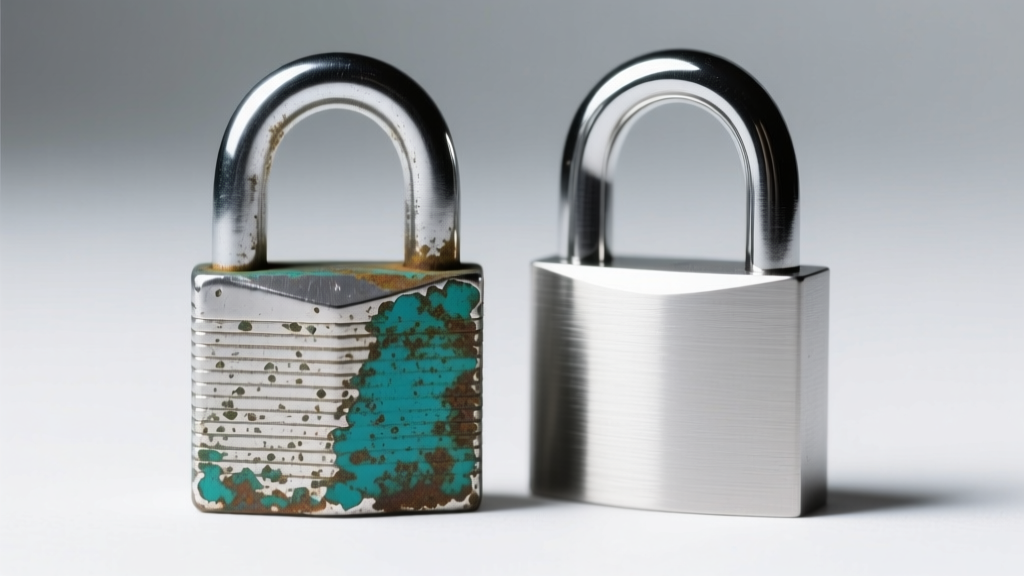
Sterling silver (92.5% pure silver, 7.5% copper) is the most accessible entry point for a chain with padlock necklace. The copper alloy provides necessary hardness compared to pure silver, but it remains relatively soft on the Mohs scale. A sterling silver padlock shackle thinner than 14-gauge (1.6mm) is highly susceptible to bending. Additionally, the copper content makes sterling silver prone to oxidation (tarnish), particularly in the crevices of the keyhole and the hinge of the shackle. Pricing: $80 to $250. Best for: Occasional wear and lighter, non-functional decorative padlocks.
316L Surgical Stainless Steel: The Industrial Workhorse
For maximum durability on a budget, 316L stainless steel is unmatched. The addition of molybdenum to the steel alloy provides exceptional resistance to pitting and crevice corrosion, meaning sweat and humidity will not degrade the padlock's moving parts. The tensile strength of 316L ensures the shackle will not bend under normal wear. However, it is heavy and cannot be resized or easily repaired by a traditional jeweler if a link breaks. Pricing: $30 to $90. Best for: Daily wear, active lifestyles, and heavy industrial aesthetics.
Solid 14k and 18k Gold: Investment and Heirloom
When investing in a fine jewelry chain with padlock necklace, 14k gold (58.5% pure gold) is metallurgically superior to 18k gold (75% pure gold) for the padlock component. The higher percentage of alloy metals (usually copper, silver, and zinc) in 14k gold provides greater tensile strength, which is vital for the shackle and the chain links bearing the pendant's weight. 18k gold is richer in color but softer, making it better suited for the padlock body rather than the stress-bearing shackle. Pricing: $450 to $1,800+. Best for: Heirloom pieces, luxury gifts, and lifelong daily wear.
Titanium (Grade 5): The Hypoallergenic Powerhouse
Grade 5 Titanium (Ti-6Al-4V) is an aerospace-grade alloy that is 45% lighter than steel but boasts a higher strength-to-weight ratio. A titanium chain with padlock necklace will not tarnish, is 100% hypoallergenic (containing zero nickel), and is virtually indestructible under normal human force. The drawback is manufacturing complexity; titanium requires CNC machining rather than traditional casting, limiting intricate design details on the padlock body. Pricing: $150 to $400. Best for: Those with severe metal allergies and buyers seeking extreme lightweight comfort.
Chain Gauge and Weight: Sizing Your Necklace
The most common point of failure in a chain with padlock necklace is not the pendant itself, but the chain links stretching under the pendulum effect of the heavy lock. To prevent this, you must match the chain gauge (thickness) to the weight of the padlock. Below is a structural guideline for pairing chains with padlocks.
| Chain Width | Approx. Gauge | Max Pendant Weight | Recommended Chain Style |
|---|---|---|---|
| 2.0mm - 3.0mm | 18G - 16G | Up to 8 grams | Cable, Box Chain |
| 3.5mm - 5.0mm | 14G - 12G | 8 to 20 grams | Curb, Figaro, Rope |
| 6.0mm - 10.0mm | 10G - 6G | 20 to 50+ grams | Cuban Link, Miami Cuban |
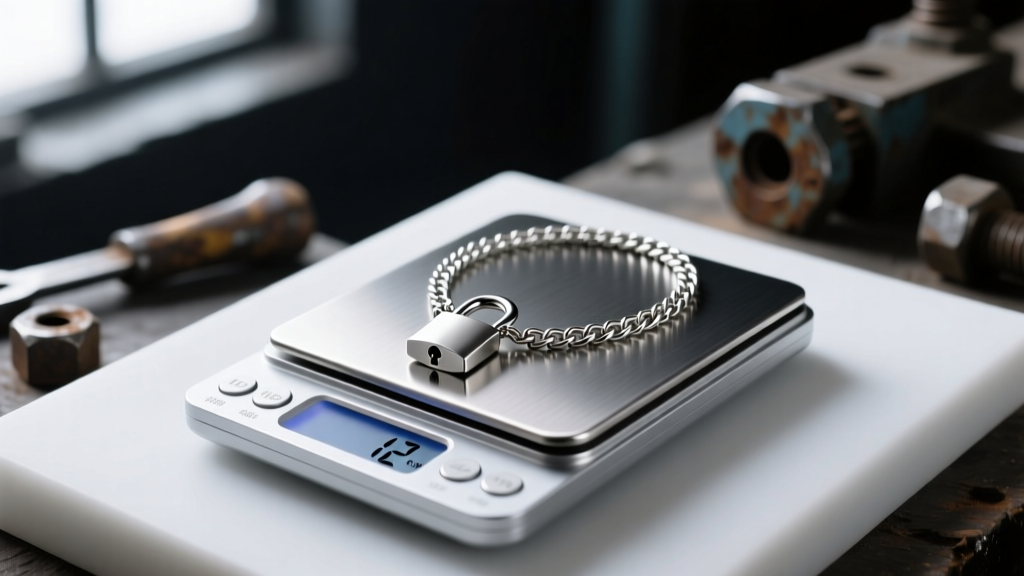
For a standard solid 14k gold padlock weighing around 12 grams, a 4mm 12-gauge curb chain provides the optimal balance of visual proportion and structural integrity. Avoid hollow chains entirely, as the concentrated weight of a padlock will easily crush hollow links.
The Mechanics of the Padlock: Shackle Strength and Keyholes
If your chain with padlock necklace features a functional locking mechanism, the internal metallurgy becomes even more complex. The external body and shackle may be cast in solid 14k gold or sterling silver, but the internal pins, springs, and locking bar are almost universally made from hardened steel or brass. This is because precious metals lack the spring-back memory required for internal lock components.
This creates a bimetallic junction. If water, sweat, or harsh chemicals enter the keyhole, galvanic corrosion can occur where the dissimilar metals meet, causing the internal steel spring to rust and seize. To prevent this, functional padlock pendants should never be worn in the shower or pool, and the keyhole should be kept dry. For purely aesthetic necklaces, jewelers often solder the shackle permanently shut or cast the padlock as a single solid piece, eliminating the mechanical failure points entirely.
Maintenance and Longevity by Metal Type
Proper care extends the life of your necklace. The Jewelers of America recommends specific care routines based on material porosity and alloy composition.
- Sterling Silver: Requires regular polishing with a treated jeweler's cloth to remove silver sulfide (tarnish). Store in an anti-tarnish bag with silica gel packets to absorb ambient moisture. Use a soft toothbrush to gently clean the shackle hinge.
- Stainless Steel: Virtually maintenance-free. Can be cleaned with warm water, mild dish soap, and a microfiber cloth. Avoid bleach, which can break down the passive chromium oxide layer and cause pitting.
- Solid Gold (14k/18k): Clean with a few drops of mild dish soap in warm water. Gold does not tarnish, but the alloy metals can accumulate skin oils and lotions, dulling the shine. An annual ultrasonic cleaning by a professional jeweler is recommended to check for link wear.
- Titanium: Highly resistant to chemicals. Can be cleaned with standard jewelry solutions or even isopropyl alcohol. Because it cannot be easily resized or soldered, ensure your chain length and clasp are perfect at the time of purchase.
Final Verdict: Which Material Should You Choose?
Selecting the right chain with padlock necklace requires balancing your budget, lifestyle, and aesthetic preferences. If you are seeking an indestructible, everyday piece with an industrial edge, 316L stainless steel offers the best structural performance for the price. For those with nickel allergies or a desire for extreme lightweight comfort, Grade 5 Titanium is the undisputed champion. However, if you are investing in a piece meant to be passed down through generations, a solid 14k gold padlock on a heavy-gauge curb chain remains the ultimate standard, offering the perfect synthesis of tensile strength, intrinsic value, and timeless luxury.


