Nitro Pill Holder Necklace: Troubleshooting Storage & Safety Flaws
Discover critical troubleshooting tips for your nitro pill holder necklace. Learn how to prevent moisture damage, UV degradation, and clasp failures.

The Hidden Dangers of Standard Pill Holders for Nitroglycerin
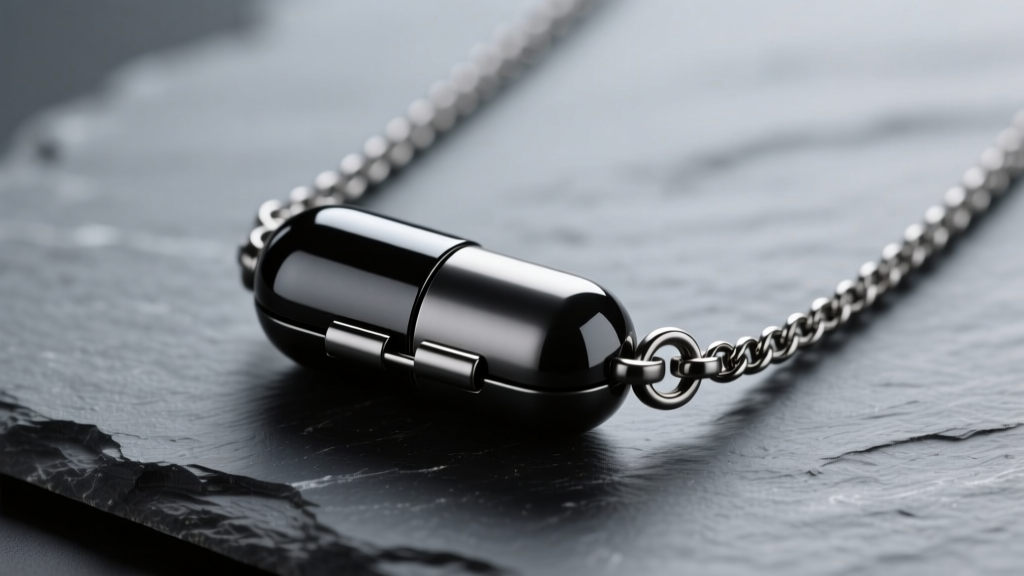
When managing angina pectoris, rapid access to sublingual nitroglycerin is a matter of life and death. The concept of a nitro pill holder necklace is highly appealing: it keeps your life-saving medication instantly accessible, discreet, and close to your body. However, from a pharmacological and materials science perspective, the vast majority of commercial pill holder necklaces are fundamentally unsafe for nitroglycerin storage.
Nitroglycerin (NTG) is notoriously volatile. According to the U.S. Food and Drug Administration, NTG tablets degrade rapidly when exposed to light, moisture, heat, and even the air. Most fashion-oriented pill lockets are made of clear acrylic, sterling silver with porous seals, or hollow metals that fail to provide an airtight, UV-blocking environment. Storing NTG in these flawed vessels can render the medication inert within days, leaving you dangerously unprotected during a cardiac event. In this guide, we will troubleshoot the most critical failure points of NTG necklaces and provide actionable engineering and material solutions to ensure your medication remains viable.
Troubleshooting Moisture and UV Light Degradation
The primary enemy of nitroglycerin stability is environmental exposure. Standard jewelry lockets often feature clear glass or acrylic windows, or they rely on simple friction-fit metal lids that allow ambient humidity to enter. Moisture ingress causes the lactose carrier powder in the tablet to break down, while UV light catalyzes the degradation of the active NTG compound.
Material Matrix: What Works and What Fails
To properly shield your medication, your necklace chamber must mimic the original dark glass pharmacy bottle. Below is a troubleshooting matrix for common necklace materials:
| Material | UV Protection | Moisture Seal | Verdict for NTG |
|---|---|---|---|
| Clear Acrylic/Resin | Poor (UV penetrates) | Poor (Micro-porous) | FAIL: Rapid degradation. |
| Sterling Silver (925) | Excellent (Opaque) | Poor (Tarnish ruins seals) | FAIL: Tarnish compromises threads. |
| 316L Surgical Steel | Excellent (Opaque) | Good (With O-ring) | PASS: Durable, requires silicone seal. |
| ASTM F136 Titanium | Excellent (Opaque) | Excellent (Corrosion-proof) | IDEAL: Biocompatible, lightweight. |
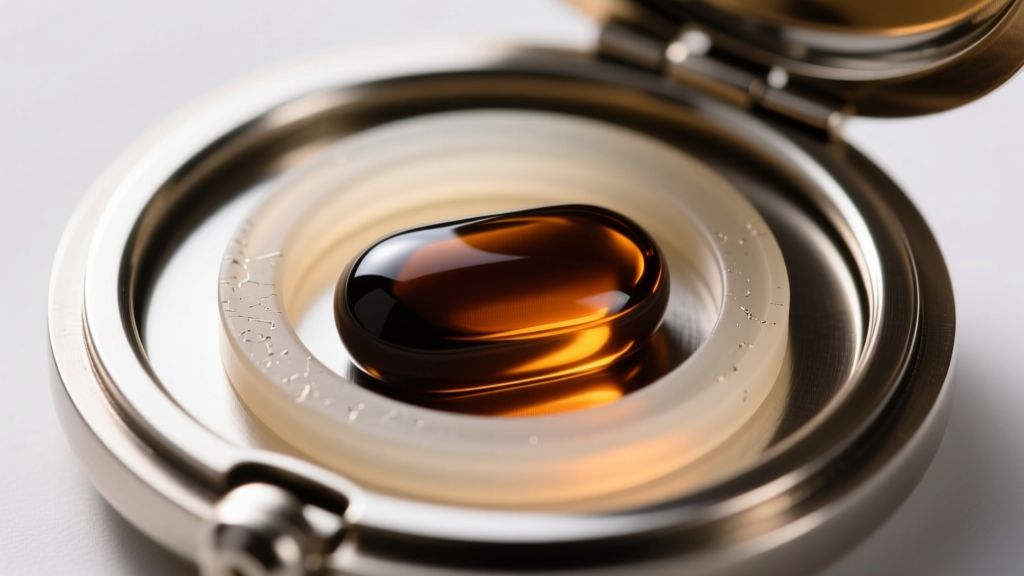
| Amber Glass (Dark) | Good (Blocks UV) | Variable (Depends on cap) | CONDITIONAL: Must have metal screw-cap. |
The Fix: If your current necklace uses clear windows, you must replace it immediately. Opt for a solid, opaque cylinder machined from ASTM F136 titanium or 316L stainless steel. Furthermore, the cap must utilize a medical-grade silicone O-ring (Shore 50A to 70A durometer) to guarantee an airtight, waterproof seal against sweat and ambient humidity.
The Friability Problem: Chamber Sizing and Kinetic Shock
One of the most overlooked troubleshooting aspects of a nitro pill holder necklace is friability—the tendency of a tablet to crumble or pulverize under mechanical stress. Sublingual NTG tablets are incredibly fragile. If the internal chamber of your necklace is too large, the pills will bounce against the metal walls as you walk, run, or move throughout the day.
Preventing Pulverization
When NTG pills turn to dust, two major problems arise. First, the increased surface area accelerates chemical degradation. Second, attempting to pour a powdered dose under your tongue during an angina attack makes accurate dosing nearly impossible, potentially leading to an under-dose (ineffective) or an over-dose (causing severe hypotension and syncope).
- Measure Your Chamber: A standard 0.4mg NTG tablet is roughly 3.5mm in diameter and 1.5mm thick. Your necklace chamber should be no wider than 5mm to prevent lateral movement.
- Use a Baffle System: If you must use a wider locket for aesthetic reasons, insert a food-grade silicone baffle or a tiny coil of inert PTFE (Teflon) tubing to gently compress the pills and eliminate kinetic rattle.
- Avoid Cotton: Never use cotton balls to pad the chamber. The Mayo Clinic and pharmacological guidelines strictly warn that cotton absorbs the active nitroglycerin from the tablets, stripping them of their potency.
Solving Accessibility Issues During an Angina Episode
When an angina attack strikes, the body undergoes immense physiological stress. Chest pain, diaphoresis (profuse sweating), and panic severely degrade fine motor skills. This is where the mechanical design of your necklace clasp becomes a critical point of failure.
Clasp Mechanics and Motor Control
Many metal pill cylinders use fine-pitch screw threads. Under the stress of a cardiac event, with sweaty and trembling fingers, users frequently cross-thread these tiny caps. Once cross-threaded, the cap jams, rendering the life-saving medication inaccessible.
"During acute ischemic events, patients experience a marked decrease in manual dexterity. Medical wearables and carriers must prioritize single-action or gross-motor deployment mechanisms over complex threaded seals." — Principles of Emergency Medical Device Design
The Fix: Abandon fine screw-top cylinders. Instead, look for a nitro pill holder necklace that utilizes a bayonet mount (a push-and-twist mechanism requiring only a quarter-turn) or a high-strength neodymium magnetic snap with a secondary physical shear-catch. These mechanisms require gross motor movements and can be opened with one hand in under two seconds, even with severe tremors.

Skin Sensitivity and Sweat: Preventing Contact Dermatitis
Angina episodes are often accompanied by sudden, heavy sweating. If your necklace chain or pendant housing is made of base metals, brass alloys, or low-grade silver, the mixture of sweat and metal ions can cause acute contact dermatitis. While a skin rash is secondary to a heart attack, the pain and distraction of a burning rash on your chest or neck can complicate your ability to focus on administering your medication and seeking emergency care.
To troubleshoot this, ensure the entire assembly—chain, jump rings, and pendant—is forged from hypoallergenic materials. The American Heart Association emphasizes minimizing physical stressors during a cardiac event. Stick to solid 14k/18k gold, platinum, or surgical-grade titanium chains. Avoid gold-plated or silver-plated brass, as the plating will inevitably wear off against the friction of your clothing, exposing the reactive base metals beneath.
Maintenance Protocol: Keeping Your Nitro Viable
Even with the perfect titanium, O-ring-sealed, bayonet-clasp necklace, your medication requires strict maintenance. Troubleshooting your necklace is only half the battle; managing the pharmacology inside it is the other.
- The 6-Month Rotation Rule: Once removed from the manufacturer's original dark glass bottle, NTG tablets have a drastically reduced shelf life. Mark your calendar to replace the pills in your necklace every 6 months, or sooner if the pills develop a chalky texture or lose their characteristic sharp, tingling sensation under the tongue.
- Thermal Avoidance: Your body heat is generally safe, but leaving your necklace on the dashboard of a hot car or wearing it in a sauna will cook the medication. NTG degrades rapidly at temperatures exceeding 77°F (25°C).
- Cleaning the Vessel: When rotating your pills, clean the titanium or steel chamber with warm water and a mild, unscented dish soap. Never use alcohol wipes, bleach, or harsh jewelry cleaners inside the chamber. Chemical residues can interact with the NTG powder. Ensure the chamber is 100% bone-dry before inserting new tablets; even a single drop of water will ruin the batch.
Conclusion: Prioritizing Function Over Fashion
A nitro pill holder necklace is not merely a piece of jewelry; it is a critical medical device. By troubleshooting the common flaws of UV exposure, moisture ingress, kinetic friability, and poor clasp mechanics, you transform a risky fashion accessory into a reliable lifeline. Invest in opaque, biocompatible metals, demand airtight silicone seals, and prioritize gross-motor clasps. When seconds count and chest pain strikes, your necklace must perform flawlessly.


