Beginner's Guide to Buying a Simple Silver Cross Necklace
Discover how to choose, style, and care for a simple silver cross necklace. Learn about silver grades, chain lengths, and everyday styling tips.

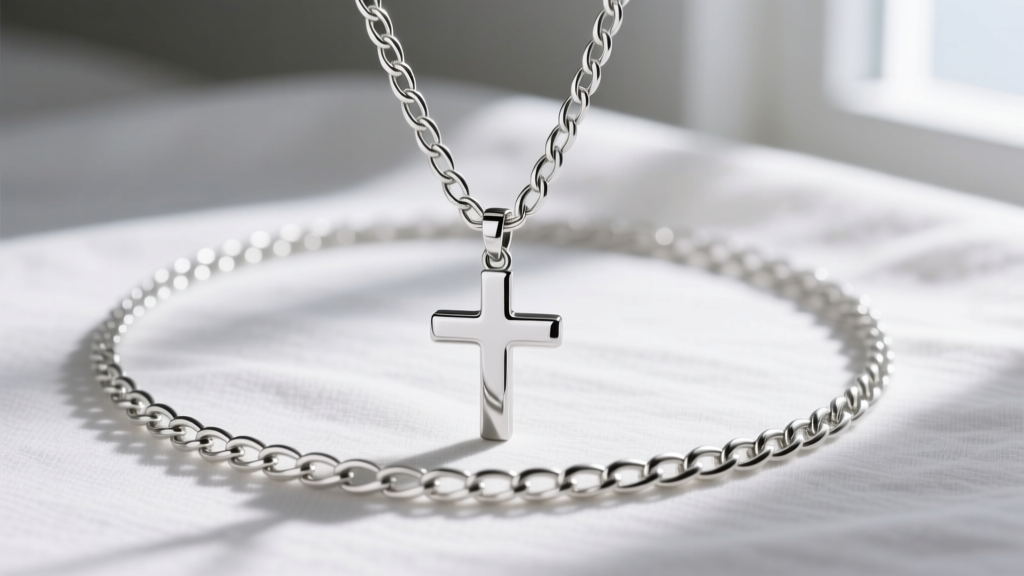
The Timeless Appeal of the Silver Cross
When building a foundational jewelry wardrobe, few pieces offer the versatility, meaning, and enduring style of a simple silver cross necklace. Whether you are purchasing your very first piece of fine jewelry, looking for a meaningful gift, or seeking a daily-wear staple that transitions seamlessly from casual to formal, the silver cross is an undisputed classic. However, the market is flooded with options ranging from $15 fashion jewelry to $500 artisan-crafted pieces. For a beginner, navigating silver purity, chain mechanics, and pendant proportions can be overwhelming.
This comprehensive guide breaks down the exact specifications you need to look for in 2026 to ensure you invest in a high-quality, durable, and perfectly proportioned simple silver cross necklace that will last a lifetime.
Decoding Silver Purity and Modern Alloys
Not all silver is created equal. The term "silver" on a jewelry tag is largely unregulated, meaning you must look for specific hallmarks to guarantee quality. Understanding the metallurgy of your necklace is the first step in making an informed purchase.
| Silver Grade | Stamp/Hallmark | Composition | Durability & Tarnish | Avg. Price Range |
|---|---|---|---|---|
| Fine Silver | .999 | 99.9% Pure Silver | Very soft, scratches easily, highly tarnish-resistant | $80 - $150 |
| Sterling Silver | .925 | 92.5% Silver, 7.5% Copper | Durable, prone to tarnish due to copper content | $40 - $120 |
| Argentium Silver | .935 / .960 | Silver, Copper, Germanium | Highly durable, virtually tarnish-proof, hypoallergenic | $90 - $200 |
| Silver Plated | None / EPNS | Base metal with thin silver coat | Wears off over time, not suitable for everyday wear | $15 - $35 |
For a daily-wear simple silver cross necklace, Sterling Silver (.925) is the industry standard. The 7.5% copper alloy provides the necessary tensile strength to prevent the chain from snapping under light tension. However, if you live in a humid climate or have high skin acidity, consider seeking out Argentium Silver. According to The Silver Institute, the addition of germanium in Argentium creates a transparent oxide layer that dramatically slows down the tarnishing process, making it a superior, albeit slightly more expensive, choice for low-maintenance jewelry.
Selecting the Right Chain and Clasp Mechanics
The pendant is only half the equation. The chain dictates how the cross lays against your chest and how long the piece will survive daily wear. Avoid hollow chains; they dent easily and are nearly impossible to repair.
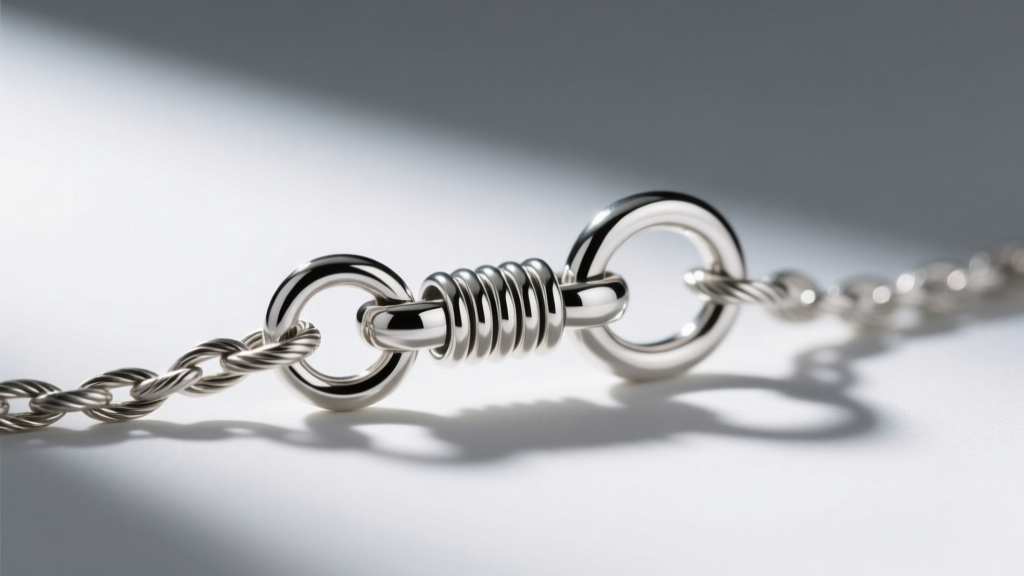
Chain Profiles for Cross Pendants
- Box Chain: Composed of square, interlocking links. This is the most durable option for a simple cross pendant because the geometric links distribute tension evenly and resist kinking.
- Cable Chain: The classic oval-link chain. It offers a traditional, delicate look but is more prone to catching on hair or clothing. Best for lightweight crosses (under 3 grams).
- Rope Chain: Twisted links that mimic a rope. While visually striking and highly reflective, the twisted grooves can trap skin oils and lotions, requiring more frequent cleaning.
Clasp Engineering: Lobster vs. Spring Ring
Always inspect the clasp. A lobster clasp is self-closing and features a robust internal spring mechanism, making it significantly more secure than a circular spring ring clasp, which often suffers from a misaligned or easily broken internal wire. Additionally, ensure the jump ring (the small circle the clasp hooks into) is soldered shut. An unsoldered jump ring will eventually pull apart, resulting in a lost pendant.
Cross Proportions and Bail Types
A common mistake beginners make is choosing a cross pendant that is disproportionate to their frame or the chain thickness. The visual weight of the piece relies heavily on exact millimeter dimensions.
- The Delicate Layering Cross (10mm x 15mm): Ideal for minimalist styling, collarbone-grazing 16-inch chains, and wearing underneath button-down shirts. It should be paired with a fine 1mm to 1.2mm chain.
- The Standard Everyday Cross (18mm x 25mm): The most versatile size. It provides enough presence to be worn as a standalone piece on an 18-inch or 20-inch chain but remains subtle enough for professional environments. Pair with a 1.5mm to 2mm chain.
- The Statement Cross (30mm+): Best reserved for thicker rope or curb chains and worn over t-shirts or sweaters.
Pay attention to the bail—the loop that connects the cross to the chain. A standard jump-ring bail is visible and adds a slight gap between the chain and the pendant. A hidden bail (drilled directly through the top of the cross) allows the pendant to slide directly onto the chain, creating a seamless, modern silhouette that is highly sought after in contemporary jewelry design.
The Art of Layering Your Silver Cross
In 2026, the single-pendant look is often elevated through strategic layering. The key to a successful necklace stack is the "Two-Inch Rule." To prevent tangling and ensure each piece is visible, there must be at least a two-inch difference in length between layered chains.
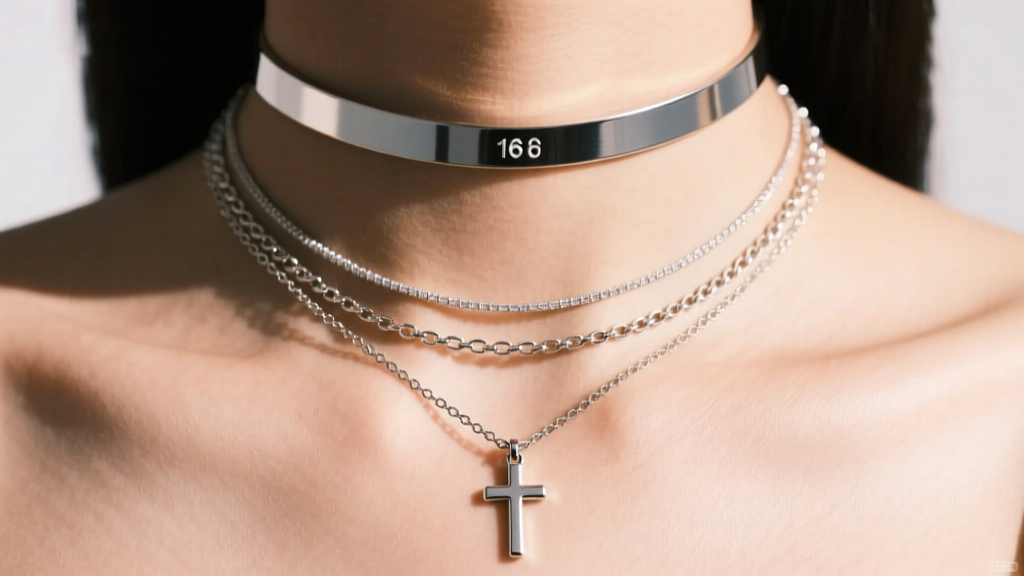
A Beginner-Friendly Layering Formula:
- Base Layer (16 inches): A simple silver herringbone or snake chain that sits flush against the base of the neck.
- Focal Layer (18 inches): Your simple silver cross necklace on a lightweight box chain. This draws the eye to the center of the chest.
- Anchor Layer (20+ inches): A longer, heavier chain, perhaps featuring a simple silver pendant or a small medallion, to ground the stack and create a V-shape that elongates the neck.
Maintenance, Tarnish Removal, and Storage
Tarnish is not a sign of fake silver; it is a natural chemical reaction between the copper alloy in sterling silver and hydrogen sulfide in the air. Proper maintenance ensures your simple silver cross necklace remains brilliant for decades.
"Never use commercial silver dips or liquid cleaners on oxidized or textured silver jewelry, as these harsh chemicals will strip away intentional detailing and can weaken the structural integrity of delicate chain links over time." - Jewelers of America
For routine cleaning, rely on a treated Sunshine polishing cloth. These cloths contain micro-abrasives and anti-tarnish agents that safely remove oxidation without scratching the silver. For heavy tarnish, use an electrochemical bath: line a glass bowl with aluminum foil (shiny side up), add hot water, a tablespoon of baking soda, and a pinch of salt. Submerge your silver necklace for 3 to 5 minutes. The chemical reaction transfers the sulfur from the silver to the aluminum foil, safely lifting the tarnish without removing any silver metal.
When not wearing your necklace, store it in an airtight ziplock bag with an anti-tarnish silica strip. Never store silver in humid environments like bathrooms, and always remove your necklace before swimming in chlorinated pools, as chlorine can cause irreversible pitting and permanent discoloration to sterling silver.
Final Thoughts on Your First Silver Cross
Investing in a simple silver cross necklace is about balancing metallurgy, mechanics, and personal style. By prioritizing solid .925 sterling or Argentium silver, selecting a durable box chain with a soldered lobster clasp, and choosing proportions that fit your wardrobe, you will secure a foundational piece of jewelry that transcends fleeting trends. Treat it with the proper care, and it will remain a staple in your collection for years to come.


