The Regina George Necklace: Technical Guide to Y2K Nameplates
Master the Y2K queen bee aesthetic. Our technical guide to the Regina George necklace covers metal grades, stone settings, and chain specs.

The Anatomy of the Iconic Y2K Nameplate
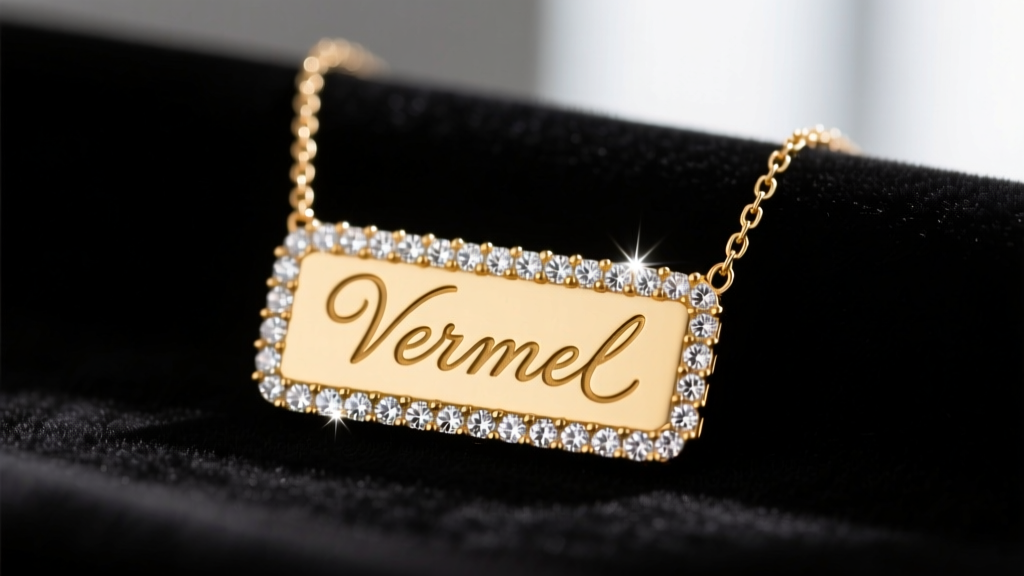
When dissecting the cultural resurgence of early 2000s fashion, few accessories command the immediate recognition of the quintessential cursive nameplate. Often colloquially referred to as the regina george necklace, this specific style of pavé-encrusted, script-font pendant represents the zenith of Y2K maximalist jewelry. As we navigate the mature phase of the Y2K revival in 2026, collectors, stylists, and jewelry enthusiasts are no longer satisfied with flimsy, glue-set rhinestones that tarnish within weeks. Today’s market demands structural integrity, precise stone setting, and high-grade metallurgy.
To truly replicate or invest in a piece that captures the authoritative "Queen Bee" aesthetic, one must look past the superficial sparkle and examine the technical specifications of the jewelry. From the tensile strength of the chain links to the micron-thickness of the gold plating, engineering a high-quality Y2K nameplate requires a deep understanding of jewelry manufacturing principles.
Base Metals & Plating Thickness
The foundation of any enduring nameplate pendant is its base metal. Fast-fashion replicas typically utilize cast brass or zinc alloys, which are prone to oxidation, structural warping, and skin discoloration. For a piece meant to last, the industry standard is 925 Sterling Silver. According to the Federal Trade Commission’s Guides for the Jewelry Industry, a piece can only be legally marketed and stamped as "vermeil" if it consists of a sterling silver base coated with gold of at least 10-karat fineness, with a minimum plating thickness of 2.5 microns.
- Flash Plating (0.1 - 0.5 microns): Found in sub-$30 replicas. The gold layer wears off within a month of daily friction, exposing the brass underneath to sulfur and moisture, leading to rapid tarnishing.
- Gold Vermeil (2.5+ microns): The sweet spot for mid-tier semi-fine jewelry ($80–$250). Provides years of wear if properly maintained, offering the rich, warm hue of 14k or 18k gold over a durable silver core.
- Solid 14k/18k Gold: Reserved for fine jewelry iterations ($800+). While immune to tarnish, solid gold is softer than silver, meaning the delicate cursive loops of the script are more susceptible to bending if caught on clothing.
Stone Settings: Pavé vs. Prong vs. Epoxy
The brilliance of the regina george necklace relies entirely on its stone coverage. Early 2000s mass-market versions relied heavily on industrial adhesives to glue glass rhinestones into metal channels. This method inevitably fails as the adhesive degrades from exposure to body heat, lotions, and perfumes.
Modern, high-quality Y2K nameplates utilize bead-set pavé or micro-prong settings. In a bead-set pavé configuration, tiny beads of metal are raised from the base silver or gold to secure the girdle of each Cubic Zirconia (CZ) or lab-grown diamond. According to the Gemological Institute of America (GIA), high-grade machine-cut CZ (often graded AAAAA) offers a Mohs hardness of 8.0 to 8.5, making it highly resistant to the micro-scratches that plague softer glass alternatives. For the ultimate luxury iteration, jewelers will set VS-clarity, F-G color lab-grown diamonds into the cursive script, utilizing a platinum or white gold prong tip to maximize light return without the yellow tint of gold reflecting through the stones.
Chain Specifications: Box vs. Rope
A heavy, pavé-encrusted cursive pendant requires a chain that offers both high tensile strength and optimal light reflection. The iconic Y2K look is almost exclusively paired with a Box Chain. Box chains are constructed from square links that are folded and interlocked, creating a smooth, flat surface that acts like a mirror, amplifying the sparkle of the pendant.
Choosing the correct millimeter width is critical. A chain that is too thin will snap under the weight of a multi-letter nameplate, while a chain that is too thick will visually overpower the delicate cursive script.
| Chain Type | Ideal Width | Tensile Strength (Sterling Silver) | Y2K Aesthetic Suitability |
|---|---|---|---|
| Box Chain | 1.5mm - 2.0mm | 4.0 - 6.0 lbs | Excellent. Flat links reflect light and prevent tangling in the script loops. |
| Rope Chain | 1.5mm - 2.5mm | 2.0 - 3.5 lbs | Poor. Twisted links catch on the sharp edges of cursive lettering and fray. |
| Curb Chain | 2.0mm - 3.0mm | 8.0 - 12.0 lbs | Moderate. Too masculine and heavy for the delicate "Queen Bee" nameplate look. |
The Importance of the Clasp Mechanism
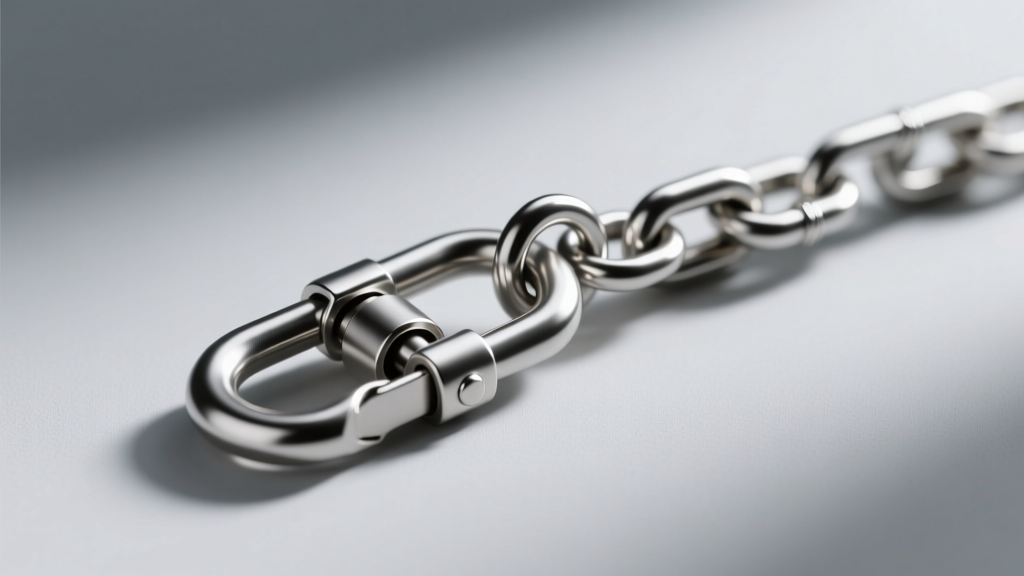
Do not underestimate the clasp. A standard 5mm spring-ring clasp is entirely inadequate for a 15-gram pavé nameplate. The internal spring mechanism in cheap spring rings frequently fails, leading to lost pendants. A technical upgrade to a 12mm or 14mm Lobster Clasp is mandatory. Furthermore, the jump ring connecting the clasp to the chain must be soldered shut. An unsoldered jump ring will easily warp and open when the heavy pendant swings forward, dropping the chain and the necklace down the wearer's shirt.

Sizing & Proportions for the Perfect Drop
The visual impact of a cursive nameplate relies heavily on its placement on the décolletage. The standard Y2K aesthetic demands that the pendant sits precisely at the collarbone or slightly below.
- 14 to 15 Inches (Choker/Collarbone): Ideal for shorter names (3-5 letters like "Regina" or "Cady"). This length keeps the pendant high and visible above most crewneck and scoop-neck tops.
- 16 to 18 Inches (Princess Length): The most versatile option. It allows the cursive script to rest in the hollow of the clavicle, providing enough slack so the rigid metal letters do not dig into the skin when the wearer looks down.
- The Extender Chain: Always opt for a necklace that includes a 2-inch extender chain. This not only allows for micro-adjustments based on the neckline of your outfit but also provides a small, dangling metal tag at the end, which is a hallmark of authentic mid-2000s jewelry design.
Maintenance & Tarnish Prevention
Maintaining the brilliance of a pavé nameplate requires specific care protocols. Because the surface area of the metal is largely covered by stones, dirt, sebum, and cosmetic residue easily accumulate in the micro-crevices between the prongs, dulling the overall sparkle.
Ultrasonic Cleaning Warnings
While ultrasonic cleaners are excellent for solid gold and diamond jewelry, they can be catastrophic for mid-tier Y2K nameplates. Many manufacturers use a tiny drop of clear epoxy resin beneath the pavé stones to add structural stability to the delicate metal script. The high-frequency vibrations of an ultrasonic cleaner can shatter this epoxy bond, causing dozens of CZ stones to fall out simultaneously. Instead, use a soft-bristled baby toothbrush dipped in a solution of warm water and a single drop of mild, phosphate-free dish soap. Gently agitate the bristles over the stones, rinse with distilled water, and dry immediately with a microfiber cloth to prevent water spots on the gold vermeil.
Pricing Tiers & Where to Invest
When sourcing the ultimate regina george necklace, your budget will dictate the metallurgy and stone quality you can expect. Here is a realistic breakdown of the 2026 market landscape:
- Tier 1: Fast Fashion & Costume ($20 - $60)
Constructed from brass with flash plating and glue-set glass rhinestones. Fun for a one-off costume party, but expect the gold to rub off and stones to cloud within 90 days of regular wear. - Tier 2: Semi-Fine Vermeil ($90 - $280)
The most recommended category. Features a 925 sterling silver base, 2.5-micron 14k gold vermeil, and bead-set AAAAA cubic zirconia. Brands in this tier often offer custom script fonts and soldered jump rings, ensuring longevity. - Tier 3: Fine Jewelry & Bespoke ($600 - $2,500+)
Crafted in solid 14k or 18k gold (yellow, white, or rose) featuring natural or lab-grown diamonds. These pieces are custom-cast based on your exact handwriting or font choice, utilizing micro-prong settings for maximum light refraction. They serve as permanent, heirloom-quality staples rather than fleeting trend pieces.
Ultimately, mastering this iconic aesthetic is about respecting the engineering behind the sparkle. By prioritizing vermeil thickness, secure stone settings, and structurally sound box chains, you ensure that your Y2K nameplate remains a dominant force in your jewelry rotation for years to come.


