How to Style a Knife Cross Necklace: Edgy Layering Guide
Master the art of styling a knife cross necklace. Learn step-by-step layering techniques, chain gauge matching, and metal care for edgy streetwear looks.

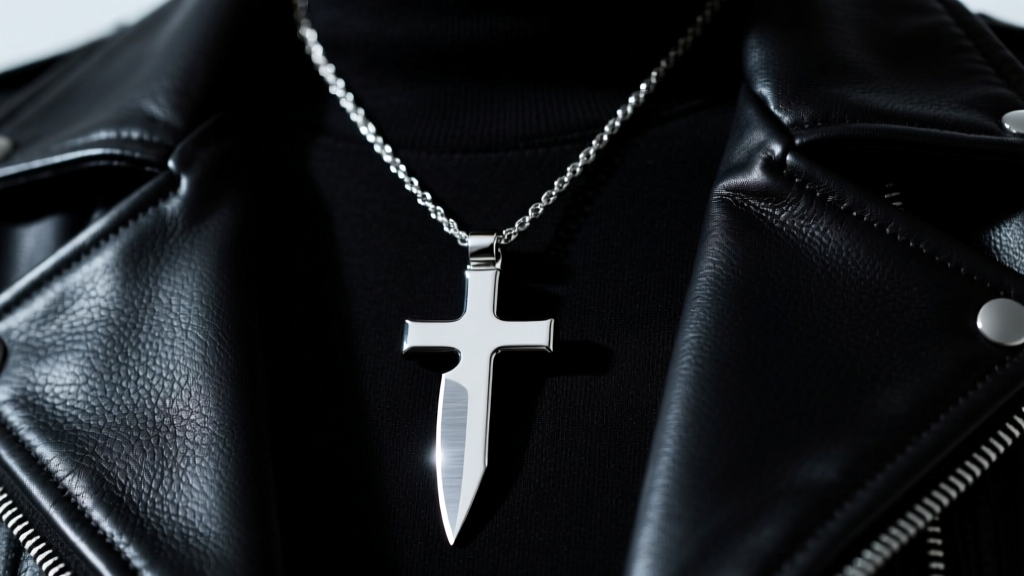
Introduction to the Knife Cross Aesthetic
The knife cross necklace—a striking hybrid of sacred geometry and weaponized edge—has transcended its gothic and punk subculture roots to become a staple in avant-garde streetwear and high-fashion styling. Whether inspired by the heavy, oxidized silverwork of heritage brands or the sleek, surgical-steel minimalism of modern indie jewelers, mastering this piece requires more than just throwing it over a t-shirt. It demands an understanding of weight distribution, metal grading, and proportional layering. In this comprehensive guide, we break down the exact steps to selecting, engineering, and styling a knife cross pendant for a flawless, intentional look.
Step 1: Decoding Metal Grades and Material Integrity
Before you layer, you must evaluate the pendant's core material. The knife cross motif relies heavily on sharp lines and deep engravings, which render differently depending on the metal alloy. Avoid cheap pot metals that will snap under the weight of their own chain. Here is a breakdown of the most common materials used for this specific pendant style:
| Material | Grade/Mark | Weight & Feel | Price Range | Maintenance Level |
|---|---|---|---|---|
| 316L Stainless Steel | Surgical Steel | Heavy, cool to touch | $40 - $120 | Low (Wipe clean) |
| Sterling Silver | .925 Stamp | Dense, premium | $150 - $600+ | High (Polish regularly) |
| Solid Brass | Unmarked/Stamped | Warm, substantial | $60 - $150 | Medium (Patina develops) |
| Zamak/Zinc Alloy | Pot Metal | Light, brittle | $10 - $30 | Replace when peeling |
For daily wear and street-style durability, 316L stainless steel is the undisputed champion. It resists sweat-induced tarnishing and holds the razor-sharp edges of the 'blade' motif without dulling. However, if you are collecting luxury avant-garde pieces, .925 sterling silver offers a superior, heirloom-quality weight. According to the London Assay Office, always look for the .925 hallmark to ensure your silver pendant is not merely silver-plated base metal, which will eventually chip and expose the brass underneath.
Step 2: Engineering the Perfect Chain and Bail Connection
The most common failure point in heavy statement jewelry is the chain-to-bail connection. A solid metal knife cross typically weighs between 25 and 50 grams. If you thread this through a delicate 2mm chain, the links will stretch, and the clasp will eventually fail.
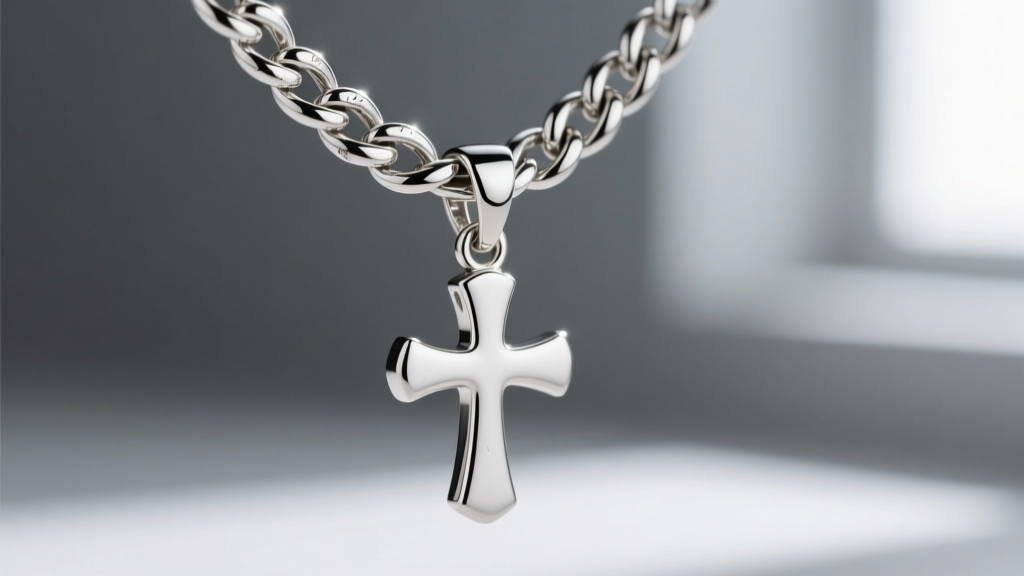
Choosing the Right Gauge and Style
- 3.5mm to 5mm Cuban Link: The ultimate pairing for a knife cross. The flat, interlocking links provide a wide surface area that distributes the pendant's weight evenly, preventing neck strain.
- 3mm Figaro Chain: Offers a vintage, slightly more ornate look that complements the gothic undertones of the cross-blade design.
- 4mm Rope Chain: Excellent for catching the light, but ensure the links are soldered. Unsoldered rope chains can easily pull apart under a 40-gram pendant.
The Clasp Rule
Never use a spring-ring clasp for a knife cross necklace. The internal spring mechanism is too weak for heavy pendants and will snap open if the chain catches on a jacket zipper. Always upgrade to a lobster clasp (minimum 12mm in size) or a box clasp with a safety latch for chains thicker than 4mm.
Step 3: The Step-by-Step Layering Framework
A knife cross necklace is inherently a statement piece, but it thrives when anchored by supporting chains. Use the 'Rule of Thirds' for necklace lengths to ensure the pendants do not tangle and the cross remains the focal point.
Layer 1: The Anchor Choker (16 to 18 inches)
Start with a minimalist, lightweight chain. A 2mm box chain or a simple black leather cord sitting right at the collarbone provides a baseline without competing for attention. This layer frames the face and sets the boundary for the cross.
Layer 2: The Statement Drop (20 to 22 inches)
This is where your knife cross lives. A 20-inch length places the crossblade right at the upper sternum, perfect for crewneck t-shirts and hoodies. If you are wearing an open button-down or a deep V-neck, opt for a 22-inch drop so the pendant rests against the skin rather than getting lost in fabric folds.
Layer 3: The Matinee Extender (26 to 28 inches) - Optional
For a maximalist, high-fashion streetwear look, add a long, thin (1.5mm) ball chain or a simple bead necklace that drops below the cross. This creates a cascading visual effect that draws the eye downward, elongating the torso.
Step 4: Wardrobe Integration and Neckline Pairing
The aggressive geometry of the knife cross requires specific wardrobe pairings to look intentional rather than costume-like.
Stylist Note: The knife cross bridges the gap between sacred iconography and rebellious edge. Contrast is your best tool. Pair the harsh, metallic lines of the pendant with soft, draped fabrics or structured, utilitarian outerwear.
- The Leather Moto Jacket: Wear the 20-inch knife cross over a plain white ribbed tank top, underneath an open black leather jacket. The silver or steel will pop against the white cotton, while the leather echoes the pendant's punk origins.
- The Oversized Hoodie: For a modern streetwear aesthetic, layer a 4mm Cuban chain with the cross pendant over a heavyweight, 400gsm cotton hoodie in charcoal or washed black. The thick fabric supports the heavy chain without pulling the collar.
- The Camp-Collar Shirt: In warmer months, wear an open, short-sleeve camp-collar shirt. Let the cross rest directly on the bare chest. The organic skin texture contrasts beautifully with the machined edges of the blade-cross motif.
Step 5: Maintenance, Patina, and Tarnish Control
Because the knife cross design features deep grooves, intersecting angles, and often intentional oxidation (blackened recesses to highlight the silver edges), cleaning requires a careful touch. You want to clean the high points without stripping the dark patina from the crevices.
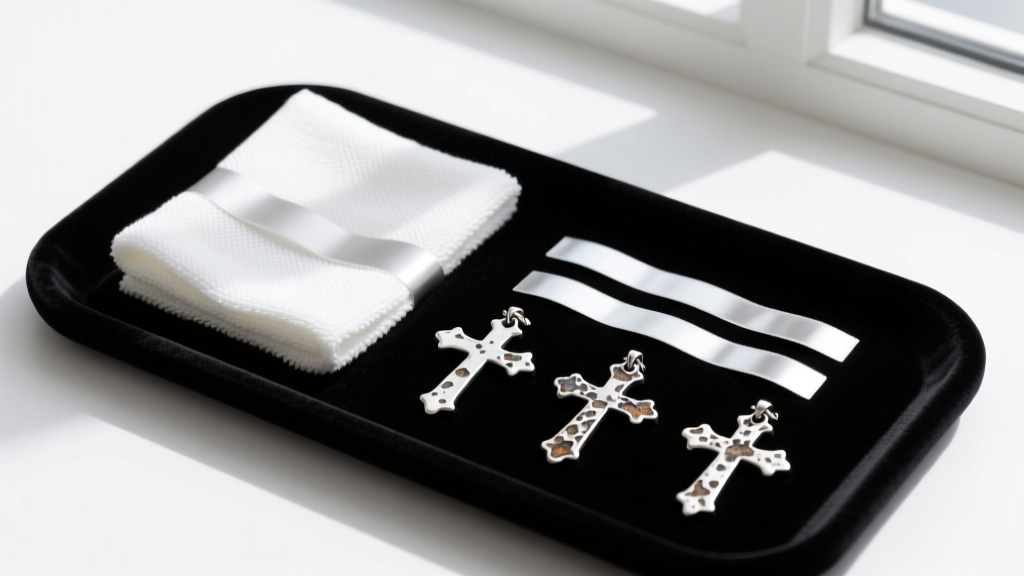
Cleaning Sterling Silver and Brass
Avoid liquid silver dips or ultrasonic cleaners. These harsh chemicals will strip the intentional black oxidation from the engraved lines of the cross, leaving the pendant looking flat and cheap. Instead, use a dry microfiber polishing cloth to gently buff only the raised, high-polish edges of the blade and crossbar. According to The Silver Institute, storing your silver pieces with anti-tarnish strips in an airtight bag is the most effective way to prevent sulfur-induced yellowing between wears.
Cleaning Stainless Steel
316L steel is virtually indestructible in daily wear. If it accumulates sweat, lotion, or environmental grime in the sharp inner corners of the cross, simply wash it with warm water and a drop of mild dish soap. Use a soft-bristled toothbrush to gently agitate the grooves, rinse thoroughly, and dry completely with a lint-free cloth before storing.
By carefully selecting your metal grade, engineering a heavy-duty chain connection, and applying proportional layering techniques, your knife cross necklace will evolve from a simple accessory into a cornerstone of your personal aesthetic.


