Constellation Necklaces: The Ultimate Material Guide
Compare the best metals and gemstones for constellation necklaces. Discover durability, pricing, and material properties for star-map jewelry in 2026.

The Anatomy of a Constellation Necklace
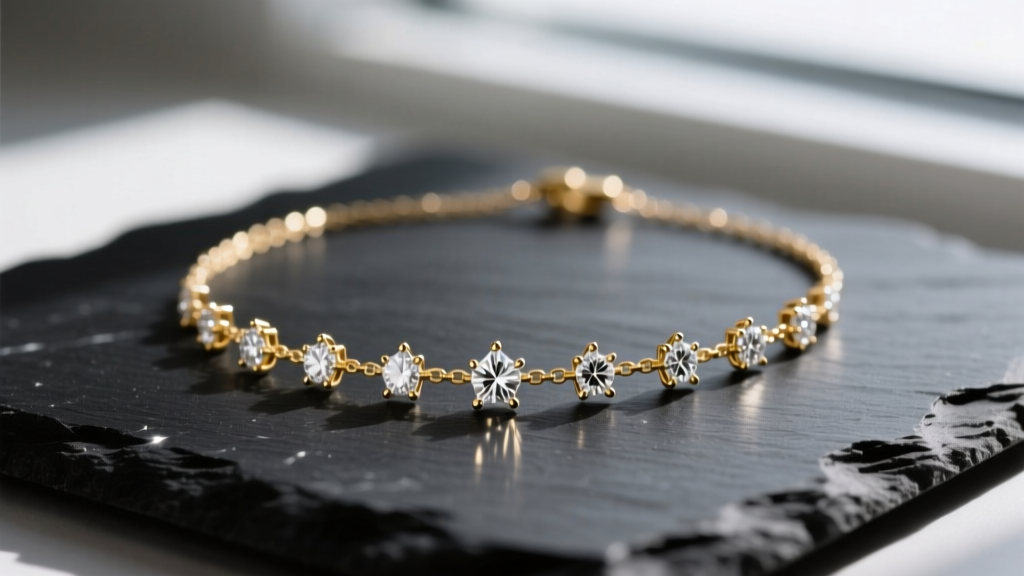
Constellation necklaces are a masterclass in precision jewelry design. Unlike standard pendants that rely on a single focal point, star-map necklaces depend on the exact spatial relationship between multiple tiny nodes—representing stars—connected by delicate chains or engraved onto solid discs. A deviation of even a single millimeter in node placement can distort a recognizable astrological sign or astronomical map. Because of this structural complexity, the materials chosen for both the base framework and the "stars" themselves dictate not just the aesthetic, but the physical longevity of the piece. In this comprehensive guide, we break down the metallurgical and gemological properties you must evaluate before investing in a constellation necklace.
Base Metal Comparison: Chain and Disc Materials
The base metal of a constellation necklace must balance tensile strength with malleability. The chains used to suspend star nodes are exceptionally delicate, often ranging from 0.8mm to 1.2mm in thickness. If the metal is too soft, the weight of the gemstone nodes will cause micro-stretching over time, warping the constellation's geometry.
Sterling Silver (925) vs. Gold Vermeil
Sterling silver (92.5% pure silver, 7.5% copper) is the most common entry-level material for constellation maps. However, the copper content makes it highly susceptible to sulfide tarnish, which can quickly darken the tiny crevices around prong settings. To combat this, many jewelers apply a rhodium flash. Gold vermeil takes this a step further, requiring a base of 925 silver plated with at least 2.5 microns of solid gold. While vermeil offers a luxurious look, the friction points at the clasp and jump rings will eventually wear through the gold layer, exposing the tarnish-prone silver beneath. For daily wear, vermeil constellation necklaces typically show significant degradation within 18 to 24 months.
Solid Gold (14K vs. 18K) and Platinum
For heirloom-quality star maps, solid gold is the industry standard. According to FTC jewelry guidelines, 14K gold contains 58.5% pure gold, alloyed with metals like zinc, nickel, or copper to increase hardness. This makes 14K gold exceptionally rigid, allowing jewelers to use ultra-fine 0.8mm box chains that resist kinking while supporting the weight of 5 to 12 gemstone nodes. 18K gold (75% pure gold) offers a richer, warmer hue but is noticeably softer. An 18K constellation necklace requires a slightly thicker chain (minimum 1.0mm) to prevent structural stretching. Platinum (950 grade) is incredibly dense and durable, but its heavy weight makes it unsuitable for delicate suspended chain maps; it is strictly reserved for solid disc constellation pendants where the stars are flush-set or engraved.
The "Stars": Gemstone Material Properties
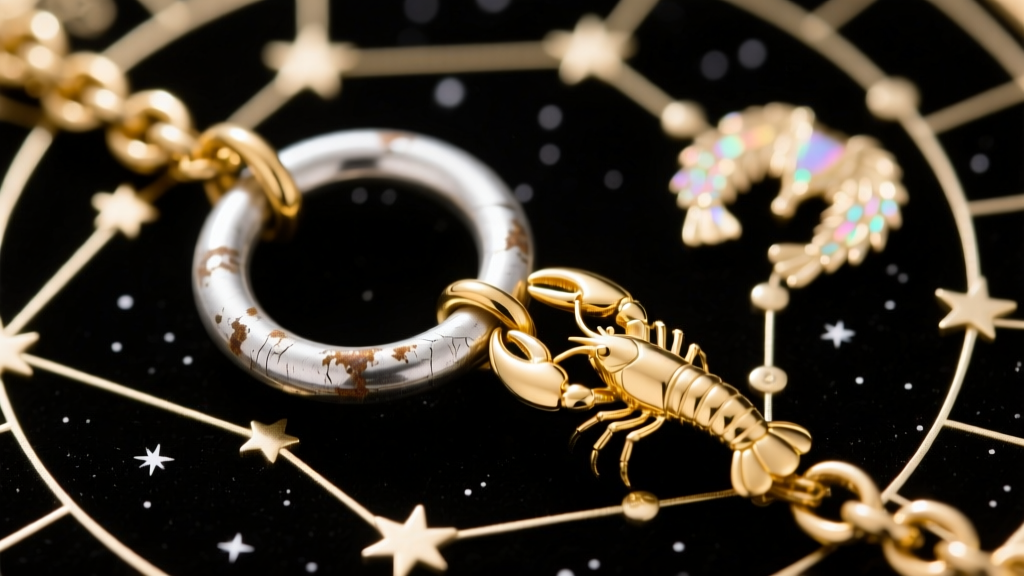
The gemstones used to represent stars in these necklaces are typically micro-pave or bezel-set, ranging from 1.0mm to 2.0mm in diameter (roughly 0.005 to 0.03 carats). At this microscopic scale, the optical properties and hardness of the stone are critical. According to the Gemological Institute of America (GIA), a stone's refractive index (RI) determines its brilliance, while its Mohs hardness dictates its resistance to daily abrasion.
| Gemstone Material | Mohs Hardness | Refractive Index (RI) | Dispersion (Fire) | Best Application |
|---|---|---|---|---|
| Natural Diamond | 10 | 2.42 | 0.044 | Heirloom nodes, daily wear |
| Moissanite | 9.25 | 2.65 | 0.104 | High-sparkle budget stars |
| White Sapphire | 9 | 1.77 | 0.018 | Subtle, understated maps |
| Cubic Zirconia (CZ) | 8 - 8.5 | 2.15 | 0.058 | Occasional wear only |
While moissanite boasts a higher refractive index and significantly more dispersion (fire) than diamond, its intense rainbow flashes can sometimes overwhelm the subtle, delicate nature of a constellation map. Diamonds provide a crisp, white brilliance that mimics actual starlight more accurately. Cubic Zirconia, while initially bright, is porous at a microscopic level. It absorbs skin oils and suffers from micro-scratches, causing the "stars" to look cloudy and dead within a year of daily wear.
Chain Gauge and Clasp Mechanics for Delicate Maps
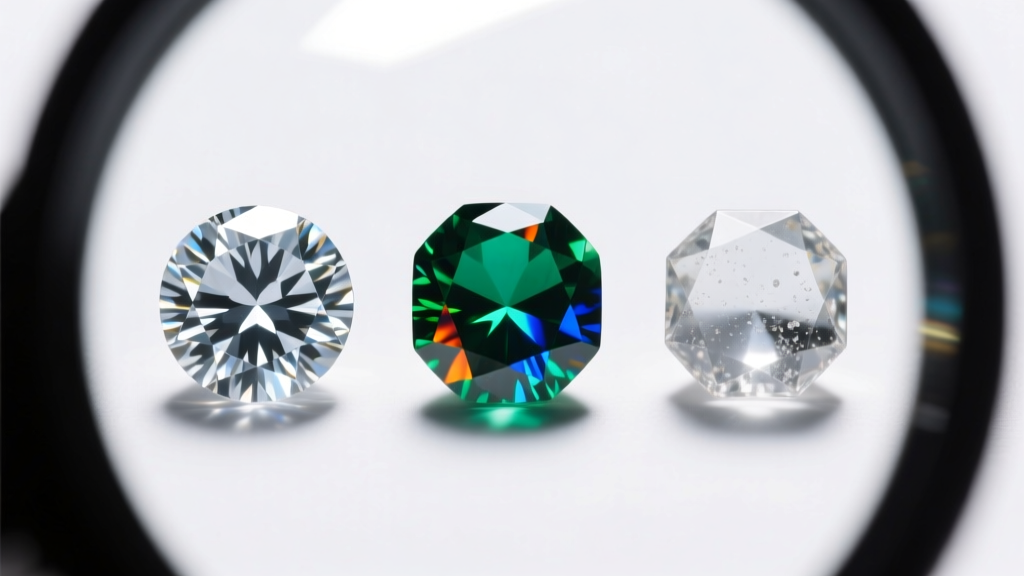
The structural integrity of a constellation necklace relies heavily on the chain profile and clasp mechanics. The two most common chain styles used are the cable chain and the box chain. Cable chains, while classic, consist of oval links that easily twist. When a cable chain twists, it alters the orientation of the suspended constellation nodes, ruining the visual map on the wearer's chest. Box chains, constructed from square, interlocking links, lay remarkably flat and resist torsion. A 0.9mm solid gold box chain offers the optimal balance of drape and structural rigidity.
Furthermore, the clasp must be proportionate to the chain. A standard 5mm spring ring clasp is often too weak for the tension created by a multi-node pendant. Upgrading to a 6mm or 8mm lobster clasp ensures the mechanism remains secure, while adding a 1mm silicone stopper bead behind the clasp prevents the delicate jump ring from slipping through the clasp loop during wear.
Care, Tarnish, and Longevity Framework
Maintaining the optical clarity of micro-gemstones and the integrity of fine chains requires a specific care protocol. Ultrasonic cleaners, while excellent for solid rings, can vibrate the tiny prongs of a constellation necklace loose, causing 1mm stones to fall out. Instead, use a soft-bristled baby toothbrush with a drop of mild dish soap and lukewarm water to gently agitate dirt from beneath the star settings.
Expert Metallurgical Tip: If you opt for a sterling silver constellation necklace, ensure it features a heavy rhodium plating. Rhodium is a platinum-group metal that is completely inert to oxygen and sulfur, effectively halting the tarnish process and keeping the silver chains looking like white gold for years.
Final Verdict: Choosing Your Material Tier
Selecting the right material combination for your constellation necklace depends entirely on your wear habits and budget. Here is a practical decision framework:
- The Investment Tier (14K/18K Solid Gold + Diamonds): Priced between $800 and $2,500+. Offers maximum tensile strength, zero tarnish risk, and heirloom durability. The crisp white sparkle of diamonds perfectly replicates a starry night sky.
- The Mid-Tier (14K Gold Vermeil + Moissanite): Priced between $150 and $400. Excellent for those who want high brilliance and a gold aesthetic on a budget, but requires removal before showering or swimming to preserve the 2.5-micron gold layer.
- The Fashion Tier (Rhodium-Plated 925 Silver + CZ): Priced under $100. Best reserved for occasional, evening wear. Expect to replace the piece every 12 to 18 months as the CZ stones inevitably cloud and the silver plating wears at the friction points.
By understanding the exact metallurgical and gemological properties of these materials, you can choose a constellation necklace that not only maps the stars but stands the test of time.


