Evaluating a Silver Necklace With Ring Pendant Value
Discover the true value of a silver necklace with ring pendants. Compare pricing tiers, sterling grades, and how to avoid overpaying.

The Anatomy of a Silver Necklace With Ring Designs
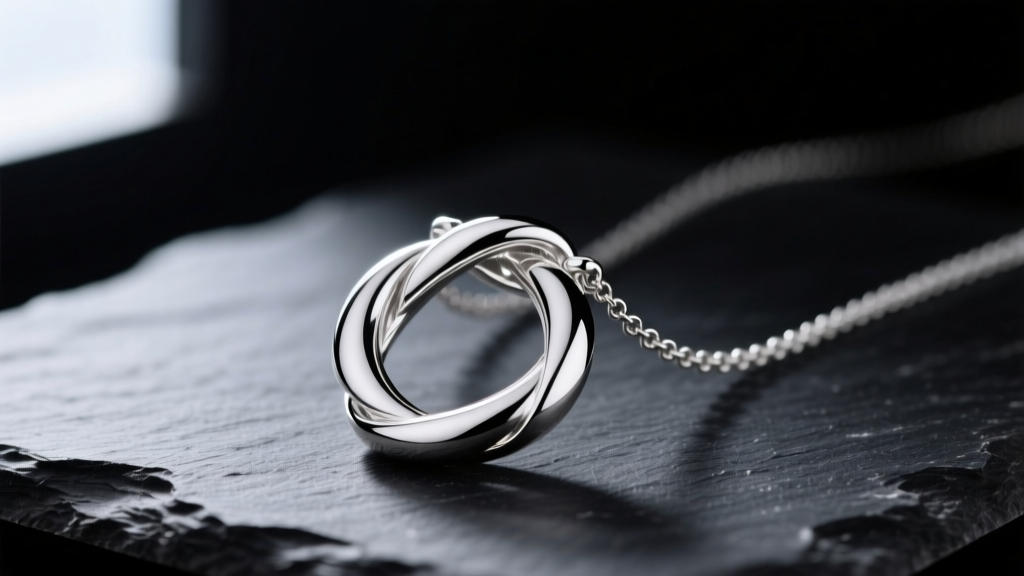
The circular ring pendant is a cornerstone of minimalist and symbolic jewelry. Whether it represents eternity, interlocking bonds, or simple geometric elegance, a silver necklace with ring motifs remains a perennial favorite. However, the market is heavily saturated with pieces that look identical in online thumbnails but vary wildly in intrinsic value, manufacturing quality, and longevity. As a buyer in 2026, understanding the difference between a $30 fast-fashion trinket and a $150 artisan-crafted piece requires looking past the brand name and examining the metallurgy, construction methods, and hardware mechanics.
When evaluating a silver necklace with ring pendants, the first step is to determine how the ring itself was manufactured. There are two primary methods: die-striking and casting. Die-stamped rings are created by forcing a sheet of silver into a mold under immense pressure. This results in a lightweight, often hollow piece that is inexpensive to produce but highly susceptible to denting and warping. Cast rings, on the other hand, are formed by pouring molten silver into a wax mold. A solid cast silver ring pendant will have a satisfying heft, typically weighing between 3 to 8 grams, and will withstand decades of daily wear without losing its structural integrity.
Material Grades: Sterling vs. Plated vs. Fine Silver
Not all silver is created equal. The Gemological Institute of America (GIA) outlines strict standards for silver classifications, and knowing these will prevent you from overpaying for inferior alloys. Fine silver (999) is too soft for ring pendants, as it will easily bend out of its perfect circular shape. Therefore, alloys are necessary.
| Silver Grade | Stamp | Composition | Tarnish Resistance | Value Tier |
|---|---|---|---|---|
| Sterling Silver | 925 | 92.5% Silver, 7.5% Copper | Moderate (Requires polishing) | Standard / Mid-Tier |
| Argentium Silver | 935 / 960 | Silver, Copper, Germanium | High (Slow to tarnish) | Premium |
| Fine Silver | 999 | 99.9% Pure Silver | Very High | High (But poor durability) |
| Silver Plated | EPNS / None | Brass or Copper core | Low (Wears off over time) | Budget / Low |
For the best balance of durability and value, 925 Sterling Silver is the industry standard. However, if you live in a humid climate or dislike polishing your jewelry, seeking out Argentium silver is a highly recommended upgrade. The addition of germanium creates a transparent, protective layer that drastically slows down the oxidation process that causes black tarnish.
Pricing Tiers: What Should You Actually Pay?
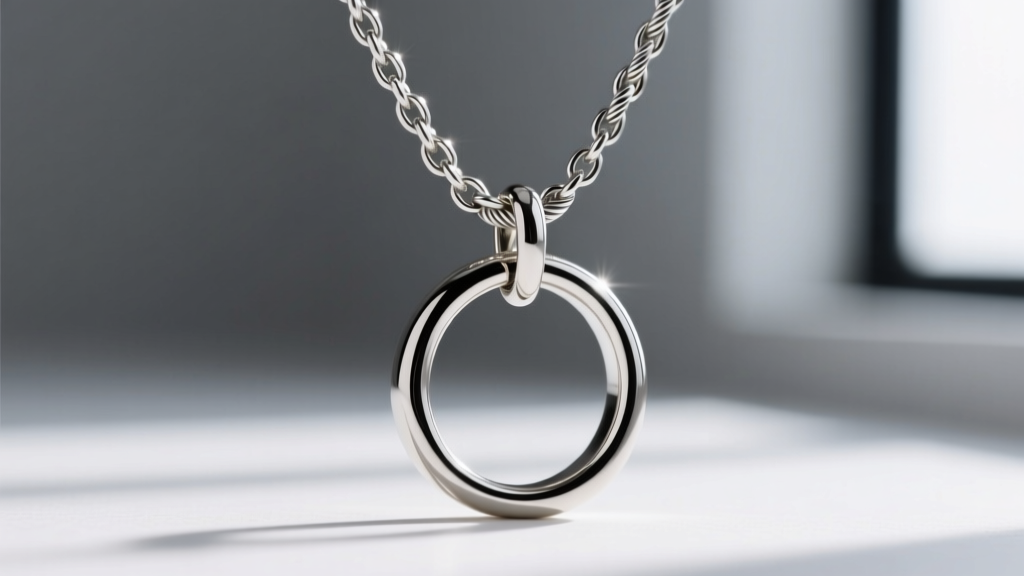
To accurately assess the budget and value of a silver necklace with ring pendants, we must break down the pricing tiers based on raw material costs, labor, and brand markup. With the spot price of silver fluctuating around $25 to $30 per troy ounce (approximately $0.80 to $1.00 per gram) in recent markets, the raw material cost of a 5-gram pendant is merely $5. The rest of the price tag reflects craftsmanship, overhead, and brand positioning.
Fast Fashion & Plated ($15 - $45)
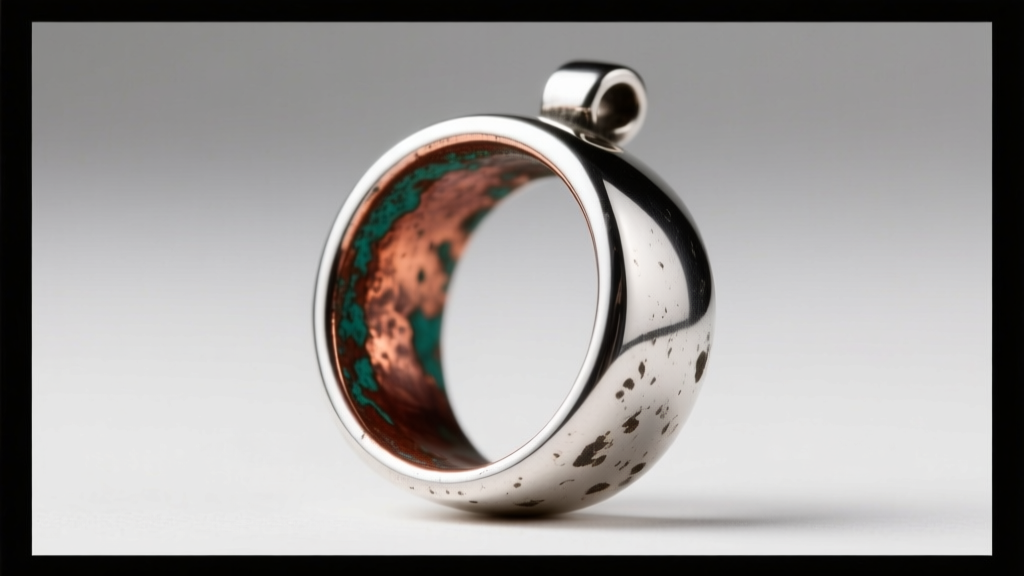
In this tier, you are almost exclusively looking at silver-plated brass or copper. The ring pendants are often hollow and lightweight. The primary failure mode here is the plating wearing off the high-friction edges of the ring within six to twelve months, exposing the base metal which can turn your skin green. These pieces offer high trendiness but zero long-term value.
Mid-Tier Solid Sterling ($60 - $180)
This is the sweet spot for value. Brands in this space use solid 925 sterling silver with decent finishing. The rings are usually cast or heavily struck, weighing 4 to 7 grams. You are paying for quality control, secure soldering on the jump rings, and reliable packaging. Pieces in this range will last a lifetime if properly maintained.
Designer & Artisan ($250 - $800+)
At the luxury end, you are paying for the designer's intellectual property, exclusive textures (like hand-hammered or diamond-cut finishes), and potentially mixed metals or pave diamonds set into the silver ring. While beautiful, the intrinsic material value does not scale linearly with the price. You are buying art and status, not just silver.
Chain Gauge and Clasp Mechanics: The Hidden Costs
A common mistake buyers make is focusing entirely on the ring pendant while ignoring the chain. A heavy, solid silver ring pendant requires a chain with adequate tensile strength. If a retailer pairs a heavy 8-gram cast ring pendant with a delicate 0.9mm thread chain, the chain will inevitably snap under the pendulum-like stress of daily movement.
- 0.8mm - 1.0mm Chains: Suitable only for lightweight, hollow, or die-stamped ring pendants under 2 grams.
- 1.2mm - 1.5mm Chains: The ideal standard for most solid sterling silver ring pendants (3 to 6 grams). Cable, rolo, or box chains in this gauge offer excellent drape and strength.
- 2.0mm+ Chains: Required for oversized, heavy signet-style ring pendants or interlocking multi-ring designs weighing over 10 grams.
Furthermore, inspect the clasp. Spring ring clasps are cheap and notoriously fail when subjected to the lateral pull of a heavy ring pendant. A true value-oriented silver necklace will feature a lobster clasp or a secure bolt ring, which utilizes a stronger internal spring mechanism and a more robust locking gate.
How to Spot Overpriced "Silver" Ring Necklaces
The Federal Trade Commission (FTC) Jewelry Guides strictly regulate how precious metals can be marketed, yet misleading terminology still slips through in online marketplaces. Protect your budget by watching for these red flags:
- The "925" Stamp on Plated Items: Unscrupulous manufacturers sometimes stamp "925" on silver-plated items. If the price is under $30 and the piece feels unusually light, trust the scale, not the stamp.
- Open Jump Rings: Look closely at the small ring connecting the pendant to the chain. If there is a visible gap (an open jump ring) rather than a seamless, soldered loop, the ring pendant will eventually slide off and be lost. High-value pieces always use laser-welded or soldered jump rings.
- Vague Terminology: Terms like "Tibetan Silver," "Nickel Silver," or "Alpaca Silver" contain absolutely zero actual silver. They are copper-nickel-zinc alloys. Always look for the explicit "Sterling" or "925" designation.
Final Verdict: Maximizing Your Investment
Ultimately, the true value of a silver necklace with ring motifs lies in the intersection of solid metallurgy and robust hardware. By prioritizing solid 925 or Argentium silver, verifying the gram weight to ensure a solid cast rather than a hollow stamp, and demanding a chain gauge that matches the pendant's weight, you can secure a piece that offers lifelong durability. Avoid the trap of paying luxury markups for basic cast rings, but equally avoid the false economy of silver-plated fast fashion. A well-crafted mid-tier sterling silver ring necklace remains one of the most reliable, cost-per-wear investments in modern jewelry.


