How Much Is A Gold Necklace Worth? 2026 Value Guide
Discover how much a gold necklace is worth in 2026. Learn to calculate melt value vs. retail price using karat purity, weight, and market gold rates.

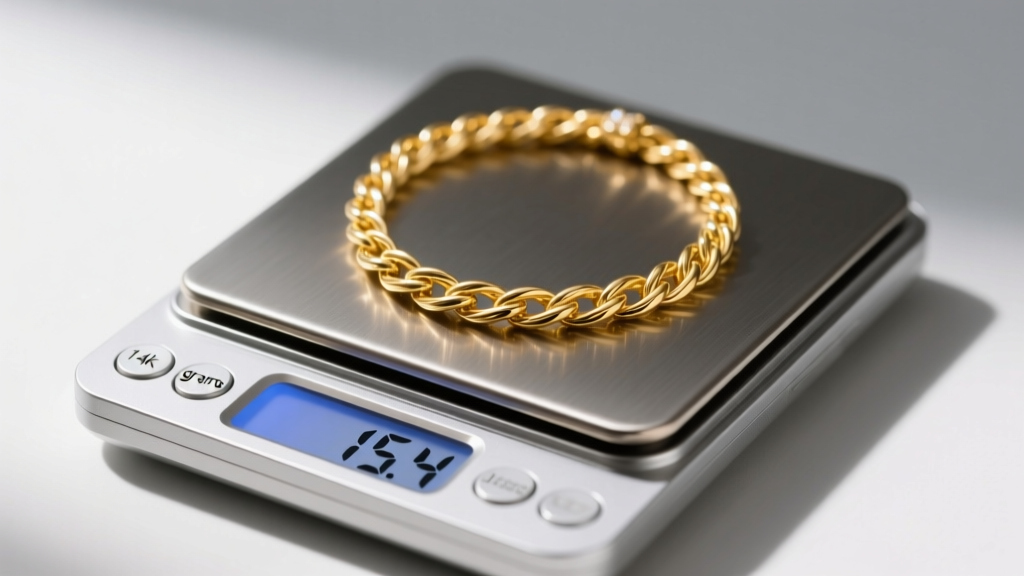
The Core Equation: Melt Value vs. Retail Premium
When consumers ask, "how much is a gold necklace worth?", the answer is rarely a single number. The true value of a gold necklace is dictated by a dual-market system: its intrinsic metallurgical melt value and its extrinsic retail or artistic premium. In 2026, with global gold markets experiencing sustained volatility and spot prices hovering near historic highs, understanding the distinction between scrap value and retail value is critical for both buyers and sellers.
At its most basic level, a plain, machine-made gold chain is valued primarily for its raw material. This is known as the "melt value." However, a necklace crafted by a luxury maison or featuring intricate artisanal metalwork carries a "retail premium" that can eclipse the value of the gold itself by 300% to 1000%. To accurately appraise your jewelry, you must first strip away the brand name and evaluate the physical properties of the metal.
Decoding Karat Purity: 10K, 14K, 18K, and 24K
Gold in its purest form (24 karat) is exceptionally dense, highly resistant to tarnish, and distinctly orange-yellow. However, pure gold is too malleable for everyday jewelry; a 24K chain would stretch and snap under the weight of a simple pendant. To create durable necklaces, gold is alloyed with metals like copper, silver, zinc, and palladium. The karat system measures the ratio of pure gold to these alloy metals.
According to the Gemological Institute of America (GIA), the karat stamp is the single most important factor in determining your necklace's baseline worth. Below is a breakdown of standard necklace purities and their material properties:
| Karat | Fineness Stamp | Pure Gold % | Common Alloy Metals | Durability & Use Case |
|---|---|---|---|---|
| 24K | 999 | 99.9% | None | Very soft; investment chains, cultural bridal jewelry |
| 22K | 916 | 91.6% | Copper, Silver | Soft; traditional Indian and Middle Eastern necklaces |
| 18K | 750 | 75.0% | Palladium, Copper, Zinc | High-end luxury; rich color, moderate scratch resistance |
| 14K | 583 / 585 | 58.3% | Silver, Copper, Nickel | Industry standard; excellent durability for daily wear |
| 10K | 417 | 41.7% | High copper/silver mix | Budget-friendly; highly durable, prone to tarnishing |
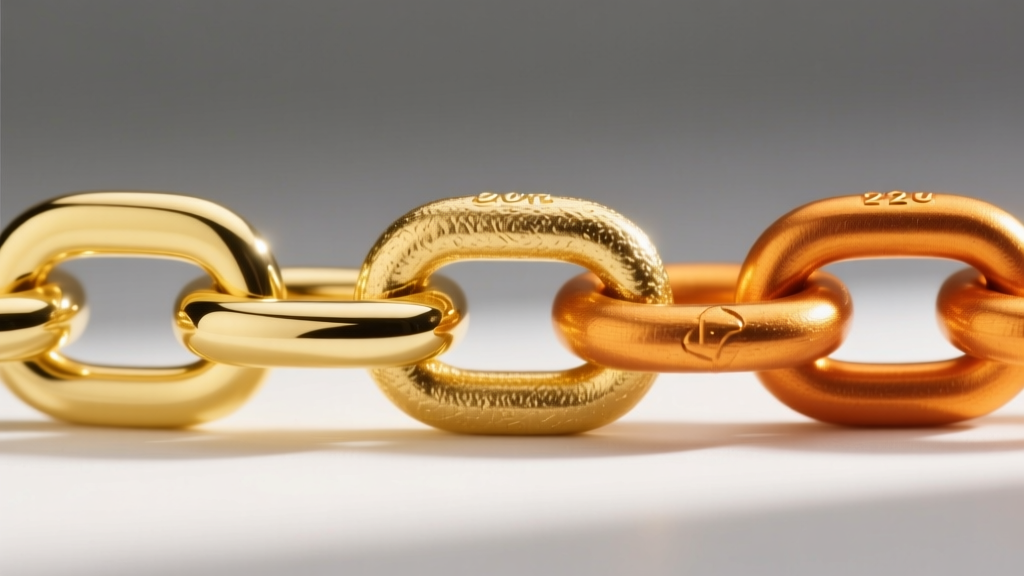
Notice that 14K and 18K are the dominant forces in the Western jewelry market. A 14K gold necklace contains 58.3% pure gold. If you have a 20-gram 14K chain, it contains exactly 11.66 grams of pure gold. The remaining 8.34 grams are base metals, which hold negligible scrap value in the context of precious metal refining.
Step-by-Step Calculation: Weighing and Pricing
To determine the exact melt value of your necklace, you need a precise digital jeweler's scale calibrated to grams or pennyweights (dwt), and the current daily spot price of gold. As of early 2026, market benchmarks tracked by platforms like Kitco show gold trading at premium rates, making accurate math more lucrative than ever.
The 2026 Melt Value Formula
Follow this exact formula to calculate the intrinsic worth of your gold necklace:
- Find the Spot Price per Gram: Divide the current troy ounce spot price by 31.103 (the number of grams in a troy ounce). For example, if gold is $2,350/oz, the price per gram of 24K gold is $75.55.
- Multiply by Purity: Multiply the 24K gram price by your necklace's karat percentage. For 14K, multiply $75.55 by 0.583, which equals $44.04 per gram of 14K gold.
- Multiply by Total Weight: If your necklace weighs 18.5 grams, multiply 18.5 by $44.04. Your baseline melt value is $814.74.
Expert Insight: Never use standard kitchen scales or avoirdupois ounces to weigh gold. Precious metals are measured in troy ounces. A standard ounce is 28.34 grams, while a troy ounce is 31.1 grams. Using the wrong metric will result in a 10% valuation error, heavily favoring the buyer over the seller.
Craftsmanship, Brand, and Antique Multipliers
If your calculation yields a melt value of $800, does that mean you should sell it for $800? Not necessarily. The question of how much a gold necklace is worth shifts dramatically when craftsmanship enters the equation.
Machine-made chains (like standard box, curb, or cable chains) are mass-produced and carry almost zero artisan premium. They are bought and sold strictly on weight. However, specific categories command massive multipliers:
- Designer & Heritage Brands: A 14K gold chain from Tiffany & Co., Cartier, or Bulgari will retain 40% to 70% of its original retail price on the secondary market, provided it includes the original box, certificates, and hallmarks.
- Antique & Vintage Eras: Necklaces from the Art Deco (1920s-1930s) or Retro (1940s) periods feature hand-forged links and unique metallurgical techniques that cannot be easily replicated today. Collectors pay for the historical provenance, not just the gold content.
- Hand-Fabricated Artisan Work: Intricate techniques like hand-engraving, granulation, or Florentine finishing add immense labor value. Melting such a piece destroys its artistic integrity, effectively erasing its true market worth.
Hallmark Verification and Common Scams
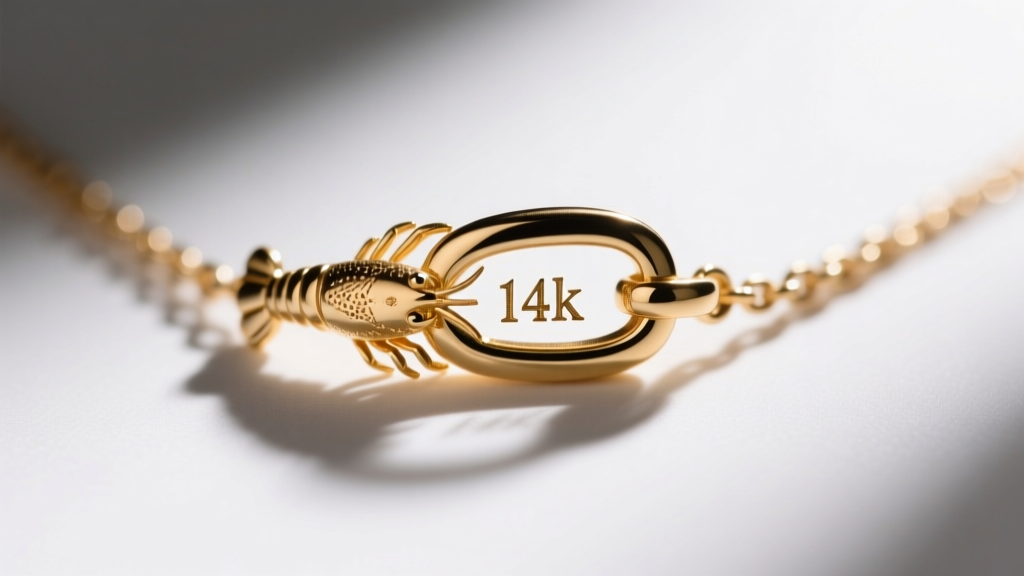
Before any reputable buyer will make an offer, they must verify the necklace's authenticity. The Federal Trade Commission (FTC) strictly regulates jewelry hallmarking in the United States, requiring that any piece stamped with a karat mark must also bear a registered trademark of the manufacturer.
However, counterfeit hallmarks are rampant in the secondary market. Professional jewelers rely on two primary testing methods to verify your necklace:
- XRF Spectrometry: X-ray Fluorescence (XRF) machines shoot harmless X-rays into the metal and measure the energy bounced back. This provides a non-destructive, exact elemental breakdown (e.g., 58.4% Gold, 24% Silver, 17.6% Copper) in seconds. This is the gold standard for 2026 appraisals.
- The Acid Scratch Test: A traditional method where the gold is rubbed on a touchstone and treated with nitric acid of varying strengths. While effective, it is mildly destructive and leaves microscopic scratches on the clasp or links.
Warning: The popular "magnet test" is deeply flawed. While pure gold is diamagnetic and will not stick to a magnet, many base metals used in counterfeit chains (like copper, brass, and certain aluminum alloys) are also non-magnetic. A necklace passing the magnet test is not guaranteed to be real gold.
Selling vs. Pawning: Maximizing Your Return
Once you know exactly how much your gold necklace is worth on paper, your final payout depends entirely on the liquidation channel you choose. Different buyers have vastly different overhead costs, which dictates the percentage of melt value they are willing to pay.
| Liquidation Channel | Average Payout (% of Melt) | Pros & Cons |
|---|---|---|
| Local Pawn Shops | 55% - 70% | Immediate cash, but high retail overhead forces them to lowball offers. |
| Local Coin & Bullion Dealers | 80% - 90% | Better scales and XRF tech; fair market offers based on daily spot. |
| Online Precious Metal Refiners | 90% - 98% | Highest melt payouts, but requires insured shipping and a waiting period. |
| Private Sale (eBay, Chrono24) | 110% - 300%+ | Best for designer or antique pieces; high risk of fraud and buyer returns. |
In summary, answering "how much is a gold necklace worth" requires a methodical approach. Identify the karat purity, weigh the piece in grams, apply the current 2026 spot price formula, and adjust for brand or historical premiums. By understanding the metallurgical science and market economics behind your jewelry, you transition from a vulnerable seller to an informed negotiator.


