Necklace Chain Snake Styles: The Ultimate Buying Guide
Discover how to choose the perfect snake necklace chain. Learn about gauge sizes, kink prevention, material grades, and pendant pairing in our guide.

The sleek, liquid-metal aesthetic of a snake chain is unlike any other jewelry silhouette. When evaluating a necklace chain, snake styles require a completely different approach than standard cable, curb, or rope links. Their seamless, tubular appearance offers a modern, sophisticated drape that catches the light beautifully, making them a staple in both minimalist and high-end jewelry collections. However, this unique construction also introduces specific structural vulnerabilities that every buyer must understand before making a purchase.
This comprehensive buying guide dives deep into the metallurgy, mechanics, and maintenance of snake chains. Whether you are looking for a delicate 0.8mm silver chain for a lightweight pendant or a heavy 3.0mm gold statement piece, understanding the nuances of gauge, material hardness, and clasp soldering will save you from costly mistakes and irreversible damage.
The Anatomy of a Snake Chain: How It Is Made
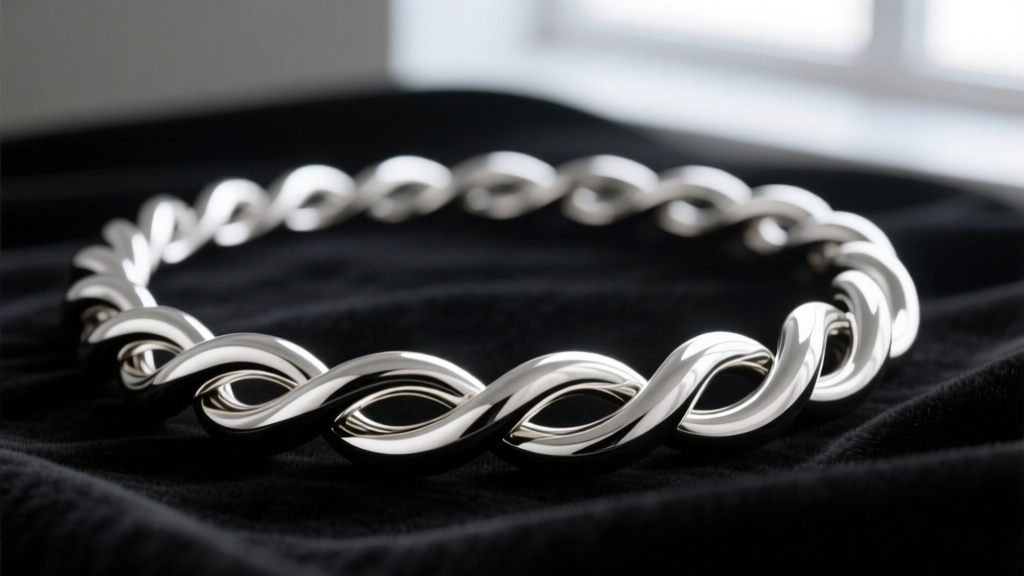
To understand how to buy and care for a snake chain, you must first understand its manufacturing process. Unlike traditional chains that rely on interlocking oval or round jump rings, a snake chain is constructed from a series of slightly wavy, tightly packed metal rings or bands. These bands are compressed together so tightly that the seams become virtually invisible to the naked eye, creating a continuous, flexible metal tube.
Because the structural integrity of the chain relies entirely on the friction and compression of these tightly wound bands, the chain behaves more like a solid wire than a series of links. This is what gives the snake chain its signature fluid drape and smooth surface. However, this compressed tubular structure is also the root cause of its most notorious flaw: kinking.
The Kink Factor: Understanding Structural Vulnerabilities
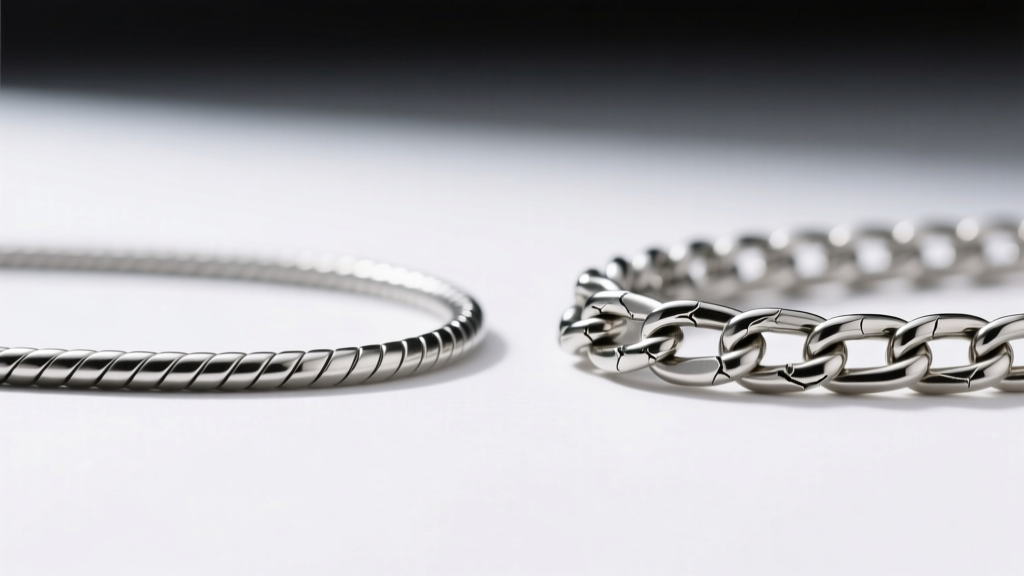
The most critical factor to consider when purchasing a snake chain is its susceptibility to kinking. Because the metal rings are packed flush against one another, the chain has a strict bending radius. If the chain is folded sharply, bent backward, or crushed under pressure (such as sleeping on it), the microscopic rings crush into each other.
Once a snake chain kinks, the structural damage is almost always permanent. Attempting to bend the kink back into place will only weaken the surrounding links, eventually causing the chain to snap. According to metallurgical guidelines from the Gemological Institute of America (GIA), the work-hardening effect that occurs when precious metals are sharply bent makes reversing a kink impossible without breaking the chain's continuous tension.
Golden Rules for Kink Prevention
- Never sleep in a snake chain. The tossing and turning of sleep creates acute angles that will instantly crush the links.
- Store it properly. Always hang the chain vertically or store it coiled in a wide, gentle circle. Never fold it or toss it loosely into a jewelry box where it can be crushed by heavier items.
- Put it on last. When dressing, put your snake chain on after pulling sweaters or tight shirts over your head to prevent the fabric from catching and pulling the chain into a sharp V-shape.
Gauge and Thickness: The Millimeter Decision Matrix
Snake chains are measured in millimeters (mm) rather than traditional wire gauges. The thickness you choose dictates not only the visual weight of the piece but also its durability and pendant-holding capacity. Thinner chains are highly flexible but extremely fragile, while thicker chains are durable but significantly stiffer.
| Thickness (mm) | Durability & Kink Risk | Max Pendant Weight | Best Use Case |
|---|---|---|---|
| 0.8mm - 1.0mm | Low durability / High kink risk | Under 3 grams | Bare wear or ultra-lightweight, delicate pendants. |
| 1.2mm - 1.5mm | Medium durability / Moderate risk | Up to 10 grams | Everyday wear with standard gemstone or metal pendants. |
| 1.8mm - 2.5mm | High durability / Low kink risk | Up to 25 grams | Standalone statement pieces or heavy, oversized pendants. |
| 3.0mm and above | Very high durability / Very stiff | N/A (Too stiff for bails) | Collar-style necklaces, worn alone without pendants. |
For most buyers seeking a versatile, everyday necklace chain, the 1.2mm to 1.5mm range offers the optimal balance between fluid drape and structural resilience. If you plan to wear the chain bare, a 2.0mm thickness provides a luxurious, substantial feel that resists daily wear-and-tear.
Material Grades: Silver, Gold, and Steel
The metal you choose profoundly impacts how the snake chain behaves over time. Different alloys possess varying levels of Vickers hardness, which directly correlates to kink resistance and tarnish management.
Sterling Silver (925)
Sterling silver is the most popular and affordable choice for snake chains. However, silver is relatively soft and prone to kinking in thinner gauges. Furthermore, the microscopic grooves between the compressed rings can trap oils and sulfur, leading to deep tarnish that is difficult to polish out. When buying a silver snake chain, always look for pieces that have been plated with a thick layer of rhodium. This not only prevents tarnishing but also adds a microscopic layer of hardness to the surface.
Gold (14k vs. 18k)
When it comes to gold snake chains, 14k is vastly superior to 18k for structural integrity. 18k gold contains 75% pure gold, making it softer and much more likely to kink or stretch under the weight of a pendant. 14k gold, alloyed with stronger metals like copper and zinc, offers the necessary rigidity to maintain the tubular shape. If you are investing in a solid gold snake chain, 14k is the pragmatic choice for longevity.
Stainless Steel
Stainless steel snake chains are virtually kink-proof and highly affordable. The extreme hardness of surgical-grade steel means the chain will retain its shape even under stress. The trade-off is flexibility; steel snake chains do not drape as fluidly as precious metals and can feel somewhat rigid or 'springy' around the neck. They are best suited for thicker, standalone collar styles rather than delicate pendant carriers.
Pendant Pairing: Solving the Bail Problem
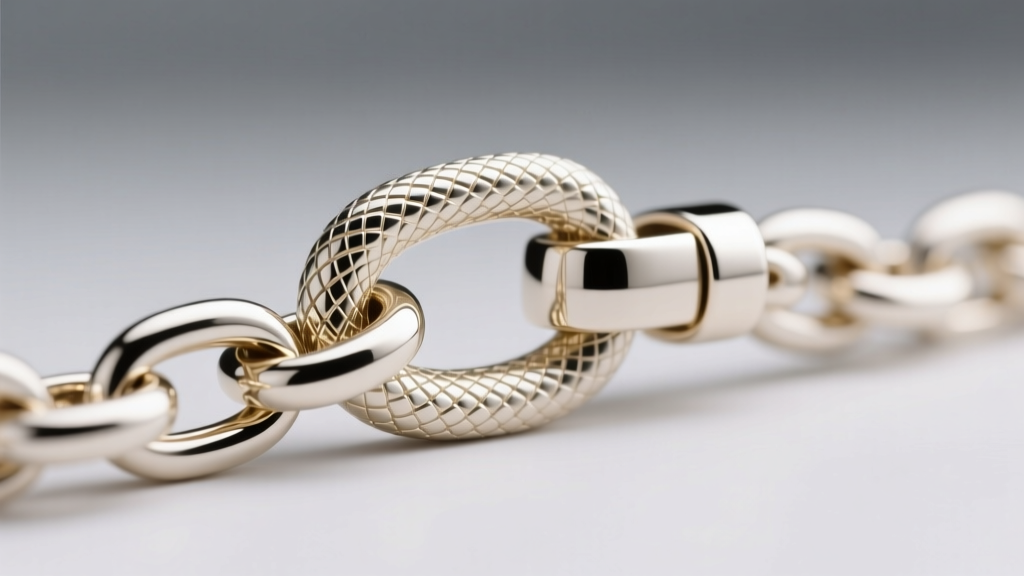
One of the most common frustrations buyers face after purchasing a snake chain is realizing their favorite pendant does not fit. Because a snake chain is essentially a solid tube, it does not bend sharply at the ends. Standard jump rings and small pendant bails often cannot slide over the thickness of the chain, especially near the soldered end caps.
When shopping for pendants to pair with a snake chain, you must look for specific bail styles:
- European Slider Bails: These feature a wide, open channel that allows the thick, stiff end of a snake chain to slide through easily before the pendant rests on the flexible center of the chain.
- Oversized Tube Bails: Ensure the inner diameter of the bail is at least 0.5mm larger than the thickness of your chain. For a 1.5mm chain, you need a bail with a minimum 2.0mm inner opening.
- Friction Warning: Avoid pairing snake chains with porous gemstones (like pearls or opals) on sliding bails. The smooth but firm surface of the metal tube can act like a file, slowly wearing down softer gemstone beads over time.
Cleaning Protocols: What to Avoid
Maintaining the liquid-metal shine of a snake chain requires specific cleaning protocols. Dirt, lotion, and dead skin cells easily become trapped in the microscopic seams between the metal rings. According to care guidelines from Jewelers of America, improper cleaning can permanently ruin the finish of delicate chains.
Never use an ultrasonic cleaner on a rhodium-plated sterling silver snake chain. The high-frequency vibrations can strip the rhodium plating away and loosen the solder at the end caps. Instead, use a soft baby toothbrush, warm water, and a drop of mild, phosphate-free dish soap. Gently brush along the grain of the chain (lengthwise) rather than scrubbing in circles, which can force debris deeper into the seams. Rinse thoroughly and pat dry with a lint-free microfiber cloth before storing.
By understanding the unique mechanics, gauge requirements, and care protocols of snake chains, you can confidently select a piece that offers years of sleek, uninterrupted elegance. Choose your thickness wisely, respect the bending radius, and your snake chain will remain a flawless, fluid staple in your jewelry collection.


