Amrita Singh Necklace Buying Guide: What to Look For
Discover our expert Amrita Singh necklace buying guide. Learn to authenticate vintage pieces, evaluate enamel work, and understand market pricing.

The Legacy and Appeal of Amrita Singh Necklaces
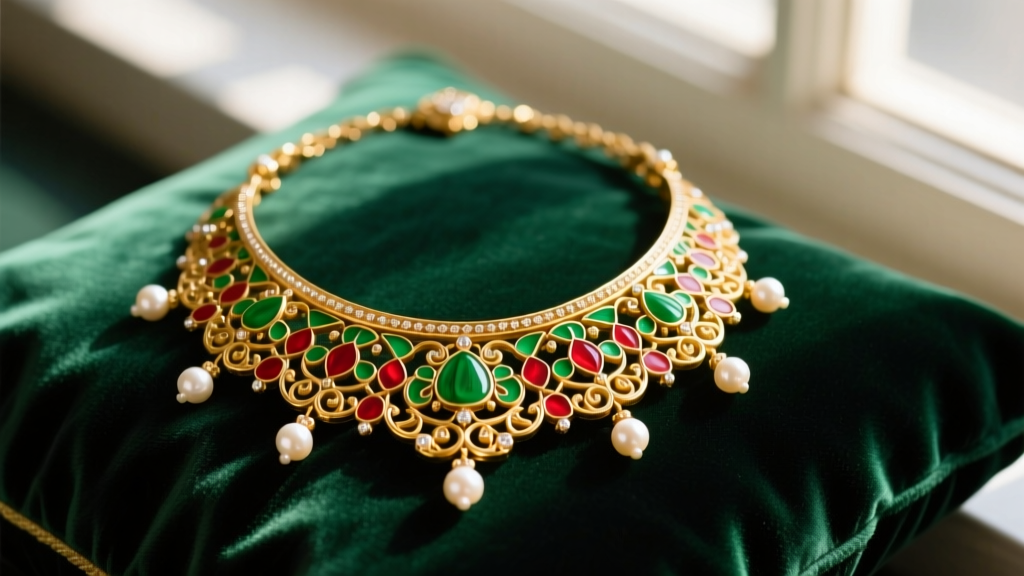
When Amrita Singh launched her eponymous jewelry line in 1983, she fundamentally shifted the landscape of American fashion jewelry. By fusing traditional Mughal-inspired Indian motifs—such as Kundan, Polki, and Meenakari enamel work—with the bold, maximalist silhouettes of 1980s New York power dressing, she created a category entirely her own. Today, an Amrita Singh necklace is not just a striking accessory; it is a highly collectible piece of fashion history. Whether you are hunting for a vintage 1980s bib necklace or evaluating a contemporary resin pendant, understanding the brand's material evolution, authentication markers, and market value is critical for any serious buyer.
Vintage (1980s–1990s) vs. Contemporary Collections
The most crucial decision you will make when buying an Amrita Singh necklace is choosing between the vintage 'golden era' pieces and the brand's modern iterations. The construction, materials, and collector value differ vastly between the two.
The Vintage Era (1983–Late 1990s)
Vintage Amrita Singh pieces are renowned for their substantial weight and opulent detailing. These necklaces were typically cast in solid brass and finished with a remarkably thick layer of 22-karat gold electroplating. The brand utilized high-grade cold enamel (epoxy resin) to mimic traditional Indian Meenakari work, allowing for vibrant, opaque colors that were more shock-resistant than fired glass enamel. Vintage bib necklaces from this era frequently weigh between 80 and 140 grams, giving them a luxurious, heavy drape that modern costume jewelry rarely replicates.
Contemporary and Revival Pieces
Modern Amrita Singh jewelry, often found in department stores or the brand's current direct-to-consumer channels, prioritizes wearability and lighter weight. Base metals are frequently zinc alloys or pewter rather than solid brass. The gold-tone finishes are thinner, and the intricate hand-painted enamel of the 80s has largely been replaced by laser-cut resin or painted epoxy. While beautiful and more accessible, these pieces do not hold the same secondary market value as their vintage counterparts.
Material Breakdown: What You Are Actually Buying
To accurately assess the quality and longevity of an Amrita Singh necklace, you must understand the specific materials used in their construction. Here is a deep dive into the core components:
- Base Metals: Authentic vintage pieces use solid brass, which is highly durable and resists bending under the weight of heavy pendants. If a vintage-looking piece feels unusually light or the metal flexes easily, it may be a modern pot-metal alloy or a counterfeit.
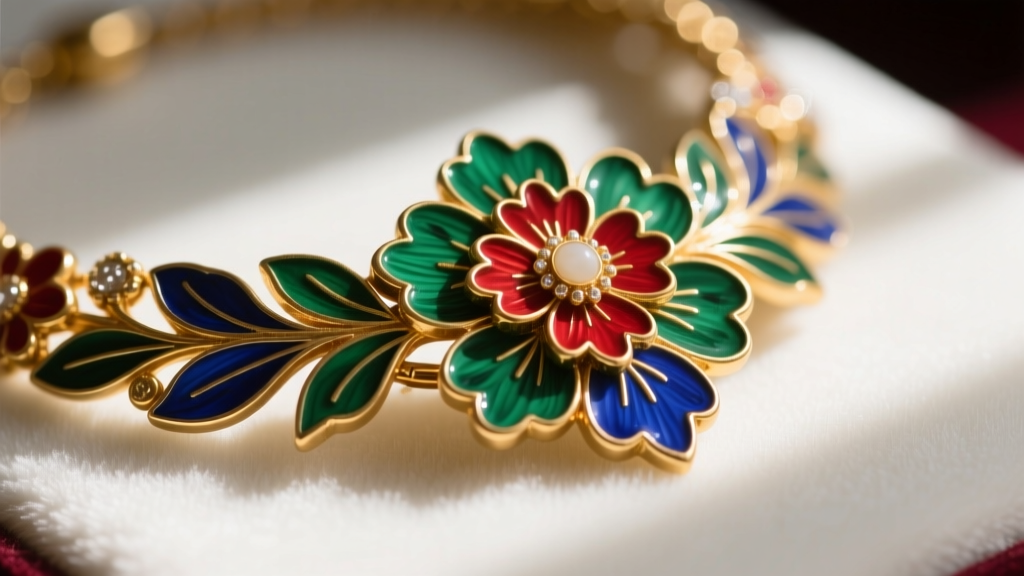
- Enamel Work: According to the Gemological Institute of America (GIA), cold enamel (epoxy) is a polymer that hardens at room temperature. Amrita Singh used this extensively to achieve the vibrant reds, emerald greens, and sapphire blues of Mughal jewelry without the fragility of vitreous (fired) glass. However, cold enamel can yellow or chip if exposed to harsh chemicals or prolonged UV light.
- Stones and Pearls: The brand rarely used precious gemstones in their mainline fashion jewelry. Instead, expect to find Austrian crystals, dyed quartz, glass cabochons, and high-quality resin or shell-based faux pearls. The value lies in the design and the setting, not the intrinsic carat weight of the stones.
Authentication: Spotting Genuine Amrita Singh Pieces
Because of the brand's prestige in the vintage market, counterfeits and misattributed 'Mughal-style' necklaces are common. Use this checklist to verify authenticity:
- The Signature Stamp: Look at the reverse side of the central medallion or the back of the clasp. Genuine pieces from the late 80s and 90s will feature a clean, cast or laser-etched 'Amrita Singh' signature. Early 80s pieces may rely on a branded hang-tag attached to the chain, though these are often lost over time.
- The Weight Test: As mentioned, vintage brass-based pieces are heavy. A genuine vintage choker or bib necklace will feel substantial in the hand. If it feels like lightweight aluminum or hollow plastic, walk away.
- Clasp Hardware: Vintage pieces often feature heavy-duty barrel clasps or thick lobster claws stamped with matching gold-tone plating. Modern, cheap spring-ring clasps are a red flag for vintage authentication.
Pro Tip: When browsing the 1stDibs vintage archives, pay close attention to the macro photography of the clasp and the back of the pendant. Reputable sellers will always photograph the maker's mark.
Pricing Guide & Market Value in 2026
The secondary market for vintage Amrita Singh jewelry has remained remarkably resilient, driven by collectors of 1980s maximalist fashion and lovers of Indian-heritage design. Below is a structured breakdown of what you should expect to pay in the current market.
| Era / Style | Material Indicators | Market Price Range (2026) | Collector Demand |
|---|---|---|---|
| Vintage 80s Bib Necklace | Solid brass, heavy gold plate, multi-color enamel, faux pearls | $180 – $450+ | Extremely High |
| Vintage 90s Choker | Brass base, single-color enamel, glass cabochons | $90 – $160 | High |
| Vintage Pendant / Lariat | Lighter brass, chain work, small enamel drop | $50 – $110 | Moderate |
| Contemporary (Modern) | Zinc alloy, resin stones, cold enamel | $40 – $95 (Retail/Resale) | Low (Wearability focus) |
Care, Maintenance, and Wearability
Owning a vintage Amrita Singh necklace requires specific care protocols to preserve the gold plating and the epoxy enamel. Never use ultrasonic cleaners or chemical jewelry dips. The vibrations can shatter cold enamel, and the chemicals will strip the gold electroplating down to the bare brass.
Instead, clean your piece using a dry, ultra-soft microfiber cloth. If the enamel is sticky or dirty, use a barely damp cloth with a single drop of mild dish soap, avoiding the metal settings entirely, and dry immediately. Always store heavy bib necklaces flat in a velvet-lined box; hanging them for long periods can stress the vintage solder joints and cause the chain links to stretch or snap.
Styling Mughal-Inspired Necklaces for Modern Wardrobes
The brilliance of Amrita Singh's designs is their versatility. While they were originally popularized over 1980s power suits, today they serve as incredible focal points for minimalist and bohemian wardrobes alike.
Pairing with Necklines
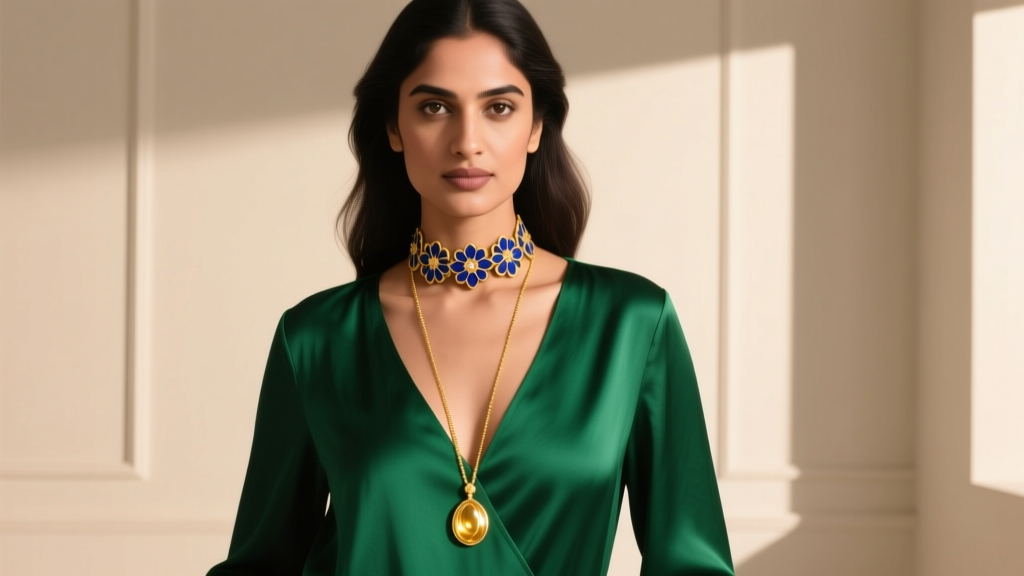
- Deep V-Necks: A long, enamel-tipped lariat or pendant necklace draws the eye downward and perfectly frames a V-neck silk blouse or wrap dress.
- Scoop and Crew Necks: This is where the vintage bib necklaces shine. The wide, ornate collar sits flush against the collarbone, turning a simple black turtleneck or white cotton tee into a high-fashion statement.
- Off-the-Shoulder: Pair a rigid, enamel-detailed choker with an off-the-shoulder top to highlight the neck and collarbones without overwhelming the silhouette.
Whether you are investing in a rare 1985 Maharani-inspired bib necklace or adding a contemporary enamel pendant to your daily rotation, an Amrita Singh necklace remains a testament to the enduring power of cross-cultural design. By focusing on material weight, enamel quality, and proper authentication, you can confidently build a collection that holds both aesthetic and historical value.


