How to Choose, Style, and Care for a Dumbbell Necklace
Learn how to choose, style, and clean a dumbbell necklace. Discover the best sweat-resistant metals, chain gauges, and care routines for gym jewelry.

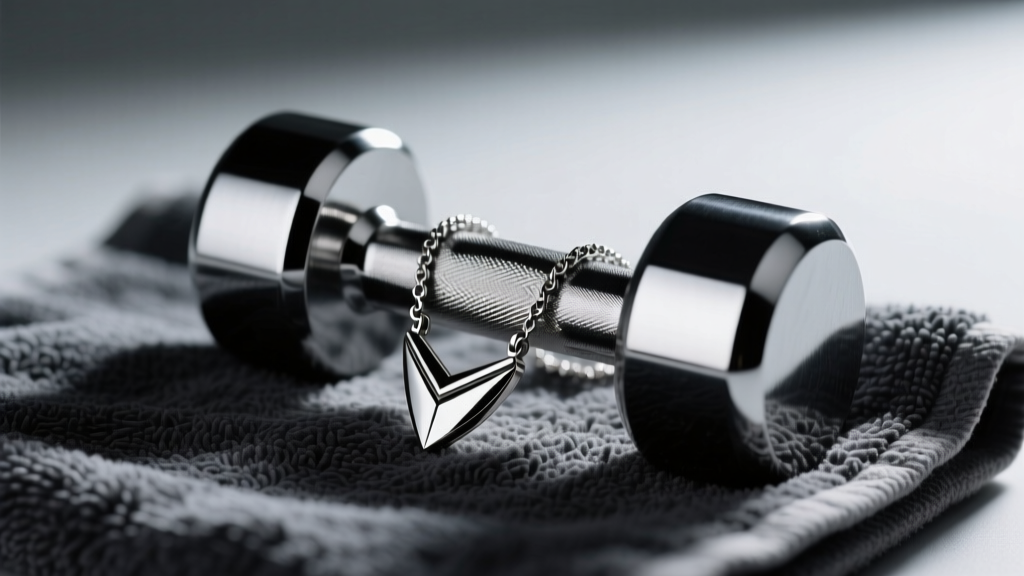
The Rise of Fitness Jewelry: Why the Dumbbell Pendant Endures
The dumbbell necklace has transcended its origins as a niche bodybuilding accessory to become a staple in mainstream fitness jewelry. Whether you are a powerlifter, a CrossFit enthusiast, or someone who simply appreciates the aesthetic of gym culture, a well-crafted dumbbell pendant serves as a daily reminder of your dedication. However, wearing jewelry in high-sweat, high-friction environments like the gym requires a strategic approach to material selection, chain gauge, and maintenance. This step-by-step guide will teach you how to select, style, and preserve a dumbbell necklace so it survives your heaviest lifts and your most intense cardio sessions.
Step 1: Selecting the Right Metal Grade for Sweat Resistance
Human sweat is not just water; it is a complex mixture of water, salts, urea, and lactic acid. The pH of sweat typically ranges from 4.5 to 7.0, making it mildly acidic. This acidity, combined with the friction of a pendant bouncing against your chest during a run or a burpee, can rapidly degrade inferior metals. When choosing your dumbbell necklace, the metal grade is the single most critical factor for longevity and skin health.
Cheap alloy necklaces often contain nickel or brass. According to the American Academy of Dermatology, nickel is a leading cause of contact dermatitis, and the combination of sweat and nickel leaching can cause severe, itchy rashes on your chest. To avoid this, you must opt for hypoallergenic, sweat-resistant metals.
| Metal Type | Specific Grade | Sweat & Corrosion Resistance | Price Range | Best Use Case |
|---|---|---|---|---|
| Surgical Steel | 316L (Marine Grade) | Excellent (Highly resistant to chlorides and acids) | $20 - $50 | Daily gym wear, heavy cardio |
| Titanium | Grade 23 (Ti 6AL-4V) | Superior (Biocompatible, virtually indestructible) | $45 - $90 | Sensitive skin, extreme sports |
| Solid Gold | 14k or 18k Yellow/White | Very Good (Will not tarnish, but can scratch) | $150 - $400+ | Office-to-gym transition, luxury |
| Sterling Silver | 925 Silver | Poor (Tarnishes rapidly from sulfur in sweat) | $30 - $70 | Occasional casual wear only |
Expert Recommendation: For pure gym utility, 316L stainless steel is the undisputed champion. It offers the perfect balance of affordability, weight, and corrosion resistance. If you have a known metal allergy, invest in Grade 23 Titanium, which is the exact alloy used in medical implants.
Step 2: Matching Chain Gauge to Pendant Weight
A common mistake fitness enthusiasts make is pairing a heavy, solid-metal dumbbell pendant with a flimsy, thin chain. The repetitive bouncing during plyometrics or running creates kinetic stress that can easily snap a chain under 1.5mm in thickness. To ensure structural integrity, you must match the chain gauge to the pendant's weight.
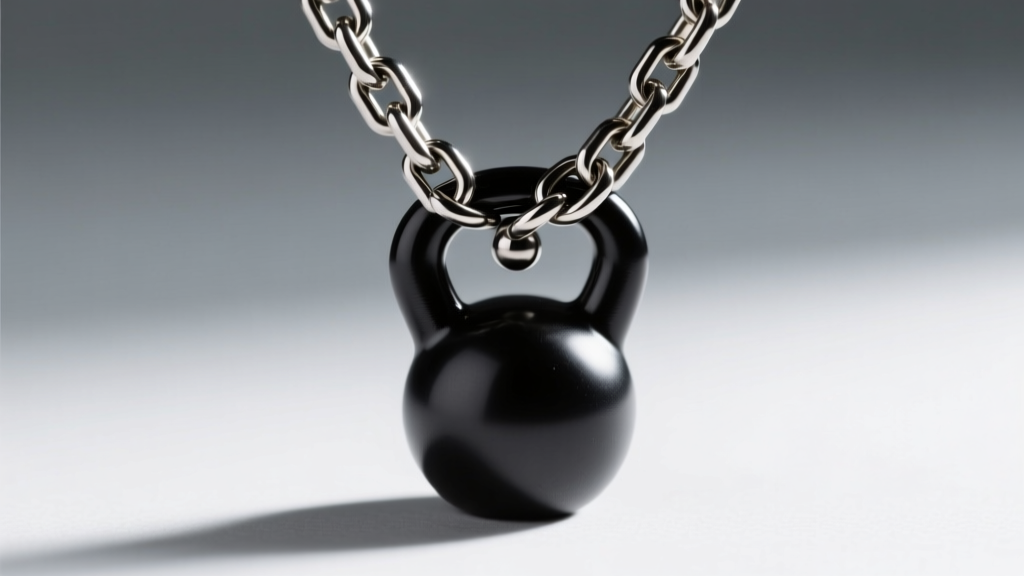
The Weight-to-Gauge Ratio Framework
- Lightweight Pendants (Under 8 grams): A 1.5mm to 2.0mm cable or box chain is sufficient. These are ideal for running and high-mobility workouts where you want the jewelry to feel almost weightless.
- Mid-Weight Pendants (8 to 15 grams): Opt for a 2.0mm to 2.5mm rope chain or a specialized barbell-link chain. The twisted links of a rope chain provide excellent tensile strength while adding a rugged, textured aesthetic that complements the gym vibe.
- Heavyweight Pendants (15+ grams): You need a 3.0mm to 4.0mm Cuban link or Figaro chain. Anything thinner will suffer from premature bail wear and potential link deformation.
Pay special attention to the bail (the loop that connects the pendant to the chain). If the bail is poorly polished or has sharp inner edges, it will act like a saw against your chain over time. Always inspect the bail with a loupe or magnifying glass before purchasing.
Step 3: Styling Your Dumbbell Necklace for Gym and Streetwear
Styling a fitness-themed necklace requires balancing its bold, symbolic nature with your wardrobe. The dumbbell silhouette is inherently horizontal and geometric, which interacts differently with various necklines.
For Gym Wear (Performance Fabrics)
When wearing compression shirts, tank tops, or moisture-wicking crew necks, opt for a shorter chain length—specifically 18 to 20 inches. This keeps the dumbbell pendant resting on the upper sternum, preventing it from swinging wildly and catching on equipment like barbells or kettlebells. A matte black or gunmetal PVD-coated dumbbell pendant looks exceptionally sharp against bright, neon, or heather-grey athletic wear.
For Casual and Streetwear
Transitioning to casual wear? Pair your dumbbell necklace with a V-neck or an unbuttoned flannel shirt. A 22 to 24-inch chain allows the pendant to hang lower, creating a layered look. You can even stack a 20-inch 316L steel rope chain with a 24-inch barbell-link chain, using a smaller, minimalist dumbbell charm on the longer chain to create a cohesive, fitness-inspired layered aesthetic.
Step 4: The Post-Workout Cleaning and Maintenance Routine
Even the most resilient metals like 316L steel and 14k gold require maintenance. The Gemological Institute of America notes that while gold and high-grade steel resist corrosion, the accumulation of dead skin cells, sebum, and dried sweat can create a dull, cloudy film on the metal's surface, trapping bacteria against your skin.
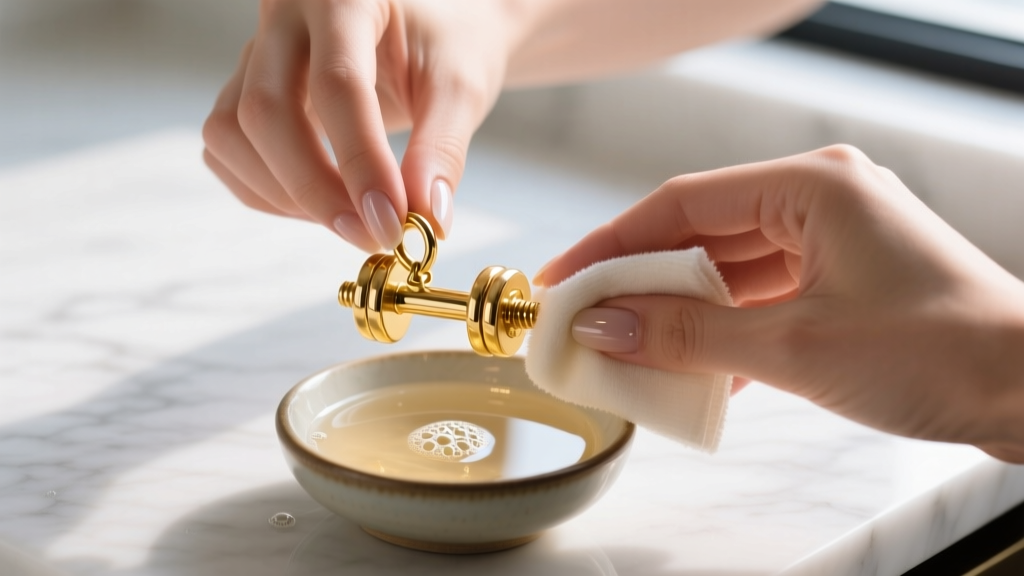
The 3-Step Weekly Cleaning Protocol
- The Soak: Fill a small ceramic bowl with warm water and a few drops of mild, phosphate-free dish soap (like Dawn). Submerge your dumbbell necklace for 5 to 10 minutes. This breaks down the lipid bonds of the sebum and sweat.
- The Agitation: Use an ultra-soft baby toothbrush to gently scrub the crevices of the dumbbell pendant, particularly where the weight plates meet the central bar. Do not use stiff bristles, as they can induce micro-scratches on polished or PVD-coated surfaces.
- The Dry: Rinse thoroughly under lukewarm water. Pat dry with a clean, lint-free microfiber cloth. Never let the necklace air dry, as hard water minerals will leave permanent spotting on the metal.
Pro-Tip for Deep Cleaning: If you wear your necklace daily, invest in a small ultrasonic jewelry cleaner. Running your steel or titanium dumbbell necklace through a 3-minute ultrasonic cycle once a month will dislodge microscopic debris from the chain links that manual brushing cannot reach. (Note: Avoid ultrasonic cleaners if your dumbbell pendant features inlaid gemstones or enamel, as the vibrations can shatter them).
Troubleshooting Common Hardware Failures
Even with meticulous care, active jewelry undergoes immense physical stress. Here is how to troubleshoot the most common issues associated with dumbbell necklaces:
- Issue: The Clasp Keeps Unfastening During Lifts.
Solution: Lobster clasps can fatigue over time, causing the spring mechanism to weaken. Upgrade to a magnetic neodymium clasp or a heavy-duty spring ring. Alternatively, use a small pair of jewelry pliers to gently squeeze the jump ring connecting the clasp to the chain, ensuring there is zero gap. - Issue: The Pendant Bail is Wearing Down the Chain.
Solution: If you notice metal dust or a thinning spot on your chain near the pendant, the bail is too abrasive. Take the necklace to a local jeweler and ask them to polish the interior of the bail with a high-grit buffing wheel, or replace the bail with a Teflon-coated jump ring to eliminate metal-on-metal friction. - Issue: PVD Coating is Peeling or Fading.
Solution: Physical Vapor Deposition (PVD) is highly durable, but exposure to harsh chemicals like bleach or chlorine in a swimming pool will break down the coating. If your black or gold IP coating begins to flake, the piece cannot be easily re-coated at home. You will need to send it to a specialized metal finishing service or replace the pendant. Always remove your jewelry before entering a chlorinated pool.
Final Thoughts on Fitness Jewelry
A dumbbell necklace is more than just an accessory; it is a badge of honor representing your commitment to physical excellence. By prioritizing high-grade metals like 316L steel or titanium, matching your chain gauge to the pendant's kinetic load, and adhering to a strict post-workout cleaning regimen, your fitness jewelry will remain as resilient and enduring as your workout routine. Treat your gear with respect, and it will reflect your dedication for years to come.


