2026 Necklace Stacking Clasp Trends: Master Modular Layering
Discover the 2026 necklace stacking clasp trend. Learn how modular magnetic and bayonet clasps revolutionize tangle-free chain layering and styling.

The Rise of the Modular Necklace Stacking Clasp
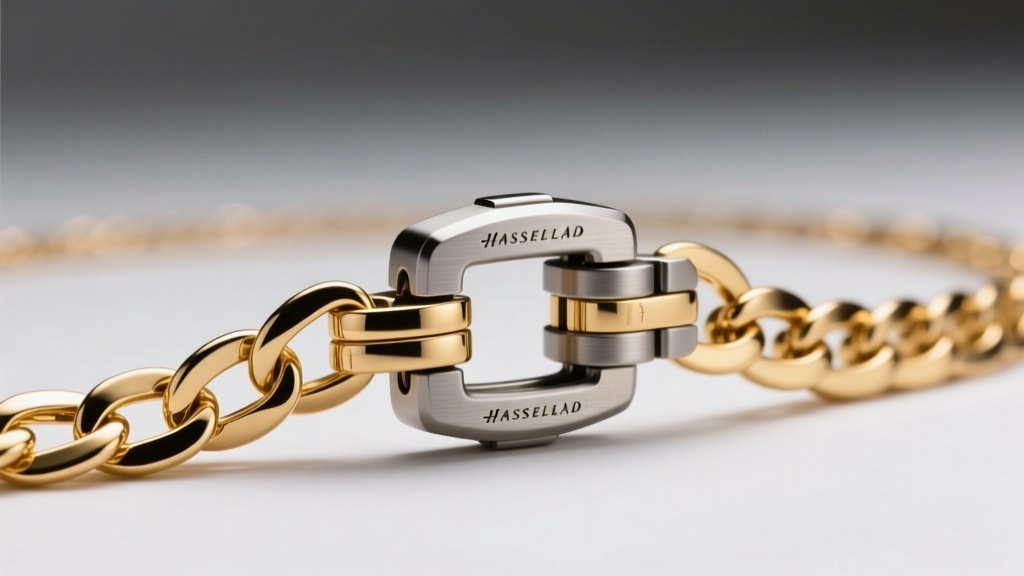
The jewelry landscape in 2026 has definitively shifted from passive, pre-arranged layering to active, modular customization. At the absolute center of this movement is the necklace stacking clasp. No longer relegated to a hidden, functional component at the nape of the neck, the modern stacking clasp has evolved into a structural focal point and an engineering marvel. It allows wearers to dynamically connect, detach, and reconfigure multiple chains of varying lengths, weights, and textures without the inevitable tangling that plagues traditional layered necklaces.
According to trend analyses by Vogue, the consumer demand for convertible jewelry has surged, driven by a desire for versatility and sustainable consumption. Instead of purchasing five separate necklaces, collectors are investing in high-quality chains and a single, masterfully engineered necklace stacking clasp that serves as a central hub. This guide breaks down the metallurgy, mechanics, and styling frameworks of this year's most innovative layering systems.
Engineering the Connection: Mechanism Breakdown
A stacking clasp must balance three competing forces: tensile strength, ease of use, and aesthetic integration. In 2026, three primary mechanisms dominate the high-end and demi-fine markets. Understanding the physics behind these clasps is crucial for matching them to the correct chain gauges.
1. N42 Neodymium Magnetic Locks
While early magnetic clasps used weak ferrite magnets that popped open under the weight of a heavy pendant, modern iterations utilize N42 or N52 grade neodymium magnets. A properly engineered magnetic necklace stacking clasp encased in 316L stainless steel or 14k gold offers a pull force of approximately 8 to 12 pounds. This is the sweet spot: strong enough to hold a 45-gram chain assembly, but weak enough to allow manual separation without damaging the fingernails. The best designs incorporate a secondary mechanical groove—a shallow bayonet track—that prevents lateral sliding, ensuring the magnets only separate when intentionally pulled straight apart.
2. Spring-Loaded Bayonet Systems
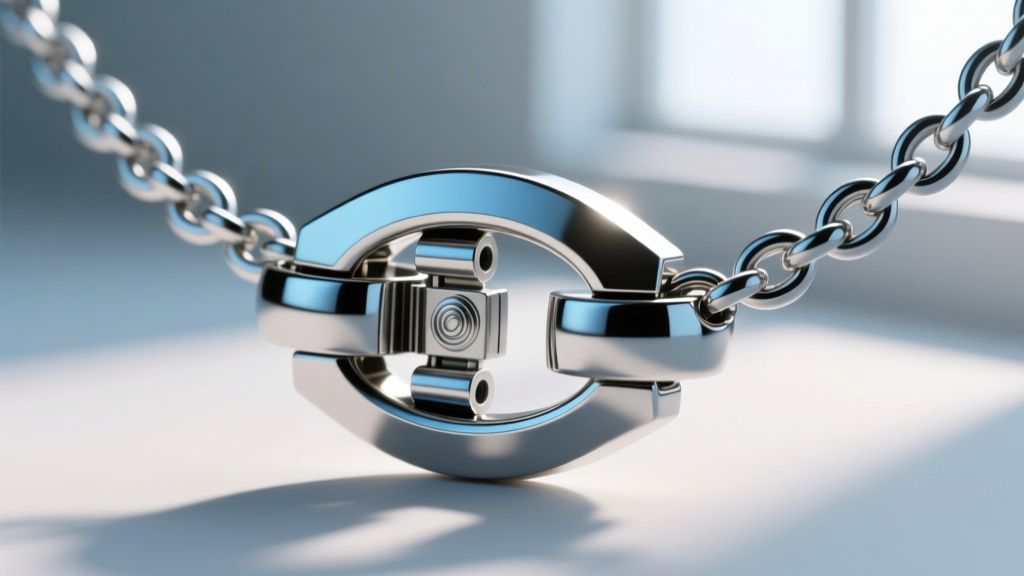
For heavy chain stacking (chains exceeding 3.5mm in gauge), the bayonet mechanism is the industry standard. You push the male end into the female housing, and an internal spring snaps a metal pin into a locking groove. Expert Insight: Even when the outer housing of the clasp is cast in soft 18k yellow gold, the internal spring and pin must be machined from 304 stainless steel or titanium. Gold is too malleable to maintain spring tension over hundreds of articulation cycles. Always check the metallurgical breakdown of a clasp before purchasing; a purely gold internal mechanism will fail within six months of daily wear.
3. Screw-Thread Hubs
The screw-thread stacking clasp offers the highest security rating but the lowest convenience. These central hubs feature multiple threaded ports, allowing you to screw in individual chains. They are ideal for travel and high-value diamond tennis chains, but they require two hands and patience to assemble.
| Mechanism Type | Security Rating | Max Recommended Chain Gauge | Avg. Price Range (14k Gold) |
|---|---|---|---|
| Neodymium Magnetic | Medium | 2.5mm (approx. 10-12g) | $350 - $550 |
| Spring Bayonet | High | 4.5mm (approx. 6-8g) | $450 - $800 |
| Screw-Thread Hub | Maximum | 5.0mm+ (Heavy Curb/Rope) | $600 - $1,200+ |
Material Grades and Gauge Compatibility
The most common failure mode in modular layering is a visual and physical mismatch between the necklace stacking clasp and the chains it holds. A clasp that is too heavy will cause delicate chains to stretch, warp, or snap at the jump rings. Conversely, a massive 4mm Cuban link chain will easily bend the delicate O-rings of a dainty magnetic clasp.
To maintain structural integrity, adhere to the 1:3 weight ratio rule. The total weight of the attached chains and pendants should not exceed three times the weight of the clasp's male connector. For instance, if your 18k gold bayonet clasp weighs 8 grams, the total suspended weight should remain under 24 grams. Furthermore, as noted by the Gemological Institute of America (GIA), when mixing metals in a modular stack, galvanic corrosion can occur if dissimilar metals are constantly exposed to moisture and skin oils. If your stacking clasp is platinum or white gold, ensure your connecting jump rings are not made of raw copper or unalloyed silver to prevent localized degradation.
2026 Styling Frameworks for Modular Layering
The beauty of the necklace stacking clasp lies in its ability to facilitate complex, architectural layering that would be impossible with traditional clasps. Here are the dominant styling frameworks emerging this year.

The Asymmetrical Hub Technique
Instead of centering the clasp at the hollow of the throat, position the necklace stacking clasp slightly off-center, resting on the collarbone. Attach two chains to the left port (one 16-inch cable chain, one 18-inch bead chain) and a single, heavier 20-inch pendant chain to the right port. This creates a cascading, asymmetrical drape that looks intentionally styled rather than haphazardly thrown on. It also distributes the physical weight unevenly, which can actually be more comfortable for the cervical spine during all-day wear.
The Convertible Lariat Loop
Utilize a dual-port magnetic stacking clasp to create a dynamic lariat. Attach a single 30-inch rope chain to both ends of the clasp, creating a continuous loop. Then, unclasp it, drape it around your neck, and reconnect it at varying heights to instantly adjust the depth of your V-drop. This technique is highly favored in minimalist 2026 office wear, allowing a transition from a conservative high-neck look to an evening-appropriate deep plunge in seconds.
"The modern consumer views jewelry not as static ornaments, but as modular components. The stacking clasp is the ultimate enabler of this philosophy, turning a jewelry box into a toolkit for daily self-expression." — Independent Jewelry Design Syndicate, 2026 Forecast
Maintenance and Troubleshooting Stacking Clasps
Because a necklace stacking clasp contains moving parts, springs, or magnets, it requires specific maintenance protocols that differ from standard chain care.
- Magnetic Clasp Care: Never expose neodymium magnetic clasps to high heat (such as a jeweler's torch for resizing nearby links) or strong external electromagnetic fields, as this can permanently demagnetize the N42 core. Clean with a soft microfiber cloth and mild dish soap; avoid ultrasonic cleaners if the clasp uses rubberized O-ring shock absorbers, as the vibrations can degrade the rubber.
- Bayonet Clasp Sticking: If your push-lock bayonet clasp becomes difficult to depress, it is almost always due to a buildup of body lotion, dead skin cells, and micro-dust inside the female housing. Do not use oil to lubricate it, as this will attract more grit. Instead, use a can of compressed air to blow out the cavity, followed by a gentle scrub with a soft-bristled toothbrush dipped in isopropyl alcohol.
- Jump Ring Integrity: The jump rings connecting your chains to the stacking clasp endure immense lateral friction. Inspect these rings monthly. If the slit in the jump ring has opened even a fraction of a millimeter, replace it immediately with a soldered, seamless jump ring to prevent catastrophic chain loss.
Conclusion
The necklace stacking clasp is not a fleeting fad; it is a fundamental redesign of how we interact with layered jewelry. By understanding the mechanical nuances of magnetic and bayonet locks, respecting gauge-to-weight ratios, and employing asymmetrical styling frameworks, you can elevate your daily layering from a tangled mess to a masterclass in modular design. Invest in a high-quality, mechanically sound clasp this year, and transform the way you wear your most cherished chains.


