How to Tie a Necklace Knot: Repair & Maintenance Guide
Learn how to tie a necklace knot for jewelry repair and maintenance. Master sliding knots, silk restringing, and cord care to extend your necklace's life.

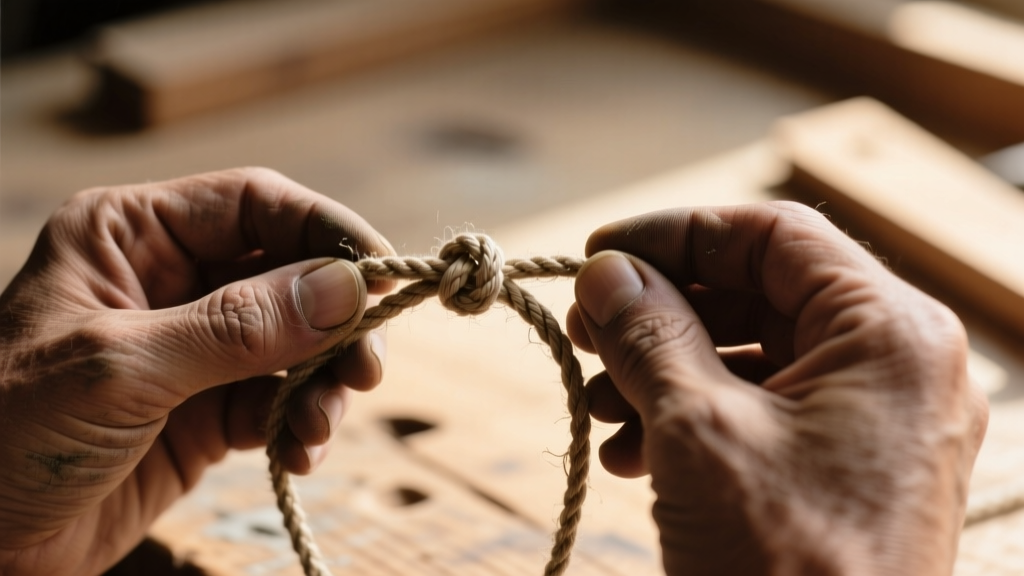
Why Knot Integrity is the Cornerstone of Necklace Maintenance
When we think about necklace care, our minds usually jump to polishing silver, cleaning gemstones, or untangling delicate chains. However, for a vast category of jewelry—specifically corded, beaded, and adjustable necklaces—the structural integrity of the piece relies entirely on how to tie a necklace knot correctly. A poorly tied knot or a degraded cord is the leading cause of catastrophic jewelry failure, resulting in lost pendants and scattered gemstones.
From a maintenance perspective, understanding knot mechanics is not just about initial assembly; it is about ongoing repair, resizing, and preservation. Natural fibers like silk and cotton absorb skin oils, sweat, and environmental pollutants, causing them to stretch and weaken over time. Synthetic cords and leather can dry out, leading to brittle knots that snap under minimal tension. In this comprehensive guide, we will explore the exact techniques for tying secure knots, the chemistry of jewelry adhesives, and the maintenance routines required to keep your corded necklaces safe and functional for years to come.
Material Breakdown: Why Knots Fail
Before attempting any repair, you must understand the material you are working with. Different cords react differently to tension, friction, and chemical sealants. According to the Gemological Institute of America (GIA), organic materials require specific handling to prevent degradation.
- Silk Thread (e.g., Griffin 100% Natural Silk): The gold standard for pearl restringing. Silk knots beautifully due to its microscopic fibers, but it is highly susceptible to stretching when wet and degrading from the natural acids in human skin (average pH 5.5). Silk knots must be resealed or restrung every 12 to 18 months if worn frequently.
- Nylon (e.g., S-Lon or C-Lon): A synthetic alternative that offers superior tensile strength and zero stretch. Nylon is notoriously slippery, meaning standard square knots will unravel unless secured with a specialized flexible adhesive or melted with a thread burner.
- Waxed Cotton and Hemp: These natural fibers grip themselves well, making them excellent for macrame and sliding knots. However, the wax coating can attract dust and lint, requiring periodic gentle cleaning with a soft, dry brush.
- Leather and Suede: Leather cords (typically 1.5mm to 2mm in diameter) are prone to drying out. Knots tied in leather create permanent stress points. If the leather is not conditioned, the knot area will eventually crack and snap.
How to Tie a Necklace Knot: The Adjustable Sliding Knot
The sliding knot (often called a macrame knot or square knot wrap) is essential for adjustable cord necklaces that lack a metal clasp. This knot relies on friction to hold the necklace at the desired length while allowing the wearer to slide it open for removal. Here is the professional method for tying and maintaining this knot.
- Preparation: Overlap the two ends of your main cord (e.g., a 1.5mm leather or waxed cotton cord) by about 4 inches. Ensure the cords are clean and free of skin oils; wipe them with a microfiber cloth.
- The Anchor: Take a separate piece of thinner cord (0.5mm nylon or waxed cotton) about 12 inches long. Place it under the overlapping main cords.
- The Wraps: Cross the right side of the thin cord over the main cords, then bring the left side over and pass it under the main cords and through the loop on the right. Pull tight. Repeat this process, wrapping tightly side-by-side for 4 to 6 wraps. Six wraps provide optimal friction for heavier pendants without creating excessive bulk.
- The Lock: On your final wrap, pass the working end through the loop created by the starting tail. Pull both ends of the thin cord tightly to lock the wraps in place.
- Sealing the Knot: Trim the excess thin cord, leaving a 2mm tail. Apply a microscopic drop of flexible jewelry adhesive to the tails and press them flat against the wraps.
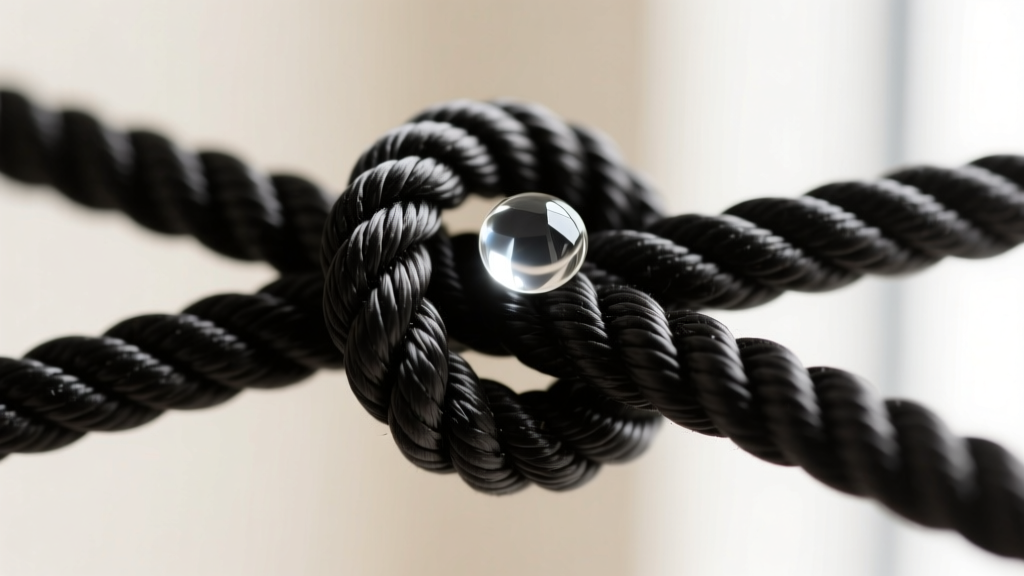
Expert Adhesive Warning: Never use standard cyanoacrylate (Super Glue) on flexible cord knots. Cyanoacrylate cures into a hard, brittle plastic. When the necklace bends against the collarbone, the brittle glue will shatter, causing the knot to unravel. Always use a flexible, precision-tip adhesive like GS Hypo Cement or a specialized flexible UV resin.
The Surgeon's Knot: Securing Beaded and Pearl Necklaces
When restringing beaded necklaces or learning how to tie a necklace knot to finish off a silk-strung pearl necklace, the standard square knot is insufficient. Under the constant micro-tensions of wear, a square knot can slowly slip. The solution is the Surgeon's Knot, which introduces an extra twist to increase surface friction and lock the fibers together.
To tie a Surgeon's Knot for necklace finishing:
- Pass the right cord over the left, then take the right cord and pass it twice through the loop before pulling tight. This double twist creates the necessary friction.
- Complete the knot by passing the left cord over the right and pulling it through once (a standard half-hitch to finish the square knot structure).
- Use a pair of fine-tipped, non-marring nylon jaw pliers to gently but firmly pull the knot tight against the bead or pearl.
- Apply a pinpoint drop of GS Hypo Cement directly into the center of the knot using a toothpick. Do not get glue on the pearl nacre, as it will dull the luster.
Care and Maintenance Matrix for Corded Necklaces
Maintaining a knotted necklace requires a tailored approach based on the cord material. Below is a decision matrix for cleaning, conditioning, and knowing when to replace your knots entirely.
| Cord Material | Cleaning Method | Knot Sealant | Maintenance Schedule |
|---|---|---|---|
| Silk (Griffin) | Damp cloth, mild castile soap | None (rely on knot tension) | Restring every 1-2 years |
| Nylon (S-Lon) | Ultrasonic (beads only, avoid cord) | Flexible UV Resin or Thread Zap | Check knots bi-annually |
| Waxed Cotton | Soft dry brush, avoid water | GS Hypo Cement | Re-wax annually |
| Leather (1.5mm+) | Leather cleaner, damp cloth | GS Hypo Cement | Condition leather every 6 mos |
Troubleshooting Common Knot and Cord Failures
Even with perfect technique, environmental factors and wear can compromise your jewelry. Here is how to troubleshoot the most common issues encountered in necklace maintenance, drawing on best practices outlined by Fire Mountain Gems.
1. The Sliding Knot is Too Loose
If your adjustable necklace constantly slips and drops the pendant too low, the friction inside the knot has worn down. The Fix: Do not try to tighten the existing knot by pulling, as this will distort the wraps. Instead, apply a tiny amount of beeswax or microcrystalline wax to the main cords where they pass through the knot. The wax increases the coefficient of friction, allowing the knot to grip the cords securely while remaining adjustable.
2. Frayed Cord Ends Inside the Knot
Synthetic cords like nylon or polyester often fray when cut, making it impossible to thread them through bead holes or tie clean knots. The Fix: Use a specialized jewelry tool called a Thread Zap (a precision heated wire) to instantly melt and seal the tip of the synthetic cord. If you do not have a Thread Zap, carefully pass the end of the cord near a butane lighter flame—do not touch the flame directly, just use the radiant heat to shrink and seal the fibers into a hard, needle-like point.
3. Discoloration Around the Knot
If the cord near the knot is turning dark or stiff, this is a buildup of dead skin cells, sebum, and cosmetic products. The Fix: For waxed cotton or nylon, take a soft-bristled toothbrush dipped in a solution of warm water and a single drop of dish soap. Gently scrub the knot area, then immediately blot dry with a microfiber towel. Never submerge the entire knot in water, as trapped moisture will lead to mildew or internal degradation of the core fibers.
Conclusion
Mastering how to tie a necklace knot is a fundamental skill for anyone who wears, collects, or repairs corded jewelry. By understanding the specific tensile properties of your cord materials, utilizing the correct knot structures like the Surgeon's or Sliding knot, and applying the appropriate flexible adhesives, you can drastically extend the lifespan of your favorite pieces. Regular maintenance and an eye for early signs of wear will ensure that your pendants and pearls remain securely around your neck, rather than lost on the floor.


