Is a Balloon Necklace Worth It? Budget & Value Guide
Discover if a balloon necklace is worth your budget. We compare hollow vs. solid gold, pricing tiers, and durability to help you assess true value.

Decoding the Balloon Necklace: Beads vs. Links
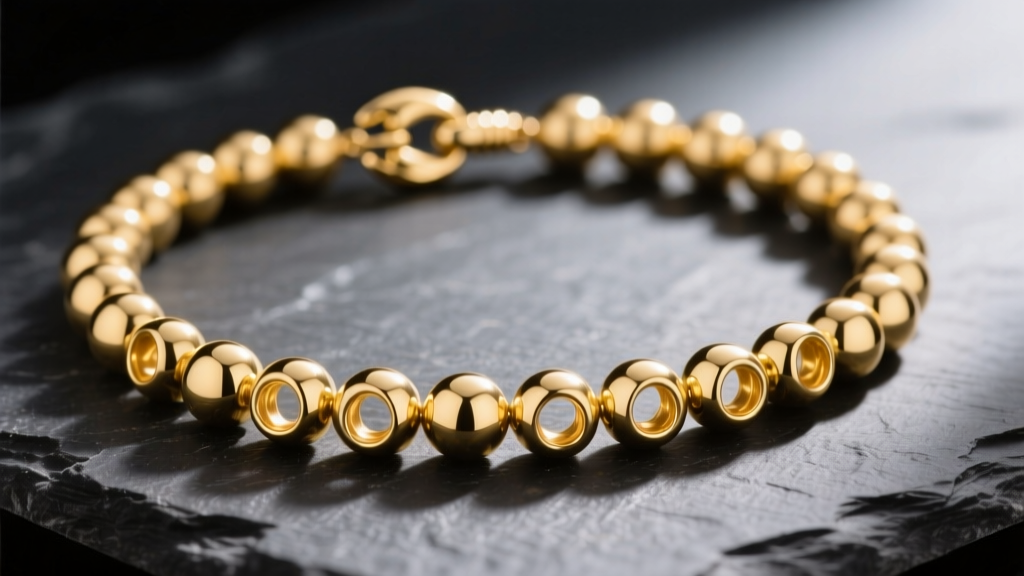
When consumers search for a balloon necklace, they are typically referring to one of two distinct jewelry styles: the spherical "balloon bead" necklace or the "balloon link" chain (often called a bead chain). From a budget and value assessment perspective, these two styles represent entirely different manufacturing processes, material costs, and longevity profiles. In 2026, with precious metal markets experiencing sustained volatility, understanding the structural integrity of your necklace is just as critical as its karat purity.
The classic balloon bead necklace features perfectly round, spherical beads that mimic the shape of inflated balloons. These are highly prized for their bold, geometric aesthetic and high shine. Conversely, the balloon link chain consists of small, uniformly spaced spherical links connected by short wire bars, frequently used for delicate pendants or military-style identification tags. While both share the "balloon" moniker, their value propositions differ drastically based on whether the gold used is solid or hollow.
The Hollow vs. Solid Dilemma: Where Your Budget Goes
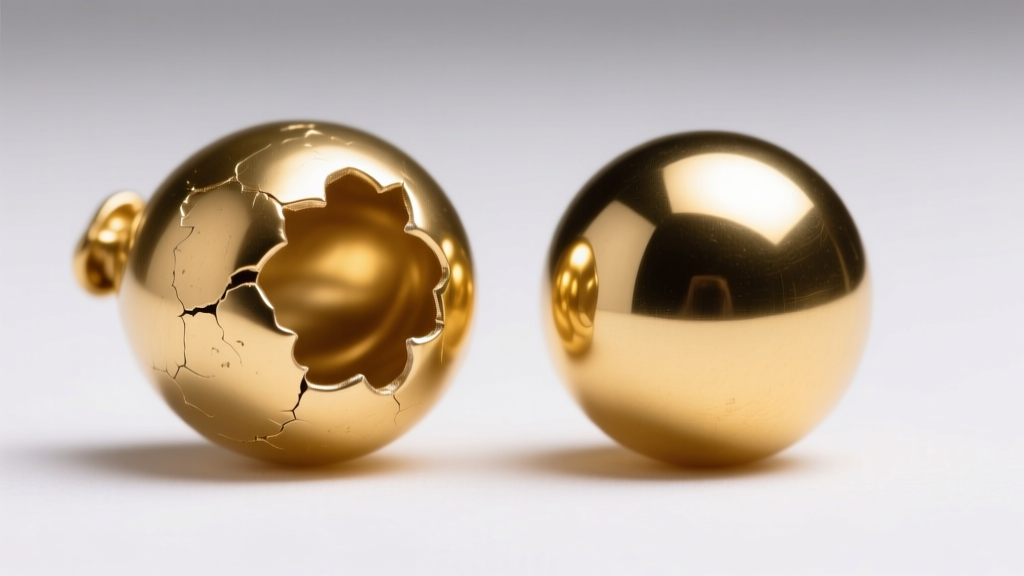
The most significant factor affecting the price and value of a gold balloon bead necklace is the manufacturing method. To achieve a large, bold spherical shape without the exorbitant cost of solid gold, manufacturers use a process called electroforming. This technique deposits a microscopic layer of gold over a wax or resin mold, which is later melted or dissolved away, leaving a hollow gold shell.
A 20-inch necklace featuring 4mm solid 14k gold beads will weigh approximately 28 to 32 grams. At current gold market rates, the raw melt value alone pushes the retail price well over $1,200. In contrast, a hollow electroformed 4mm balloon bead necklace of the exact same dimensions might weigh a mere 3.5 to 5 grams, dropping the retail price to the $250–$400 range. While the hollow version offers an immediate budget advantage, it introduces severe compromises in structural integrity. According to the Gemological Institute of America (GIA), the purity of the gold remains identical (e.g., 14k), but the structural density is vastly reduced, making hollow jewelry highly susceptible to permanent deformation.
Material Grade & Pricing Matrix
To accurately assess value, you must look beyond the karat stamp and evaluate the price-to-weight ratio. The following matrix breaks down the typical market offerings for a standard 20-inch, 4mm balloon bead necklace.
| Material / Construction | Manufacturing Method | Avg. Weight (20") | Est. Retail Price | Durability Score |
|---|---|---|---|---|
| Gold-Plated Brass | Electroplating over base metal | 15g (Solid base) | $35 - $65 | 2/10 (Tarnishes) |
| 14k Gold Vermeil | Heavy plating over Sterling Silver | 14g (Solid base) | $80 - $140 | 4/10 (Wears off) |
| 14k Hollow Gold | Electroforming (Hollow shell) | 3.5g - 5g | $250 - $450 | 3/10 (Dents easily) |
| 14k Solid Gold | Cast or drawn solid beads | 28g - 32g | $1,200 - $1,600 | 9/10 (Heirloom) |
| 18k Solid Gold | Cast or drawn solid beads | 34g - 38g | $1,900 - $2,500 | 7/10 (Softer alloy) |
When shopping, the Federal Trade Commission (FTC) Jewelry Guides mandate strict disclosures regarding gold plating and hollow constructions. However, many online retailers obscure the weight of the piece, listing only the karat purity. Always demand the exact gram weight before purchasing a balloon necklace to calculate the premium you are paying for the craftsmanship versus the raw material.
Real-World Failure Modes and Durability
Assessing value requires a realistic look at how a necklace will perform over time. Hollow balloon bead necklaces suffer from a specific failure mode: compression denting. Because the gold shell is often less than 0.2 millimeters thick, everyday hazards—such as leaning against a hard surface, dropping the necklace on a tile floor, or even a firm hug—can cause the spherical beads to cave in. Unlike solid gold, which can be buffed and polished to remove scratches, a dented hollow bead cannot be repaired. It must be replaced, rendering the initial budget savings nullified if the necklace is ruined within a year.
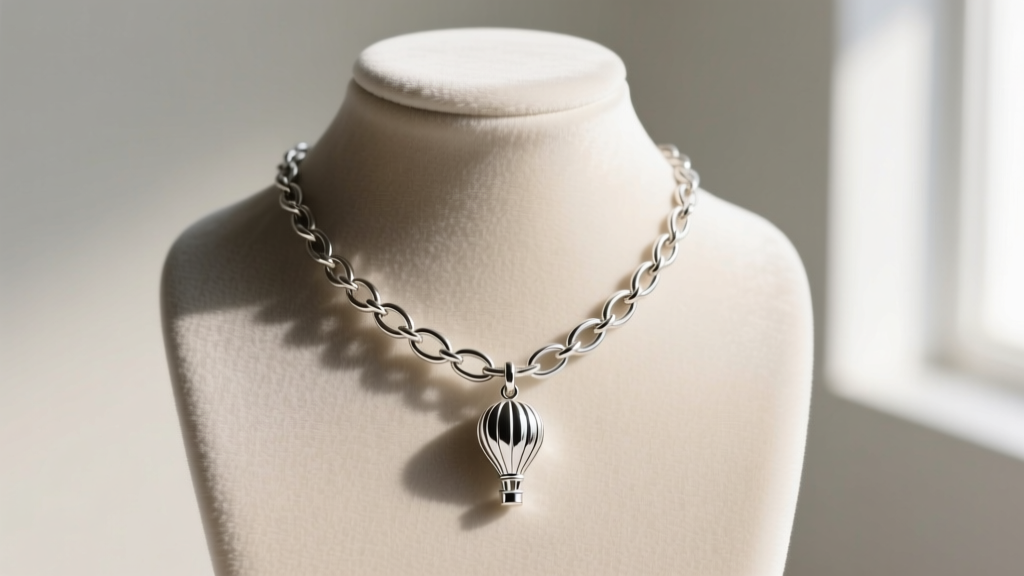
For those considering the balloon link chain (bead chain), the primary failure mode is tensile snapping. The small spherical links are connected by incredibly fine wire joints. If caught on clothing or subjected to a sudden tug, the wire joints will shear off long before the links themselves deform. If you are attaching a heavy pendant to a balloon link chain, ensure the chain is rated for the pendant's weight; generally, a standard 1.5mm sterling silver balloon link chain should not support pendants heavier than 5 grams.
How to Assess True Value in 2026
So, is a balloon necklace worth your budget? The answer depends entirely on your wearing habits and financial priorities. If you are purchasing a hollow gold balloon bead necklace, you are paying for visual impact and volume at the expense of longevity. It is an excellent choice for occasional wear, editorial fashion, or buyers who want the look of a massive gold chain without the heavy financial investment or the physical weight on their neck.
However, if you are seeking a value-retaining investment piece or an everyday chain that will survive decades of wear, hollow constructions and gold-plated alternatives are poor financial decisions. The markup on hollow jewelry is notoriously high relative to its melt value. In these cases, scaling down the bead size (e.g., opting for 2mm solid beads instead of 6mm hollow beads) provides a far superior return on investment, offering the same total gold weight and indestructible durability in a more understated profile.
Pro-Tip for Buyers: When evaluating a hollow balloon necklace in person, perform the "tap test." Gently tap the beads against your fingernail. Solid gold beads produce a dense, dull clink, while hollow electroformed beads emit a higher-pitched, slightly metallic 'tink' sound, immediately revealing their hollow interior.
Ultimately, true value in jewelry is found at the intersection of material honesty, structural durability, and fair market pricing. By understanding the hidden compromises of hollow manufacturing and the tensile limits of balloon link chains, you can confidently allocate your jewelry budget toward pieces that offer genuine, lasting worth.


