Heart and Crown Necklace Buying Guide: Metals & Chains
Discover what to look for when buying a heart and crown necklace. Compare metal grades, chain gauges, and clasp types to ensure lasting quality.

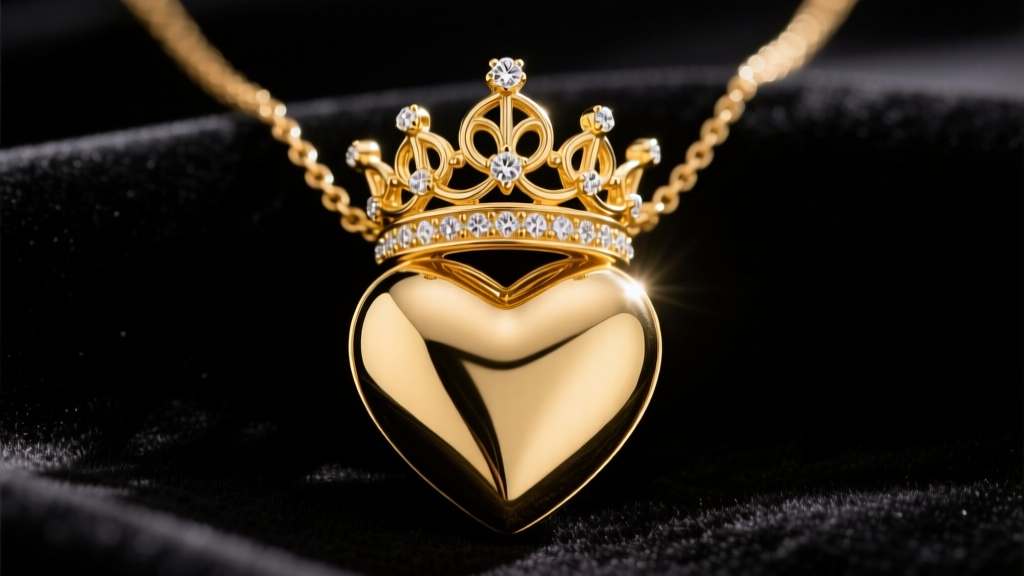
The Anatomy and Appeal of the Heart and Crown Motif
The heart and crown necklace is far more than a simple decorative accessory; it is a complex piece of symbolic jewelry that represents loyalty, royalty, and enduring love. Unlike standard teardrop or simple geometric pendants, the heart and crown motif features a distinct verticality. The crown element typically rests within the top dip of the heart or sits directly atop it, creating a top-heavy center of gravity. This unique structural profile means that buying a heart and crown necklace requires a deeper understanding of chain mechanics, bail weight distribution, and metal durability than you might need for a simpler pendant. Whether you are purchasing this as a sentimental gift or a personal staple, understanding the metallurgy and structural engineering behind the piece is crucial for ensuring it lasts a lifetime.
Decoding Metal Purity and Plating Standards
When browsing for a heart and crown necklace, the metal composition dictates both the longevity and the price point of the piece. The market is saturated with misleading terminology, particularly regarding gold-plated jewelry. According to the Jewelers of America, understanding the difference between flash plating, gold vermeil, and solid gold is the first step in making an informed purchase.
Flash Plating vs. Gold Vermeil
Many fast-fashion retailers sell "gold-plated" heart and crown necklaces that feature a microscopic layer of gold (often less than 0.5 microns) over a base metal like brass or copper. This is known as flash plating. Because the crown element of the pendant often features intricate crevices and prongs, flash plating tends to wear away rapidly in these high-friction areas, exposing the base metal and leading to green skin discoloration.
For a durable, mid-tier option, always look for Gold Vermeil. By FTC guidelines, vermeil must consist of a sterling silver (925) base coated with a minimum of 2.5 microns of 10k, 14k, or 18k gold. The sterling silver base ensures that even if the gold eventually wears down over decades, the underlying metal remains a precious, hypoallergenic alloy rather than a reactive base metal.
| Metal Type | Composition | Durability | Expected Price Range |
|---|---|---|---|
| Flash Plated | Brass/Copper base, <0.5 microns gold | Low (3-6 months daily wear) | $20 - $45 |
| Gold Vermeil | 925 Sterling Silver base, 2.5+ microns gold | Medium-High (2-5 years) | $65 - $140 |
| Solid 14k Gold | 58.5% pure gold alloyed with copper/zinc | Lifetime (Heirloom quality) | $350 - $850 |
| Platinum 950 | 95% pure platinum, 5% ruthenium/iridium | Generational (Scratch-resistant) | $1,200 - $2,500+ |
Selecting the Right Chain for Top-Heavy Pendants
The most common failure mode for heart and crown necklaces is not the pendant breaking, but the chain snapping or the pendant constantly flipping backward. Because the crown adds vertical height and weight to the top of the heart, the pendant is inherently top-heavy. If paired with a flimsy chain, the bail will slide, and the pendant will rest upside down against the collarbone.
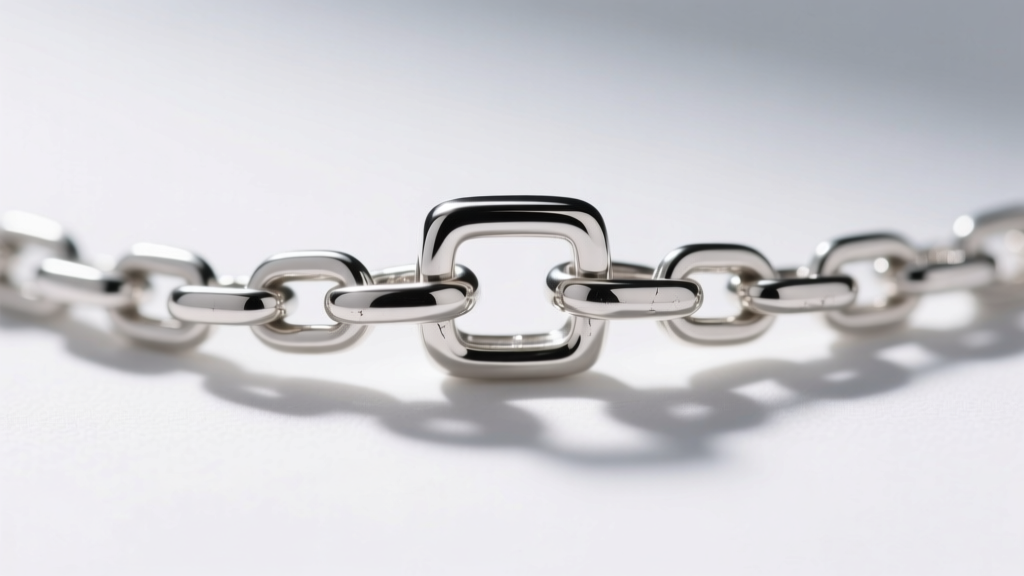
Chain Link Structures and Gauge Sizes
To counteract the top-heavy nature of the crown motif, you must select a chain with structural rigidity. Avoid snake chains and herringbone chains entirely; these fluid-style chains are prone to permanent kinking when subjected to the uneven weight distribution of a dual-motif pendant. Instead, opt for the following structures:
- Box Chains (1.0mm - 1.5mm): The square, interlocking links of a box chain provide excellent tensile strength and a smooth surface that allows the pendant bail to glide freely without catching. A 1.2mm gauge is the sweet spot for supporting a 4-gram heart and crown pendant without overwhelming the neckline.
- Wheat Chains (1.2mm - 1.8mm): Featuring woven, oval links that resemble stalks of wheat, these chains offer a braided texture that is incredibly resistant to pulling and snapping. The woven structure naturally grips the bail slightly, helping to keep the heart and crown centered on the chest.
- Cable Chains (1.5mm+): A classic choice, but only if the gauge is thick enough. Standard 0.8mm cable chains are too weak for the crown-and-heart weight profile and will easily snap if snagged on clothing.
Bail Mechanics and Clasp Security
The bail—the loop that connects the pendant to the chain—is a critical point of failure. For a heart and crown necklace, look for a soldered bail. A soldered bail is a continuous loop of metal with no seams, meaning it cannot be pried open by the weight of the pendant or accidental tugs. Avoid open-loop bails or simple jump rings that have not been laser-welded shut.
Regarding clasps, the lobster clasp is mandatory for chains 1.0mm and thicker. Spring ring clasps, while common on budget jewelry, feature a tiny internal spring that frequently fails and cannot accommodate the thicker jump rings required for sturdy box or wheat chains. Ensure the lobster clasp is stamped with a quality mark, and check that the lever action is smooth but firm.
Gemstone Accents and Enamel Work
Many heart and crown necklaces incorporate gemstones into the crown's arches or use enamel to fill the heart. Understanding the materials used here will prevent you from overpaying for synthetic substitutes marketed as premium stones.
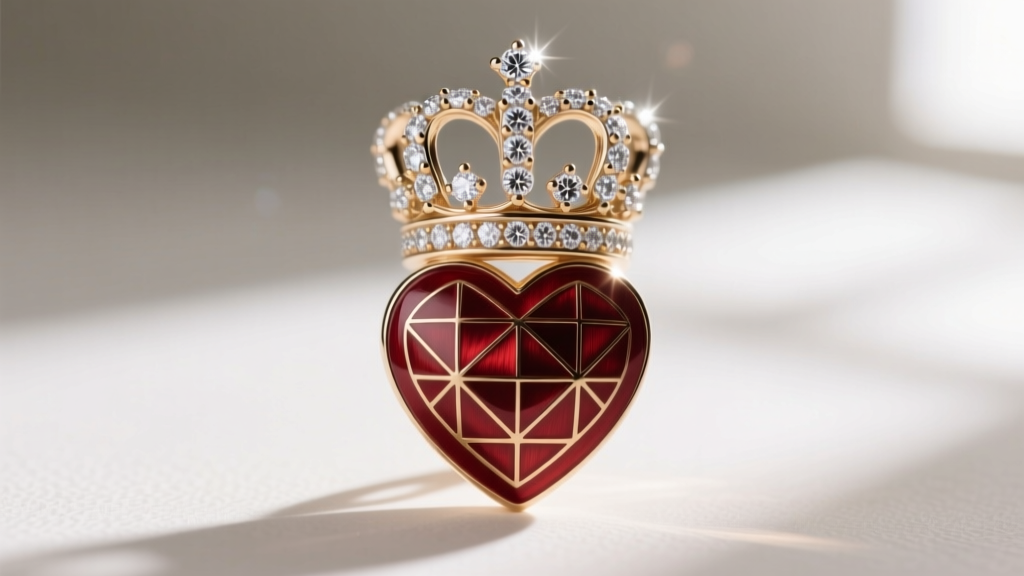
Evaluating the Crown's Gemstones
The crown element is frequently pavé-set with small accent stones. According to the Gemological Institute of America (GIA), it is vital to distinguish between Cubic Zirconia (CZ) and Lab-Grown Diamonds. CZ has a Mohs hardness of 8 to 8.5, meaning it will accumulate microscopic scratches over time, leading to a cloudy appearance within a year of daily wear. Lab-grown diamonds, sharing the exact carbon crystal structure and Mohs 10 hardness of mined diamonds, will remain brilliant indefinitely. If the product description vaguely states "crystal" or "simulated diamond," assume it is CZ or glass and price your expectations accordingly.
Enamel Techniques: Cold vs. Vitreous
If the heart features colored enamel, determine the application method. Cold enamel is essentially an epoxy resin. It is cheap to apply but will yellow, chip, and degrade when exposed to UV light and perfumes. Vitreous enamel (or guilloché enamel) is powdered glass fired at high temperatures onto the metal base. It is highly resistant to scratching, UV fading, and chemical degradation. High-end jewelers will explicitly state if vitreous or fired enamel is used.
Hallmark Verification and Authentication
Never purchase a precious metal heart and crown necklace without verifying the hallmark. In the United States and Europe, precious metals must be stamped with their purity. Look for 925 (Sterling Silver), 14K or 585 (14 Karat Gold), and 18K or 750 (18 Karat Gold). Be highly suspicious of pieces that feature a "925" stamp but are priced under $20; unscrupulous manufacturers frequently stamp base metals with fake silver hallmarks to deceive buyers. Use a jeweler's loupe to inspect the stamp on the back of the heart pendant and the inside of the lobster clasp; authentic stamps are crisp, deeply engraved, and perfectly aligned.
Final Buying Checklist
Before finalizing your purchase, run the necklace through this expert checklist:
- Metal Verification: Is it solid gold, platinum, or genuine 2.5-micron vermeil over 925 silver?
- Chain Gauge: Is the chain at least 1.0mm thick, and is it a structurally sound link (box or wheat)?
- Bail Integrity: Is the bail fully soldered shut to support the top-heavy crown?
- Stone Authenticity: Are the pavé stones explicitly listed as lab-grown/natural diamonds, or vague "crystals"?
- Clasp Quality: Does it feature a sturdy lobster clasp rather than a fragile spring ring?
By prioritizing structural integrity and metallurgical transparency over fast-fashion trends, your heart and crown necklace will remain a secure, brilliant symbol of devotion for decades to come.


