How to Authenticate and Style a Kirks Folly Moon Necklace
Learn how to authenticate, clean, and style a vintage Kirks Folly moon necklace with our expert step-by-step guide and hallmark tips.

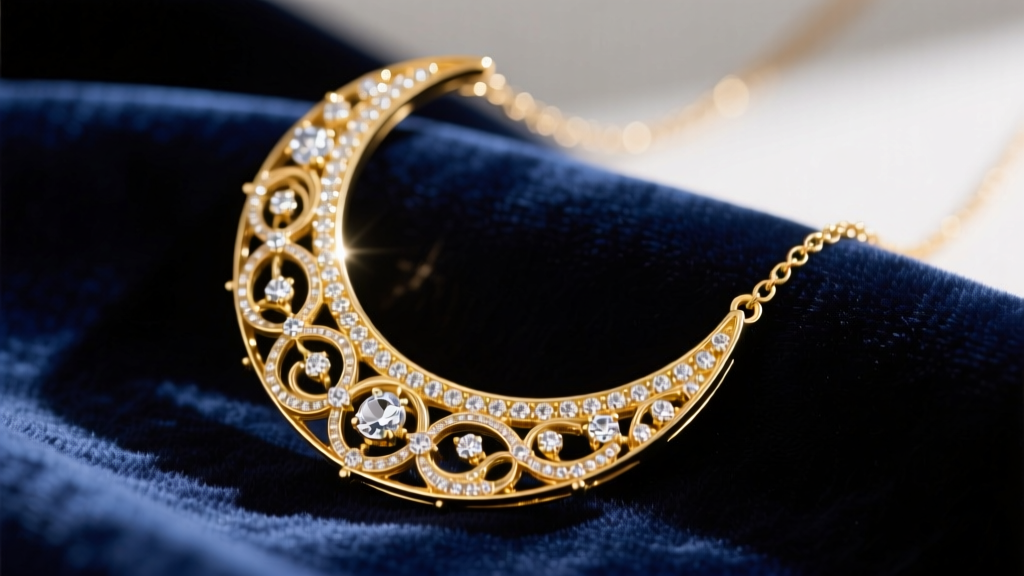
The secondary vintage jewelry market has seen a massive resurgence in whimsical, celestial motifs, and few brands capture this magic quite like Kirks Folly. Founded in Brighton, UK, in 1969 by Richard Kirk and Jennifer Folly, the brand became a staple of 1980s and 1990s fashion, beloved for its intricate, storybook-inspired designs. Among their most coveted pieces is the kirks folly moon necklace, a staple for collectors of celestial and gothic-romantic jewelry. However, as demand surges in 2026, so does the prevalence of misattributed or counterfeit pieces. This comprehensive, step-by-step guide will teach you how to authenticate, properly care for, and masterfully style a vintage Kirks Folly moon pendant.
The Legacy of Kirks Folly Celestial Jewelry
Before diving into authentication, it is crucial to understand what makes these pieces unique. Kirks Folly did not typically work with solid precious metals. Instead, their hallmark aesthetic relied on high-quality gold-plated or silver-plated base metals—often pewter, brass, or white metal alloys. The 'moon' motifs range from simple crescent shapes adorned with glass rhinestones to elaborate, multi-layered celestial scenes featuring cold enamel, faux pearls, and intricate filigree. Understanding these material realities is the first step in separating genuine vintage treasures from modern fast-fashion knockoffs.
Step 1: Authenticating the Hallmark and Metal
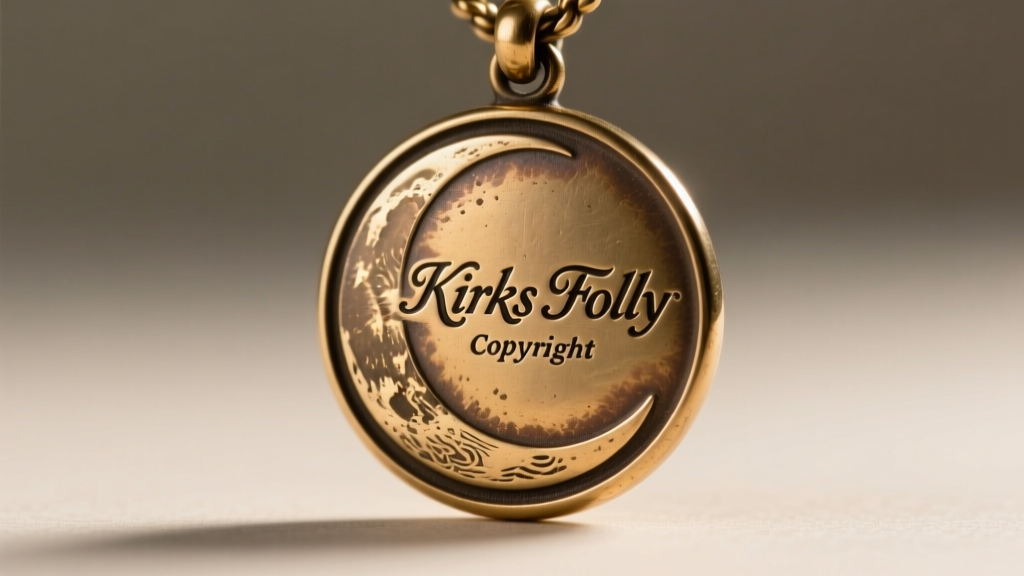
The most definitive way to verify a kirks folly moon necklace is by examining the hallmark. Unlike modern laser etching, vintage Kirks Folly marks were typically stamped or cast into small rectangular or oval plaques soldered onto the back of the pendant, or directly stamped into the metal if the piece was thick enough.
The Authentication Matrix
Use this table to cross-reference the physical traits of your pendant against known genuine specifications.
| Feature | Genuine Kirks Folly (1970s-1990s) | Fake / Misattributed Piece |
|---|---|---|
| Hallmark Font | Serif or elegant script, often with a © symbol | Sans-serif, modern block letters, or missing entirely |
| Plaque Placement | Soldered rectangular/oval plaque on the reverse | Glued on, or stamped poorly on a thin edge |
| Base Metal | Heavy pewter, brass, or white metal (magnetic test: non-magnetic) | Lightweight aluminum, hollow plastic, or magnetic steel |
| Stone Quality | High-grade glass rhinestones, foil-backed, prong-set or glued | Plastic acrylic stones, modern resin, or cheap glass |
| Enamel Type | Cold enamel (epoxy-based), slightly raised, vibrant | Painted on, flat, or easily scratching off |
Expert Tip: If the pendant sticks to a magnet, it is almost certainly a modern reproduction. Kirks Folly predominantly used non-ferrous base metals like pewter and brass for their cast pieces.
Step 2: Evaluating the Chain and Clasp Hardware
While pendants are the star of the show, the chain and clasp offer vital secondary clues. Original Kirks Folly necklaces often featured specific chain styles, such as medium-weight curb chains, rope chains, or herringbone links.
Examine the clasp closely. Vintage pieces from the 1980s typically utilized spring-ring clasps or early lobster clasves made of plated brass. If your necklace features a modern, lightweight aluminum lobster clasp with a 'Made in China' stamp, the chain has likely been replaced, or the entire piece is a modern reproduction. Furthermore, check the jump rings connecting the chain to the pendant. Genuine vintage pieces usually feature soldered or tightly closed jump rings, whereas cheap reproductions often use thin, easily bent wire that gaps open.
Step 3: Restoring and Cleaning Plated Vintage Pieces
Because a kirks folly moon necklace is crafted from plated base metals and features delicate cold enamel and glued rhinestones, standard jewelry cleaning methods can destroy it. Never use ultrasonic cleaners, silver dip, or harsh chemical polishes. According to the Gemological Institute of America (GIA), ultrasonic vibrations can easily shake loose foil-backed rhinestones and cause micro-fractures in vintage cold enamel.
Safe Cleaning Protocol
- Step A: Mix a few drops of mild, phosphate-free dish soap into a bowl of distilled water (tap water minerals can leave spots on the plating).
- Step B: Dip a soft-bristled baby toothbrush into the solution and gently brush the crevices of the moon pendant, avoiding heavy scrubbing on the rhinestone settings.
- Step C: Rinse quickly under a gentle stream of lukewarm distilled water. Do not let the piece soak, as water can seep under the settings and cause the base metal to oxidize or the glue to fail.
- Step D: Pat dry immediately with a lint-free microfiber cloth and allow it to air dry completely in a warm room before storing.
For tarnished gold-plated areas, use a dry, untreated jewelry polishing cloth. As noted by Lang Antiques in their hallmark and care guides, treating plated vintage jewelry with chemical dips will strip the gold layer entirely, exposing the raw pewter or brass beneath.

Step 4: Styling and Layering Your Moon Pendant
A vintage moon necklace is a versatile statement piece, but styling it requires an understanding of proportions and neckline pairings. Because Kirks Folly pendants tend to be ornate and slightly heavy, they need the right canvas to shine.
Neckline Pairing Guide
- The Turtleneck (16-18 inch chains): A gold-plated crescent moon pendant pops brilliantly against a black or deep burgundy silk turtleneck. The high contrast highlights the intricate metalwork.
- The Scoop Neck (20-24 inch chains): Let the pendant rest just above the collarbone. This draws the eye downward and elongates the neck, perfect for larger, multi-layered celestial pendants.
- The V-Neck (18 inch chains): Follow the natural geometry of the V-neckline. A teardrop or elongated moon phase pendant works best here, mirroring the angle of the garment.
The Art of the Vintage Layer
To elevate your kirks folly moon necklace for a modern 2026 aesthetic, layer it with complementary chains. Because the vintage piece is plated base metal, avoid layering it directly with solid 14k gold chains, as the friction can wear down the vintage plating over time. Instead, use a spacer bead or a velvet ribbon choker as a buffer layer. Pair the moon pendant with a simple, matte-finish brass chain and a small, minimalist star or sun stud to create a cohesive celestial theme without overwhelming the neckline.
Market Value and Sourcing in 2026
If you are hunting for a genuine piece, knowing the current market value is essential to avoid overpaying. As of 2026, a standard Kirks Folly crescent moon necklace in good condition (minor plating wear, all stones intact) typically ranges from $85 to $150 on platforms like Etsy and RubyLane. However, rare, large-scale 'storyboard' moon pendants—those featuring elaborate enamel scenes, moving parts, or rare colorways—can command between $250 and $450 on specialized vintage curator sites like 1stDibs. Always request high-resolution macro photos of the hallmark and the back of the pendant before purchasing, and verify the seller's return policy regarding authenticity.
By following these authentication, care, and styling steps, you can confidently source and wear a piece of jewelry history, keeping the whimsical magic of Kirks Folly alive for decades to come.


