How to Authenticate and Style an Artisan Haiti Necklace
Learn how to authenticate, re-string, and style an artisan Haiti necklace. Expert tips on recycled steel drum jewelry, patina care, and neckline pairing.

The Allure of the Artisan Haiti Necklace
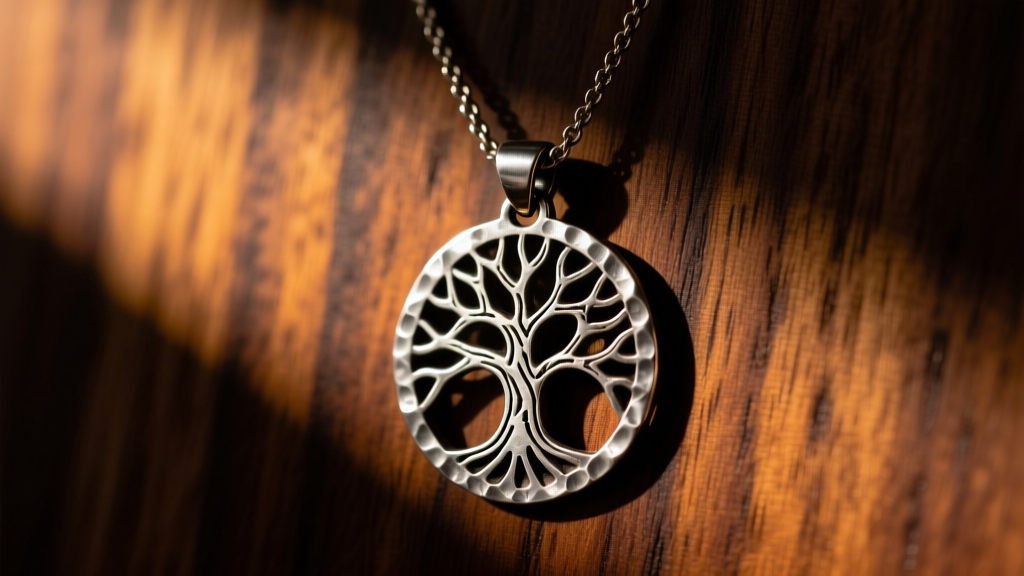
In the landscape of sustainable and culturally rich jewelry, the artisan Haiti necklace stands out as a masterclass in upcycling and heritage craftsmanship. Originating primarily from the village of Croix-des-Bouquets, these striking pieces are traditionally hand-cut and hammered from recycled 55-gallon steel oil drums. As we move through 2026, the demand for ethically sourced, story-driven jewelry has skyrocketed, making these necklaces highly sought after by collectors and eco-conscious fashion enthusiasts alike.
However, the rise in popularity has also led to an influx of factory-made imitations. Mass-produced stampings often masquerade as authentic Haitian metalwork, leaving buyers confused about what they are actually purchasing. Furthermore, authentic vintage or newly sourced artisan pieces often arrive on basic, degrading cords that require immediate upgrading for daily wear.
This comprehensive guide will walk you through the exact steps to authenticate a genuine Haiti necklace, upgrade its hardware for longevity, preserve its unique patina, and style it for modern wardrobes. According to the Smithsonian Center for Folklife and Cultural Heritage, the tradition of Haitian metalwork is deeply intertwined with local history and spiritual motifs, making the preservation of these pieces a matter of cultural importance.
Step 1: Authenticating Hand-Hammered Recycled Steel
Before you invest in or restore a Haiti necklace, you must verify its origins. Genuine pieces are crafted using cold chisels and ball-peen hammers, a labor-intensive process that leaves distinct physical evidence on the metal.
Factory Stamped vs. Hand-Cut: The Telltale Signs
To the untrained eye, a laser-cut steel pendant might look similar to a hand-chiseled one. However, under close inspection, the differences are stark. Use a jeweler's loupe (10x magnification) to examine the edges and the surface texture of the pendant.
- Edge Uniformity: Factory-stamped or laser-cut pendants have perfectly uniform, razor-sharp, or mechanically tumbled edges. Authentic hand-cut pieces will exhibit slight micro-asymmetries. You may even feel tiny, smoothed-over burrs where the chisel met the steel.
- Surface Topography: A genuine Haiti necklace pendant will not be perfectly flat. The force of the hammer creates a subtle, undulating topography. Light should catch the surface in varied, organic waves rather than reflecting a perfect, flat mirror image.
- Thickness and Weight: Artisans typically work with steel that is 1.5mm to 2.0mm thick to allow for deep repoussé work without tearing the metal. Factory imitations are often stamped from thin 0.5mm sheet metal to save on shipping and material costs.
- Motif Execution: Look closely at intricate details like the leaves on a Tree of Life or the feathers on a dove. Hand-chiseled lines will vary slightly in depth and width, whereas machine-made lines are mathematically identical.
Step 2: Upgrading the Cord and Hardware
Authentic pieces purchased directly from artisans or fair-trade markets are frequently strung on basic cotton string, thin nylon, or soft copper wire. While charming, these materials degrade quickly from skin oils and friction, risking the loss of your pendant. Upgrading the suspension system is a critical step in making your Haiti necklace a durable, everyday piece.
Cord Material Comparison
| Cord Material | Durability | Aesthetic Profile | Best Application |
|---|---|---|---|
| 2mm Waxed Cotton | High | Matte, Earthy, Traditional | Everyday casual wear, bohemian styles |
| 1.5mm Vulcanized Rubber | Very High | Sleek, Modern, Waterproof | Active lifestyles, humid climates |
| 18-Gauge Sterling Wire | Medium (can kink) | Elevated, Fine Jewelry | Office wear, evening layering |
| 3mm Braided Leather | High | Rugged, Masculine, Vintage | Statement pieces, heavy pendants |
Step-by-Step Re-Stringing Guide
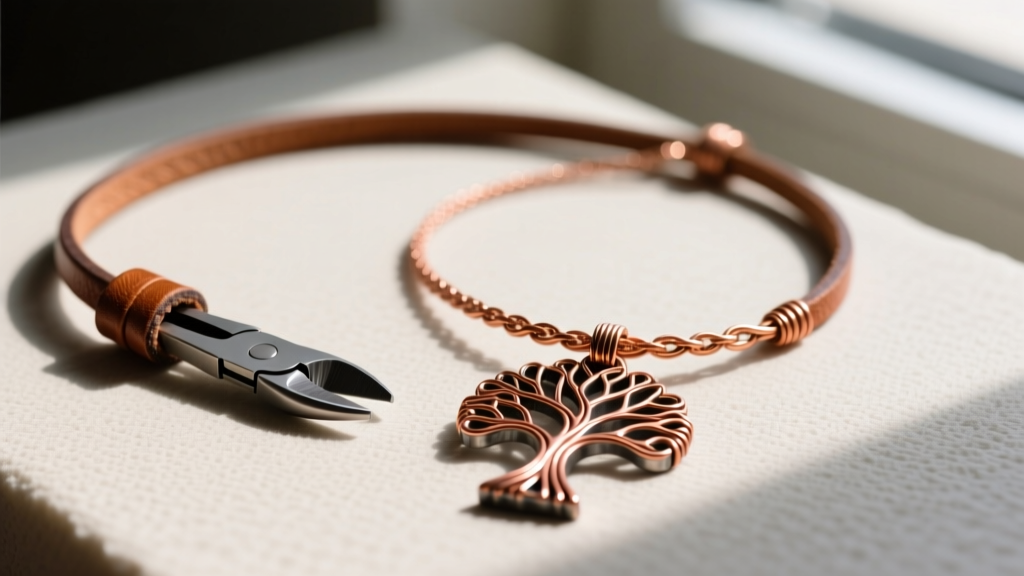
- Remove the Old Hardware: Use flush cutters to carefully snip the old cord or wire. Do not pull the pendant off forcefully, as you may bend the delicate steel bail (the loop at the top of the pendant).
- Prepare the New Cord: Cut your chosen cord to a 20-inch length for a standard princess-length necklace. If using waxed cotton or leather, seal the tips with a lighter or a dab of clear jeweler's epoxy to prevent fraying.
- Attach the Clasp: Thread a 14k gold-filled or sterling silver tube clasp onto one end. Fold the cord back over itself by about 1 inch, thread it through a 2mm crimp bead, and crush the crimp bead using chain-nose pliers. Trim the excess cord.
- Finish the Loop: On the opposite end, thread a small steel or sterling jump ring, secure it with another crimp bead, and trim. This creates a professional, secure closure that honors the craftsmanship of the pendant.
Step 3: Cleaning and Preserving the Patina
Because these necklaces are made from recycled carbon steel, they are highly susceptible to oxidation (rust) when exposed to moisture and humidity. Many artisans apply a basic clear coat, but this inevitably chips or wears away over time. Proper maintenance is essential to preserve the dark, moody patina that gives the Haiti necklace its character.
Expert Warning: Never use commercial silver dips, ultrasonic cleaners, or harsh abrasive polishes on Haitian steel jewelry. These methods will strip the intentional antiquing and dark oxidation that defines the piece's contrast, leaving it looking flat and unnaturally bright.
The Renaissance Wax Method
The gold standard for preserving carbon steel and iron artifacts, as recommended by conservationists and institutions like the Gemological Institute of America (GIA) for non-porous metal care, is microcrystalline wax.
- Surface Prep: Wipe the pendant down with a dry, lint-free microfiber cloth to remove skin oils and dust. If the piece is heavily soiled, use a soft-bristled toothbrush with a tiny drop of pH-neutral dish soap and water, then dry it immediately and thoroughly with a hairdryer on a cool setting.
- Wax Application: Using a soft cotton swab or your fingertip, apply a very thin, even layer of Renaissance Wax over the entire surface of the steel pendant, including the bail and any crevices in the design.
- Curing and Buffing: Allow the wax to dry and haze over for about 10 minutes. Once dry, take a clean microfiber cloth and gently buff the surface. This creates a moisture-resistant barrier that will protect the steel from rusting for months, even with daily wear.

Step 4: Styling Your Haiti Necklace for Modern Wardrobes
The intricate, folk-art aesthetic of a Haiti necklace makes it a versatile statement piece. However, because the steel is dark and visually heavy, it requires thoughtful styling to ensure it complements rather than overwhelms your outfit. In 2026, the trend leans heavily into 'heritage layering'—mixing culturally significant artisan pieces with delicate, modern chains.
Neckline Pairing Guide
- The Crew Neck Tee: A classic white or heather-grey crew neck t-shirt provides the perfect high-contrast canvas for a dark steel Tree of Life or map pendant. Let the necklace sit at the collarbone (approx. 16 inches) for a casual, effortless look.
- The V-Neck Blouse or Dress: The downward angle of a V-neck mimics the shape of most teardrop or shield-shaped Haitian pendants. Pair a 20-inch cord with a deep V-neckline to elongate the torso and draw the eye directly to the metalwork.
- The Button-Down Shirt: For a smart-casual or office-appropriate look, wear your Haiti necklace over a crisp, unbuttoned linen shirt. The organic texture of the linen beautifully mirrors the hand-hammered texture of the recycled steel.
The Art of Heritage Layering
To integrate your Haiti necklace into a contemporary jewelry stack, use it as your 'anchor' piece. Because the steel pendant is visually dense, pair it with two longer, delicate chains (such as a 22-inch and 24-inch 14k gold-filled rope chain). The contrast between the rugged, matte recycled steel and the bright, reflective gold chains creates a sophisticated, globally-inspired aesthetic that feels both intentional and deeply personal.
Final Thoughts on Ethical Sourcing
Owning a Haiti necklace is about more than just accessorizing; it is an act of participating in a global craft tradition that supports local economies and champions environmental sustainability through upcycling. When shopping for these pieces, always seek out fair-trade cooperatives or direct-from-artisan platforms that ensure the metalworkers in Croix-des-Bouquets and surrounding areas are compensated fairly for their incredible skill. By taking the time to authenticate, properly string, and carefully maintain your piece, you ensure that this wearable piece of Haitian history will endure for decades to come.


