Complete Care and Cleaning Guide for Circle of Life Necklaces
Learn expert cleaning and maintenance tips for your circle of life necklace. Discover safe methods for silver, gold, and enamel pendants.

The Anatomy of a Circle of Life Necklace: Materials Matter
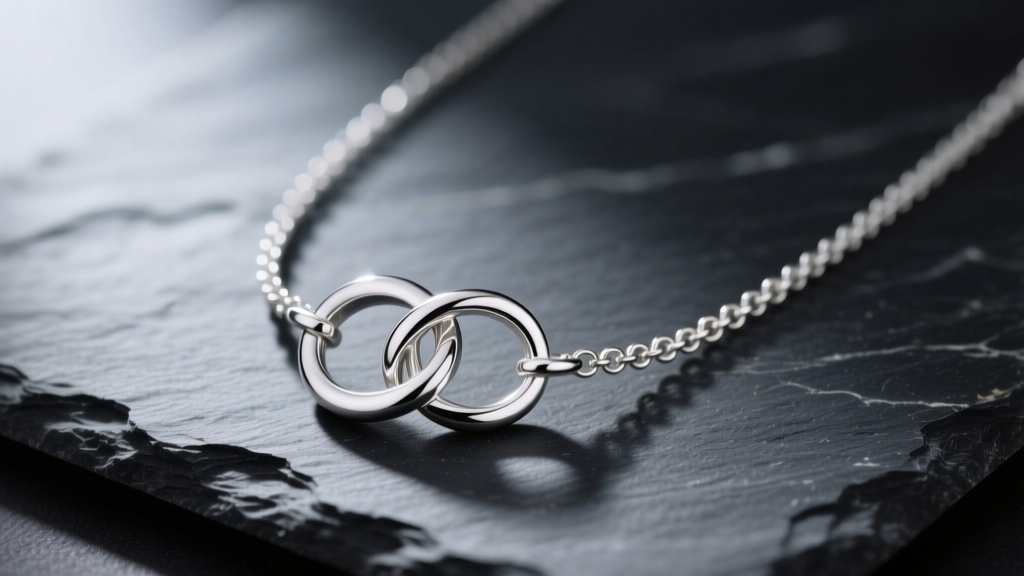
The circle of life necklace is a deeply symbolic piece of jewelry, often featuring continuous loops, Celtic knots, ouroboros motifs, or interlocking rings. Because these designs rely on intricate wirework, cast crevices, and overlapping joints, they are notorious for trapping sebum, cosmetic lotions, and environmental dust. Before applying any cleaning protocol, you must identify the exact material composition of your pendant and chain. A standard 925 sterling silver piece requires vastly different care than a 14k solid gold pendant with cold enamel inlays. Misidentifying your materials is the fastest way to permanently damage the finish or loosen structural solder joints.
Step-by-Step Cleaning Protocols by Material
Proper maintenance requires matching the cleaning agent to the metal's specific chemical properties. Below are the industry-standard protocols for the most common materials used in symbolic circular pendants.
Sterling Silver and Oxidized Details
Sterling silver contains 92.5% pure silver and 7.5% copper. It is the copper that reacts with sulfur in the air and on your skin to form silver sulfide (tarnish). For high-polish silver circle of life necklaces, an electrochemical bath is highly effective. Line a glass bowl with aluminum foil (dull side down), add one tablespoon of baking soda and one tablespoon of non-iodized salt, and pour in boiling water. Submerge the necklace for 3 to 5 minutes. The aluminum acts as a sacrificial anode, pulling the sulfur away from the silver without mechanical abrasion.
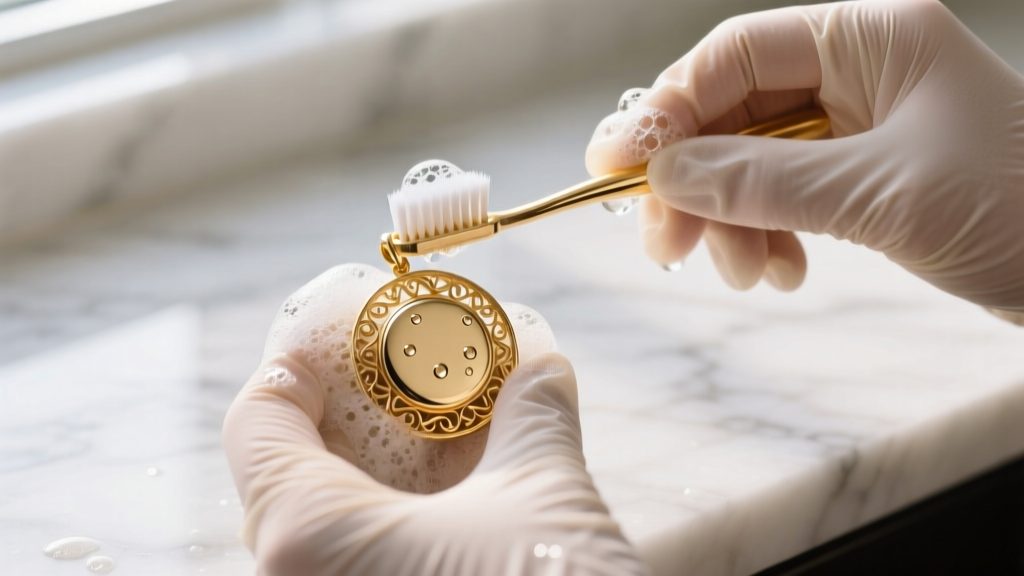
Critical Warning: If your pendant features intentional antiquing (blackened recesses used to highlight Celtic knots or intricate knotwork), do not use the aluminum foil method. It will strip the deliberate patina, leaving the piece looking flat and overly bright. Instead, use a few drops of pH-neutral dish soap in lukewarm water and gently agitate with an extra-soft baby toothbrush.
Gold Vermeil and Solid Gold
As of 2026, the standard for gold vermeil remains a minimum of 2.5 microns of gold plated over a sterling silver base. This layer is thin and easily compromised. Never use treated polishing cloths (like standard Sunshine cloths) on vermeil, as the embedded micro-abrasives will strip the gold layer down to the silver core. For both vermeil and solid 14k or 18k gold, soak the necklace in a solution of warm water and a few drops of mild, phosphate-free dish soap for 10 minutes. Rinse thoroughly under a gentle stream of lukewarm water and pat dry with an untreated, lint-free microfiber cloth.
Enamel and Gemstone Inlays
Many modern circle of life pendants incorporate enamel for vibrant color contrast. You must determine whether the piece uses vitreous enamel (kiln-fired glass) or cold enamel (epoxy resin). Cold enamel is highly susceptible to thermal shock and chemical degradation. Never use hot water, alcohol, or ultrasonic cleaners on cold enamel, as it will cause the resin to cloud, crack, or pop out of its metal bezel. Clean enameled sections using only cold water and a damp cotton swab. For gemstone inlays like turquoise or opals, avoid prolonged soaking entirely, as these porous stones can absorb water and fracture.
Chain and Clasp Maintenance: Preventing Breakage
The pendant is only half the equation; the chain and clasp endure the most mechanical stress. Box chains and rolo chains are popular for heavier circular pendants, but their geometric links easily trap dead skin cells and lotion. Use a soft-bristled brush to clean the interior of each link.
The lobster clasp is the most common failure point on a necklace. It relies on a tiny internal steel spring. If the lever feels sticky or fails to snap shut completely, debris is likely jamming the hinge. Use a wooden toothpick to gently dislodge dirt from the hinge pin. If the mechanism remains stiff, apply a microscopic drop of synthetic watch oil (such as Moebius 9010) to the hinge. Avoid using standard household oils like WD-40, which attract dust and eventually gum up the spring. Additionally, inspect the jump ring connecting the clasp to the chain. If the gap in the jump ring has widened, use two pairs of flat-nose pliers to twist it closed laterally; never pull the ends apart horizontally, as this weakens the wire's temper.
Cleaning Methods Comparison Chart
| Cleaning Method | Best Used For | Avoid On | Recommended Frequency |
|---|---|---|---|
| Electrochemical Bath (Foil/Baking Soda) | High-polish 925 Sterling Silver | Oxidized/Antiqued silver, Gemstones | Every 3-6 months |
| Mild Soap & Lukewarm Water | Solid Gold, Gold Vermeil, Platinum | Porous stones (Opal, Turquoise) | Monthly |
| Cold Water & Cotton Swab | Cold Enamel, Pearls, Porous Gemstones | Heavy grease or lotion buildup | As needed |
| Ultrasonic Cleaner | Diamonds, Sapphire, Solid Platinum | Enamel, Emeralds, Opals, Vermeil | Annually (Professional only) |
What to Avoid: Common Cleaning Mistakes
According to guidelines from the Jewelers of America, the majority of jewelry damage occurs during well-intentioned but improper home cleaning. Avoid these critical errors:
- Toothpaste: Toothpaste contains hydrated silica, an abrasive that scores a 3 to 4 on the Mohs hardness scale. This is hard enough to leave permanent micro-scratches on high-polish gold and silver, dulling the reflective surface of your pendant.
- Ultrasonic Cleaners: While effective for diamond solitaires, the high-frequency vibrations in ultrasonic baths will shatter cold enamel, fracture included gemstones, and shake loose the adhesive used in pave settings.
- Chlorine and Bromine: Never wear your necklace in swimming pools or hot tubs. Chlorine reacts with the copper alloys in both sterling silver and karat gold, causing irreversible structural weakening and stress corrosion cracking.
Proper Storage Techniques to Prevent Tarnish and Tangles
How you store your circle of life necklace when it is not being worn is just as important as how you clean it. Tarnish is a chemical reaction accelerated by humidity and airborne sulfur compounds. To mitigate this, store your necklace in an airtight polyethylene ziplock bag with a 3M anti-tarnish strip. These strips absorb sulfur gases and typically remain effective for 6 to 12 months before needing replacement.
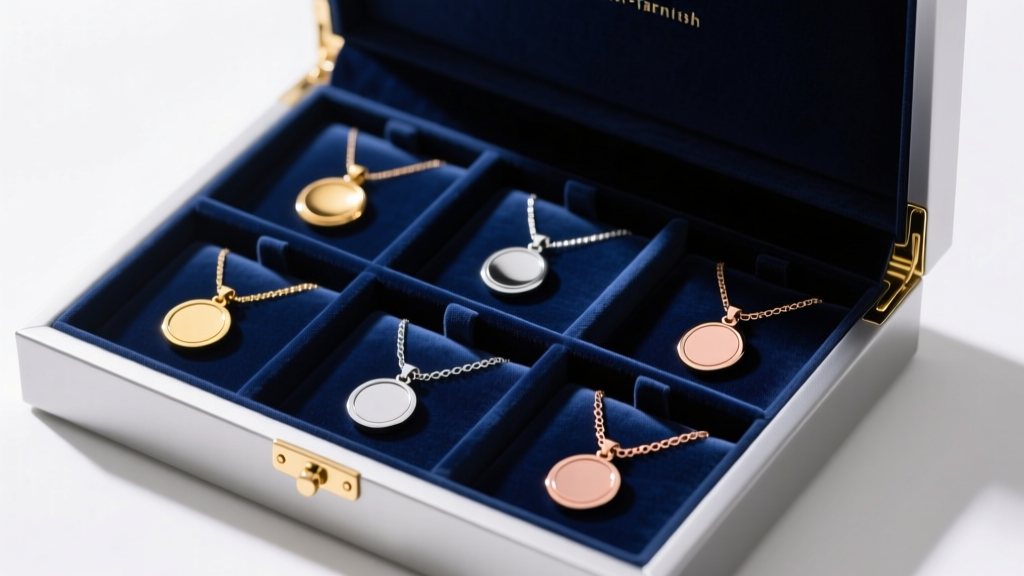
To prevent the intricate loops of the pendant from tangling with the chain, fasten the lobster clasp through the end link before storing. For optimal protection, lay the necklace flat in a jewelry box lined with anti-tarnish treated flannel. Avoid hanging heavy circular pendants on standard jewelry trees, as the constant gravitational pull can stretch delicate cable chains over time, permanently distorting the link geometry. For more insights on preserving precious metals, the Gemological Institute of America (GIA) offers extensive guidelines on material-specific storage environments.
Conclusion
Maintaining a circle of life necklace requires a tailored approach based on its specific materials and structural design. By avoiding harsh abrasives, understanding the chemical nature of silver tarnish, and performing routine mechanical checks on the clasp and jump rings, you can ensure your symbolic pendant remains pristine for decades. Consistent, gentle care will preserve both the physical integrity and the sentimental continuity of this timeless jewelry staple.


