The Ultimate Amber Teething Necklace Buying & Safety Guide
Discover what to look for in an amber teething necklace, from authentic Baltic resin and breakaway clasps to critical safety warnings and testing methods.

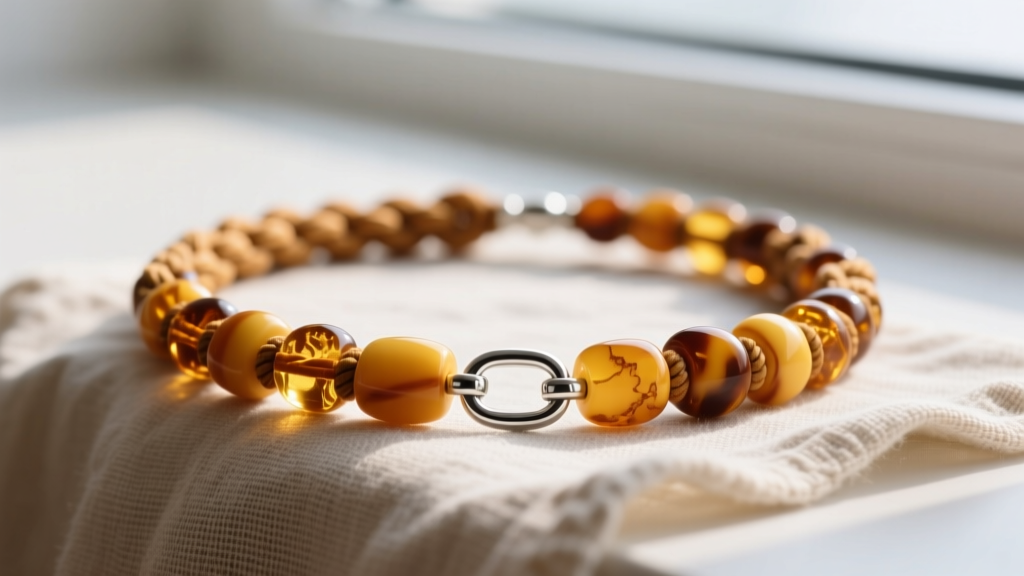
The search for natural, drug-free pain relief for a teething infant often leads parents to the amber teething necklace. Marketed as an ancient European remedy, these necklaces are crafted from fossilized tree resin and are claimed to soothe inflamed gums through the release of natural compounds. However, as a domain expert in jewelry materials and safety hardware, I must bridge the gap between traditional marketing and modern pediatric safety standards.
This comprehensive buying guide will dissect the material authenticity of Baltic amber, the mechanical realities of necklace hardware, and the critical safety protocols you must understand before making a purchase. If you are considering this jewelry for your child, you must prioritize harm reduction and material verification above all else.
The Medical Consensus: Understanding the Inherent Risks
Before evaluating amber quality, we must address the medical consensus surrounding infant jewelry. Major health organizations, including the U.S. Food and Drug Administration (FDA) and the Consumer Product Safety Commission (CPSC), strongly advise against the use of any teething jewelry. The risks are categorized into two primary hazards:
- Strangulation: Any item worn around an infant's neck poses a severe strangulation risk if it catches on a crib rail, car seat, or playground equipment.
- Choking and Aspiration: If the stringing material degrades or snaps, the beads can become loose. While a large pendant might cause choking, small beads can be aspirated directly into the lungs, creating a life-threatening medical emergency.
Therefore, if an amber teething necklace is used, it must never be used for chewing, and it must only be worn under direct, unbroken adult supervision. Many pediatricians recommend wrapping the necklace around the infant's ankle (under a sock) or removing it entirely during sleep and car rides to mitigate the strangulation hazard.
Material Authenticity: Genuine Baltic Amber vs. Imitations
The market is flooded with counterfeit teething necklaces. Genuine Baltic amber (Succinite) is a fossilized resin dating back 40 million years, whereas cheap imitations are often made from toxic epoxy resins, polyester plastics, or Copal (a young, semi-fossilized resin that is only a few hundred to a few million years old). Copal is softer, melts easily, and lacks the durability required for safe jewelry.
When shopping, look for sellers who provide certificates of authenticity from recognized gemological laboratories or Baltic amber guilds. However, because certificates can be forged, you must know how to verify the material yourself.
At-Home Authenticity Testing Matrix
| Test Method | Genuine Baltic Amber | Copal / Plastic Fake |
|---|---|---|
| Saltwater Float | Floats in a saturated saltwater solution (1 part salt to 2 parts water). | Sinks to the bottom due to higher plastic/resin density. |
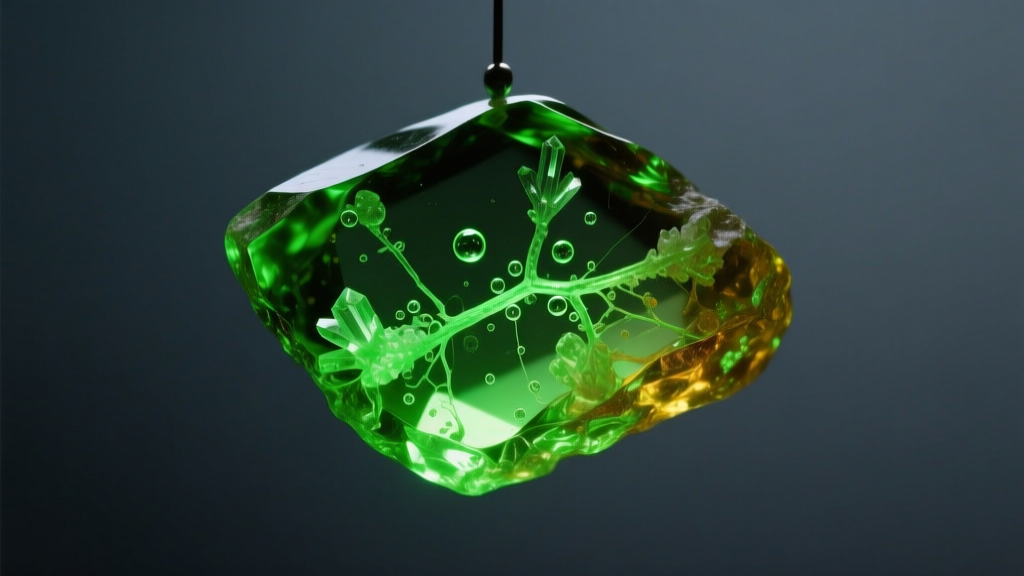
| UV Blacklight | Exhibits a distinct, bright fluorescent green or blue glow. | Shows no fluorescence or a dull, weak white reflection. |
| Hot Needle Test | Emits a pleasant, piney, incense-like smoke and scent. | Smells like burnt plastic, chemicals, or sweet synthetic sap. |
| Acetone Rub | Unaffected; surface remains hard and glossy. | Becomes tacky, sticky, or loses its polish. |
Critical Hardware: Harm Reduction and Clasp Mechanics
If you accept the supervised-use caveat, the physical construction of the necklace is your primary line of defense against choking and strangulation. Do not compromise on the following hardware specifications:
1. Individual Knotting
Never buy a strand where beads are grouped together or strung on a continuous loop without barriers. A genuine safety-focused amber teething necklace must be hand-knotted between every single bead. Standard amber beads range from 4mm to 6mm in diameter. If the nylon or silk string snaps, individual knotting ensures that only one or two beads are released, rather than the entire strand spilling into the child's environment.
2. The Breakaway Clasp Paradox
The clasp is the most complex safety component. You need a mechanism that prevents the toddler from unclasping it themselves, yet yields instantly under lateral tension to prevent strangulation.
- Screw Clasps: These require a twisting motion to open, making it difficult for infants to remove. However, they do not break away under tension, posing a strangulation risk if the necklace snags.
- Pop Clasps: These snap together magnetically or via friction. Toddlers can easily learn to pull them apart, leading to lost necklaces and loose beads.
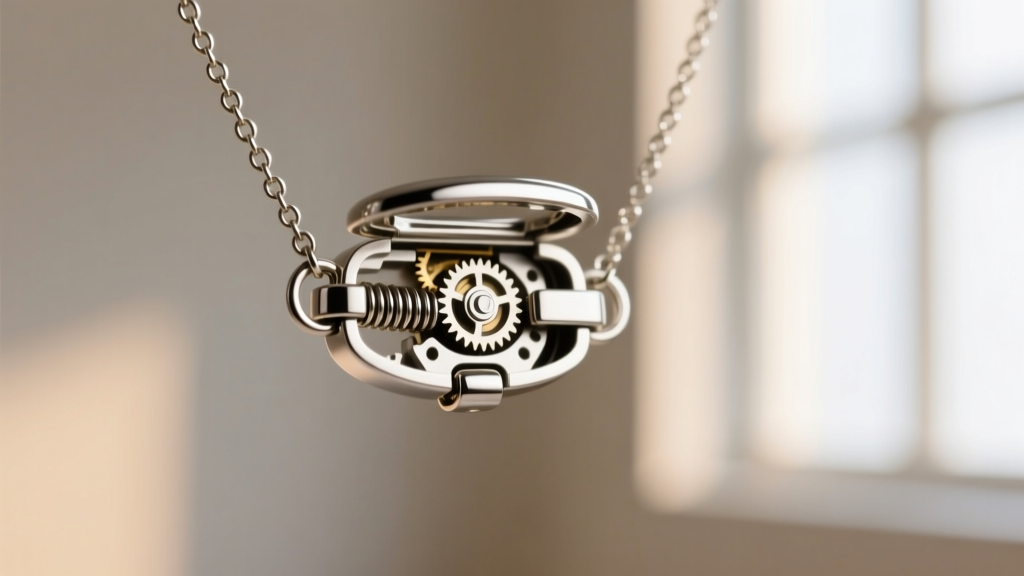
- Tension-Release Breakaway Clasps: This is the gold standard. These clasps feature a hidden internal mechanism that pops open when subjected to roughly 3 to 5 pounds of lateral pulling force. Always test the clasp yourself by pulling it firmly before placing it on the child.
3. Stringing Material
Look for high-tensile, knotted nylon or braided silk. Cotton degrades quickly when exposed to saliva and moisture, significantly increasing the risk of the string snapping without warning.
The Chemistry of Succinic Acid: Separating Myth from Science
Marketing materials frequently claim that an amber teething necklace works because human body heat warms the resin, causing it to release trace amounts of succinic acid into the skin, which then acts as a natural analgesic and anti-inflammatory agent. As a material science perspective, this claim requires scrutiny.
Baltic amber does indeed contain high concentrations of succinic acid (typically 3% to 8% by weight). However, succinic acid is a crystalline solid with a melting point of approximately 185°C (365°F). Human skin temperature rests around 34°C (93°F). From a chemical standpoint, the thermal energy provided by an infant's neck is vastly insufficient to break down the fossilized polymer matrix or leach therapeutic doses of succinic acid through the epidermis. Any perceived soothing effects are more likely attributed to the placebo effect on parents, or the simple tactile distraction of the child playing with the beads (which, again, introduces a chewing hazard).
Expert Insight: If a seller claims their amber is 'extra rich' in oils that leach at room temperature, they are likely selling heated, artificially treated Copal or a synthetic resin blend, not genuine fossilized Succinite.
Final Verdict and Safer Alternatives
An amber teething necklace is a beautiful piece of organic jewelry, but it is not a medical device. If you choose to purchase one for its aesthetic and traditional value, you must act as the primary safety officer. Verify the Baltic origin using the saltwater and UV tests, insist on individually knotted high-tensile nylon, and demand a certified tension-release breakaway clasp.
For actual, scientifically backed teething relief, bypass the jewelry aisle entirely. Opt for solid, food-grade silicone teething rings that can be safely chilled in the refrigerator, or untreated, splinter-free wooden teething rings. These alternatives provide the counter-pressure infants crave on their inflamed gums without introducing the severe strangulation and aspiration risks inherent to any neck-worn jewelry.


