Citrine Necklace Gold Alloys: A Gemological & Technical Guide
Explore the technical details of a citrine necklace gold setting. Learn about quartz inclusions, 14k vs 18k gold alloys, and prong durability.

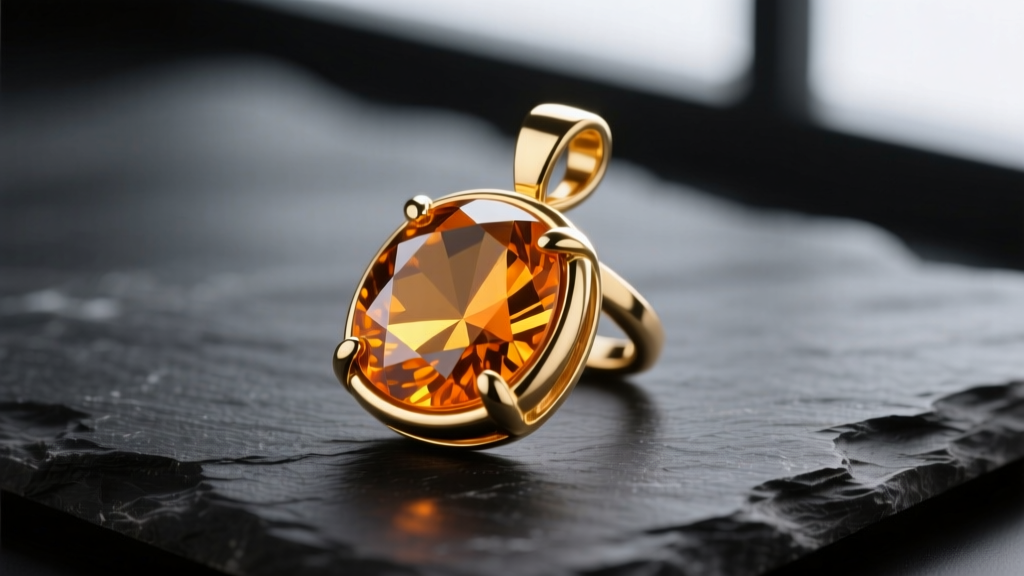
The Gemological Reality of Citrine: Natural vs. Heat-Treated
When evaluating a citrine necklace gold pendant, the first technical hurdle is understanding the gemological origin of the stone. Citrine is a macrocrystalline variety of quartz (SiO2) with a Mohs hardness of 7. However, natural citrine is exceptionally rare and typically presents as a pale, greenish-yellow. The vast majority of commercial citrine—especially the highly prized, deep reddish-orange 'Madeira' variety—is actually heat-treated amethyst or smoky quartz.
According to the Gemological Institute of America (GIA), heating amethyst to temperatures between 470°C and 560°C oxidizes the iron impurities (Fe3+) within the crystal lattice. This thermal alteration shifts the light absorption spectrum, producing the vibrant yellow-to-orange hues consumers desire. From a structural standpoint, this heat treatment does not compromise the stone's durability, but it does introduce specific inclusion patterns. Gemologists identify heat-treated citrine by the presence of 'tiger stripe' inclusions and microscopic fluid fractures, which are remnants of the original amethyst's growth structure.
Failure Modes in Quartz Settings
While citrine lacks cleavage planes (meaning it does not split along defined structural weaknesses like diamond or topaz), it is highly susceptible to conchoidal fracturing. If a gold prong applies uneven lateral pressure to an uneven girdle, the citrine can chip or shatter. This makes precision in the setting mechanics absolutely critical.
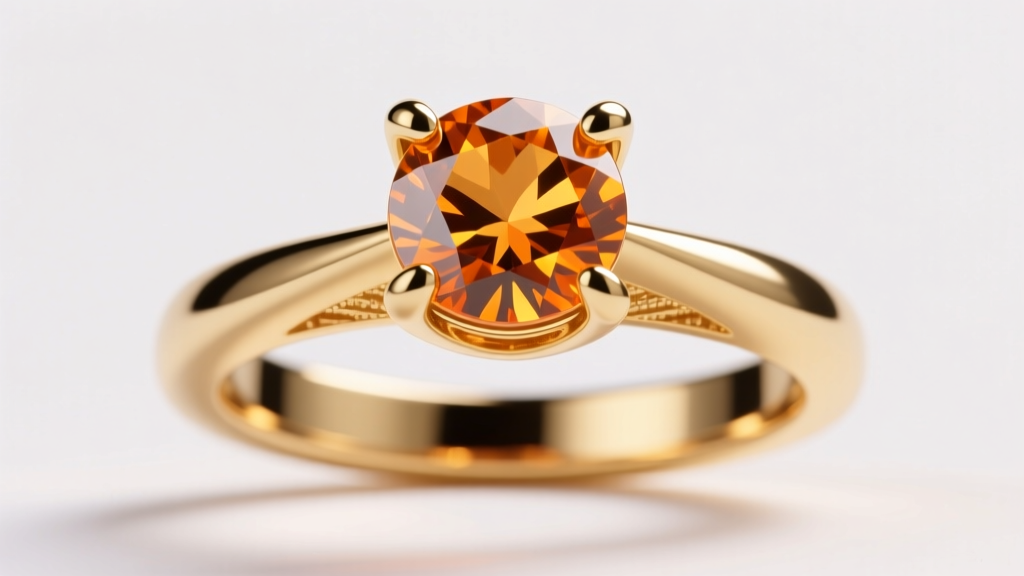
Gold Metallurgy: 14k vs. 18k for Citrine Pendants
The structural integrity of your jewelry relies heavily on the specific gold alloy used. Pure 24k gold is far too soft (Vickers hardness of ~25 HV) for functional jewelry. Therefore, gold is alloyed with copper, silver, and zinc to increase tensile strength and shear resistance. When selecting a citrine necklace gold setting, the choice between 14k and 18k gold dictates both the aesthetic and the mechanical lifespan of the piece.
14k Gold (58.5% Au)
14k yellow gold is the industry standard for high-stress prong settings. With a Vickers hardness ranging from 135 to 140 HV, 14k gold offers superior resistance to metal fatigue. For a heavy citrine pendant (e.g., a 15mm x 20mm emerald-cut stone weighing over 12 carats), 14k gold prongs will maintain their grip over decades of daily wear without requiring frequent re-tipping.
18k Gold (75% Au)
18k gold offers a richer, warmer color that beautifully complements the golden-orange hues of Madeira citrine. However, its Vickers hardness drops to approximately 120-125 HV. This increased malleability means 18k gold prongs are more prone to bending if the pendant catches on clothing. If you opt for an 18k citrine necklace gold design, a bezel setting or a heavily reinforced cathedral prong design is strongly recommended to mitigate the risk of stone loss.
Expert Insight: Never use a standard ultrasonic cleaner on a fracture-filled citrine, regardless of the gold karat. While untreated citrine handles ultrasonic vibrations well, fracture-filled stones can cloud or fracture entirely under high-frequency acoustic cavitation.
Setting Mechanics: Prong vs. Bezel Engineering
The interface between the gold setting and the citrine girdle is the most common point of mechanical failure. Jewelers must account for the stone's brittleness when designing the mounting.
- Four-Prong Settings: Ideal for maximizing light return through the crown. However, the prongs must be filed with a precise 45-degree bearing seat to cradle the girdle evenly. Pointed prongs create localized stress concentrations that can chip the quartz.
- Six-Prong Settings: Distributes pressure more evenly across the girdle, reducing the risk of conchoidal chipping. Often used for larger, oval-cut citrines exceeding 10 carats.
- Bezel Settings: A full gold bezel encircles the entire girdle, offering maximum protection against impact. The interior wall of the bezel must be perfectly flush with the stone's girdle; any gaps will allow moisture and debris to accumulate, potentially degrading the polish of the gold over time.
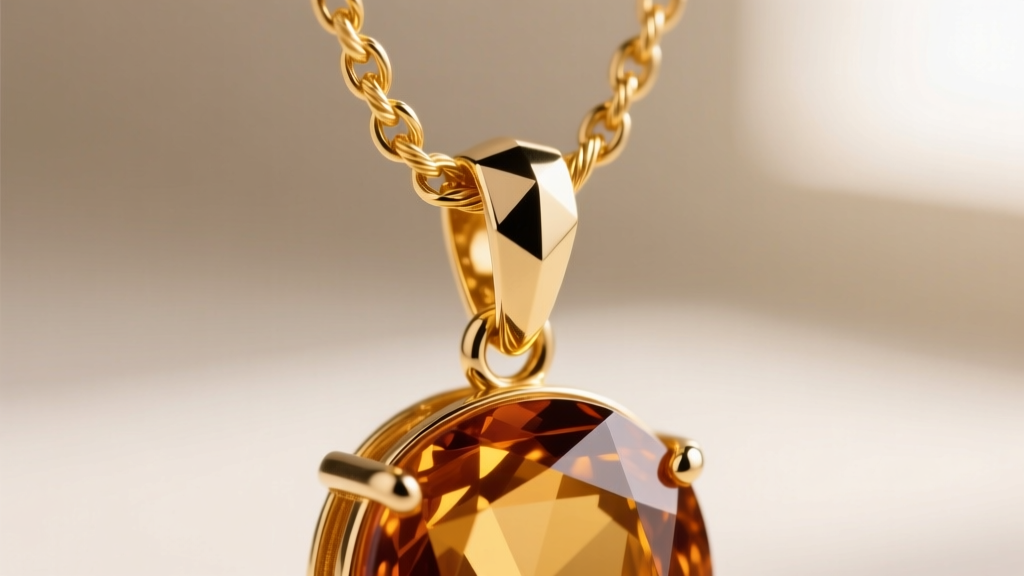
Chain Gauge and Clasp Engineering
A citrine necklace gold pendant is only as secure as the chain supporting it. The weight of the citrine and the solid gold setting frequently exceeds 8 to 15 grams. Suspending this mass requires careful attention to chain gauge and clasp mechanics.
Chain Tensile Strength
For pendants weighing under 5 grams, a 1.0mm cable or box chain is sufficient. However, for statement citrine pendants exceeding 8 grams, you must upgrade to a minimum 1.5mm rope or wheat chain. The interlocking links of a wheat chain distribute tensile stress across multiple planes, preventing the elongation of individual links that plagues standard cable chains under heavy loads.
Clasp Mechanics
Spring-ring clasps are entirely inadequate for heavy gold and citrine pendants; the internal steel spring is prone to failure, and the hollow body can easily crush under the pendulum swing of a heavy pendant. A solid cast lobster clasp with a minimum internal spring tension of 2.5 Newtons is mandatory. Furthermore, the jump ring connecting the clasp to the chain must be laser-welded or soldered shut to prevent it from pulling apart under dynamic stress.
Price Matrix & Market Value
Understanding the intersection of gemological quality and metallurgical specifications helps buyers accurately assess market pricing. The Federal Trade Commission (FTC) Jewelry Guides strictly regulate gold karat stamping, ensuring that a 14k stamp guarantees 58.5% pure gold content.
| Specification | 14k Gold Setting | 18k Gold Setting | Platinum Setting |
|---|---|---|---|
| Alloy Purity | 58.5% Au | 75.0% Au | 95.0% Pt |
| Vickers Hardness (HV) | 135 - 140 | 120 - 125 | 130 - 145 |
| Tensile Strength | ~600 MPa | ~450 MPa | ~700 MPa |
| Best Setting Type | Prong / Tension | Bezel / Channel | Prong / Bezel |
| Relative Base Cost | 1.0x (Baseline) | 1.4x | 2.2x |
Long-Term Care and Chemical Vulnerabilities
While gold is highly resistant to oxidation, the alloys mixed with it are not. 14k and 18k gold contain copper and silver, which can react with environmental sulfur and chlorine, leading to surface tarnish or, in extreme cases, stress corrosion cracking. Citrine itself is vulnerable to hydrofluoric acid and ammonium bifluoride—chemicals rarely found in the home but occasionally present in heavy-duty glass cleaners or rust removers.
To maintain the optical clarity of the citrine and the structural integrity of the gold setting, clean the necklace using only a mild, phosphate-free dish soap, warm distilled water, and a soft-bristled brush. Avoid prolonged exposure to direct UV light, as some heat-treated citrines can experience slight color fading over years of intense solar exposure. Store the necklace flat to prevent the chain from kinking and to ensure the gold prongs are not subjected to lateral bending forces while in the jewelry box.


