18in Necklace Material Guide: Gold, Silver, and Titanium Compared
Discover the best metals for an 18in necklace. We compare gold, silver, titanium, and platinum for durability, weight, and skin sensitivity.

The Physics of the 18-Inch Drop
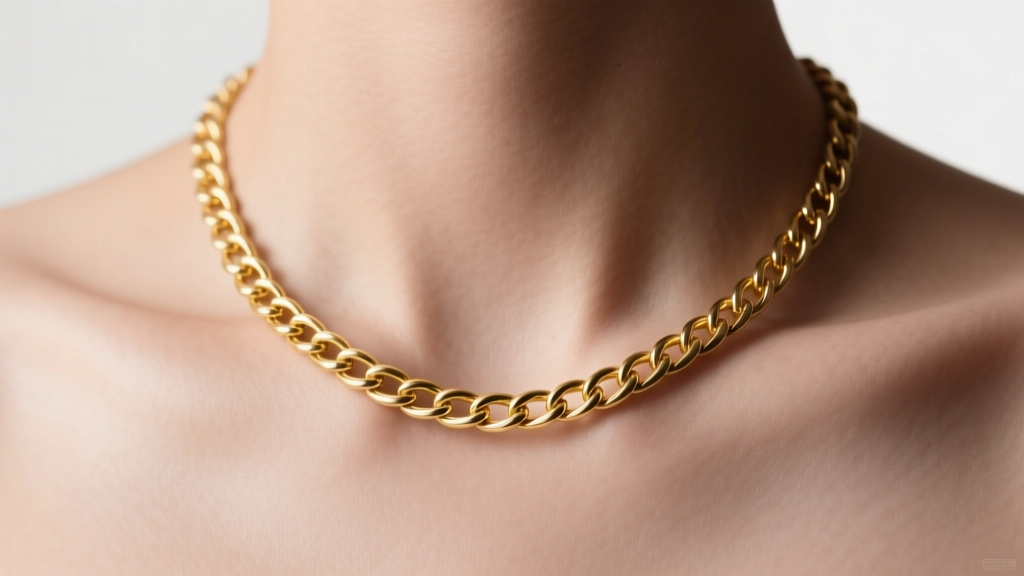
The 18-inch necklace (45.72 cm) is universally recognized as the 'princess' length. It sits perfectly at the base of the neck and rests directly on the clavicle. While this length is the most flattering for the majority of necklines, it also subjects the jewelry to a unique set of physical stresses. Unlike a 24-inch rope chain that swings freely, an 18in necklace experiences constant friction against the collarbone, collar fabrics, and the skin's natural oils.
Because of this high-friction zone, the metallurgical properties of your chosen chain dictate its lifespan, comfort, and visual integrity. A material that performs flawlessly in a 16-inch choker might fail prematurely at 18 inches due to the increased leverage and tension placed on the clasp and lower links. In this comprehensive guide, we break down the exact material properties you need to consider when investing in an 18in necklace.
Precious Metals: Gold, Silver, and Platinum
Gold: The Karat Conundrum
When selecting a gold 18in necklace, the karat weight fundamentally alters the chain's tensile strength. Pure 24k gold is far too soft for daily wear. According to the Gemological Institute of America (GIA), alloying gold with metals like copper, silver, and zinc is essential for structural integrity.
- 14k Gold (58.5% Gold): With a Vickers hardness of approximately 140 HV, 14k gold is the optimal choice for an 18-inch cable or curb chain. It resists the micro-abrasions caused by rubbing against the collarbone.
- 18k Gold (75% Gold): Softer (around 110 HV) and richer in color, 18k gold is luxurious but more prone to stretching over time. If you choose an 18k 18in necklace, opt for thicker link profiles (minimum 2.5mm) to prevent tension warping.
Sterling Silver and the Tarnish Factor
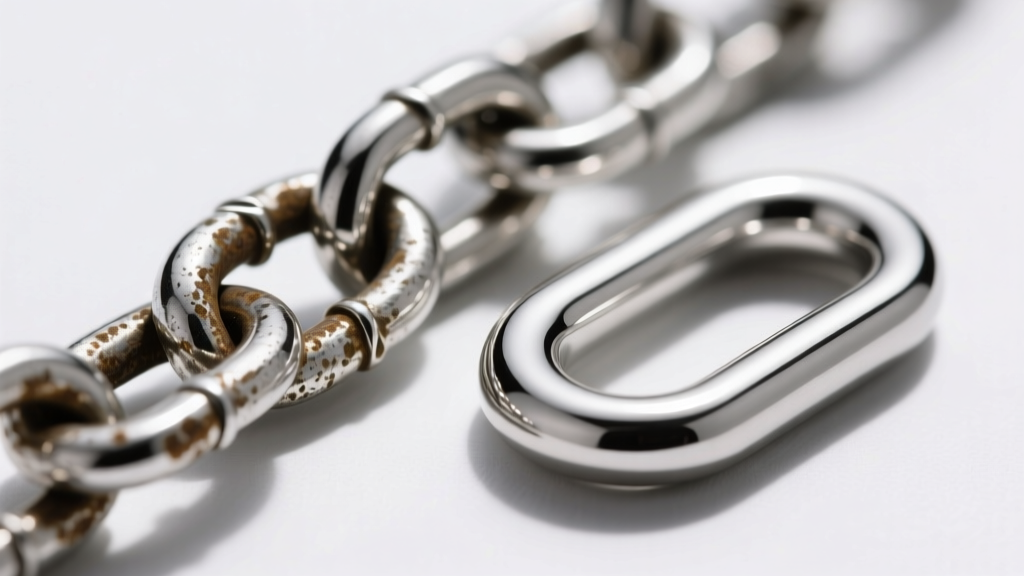
Sterling silver (92.5% silver, 7.5% copper) is a staple for 18in necklaces, but the copper content makes it highly reactive to sulfur compounds in the air and human sweat. At the 18-inch length, the chain rests in the 'décolletage zone,' an area prone to perspiration and perfume application. To combat this, look for sterling silver chains that feature a thick rhodium plating, which acts as an inert barrier against silver sulfide formation (tarnish).
Platinum: The Density Challenge
Platinum (usually 950 alloyed with ruthenium) is incredibly durable and hypoallergenic. However, its density (21.45 g/cm³) means an 18-inch, 2mm platinum cable chain will weigh roughly 22 grams. This concentrated weight at the base of the neck requires a heavy-duty clasp to prevent accidental unfastening.
Alternative Metals: Titanium and Surgical Steel
For those prioritizing durability, lightweight comfort, and strict hypoallergenic requirements, alternative metals have revolutionized the 18in necklace market.
Grade 5 Titanium vs. Commercial Pure
Not all titanium is created equal. Commercially pure (Grade 2) titanium is soft and easily scratched. For an 18in necklace, you must seek out Grade 5 Titanium (Ti-6Al-4V). This aerospace-grade alloy contains 6% aluminum and 4% vanadium, pushing its tensile strength to roughly 900 MPa. An 18-inch Grade 5 titanium chain weighs less than 6 grams, making it virtually imperceptible on the collarbone while being entirely immune to tarnish and skin acidity.
316L Surgical Stainless Steel
Often marketed simply as 'surgical steel,' 316L stainless steel contains 2-3% molybdenum, which drastically increases its resistance to chlorides and industrial solvents. It is an excellent, budget-friendly option for an 18in necklace, though it is significantly heavier than titanium and can trigger reactions in individuals with severe nickel sensitivities, as 316L contains trace amounts of nickel.
Material Comparison Matrix for 18-Inch Chains
The following table compares standard 18-inch, 2mm cable chains across critical performance metrics.
| Material | Alloy Composition | Approx. Weight (18in) | Tarnish Risk | Avg. Retail Price |
|---|---|---|---|---|
| 14k Yellow Gold | 58.5% Au, 41.5% Ag/Cu/Zn | 7.5 grams | None | $350 - $550 |
| 18k Yellow Gold | 75% Au, 25% Ag/Cu | 8.8 grams | None | $600 - $900 |
| Sterling Silver | 92.5% Ag, 7.5% Cu | 8.2 grams | High | $40 - $80 |
| 950 Platinum | 95% Pt, 5% Ru | 22.0 grams | None | $1,200 - $1,800 |
| Grade 5 Titanium | 90% Ti, 6% Al, 4% V | 4.8 grams | None | $80 - $150 |
| 316L Steel | Fe, 16-18% Cr, 10-14% Ni, 2-3% Mo | 14.5 grams | Very Low | $25 - $50 |
Clasp Mechanics and Failure Modes
The material of your 18in necklace dictates the necessary clasp hardware. The 18-inch length creates a specific pendulum effect; when you bend forward, the chain pulls taut against the back of the neck, placing sheer stress on the clasp mechanism.
Spring Ring vs. Lobster Claw
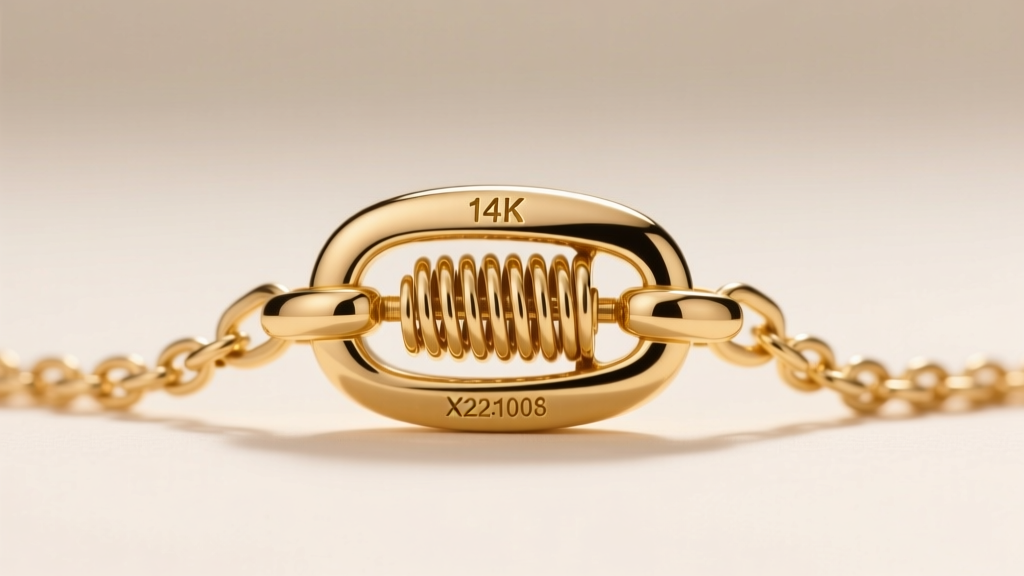
Spring ring clasps are standard on lightweight silver and gold chains under 1.5mm. However, their internal steel springs are often not made of precious metal, creating a galvanic corrosion risk over time. For any 18in necklace over 2mm, a solid lobster claw clasp is mandatory. Lobster clasps distribute tension across a thicker metal arm rather than relying solely on a microscopic internal spring.
The Magnetic Clasp Warning
Magnetic clasps are popular for accessibility, but they are a liability for heavy 18-inch chains (like platinum or thick steel). The sheer weight of the chain, combined with the friction of a winter sweater catching on the links, can easily overcome the neodymium magnet's grip, resulting in lost jewelry. Reserve magnetic clasps exclusively for lightweight titanium or thin gold chains.
Skin pH and Metal Reactivity
Human skin pH typically ranges from 4.5 to 5.5, but localized pH at the collarbone can fluctuate due to sweat, lotions, and hormonal changes. According to the Jewelers of America, understanding your skin's chemistry is vital for necklace longevity.
Expert Insight: If you frequently notice your sterling silver 18in necklace turning black within days of wear, your skin's acidity is reacting with the copper alloy. Switching to a rhodium-plated silver, 14k gold, or Grade 5 titanium chain will instantly resolve this chemical reaction.
Care Protocols by Material
Maintaining an 18in necklace requires material-specific care routines to preserve the structural integrity of the links.
- Gold & Platinum: Clean bi-weekly using a solution of warm water and a few drops of mild, phosphate-free dish soap. Use a baby toothbrush to gently dislodge sebum trapped between the links. Never use abrasive polishing cloths on gold, as they remove microscopic layers of the alloy.
- Sterling Silver: Store in an anti-tarnish cloth pouch containing activated charcoal or silver-tarnish-inhibiting paper. Polish only with a specialized micro-abrasive silver cloth when oxidation occurs.
- Titanium & Steel: Highly resilient. These can be cleaned with standard glass cleaner or isopropyl alcohol to strip away body oils and restore the factory mirror finish without any risk of chemical etching.
Final Verdict: Choosing Your 18in Necklace
The 18-inch length remains the undisputed champion of versatility, but its success relies entirely on matching the material to your lifestyle. For heirloom-quality and high-value retention, 14k gold offers the perfect balance of precious metal content and structural hardness. For daily, worry-free wear—especially for active individuals or those with metal sensitivities—Grade 5 Titanium provides unmatched strength-to-weight ratios. By understanding the metallurgical realities of these materials, you can select an 18in necklace that not only looks impeccable but survives the physical demands of the collarbone zone for decades.