Styling the Modern Woman With a Pearl Necklace: 2026 Trends
Discover how the modern woman with a pearl necklace is redefining 2026 fashion. Explore luster grades, baroque trends, and neckline layering guides.

The Evolution of the Pearl Archetype
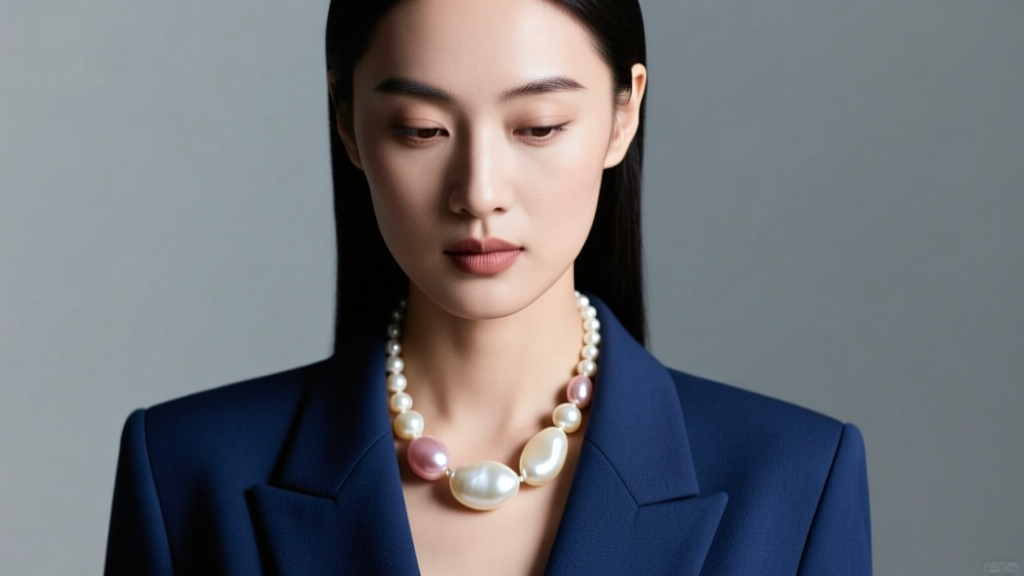
When visualizing the quintessential woman with a pearl necklace, the mind often defaults to mid-century conservatism: a perfectly matched strand of 7mm round white Akoya pearls resting against a twinset. However, the 2026 jewelry landscape has entirely dismantled this antiquated archetype. Today, the modern woman with a pearl necklace is an exercise in deliberate contrast, juxtaposing organic, asymmetrical gemstones with architectural tailoring, mixed-metal hardware, and avant-garde silhouettes.
The shift away from uniformity is driven by a renewed appreciation for the organic origins of pearls. According to the GIA Pearl Description Guide, no two pearls are exactly alike, and contemporary designers are leaning heavily into the unique fingerprints of nature. Baroque, keshi, and circled pearls have overtaken perfectly round specimens in high-fashion editorials, signaling a move toward individuality over rigid perfection. This trend analysis breaks down the technical specifications, styling matrices, and investment parameters defining pearl jewelry in 2026.
Decoding Pearl Grades: Nacre, Luster, and Overtone
To style pearls effectively, one must first understand their anatomical value factors. The most critical metric in pearl evaluation is nacre thickness—the layers of aragonite and conchiolin secreted by the mollusk. Nacre dictates both the longevity and the optical performance of the gem.
- Akoya Pearls: Typically feature a nacre thickness of 0.4mm to 0.8mm. They are prized for their sharp, mirror-like luster, making them ideal for sharp, formal styling.
- Tahitian Pearls: Require a minimum nacre thickness of 0.8mm (often exceeding 2.0mm). Their deep, satiny luster and complex overtones (peacock, aubergine, pistachio) make them a staple for edgy, evening wear.
- South Sea Pearls: Boast the thickest nacre (2.0mm to 6.0mm), resulting in a soft, luxurious glow that pairs beautifully with minimalist, high-end cashmere and silk.
- Freshwater Pearls: Modern nucleation techniques have allowed freshwater pearls to achieve near-round shapes with exceptional luster at a fraction of the cost of saltwater varieties.
As detailed in the GIA Pearl Quality Factors, luster is graded from Excellent to Poor. For a statement piece intended to anchor an outfit, always insist on 'Excellent' or 'Very Good' luster, where reflections appear sharp, bright, and distinct on the pearl's surface.
2026 Market Matrix: Pearl Types and Pricing
| Pearl Type | Average Size (mm) | Nacre Thickness | 2026 Price Range (18" Strand) | Best Styling Application |
|---|---|---|---|---|
| Akoya (Saltwater) | 6.0 - 8.5 | 0.4mm - 0.8mm | $1,200 - $4,500 | Corporate wear, bridal, classic layering |
| Freshwater (Nucleated) | 7.0 - 12.0 | 1.0mm - 3.0mm | $300 - $1,500 | Everyday wear, experimental layering |
| Tahitian (Saltwater) | 8.0 - 14.0 | 0.8mm - 3.0mm+ | $2,500 - $15,000+ | Evening wear, dark palettes, statement pendants |
| White South Sea | 10.0 - 16.0 | 2.0mm - 6.0mm | $5,000 - $30,000+ | Red carpet, minimalist luxury, opera lengths |
Neckline Architecture: Pairing Pearls with 2026 Silhouettes
The interplay between a necklace and the garment's neckline is the cornerstone of advanced styling. In 2026, the rules of proportion have been rewritten to favor tension and contrast.
The Plunging V-Neck and Deep Scoop
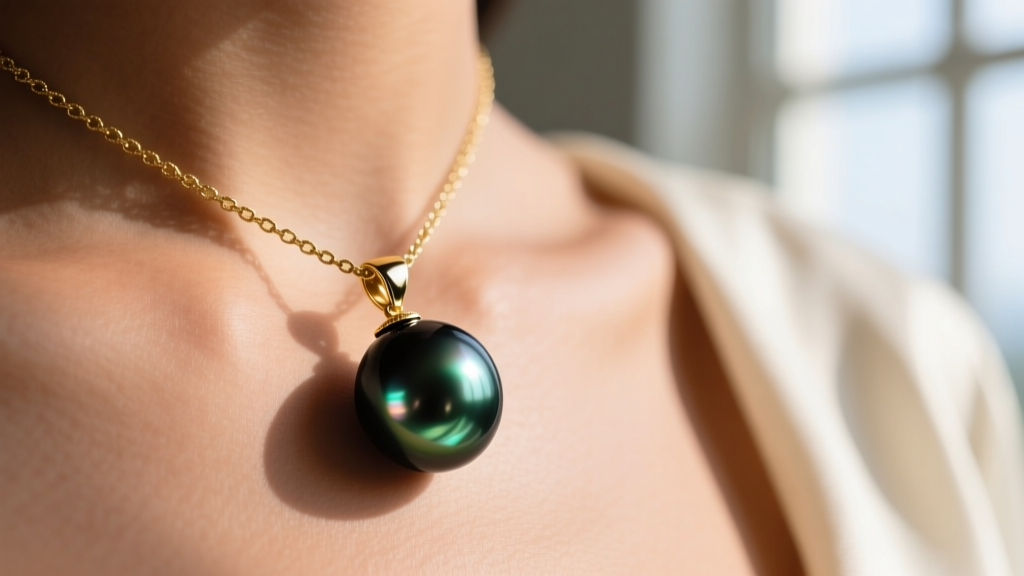
For deep necklines, avoid standard 16-inch chokers which will float awkwardly above the fabric line. Instead, opt for a Y-drop lariat or a 20- to 24-inch princess-to-matinee strand that follows the geometry of the V. A single, large 12mm baroque South Sea pearl suspended on a delicate 14k gold chain creates a striking focal point without overwhelming the décolletage.
The High Mock-Neck and Turtleneck
Heavy knits and structured mock-necks demand visual weight. A 14-inch multi-strand freshwater pearl choker with an oversized, mixed-metal toggle clasp provides the necessary anchor. Alternatively, a 30-inch opera-length strand of dark Tahitian pearls worn doubled over a cream turtleneck introduces a sophisticated, intellectual edge.
Asymmetrical and Off-the-Shoulder Cutouts
When the garment itself is asymmetrical, the jewelry should either mirror the chaos or provide stark balance. A single-shoulder top pairs beautifully with a graduated pearl strand where the largest 10mm pearls sit on the side opposite the bare shoulder, drawing the eye across the body and creating visual equilibrium.
The Layering Matrix: Mixing Textures and Metals
The solitary pearl strand is a relic. The 2026 methodology for the modern woman with a pearl necklace involves strategic layering, combining the organic warmth of pearls with the industrial coolness of metallic chains.
"The secret to successful layering is the 2-inch rule. Ensure a minimum of two inches between each necklace to prevent the pearls from rubbing against metal links, which can degrade the nacre over time."
The Ultimate 2026 Layering Trio:
- The Base (15 inches): A delicate 14k yellow gold snake chain (1.5mm width) sitting flush against the collarbone.
- The Core (17 inches): A strand of 6mm to 7mm white freshwater rice pearls, hand-knotted on silk.
- The Anchor (20 inches): An oxidized sterling silver rope chain (2.5mm) featuring a solitary, irregular keshi pearl pendant.
This combination mixes three distinct metals (yellow gold, white silk/silver, and oxidized silver) and three distinct textures (smooth snake, organic pearl, twisted rope), creating a curated, effortless aesthetic.
Care, Maintenance, and Preservation
Pearls are organic gemstones, ranking a mere 2.5 to 3.0 on the Mohs hardness scale. They are highly susceptible to acids, abrasion, and dehydration. To maintain the luster of your collection, adhere to the GIA Pearl Care and Cleaning protocols.
- The 'Last On, First Off' Rule: Pearls must be the last item you put on when dressing and the first you remove. Hairspray, perfume, and cosmetics contain alcohols and acids that will strip the nacre's luster and cause irreversible dulling.
- Proper Cleaning: Never use ultrasonic or steam cleaners. After wearing, gently wipe the pearls with a soft, damp microfiber cloth to remove body oils and perspiration before storing.
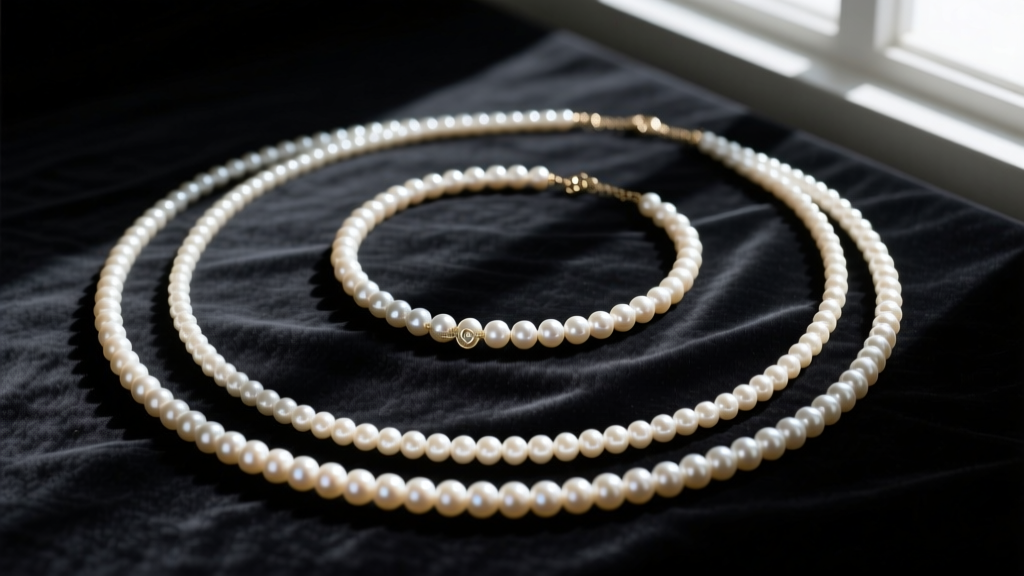
- Storage Dynamics: Store pearls flat, not hanging, to prevent the silk thread from stretching. Keep them in a soft linen pouch away from harder gemstones like diamonds or sapphires, which will easily scratch the pearl's surface.
- Restringing Schedule: If worn weekly, a silk-knotted pearl necklace should be professionally restrung every 18 to 24 months. Look for gaps between the pearls or fraying near the clasp as immediate warning signs of impending thread failure.
Final Thoughts on the 2026 Pearl Renaissance
The narrative surrounding pearls has shifted from inherited obligation to proactive, expressive styling. Whether you are investing in a high-luster strand of Akoya pearls for boardroom dominance or layering irregular freshwater baroques over a vintage slip dress for the weekend, the key lies in understanding the material's inherent properties. By mastering nacre grades, neckline architecture, and modern layering techniques, you ensure that your jewelry collection remains as dynamic and multifaceted as the woman wearing it.


