How to Authenticate, Style, and Care for a Silver Hmong Necklace
Learn how to authenticate, style, and preserve your silver Hmong necklace with our expert step-by-step guide on hallmarks, patina care, and modern layering.

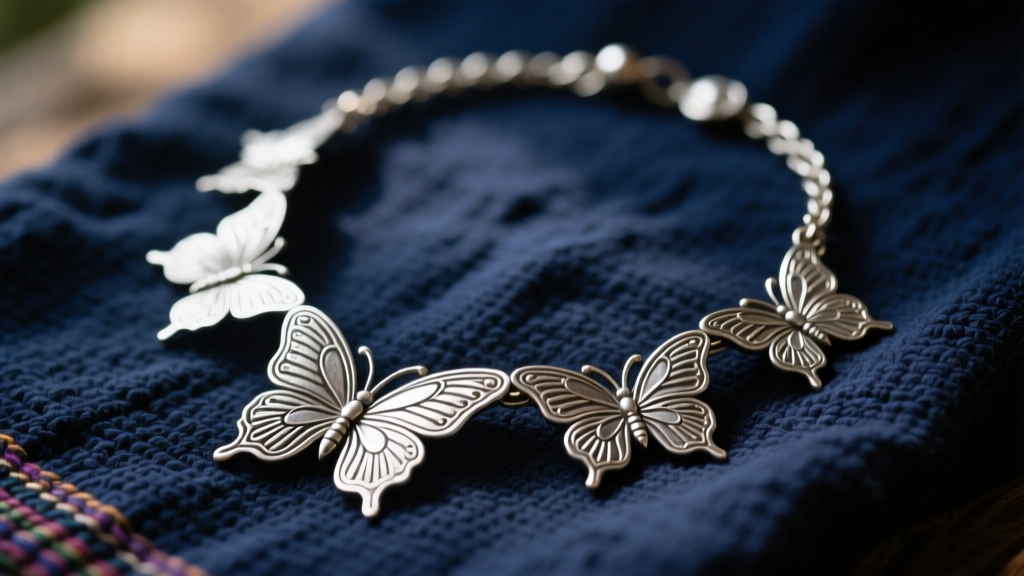
Hmong silver jewelry is far more than mere adornment; it is a profound cultural artifact that historically signified wealth, spiritual protection, and familial lineage among the Hmong people of Southeast Asia. Characterized by heavy, intricate repoussé work and profound symbolic motifs like dragons, butterflies, and lotus flowers, a genuine silver Hmong necklace is a masterpiece of artisanal metalsmithing. However, as global interest in ethnic and tribal jewelry has surged, the market has been flooded with mass-produced imitations. Whether you have inherited a family heirloom or are hunting for an authentic vintage piece in a market, knowing how to evaluate, clean, and style these heavy collars is essential. This comprehensive guide will walk you through the exact steps to authenticate, preserve, and wear your silver Hmong necklace with confidence.
Step 1: Authenticating Your Silver Hmong Necklace
The first and most critical step in handling tribal jewelry is verifying its material composition. Genuine Hmong silverwork was traditionally crafted using melted coins, a practice that birthed the term 'coin silver.' According to Lang Antiques, coin silver typically contains between 80% and 90% pure silver, which is notably lower than the 92.5% required for modern sterling silver. Artisans frequently melted down French Indochinese piastres (89% silver) or Mexican pesos (90% silver) to forge these pieces.
Identifying Material Grades and Failure Modes
Modern tourist-trade pieces are often mislabeled as 'Tibetan Silver' or 'Alpaca.' These contain zero silver and are usually alloys of copper, nickel, and zinc, which can cause severe contact dermatitis. In worst-case scenarios, unregulated pot-metal casts have been found to contain dangerous levels of lead or arsenic. To protect yourself, perform a magnet test (silver is non-magnetic) and examine the weight. A genuine Hmong torque or collar necklace is exceptionally heavy, often weighing between 150 and 300 grams. If the piece feels unusually light or produces a dull 'clink' rather than a resonant bell-like ring when tapped, it is likely a base-metal cast.
| Material Type | Silver Content | Magnetism | Typical Price Range (USD) | Common Failure Modes |
|---|---|---|---|---|
| Vintage Coin Silver | 80% - 90% | Non-Magnetic | $250 - $800+ | Clasp fatigue, micro-fractures in repoussé ridges |
| Modern Sterling | 92.5% | Non-Magnetic | $150 - $400 | Soft metal bending under heavy pendant weight |
| Alpaca / Nickel Silver | 0% | Weakly Magnetic | $20 - $60 | Skin discoloration, nickel allergies, rapid pitting |
| 'Tibetan' Pot Metal | 0% - Trace | Varies | $10 - $35 | Lead toxicity, structural snapping, severe tarnish |
Step 2: Cleaning and Preserving the Historic Patina
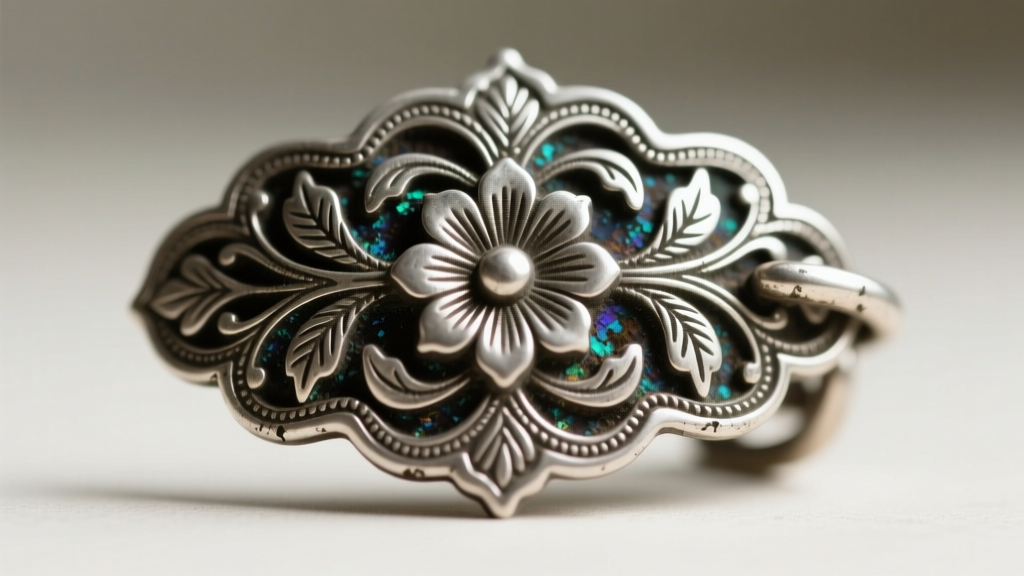
One of the most common mistakes collectors make is aggressively polishing a vintage silver Hmong necklace to a mirror shine. The dark oxidation trapped within the deep crevices of repoussé and chasing work is not 'dirt'—it is a vital component of the piece's visual depth and historical authenticity. Stripping this patina destroys the three-dimensional contrast of the motifs and significantly reduces the artifact's value.
The Archival Cleaning Method
According to conservation guidelines published by the National Park Service Museum Handbook, silver artifacts should only be cleaned using the gentlest mechanical and chemical methods possible. Follow this step-by-step protocol to remove surface grime without harming the historic finish:
- Prepare a Mild Bath: Mix distilled water with a few drops of non-detergent, phosphate-free soap (such as Orvus WA Paste or a pure castile soap). Avoid tap water, as chlorine and fluorides can cause irreversible spotting.
- Gentle Agitation: Dip an ultra-soft baby toothbrush into the solution and gently brush only the raised, high-relief areas of the silver. Do not dig the bristles into the deep repoussé valleys where the dark patina resides.
- Rinse and Dry: Rinse the necklace thoroughly with clean distilled water. Immediately pat it dry with a lint-free microfiber cloth, followed by a blast of cool air from a hairdryer to ensure no moisture remains in the crevices.
Never use baking soda, toothpaste, or commercial silver dip solutions on tribal coin silver. The abrasive particles will micro-scratch the soft metal, and the harsh acids in dip solutions will strip the historic oxidation entirely, leaving the piece flat and lifeless.
Step 3: Styling and Layering Heavy Collars
Traditional Hmong necklaces were designed as rigid torques or heavy, multi-strand collars meant to rest on the collarbone. Because of their substantial weight (often exceeding 200 grams), styling them requires an understanding of both fabric tension and visual balance. Wearing a heavy silver collar over delicate silk or loose knits will cause the neckline to sag, distort, and potentially tear.

Neckline Pairings and Structural Support
To properly support the weight of a silver Hmong necklace, opt for structured garments. A tight-fitting cotton turtleneck, a tailored denim jacket, or a heavy linen blouse provides the necessary friction and structural integrity to hold the metal collar in place. For a contemporary 2026 aesthetic, contrast the ornate, maximalist nature of the Hmong silverwork with stark, minimalist silhouettes.
- The Modern Contrast: Pair a heavy, oxidized silver Hmong torque with a crisp, oversized white poplin button-down. Leave the top three buttons undone to allow the necklace to rest directly against the skin, creating a striking visual contrast.
- Mixed Metal Layering: While purists may object, modern styling embraces mixed metals. Layer your heavy silver Hmong collar with a delicate 14k yellow gold paperclip chain (approx. 1.5mm gauge) that drops two inches below the silver piece. The warmth of the gold highlights the cool, dark tones of the oxidized silver.
- Clasp Reinforcement: If your vintage piece features a traditional hook-and-eye clasp, have a modern jeweler solder a small, heavy-duty lobster clasp onto a reinforced jump ring at the back. This prevents accidental unhooking, which is a common failure mode when the heavy front of the necklace shifts during movement.
Step 4: Archival Storage and Maintenance
How you store your silver Hmong necklace when not in use is just as important as how you clean it. The primary enemy of coin silver is hydrogen sulfide in the air, which causes rapid black tarnishing, and polyvinyl chloride (PVC), which can cause permanent green corrosion.
Never store your necklace in standard plastic zip-top bags or wrap it in bubble wrap, as these materials often contain PVC and trap ambient moisture. Instead, wrap the piece in Pacific Silvercloth, a specialized cotton flannel embedded with microscopic silver particles that intercept and neutralize tarnishing gases before they reach your jewelry. Place the wrapped necklace in a breathable, acid-free archival cardboard box lined with unbleached cotton. Store the box in a climate-controlled interior closet, avoiding attics or basements where humidity fluctuations can accelerate metal fatigue and tarnish cycles.
Final Thoughts on Cultural Appreciation
Owning a genuine silver Hmong necklace is a privilege that connects you to a rich history of resilience and artistry. As noted by cultural historians documenting the Hmong diaspora, these pieces were often a family's sole portable wealth during times of migration. By taking the time to properly authenticate, carefully clean, and thoughtfully style your piece, you are not just preserving a beautiful accessory; you are acting as a custodian of a profound cultural legacy. Treat your silver with respect, and it will remain a breathtaking statement piece for generations to come.


