How to Clean a Cheap Gold Necklace Without Ruining It
Learn how to clean a cheap gold necklace safely. Expert tips on maintaining gold-plated, vermeil, and gold-filled chains to prevent tarnish and fading.

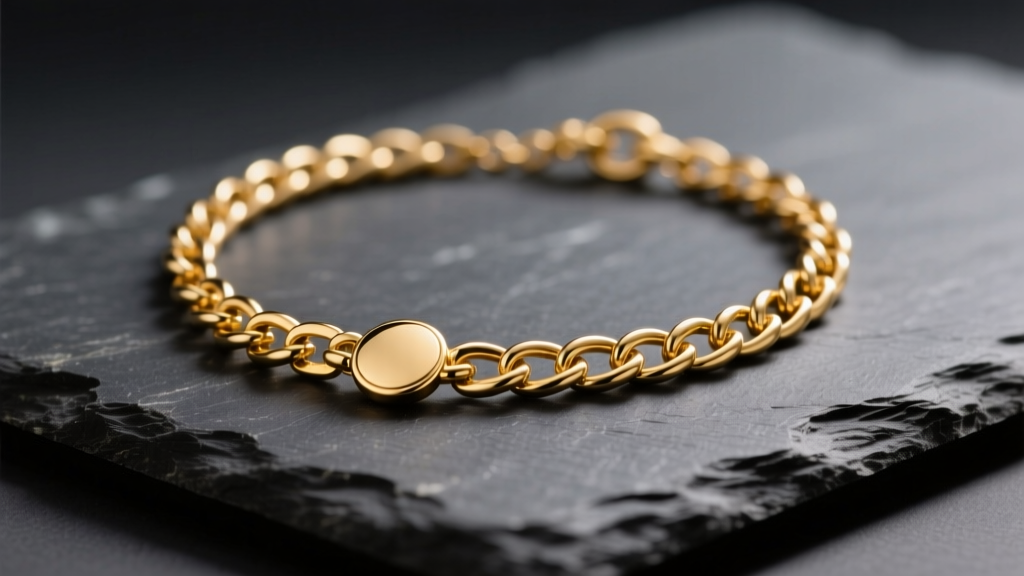
Finding the perfect affordable gold accessory is a victory for any jewelry wardrobe. However, when you purchase a cheap gold necklace, you are typically buying gold-plated brass, gold vermeil, or gold-filled chain. As of 2026, modern electroplating and PVD (Physical Vapor Deposition) techniques have made these affordable alternatives more durable than ever, but they still require highly specific care. Unlike solid 14k or 18k gold, which can withstand harsh polishing and ultrasonic vibrations, plated gold is a microscopic surface layer that can be stripped away by a single wrong cleaning method.
If your favorite affordable necklace is looking dull, tarnished, or slightly green, do not panic. This comprehensive guide will teach you exactly how to clean, maintain, and store your gold-plated and vermeil necklaces to maximize their lifespan without ruining the delicate gold finish.
Understanding Your "Cheap" Gold: Plated, Vermeil, and Filled
Before you mix any cleaning solutions, you must understand the metallurgy of your necklace. The Federal Trade Commission (FTC) strictly regulates how gold jewelry is labeled, and knowing the difference dictates your cleaning strategy:
- Gold Plated (Flash Plated): A base metal (usually brass or copper) coated with a microscopic layer of gold, typically between 0.1 and 0.5 microns thick. This is the most fragile and requires the gentlest touch.
- Gold Vermeil: A premium alternative where a thick layer of gold (minimum 2.5 microns) is electroplated over a 925 sterling silver base. It is more durable and hypoallergenic but can still tarnish if the silver base is exposed.
- Gold Filled: A thick layer of gold (minimum 5% of the total weight) mechanically bonded to a brass core under high heat and pressure. It behaves almost exactly like solid gold and is highly resistant to tarnish.
According to the Gemological Institute of America (GIA), the thickness of the gold layer directly correlates to the jewelry's lifespan and its resistance to friction and chemical corrosion.
The "Last On, First Off" Rule for Daily Wear
Prevention is the ultimate cleaning hack. The oils, acids, and chemicals your necklace encounters daily do more damage than time itself. Human sweat has a pH level ranging from 4.5 to 7.0, and its acidity can rapidly break down flash plating. To protect your necklace, adopt the "Last On, First Off" rule:
- Put it on last: Your necklace should be the final thing you put on after applying perfume, hairspray, lotions, and makeup. The alcohols and emulsifiers in cosmetics act as solvents that degrade the gold layer.
- Take it off first: Remove your necklace before showering, swimming, or exercising. Chlorine in pools and hot tubs is particularly aggressive and can cause immediate, irreversible discoloration to brass and copper base metals.
The Only Safe Cleaning Method for Gold-Plated Chains
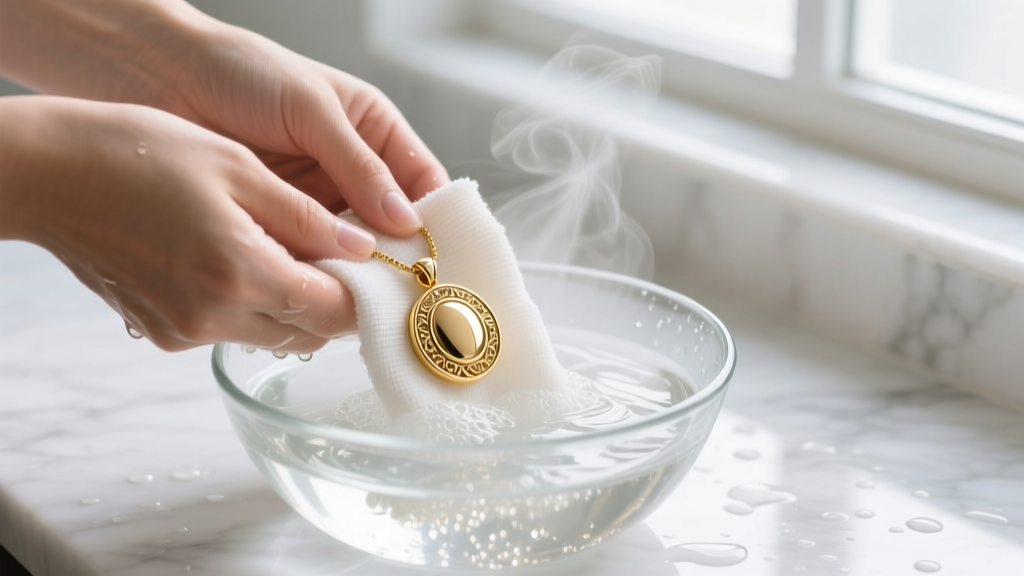
When your necklace inevitably accumulates dead skin cells, sebum, and environmental dust, you must clean it without acting as an abrasive. Follow this exact protocol recommended by the Jewelers of America for delicate plated jewelry:
- Mix a gentle bath: Fill a glass bowl with lukewarm (never hot) water and add two drops of a phosphate-free, mild dish soap (like original blue Dawn). Avoid soaps with moisturizers or heavy fragrances.
- Soak briefly: Submerge the necklace for no more than 3 to 5 minutes. Prolonged soaking can weaken the adhesive on any glued-in rhinestones or compromise the plating bond on lower-quality pieces.
- Agitate gently: Swish the water around with your fingers. Do not scrub the chain. If there is stubborn grime in the links, use an ultra-soft, baby-hair makeup brush to lightly dislodge it.
- Rinse and dry: Rinse under a gentle stream of lukewarm water. Immediately pat dry with a clean, lint-free microfiber cloth. Do not air dry, as hard water spots will stain the gold finish.
Destructive Cleaning Hacks to Avoid at All Costs
The internet is full of DIY jewelry cleaning hacks that will instantly destroy a cheap gold necklace. Never use the following:
- Baking Soda and Aluminum Foil: While great for solid sterling silver, the alkaline nature of baking soda and the ionic reaction will strip gold plating down to the bare base metal in seconds.
- Toothpaste: Toothpaste contains silica and calcium carbonate, which are highly abrasive. Scrubbing with toothpaste acts like sandpaper on a 0.5-micron gold layer.
- Ultrasonic Cleaners: The high-frequency cavitation bubbles created by these machines will literally blast the gold plating off brass and copper cores.
- Silver Polishing Cloths: These cloths are impregnated with jeweler's rouge and mild abrasives designed to remove silver sulfide (tarnish). They will wipe away your gold plating along with the tarnish.
Troubleshooting: Green Skin and Faded Spots
If your affordable gold necklace is leaving a green or black ring on your neck, the gold hasn't necessarily "turned fake." This is a chemical reaction between the copper or brass base metal and the acids in your skin, exacerbated by humidity. Once the microscopic gold layer wears thin at the back of the neck (where friction is highest), the base metal is exposed.
The Clear Nail Polish Trick: For a quick, temporary barrier, paint a thin layer of clear topcoat nail polish on the back of the pendant or the clasp area that touches your skin. Let it cure for 24 hours before wearing. This creates a physical shield against sweat.
Re-plating Services: If your gold vermeil or heavy gold-plated necklace has completely faded in high-friction areas, you don't have to throw it away. Many local jewelers offer electroplating services. For $30 to $60, they can clean, polish, and re-dip your piece in a fresh 2-micron layer of 14k or 18k gold, making it look brand new.
Storage Hacks to Halt Oxidation
How you store your necklace when you aren't wearing it is just as critical as how you clean it. Base metals oxidize when exposed to oxygen and sulfur in the air. To halt this process:
- Use Anti-Tarnish Strips: Place a 3M anti-tarnish strip inside your jewelry box or storage bag. These strips absorb sulfur compounds from the air before they can react with your jewelry.
- Control Humidity: Toss a small silica gel packet (the kind found in shoe boxes) into your jewelry drawer. Moisture accelerates the oxidation of copper and brass.
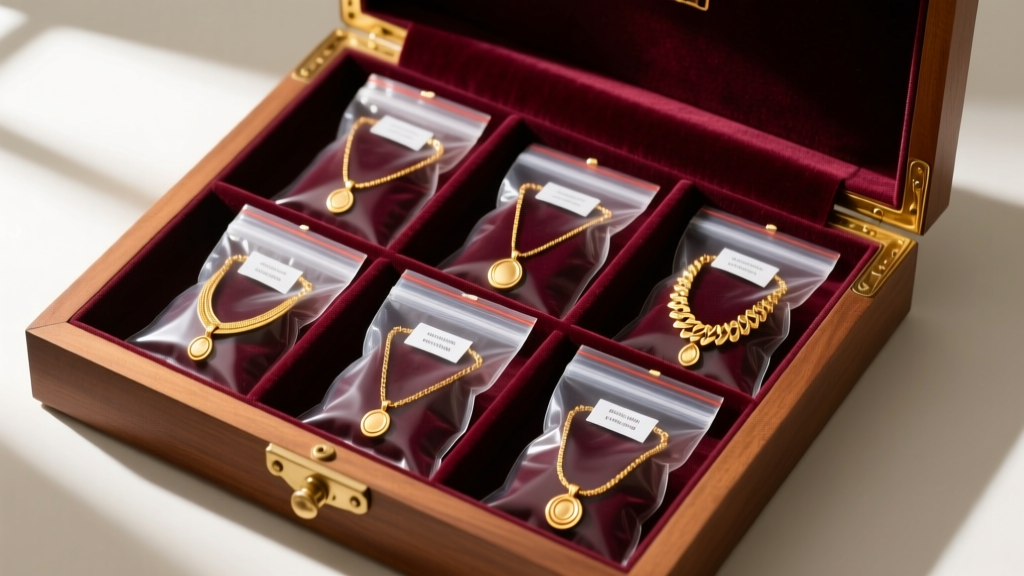
- Isolate Your Chains: Never throw multiple necklaces into a single box. The friction of chains rubbing together will scratch and wear away the gold plating. Store each piece in its own small, airtight ziplock bag, squeezing out the excess air before sealing.
Material Comparison and Care Chart
Use this quick reference guide to tailor your expectations and maintenance routine based on the specific type of affordable gold you own.
| Material Type | Base Metal | Gold Thickness | Tarnish Risk | Cleaning Frequency |
|---|---|---|---|---|
| Flash Plated | Brass / Copper | 0.1 - 0.5 microns | High (if worn through) | Wipe with damp cloth weekly |
| Gold Vermeil | 925 Sterling Silver | 2.5+ microns | Medium (silver tarnish) | Mild soap soak monthly |
| Gold Filled | Brass Core | 5% total weight | Very Low | Standard soap soak as needed |
| PVD Gold Coated | Stainless Steel | N/A (Molecular bond) | Extremely Low | Wipe with microfiber cloth |
Final Thoughts on Affordable Gold Maintenance
Owning a cheap gold necklace doesn't mean you have to settle for jewelry that fades after a single season. By understanding the specific metallurgy of your piece, avoiding destructive DIY cleaning hacks, and implementing strict storage protocols, you can easily extend the life of your gold-plated and vermeil chains for years. Treat your affordable gold with the same respect you would give to solid karat gold, and it will continue to elevate your daily wardrobe without breaking the bank.


