What Are Those Hawaiian Flower Necklaces Called? A Lei Buying Guide
Discover what Hawaiian flower necklaces are called. Our buying guide covers traditional fresh leis and fine floral jewelry, including materials and pricing.

The Short Answer: Understanding the Hawaiian Lei
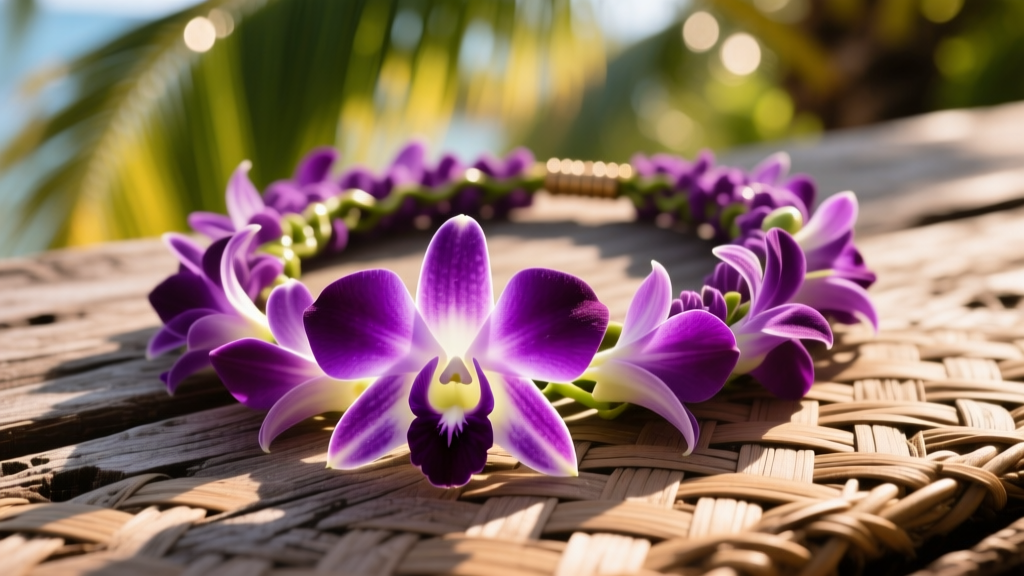
When travelers, jewelry collectors, and botanical enthusiasts ask, "what are those hawaiian flower necklaces called," the answer bridges indigenous culture, botany, and fine metallurgy. The traditional Hawaiian floral garland is called a lei (pronounced lay). Historically and culturally, a lei is much more than a simple necklace; it is a profound symbol of aloha (love), respect, and welcome. According to the Encyclopedia Britannica, leis were originally worn by ancient Hawaiians to signify rank, celebrate religious ceremonies, and honor the gods.
However, in the modern jewelry market, the term also encompasses Hawaiian floral pendant necklaces and heirom jewelry—permanent, fine-metal interpretations of the plumeria, orchid, and pikake flowers designed to last a lifetime. Whether you are purchasing a fresh botanical garland at the Honolulu airport or investing in a 14k gold plumeria pendant from a master jeweler, understanding the nuances of materials, construction, and pricing is essential for making an informed purchase.
Traditional Fresh Flower Leis: Varieties and Pricing
Fresh flower leis are ephemeral, living necklaces. The most common construction method is kui (strung with a needle and thread), though haku (braided) and wili (twined) techniques are also used for specific botanicals. When buying fresh leis, you are paying for the rarity of the flower, the labor of hand-stringing, and the agricultural logistics of island farming.
Dendrobium Orchid Leis
The Dendrobium orchid is the workhorse of the Hawaiian lei industry. These flowers are prized for their durability, vibrant colors (ranging from stark white to deep purple and tipped green), and lack of overpowering scent, making them ideal for those with fragrance sensitivities. A standard 40-inch closed-loop orchid lei typically costs between $25 and $45 in 2026, depending on the color rarity and whether it is single or double-strung.
Plumeria and Pikake Leis
For buyers seeking intoxicating fragrance, Plumeria (melia) and Pikake (Jasminum sambac) are the gold standards. Plumeria leis are heavily scented with a sweet, tropical aroma, but the delicate petals bruise easily, requiring careful handling. Pikake, introduced to Hawaii by Princess Kaiulani, features tiny, pearl-like jasmine buds that are painstakingly strung. Because of the intense labor required to string thousands of tiny buds, a premium double-strung Pikake lei can range from $80 to $150+.
Fine Jewelry Interpretations: Permanent Floral Keepsakes
Because fresh leis wilt within days, the jewelry industry has created permanent tributes to these iconic flowers. When shopping for Hawaiian flower necklaces in the fine jewelry sector, you are generally looking at two distinct categories: Hawaiian Heirloom Jewelry and contemporary botanical resin/enamel pieces.
Hawaiian Heirloom Gold Pendants
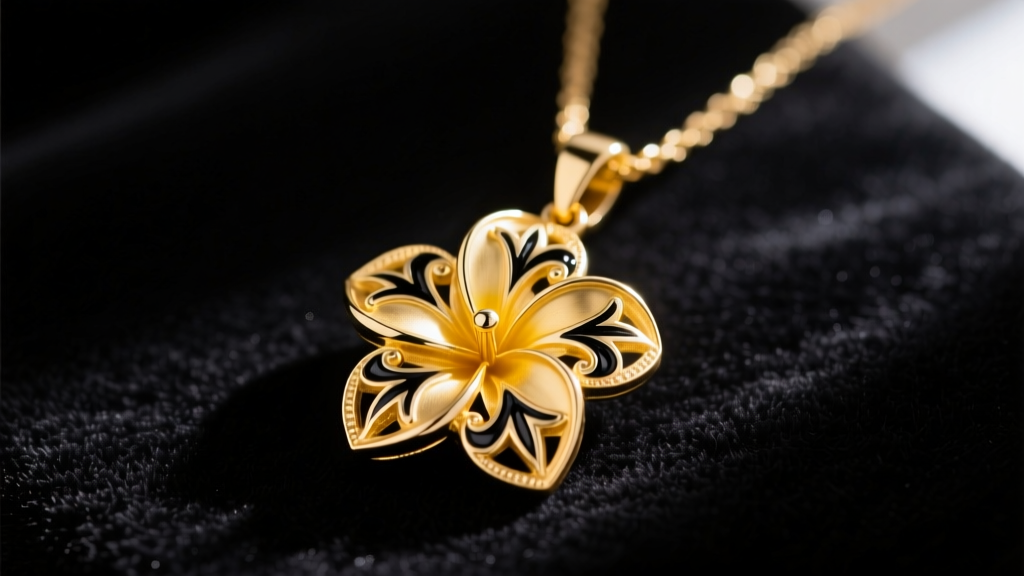
Hawaiian Heirloom jewelry is a distinct, historically rich category characterized by solid gold (usually 14k yellow or white gold) featuring intricate scrollwork and floral motifs filled with black vitreous enamel. A high-quality plumeria or orchid heirloom pendant should feature deep, hand-engraved channels. When buying, inspect the enamel: it should be kiln-fired glass (vitreous), not painted resin, which chips and yellows over time. A solid 14k gold plumeria pendant (weighing 3 to 5 grams) typically retails between $450 and $850, while heavier, intricately enameled statement pieces can exceed $2,500.
Enamel, Resin, and Shell Botanical Pieces
For a more accessible, contemporary aesthetic, many artisans create floral necklaces using preserved real flowers encased in jeweler-grade UV resin, or hand-painted cold enamel over sterling silver. When buying resin-encased plumeria or orchid pendants, ensure the resin is optically clear and free of micro-bubbles, which indicate improper curing. Sterling silver floral pendants with cold enamel accents generally range from $60 to $180.
Material & Longevity Comparison Chart
| Necklace Type | Primary Material | Average Price Range | Lifespan & Care |
|---|---|---|---|
| Orchid Lei (Fresh) | Dendrobium Orchids, Cotton Thread | $25 - $45 | 3-5 days (Refrigerate in plastic bag) |
| Pikake Lei (Fresh) | Jasmine Buds, Nylon Thread | $80 - $150 | 2-4 days (Highly sensitive to heat) |
| Heirloom Pendant | 14k Gold, Vitreous Enamel | $450 - $2,500+ | Lifetime (Polish with soft cloth) |
| Botanical Resin | Real Flowers, UV Epoxy Resin | $40 - $120 | 5-10 years (Avoid prolonged UV exposure) |
Sizing, Lengths, and Wearing Etiquette
The sizing of a Hawaiian flower necklace depends entirely on whether you are wearing a fresh botanical garland or a fine jewelry pendant.
- Fresh Leis: The standard closed-loop lei measures 40 inches in circumference, designed to drape elegantly over the shoulders and chest. Open-ended leis (often made of maile leaves or orchids) are typically 20 to 24 inches per side and are tied in a simple knot at the center of the chest.
- Fine Jewelry Pendants: Plumeria and orchid pendants are traditionally worn on 16-inch to 18-inch chains (rope or box chains work best to support the weight of solid gold). This length ensures the floral motif rests precisely at the collarbone or upper sternum, mimicking the focal point of a traditional lei.
According to the Hawaii Tourism Authority, the etiquette of receiving and wearing a lei is just as important as the necklace itself. A lei should always be accepted with a smile and a kiss on the cheek (or a hug), and it is considered highly disrespectful to refuse a lei or to immediately take it off in front of the giver. Pregnant women, by cultural superstition, are traditionally given open-ended leis rather than closed loops to symbolize an open, safe path for the unborn child.
Care and Maintenance Guide
To maximize the lifespan of your Hawaiian flower necklace, proper care is non-negotiable. For fresh leis, mist them lightly with water, place them in a plastic bag with a damp paper towel, and store them in the warmest part of your refrigerator (usually the vegetable crisper) between 50°F and 55°F. Never freeze a fresh lei, as the cellular structure of the petals will rupture and turn black upon thawing.
For Hawaiian Heirloom gold and enamel jewelry, avoid ultrasonic cleaners. The high-frequency vibrations can cause the kiln-fired vitreous enamel to crack or separate from the gold channels. Instead, use a mild dish soap, lukewarm water, and a baby-soft toothbrush to gently clean the gold scrollwork, drying immediately with a microfiber cloth. Store resin-encased botanical necklaces away from direct, prolonged sunlight to prevent the UV epoxy from yellowing and the preserved petals from fading.
Final Thoughts on Authenticity
Whether you are seeking the ephemeral beauty of a hand-strung pikake lei or the enduring legacy of a 14k gold plumeria pendant, knowing exactly what to look for ensures your investment honors the rich botanical and cultural heritage of Hawaii. Always buy fresh leis from local florists or reputable airport vendors upon arrival, and when purchasing fine jewelry, request a certificate of authenticity that verifies the gold karat and the use of genuine vitreous enamel.


