The 2026 Gift Guide: Choosing a Vintage Butterfly Necklace
Discover the perfect vintage butterfly necklace for every occasion in our 2026 gift guide. Learn about eras, materials, and styling tips for gifting.

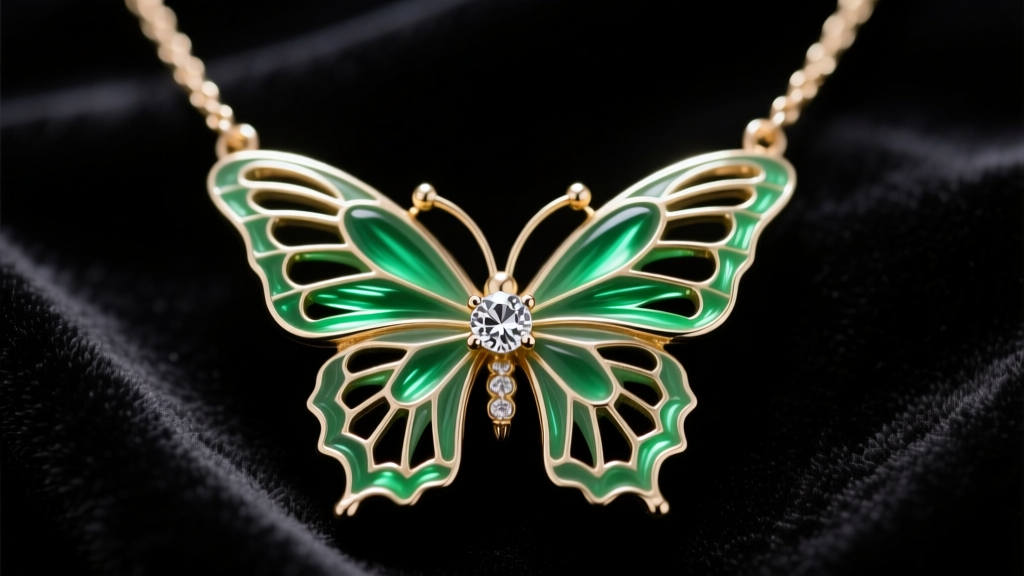
Why the Vintage Butterfly Necklace is the Ultimate Sentimental Gift
In the language of jewelry, few motifs carry the profound emotional weight of the butterfly. Symbolizing transformation, the soul, and enduring love, a vintage butterfly necklace is far more than a decorative accessory; it is a wearable narrative. As we navigate the 2026 gifting season, collectors and sentimental gifters alike are turning away from mass-produced contemporary pieces, seeking the craftsmanship, historical resonance, and unique patina that only antique jewelry can provide. Whether you are celebrating a milestone birthday, a graduation, or a significant personal metamorphosis, understanding the nuances of vintage entomological jewelry is critical to selecting a piece that truly resonates.
Decoding Eras: Which Vintage Butterfly Style Fits Her Personality?
The butterfly motif has been reimagined through the distinct aesthetic lenses of several major jewelry periods. Identifying the recipient's personal style will dictate which era you should target.
Victorian & Edwardian (1837-1910): Enamel & Seed Pearls
Victorian butterfly pendants are deeply romantic, often utilizing guilloché enamel (enamel applied over an engraved metal base) in rich cobalt blues or deep emeralds. Look for accents of seed pearls (typically under 2mm), which historically represented tears or purity. Edwardian pieces transition into lighter, lace-like platinum filigree. These are ideal for the classic, romantic recipient who appreciates subtle, historical elegance. Expect to pay between $600 and $1,800 for authentic gold and enamel examples.
Art Nouveau (1890-1910): Plique-à-jour & Whiplash Curves
According to the Victoria and Albert Museum (V&A), the Art Nouveau era treated jewelry as fine art. Butterfly wings were frequently rendered using plique-à-jour, a masterful backless enamel technique that resembles stained glass. The metalwork features asymmetrical, organic "whiplash" curves. This is the holy grail for the artistic, bohemian, or museum-going recipient. Due to the fragility and rarity of intact plique-à-jour, authentic pieces command premium prices, often ranging from $2,500 to over $8,000.
Art Deco (1920s-1930s): Geometric Onyx & Marcasite
For the recipient with a sharp, modern, or minimalist edge, the Art Deco butterfly is unparalleled. These pieces abandon organic curves for strict symmetry, utilizing high-contrast materials like black onyx, carved jade, and pavé-set marcasite (iron pyrite). The metalwork often features intricate millegrain edging. Silver and white gold were the metals of choice, making these pieces highly versatile for everyday wear.
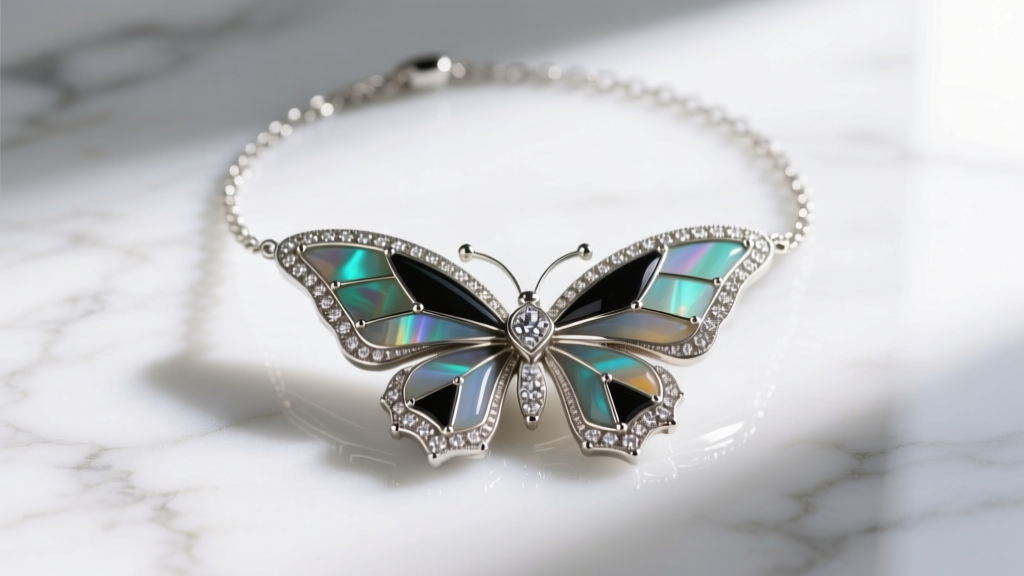
Mid-Century Retro (1940s-1960s): Chunky Gold & Rhinestones
Post-WWII jewelry embraced bold, three-dimensional gold vermeil and the introduction of Swarovski's Aurora Borealis (AB) rhinestones in 1956. Brands like Trifari and Coro produced stunning, oversized butterfly brooches that were frequently converted into pendant necklaces. This era is perfect for the glamorous, vintage-Hollywood enthusiast and remains highly accessible, with excellent examples available between $150 and $450.
Material Integrity & Authentication: A Buyer’s Checklist
Gifting vintage jewelry requires a discerning eye to ensure you are paying for authentic history, not a modern reproduction. The Gemological Institute of America (GIA) emphasizes the importance of examining construction techniques and hallmarks when dating antique pieces. Use this checklist before purchasing:
- Examine the Clasp: A simple open "C-clasp" generally indicates a pre-1900 origin. A "trombone" clasp (a push-pull tube mechanism) suggests early 20th-century European origins. The modern roll-over safety clasp was not widely adopted until the 1930s.
- Check the Hallmarks: British Victorian pieces may be stamped "15k" (a standard discontinued in 1932) or "9k". French pieces should bear the eagle’s head (18k gold) or boar’s head (silver) guarantee stamps.
- Inspect the Marcasite: In genuine Art Deco pieces, marcasite stones are flush-set into the metal using tiny metal beads. If the stones appear glued on, it is a later reproduction.
- Assess the Enamel: Hold plique-à-jour or guilloché enamel up to a strong light. Look for "crazing" (fine cracks) or chips. Minor wear is acceptable for the age, but structural enamel loss significantly diminishes both value and aesthetic appeal.
Occasion Matching Matrix: When to Gift Which Style
Matching the historical weight of the piece to the significance of the occasion elevates the gifting experience. Refer to this matrix to align your purchase with the moment.
| Era / Style | Ideal Occasion | Key Material Focus | 2026 Est. Price Range |
|---|---|---|---|
| Victorian Enamel | Anniversaries, Mother's Day | 15k Gold, Seed Pearls | $600 - $1,800 |
| Art Nouveau | Milestone Birthdays, Engagements | Plique-à-jour, Moonstone | $2,500 - $8,000+ |
| Art Deco | Graduations, Career Milestones | Silver, Onyx, Marcasite | $300 - $1,200 |
| Mid-Century Retro | Holidays, "Just Because" Gifts | Gold Vermeil, AB Rhinestones | $150 - $450 |
Sizing, Layering, and Presentation Tips for Gifting
One of the most common pitfalls when gifting antique pendants is the chain. Original Victorian and Edwardian chains are often exceptionally delicate (sometimes under 1mm thick) and short by modern standards, typically measuring 15 to 16 inches. If the recipient prefers the modern 18-inch drop, do not stretch the antique chain. Instead, gift the pendant on a high-quality, modern 18k gold-filled or solid gold snake chain, which provides the necessary structural support for heavier enamel or gemstone pendants while protecting the antique bail from friction wear.
For the styling-conscious recipient, a vintage butterfly pendant serves as an exceptional anchor piece for the "neck mess" (layering) trend. Pair an Art Deco marcasite butterfly on a 16-inch chain with a modern, minimalist 20-inch paperclip chain and a delicate 14-inch choker. The contrast between the intricate vintage craftsmanship and sleek modern geometry creates a highly curated, editorial look.
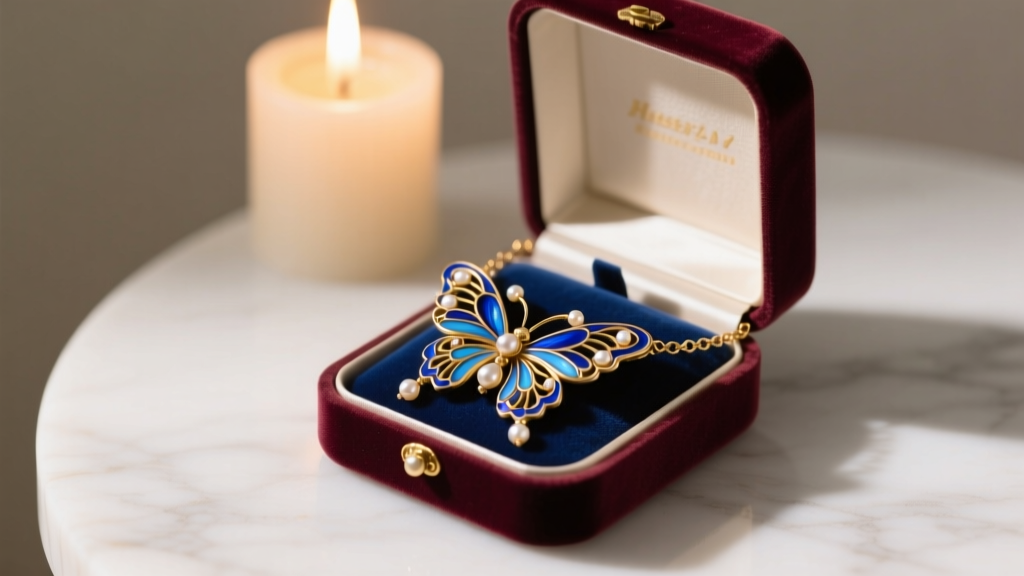
Where to Source Authentic Vintage Pieces in 2026
Sourcing requires moving beyond standard retail. For verified Art Nouveau and Victorian pieces, reputable online marketplaces like 1stDibs and Ruby Lane offer vetted dealer guarantees, ensuring the enamel and gemstones are period-correct. For Mid-Century and Art Deco costume or semi-fine pieces, specialized Instagram and TikTok estate jewelry curators have become premier sourcing grounds, often providing high-definition macro video of the clasp and enamel condition before purchase. Always request a detailed condition report and ask specifically about any restorations to the enamel or replaced gemstones before finalizing your gift.
Ultimately, gifting a vintage butterfly necklace is an exercise in thoughtful curation. By understanding the historical context, verifying the material integrity, and matching the era to the recipient's personal aesthetic, you are not just giving a piece of jewelry; you are passing on a surviving fragment of art history.


