How to Layer and Clean a Dainty Star Necklace: Step-by-Step
Learn how to perfectly layer, clean, and maintain your dainty star necklace. Expert tips on chain lengths, metal grades, and preventing tangles.

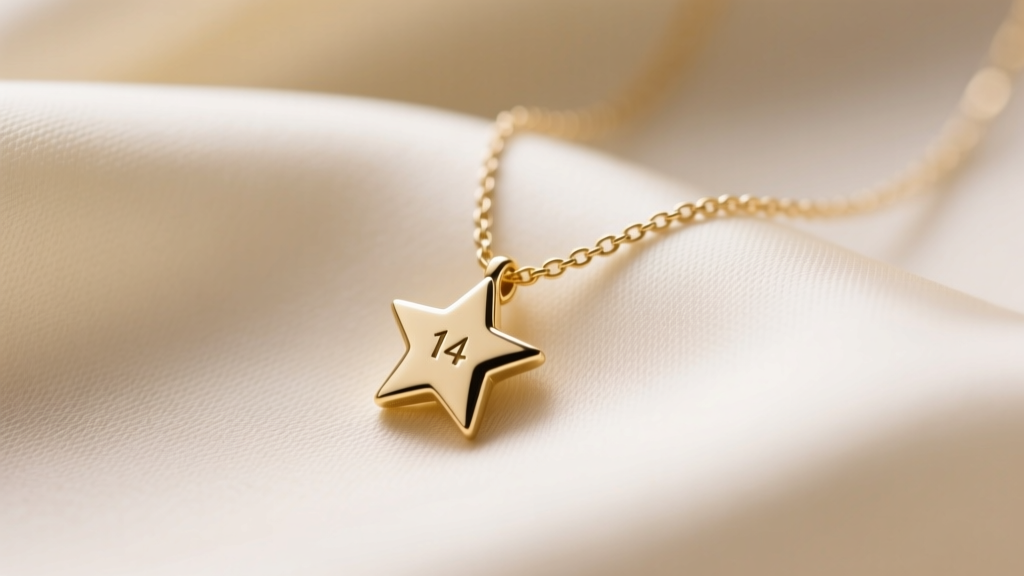
The dainty star necklace has transcended fleeting trends to become a permanent fixture in modern jewelry wardrobes. However, the delicate nature of these pieces—often featuring chains under 1.2mm in thickness and pendants weighing less than two grams—presents unique challenges in styling, layering, and maintenance. Whether you are wearing a minimalist 14k solid gold celestial piece or a rhodium-plated sterling silver pendant, understanding the structural engineering of fine jewelry is critical. This comprehensive guide will walk you through the exact steps to layer your necklaces without tangling, clean them without damaging the metal, and troubleshoot common hardware failures.
The Anatomy of a High-Quality Dainty Star Necklace
Before layering or cleaning, you must understand what you are working with. The manufacturing method of the star pendant dictates its durability. According to the Gemological Institute of America (GIA), the density of the metal plays a massive role in how well a piece withstands daily wear.
Die-Struck vs. Cast Pendants
Most mass-market dainty star pendants are cast using the lost-wax method, which can leave microscopic porosity in the metal, making thin points of the star prone to snapping. Premium jewelers use die-struck manufacturing, where sheets of gold or silver are stamped under immense pressure. This compresses the metal's molecular structure, resulting in a denser, harder star pendant that resists bending and scratching, even when paired with a fragile 0.9mm cable chain.
Metal Grades and Plating Thickness
As of 2026, industry standards for gold vermeil have become strictly regulated. If you are buying a vermeil dainty star necklace, ensure the gold layer is at least 2.5 microns thick over a sterling silver base. Anything less will wear through to the silver within months of friction against the skin.
| Metal Type | Specification | Estimated Lifespan | Tarnish & Wear Risk |
|---|---|---|---|
| Solid 14k Gold | 58.5% pure gold alloy | Lifetime (Generational) | Zero tarnish; highly scratch-resistant |
| Gold Vermeil | 2.5+ microns 14k/18k over 925 silver | 2 to 5 years (daily wear) | Moderate; silver core can oxidize if exposed |
| Sterling Silver | 92.5% silver, 7.5% copper | Lifetime (with polishing) | High; prone to silver sulfide tarnish |
| Gold Plated Brass | Flash plating (under 0.5 microns) | 3 to 6 months | Extreme; brass causes green skin discoloration |
Step-by-Step Guide to Layering Without Tangling

Layering dainty chains is an exercise in spatial mathematics. If chains are too close in length, the pendants and clasps will catch on one another, causing micro-abrasions and severe tangling. Follow the Two-Inch Drop Rule to ensure your dainty star necklace sits perfectly against complementary pieces.
- Establish the Base (14 inches): Start with a 14-inch choker or a simple 1.5mm herringbone chain. This sits flush against the collarbone and provides a visual anchor. Avoid pendants on this layer.
- Position the Star (16 inches): Your dainty star necklace should sit exactly at 16 inches. This places the star pendant in the hollow of the throat, ensuring it doesn't physically overlap with the choker's clasp or chain.
- Add Weight and Texture (18 inches): For the third layer, choose an 18-inch chain with a different texture, such as a 2.0mm box chain or a paperclip chain. The difference in link size prevents the chains from weaving through each other.
- Check the Clasp Alignment: Before leaving the house, run your fingers down the back of your neck. Ensure all three lobster clasps are staggered and not stacked directly on top of one another, which creates a bulky, uncomfortable pressure point.
How to Clean and Maintain Delicate Star Pendants
Cleaning a dainty star necklace requires a gentle touch. Harsh chemicals or aggressive brushing can bend the delicate prongs (if your star features micro-pave diamonds) or strip thin gold plating. The Silver Institute recommends avoiding abrasive pastes entirely, as they remove microscopic layers of metal.
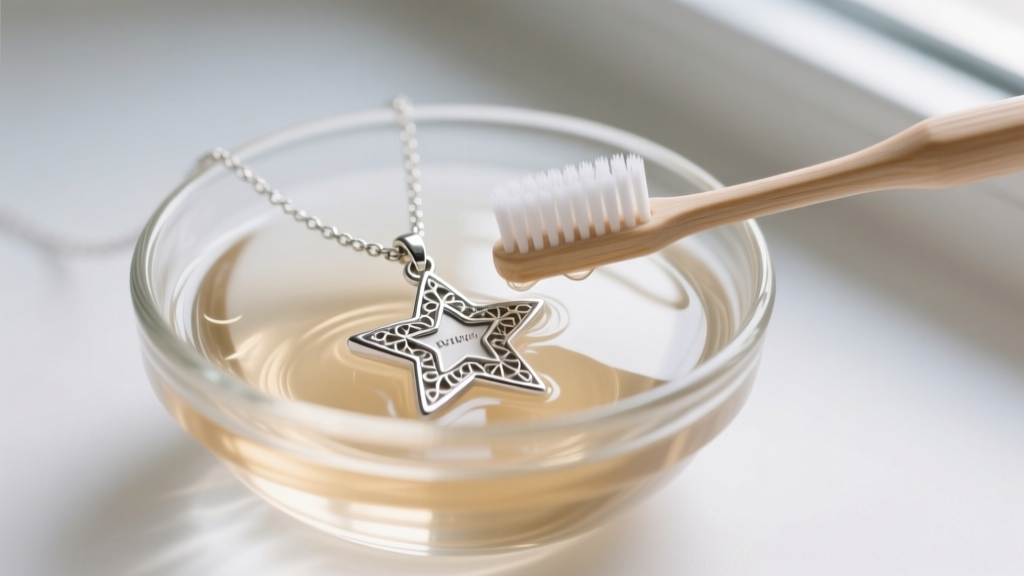
The Distilled Water Soak Method
Tap water contains chlorine and fluoride, which can accelerate tarnishing on sterling silver and leave hard water spots on gold. Always use distilled water for jewelry care.
- Step 1: Fill a small glass bowl with warm (not hot) distilled water and add three drops of mild, phosphate-free dish soap.
- Step 2: Submerge your dainty star necklace and let it soak for exactly 5 to 7 minutes. This loosens body oils, lotions, and dead skin cells trapped in the chain links.
- Step 3: Using an extra-soft baby toothbrush, gently brush the back of the star pendant and the clasp mechanism. Warning: Never use an ultrasonic cleaner if your star pendant contains fracture-filled diamonds or opals, as the high-frequency vibrations will shatter them.
- Step 4: Rinse thoroughly under a gentle stream of distilled water.
- Step 5: Pat dry with a lint-free microfiber cloth. Do not use paper towels, as the wood fibers can scratch high-polish gold and catch on the tiny jump rings.
Troubleshooting Common Dainty Chain Failures
Dainty necklaces, particularly those featuring chains between 0.8mm and 1.1mm, are susceptible to specific mechanical failures. Recognizing these failure modes early can save you from losing your favorite pendant.
"The most common point of failure on a dainty chain is not the chain itself, but the unsoldered jump ring connecting the pendant. Always inspect the gap under a jeweler's loupe or magnifying glass."
The Spring Ring vs. Lobster Clasp Debate
Many manufacturers use 4mm spring ring clasps on dainty necklaces to save weight and cost. However, the internal spring mechanism in a 4mm clasp is notoriously weak and prone to getting stuck in the open position. Actionable fix: Take your necklace to a local jeweler and ask them to snip off the spring ring and solder on a 5mm lobster clasp. The lever-action of a lobster clasp provides vastly superior tension and security for chains under 1.2mm.
Jump Ring Deformation
The jump ring is the tiny circular wire that connects the star pendant to the chain. On dainty necklaces, these are often made of thin 22-gauge wire and are left unsoldered (meaning there is a tiny slit in the ring). Over time, the friction of the chain sliding back and forth can catch this slit, slowly prying the jump ring open until the pendant falls off. When purchasing a dainty star necklace, look for listings that specify a soldered jump ring or at least a thicker 20-gauge wire to ensure the pendant remains securely attached for years to come.


