The Large Sapphire Necklace: 2026 Trend & Style Guide
Discover why the large sapphire necklace is dominating 2026 trends. Explore carat weights, setting mechanics, chain gauges, and styling tips.

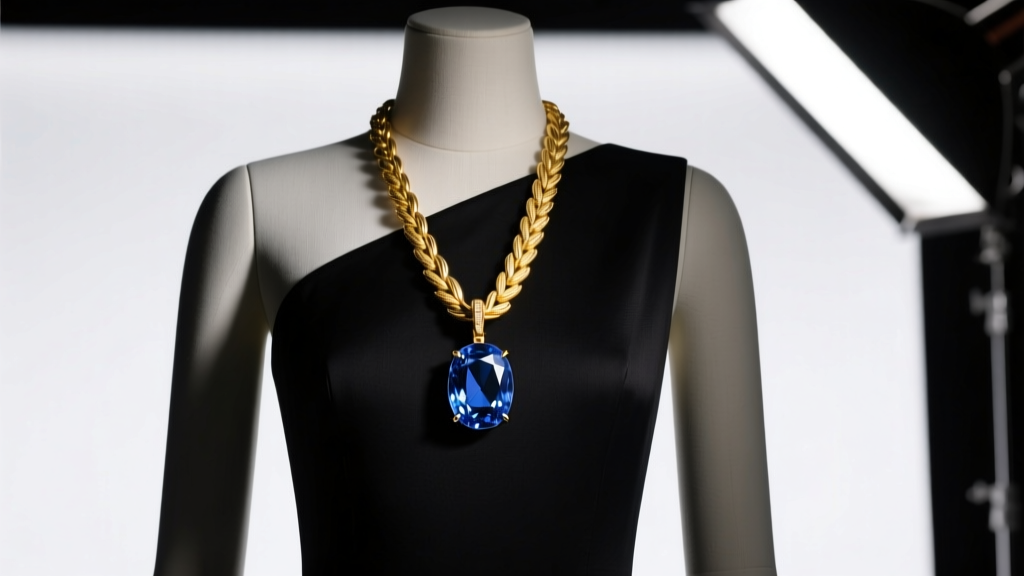
The jewelry landscape of 2026 has decisively pivoted. After half a decade dominated by micro-pendants and ultra-delicate layering, the pendulum has swung toward unapologetic, singular statements. At the epicenter of this shift is the large sapphire necklace. No longer reserved exclusively for royal galas or red-carpet events, substantial corundum pendants—specifically those exceeding 10 carats—are being integrated into elevated everyday wardrobes. This trend, often dubbed 'Bold Heritage,' merges historical gravitas with modern structural design. But pulling off a piece of this magnitude requires more than just an appreciation for deep blue hues; it demands a rigorous understanding of gemological specs, structural metallurgy, and proportional styling.
The 2026 Resurgence of the Statement Sapphire
Why sapphires, and why now? According to the Gemological Institute of America (GIA), sapphire (corundum) ranks at a 9 on the Mohs scale of hardness, making it one of the most durable gemstones available for daily wear. Unlike emeralds, which are heavily included and prone to chipping, or rubies, which rarely form in large, clean crystals, sapphires frequently yield substantial carat weights with exceptional clarity. In 2026, the 'Royalcore' aesthetic has matured. Consumers are moving away from costume-like replicas and investing in authentic, oversized centerpieces that offer both visual weight and generational longevity. A large sapphire necklace serves as an anchor piece, eliminating the need for complex layering while providing an immediate focal point.
Decoding the Specs: Carat, Cut, and Origin
When we classify a sapphire as 'large' in the context of a pendant, we are generally referring to stones between 10 and 25 carats. Because corundum has a higher specific gravity (4.00) than diamond (3.52), a 15-carat sapphire will physically appear slightly smaller than a 15-carat diamond of the same cut, but it will feel noticeably heavier against the collarbone.
The cut is paramount for maximizing the stone's notorious pleochroism—the ability to show different colors in different crystal directions. Oval and cushion cuts remain the most popular for large sapphires, as they preserve carat weight while allowing the cutter to orient the stone's table perpendicular to the c-axis, ensuring the richest, most uniform blue saturation.
Origin dictates not just the price, but the visual character of the necklace. Natural Ceylon (Sri Lankan) sapphires are prized for their bright, medium-toned 'cornflower' blue, while Australian or Thai sapphires often present a darker, inky greenish-blue that can look black in low light. However, the 2026 market has seen a massive surge in high-end lab-grown sapphires, which offer flawless clarity and vivid saturation at a fraction of the cost.
| Origin / Type | Avg. Price per Carat (10ct+) | Color Profile | Typical Inclusions |
|---|---|---|---|
| Unheated Ceylon (Natural) | $4,000 - $15,000+ | Bright cornflower to royal blue | Silk (rutile needles), fingerprints |
| Heated Montana (Natural) | $800 - $2,500 | Steely blue, teal, or Yogo blue | Minimal, high clarity common |
| Flux-Grown (Lab-Created) | $50 - $150 | Highly saturated, customizable | Virtually none, occasional flux remnants |
| Beryllium-Diffused (Treated) | $30 - $100 | Vivid, but artificially enhanced | Surface-reaching fractures, color zoning |
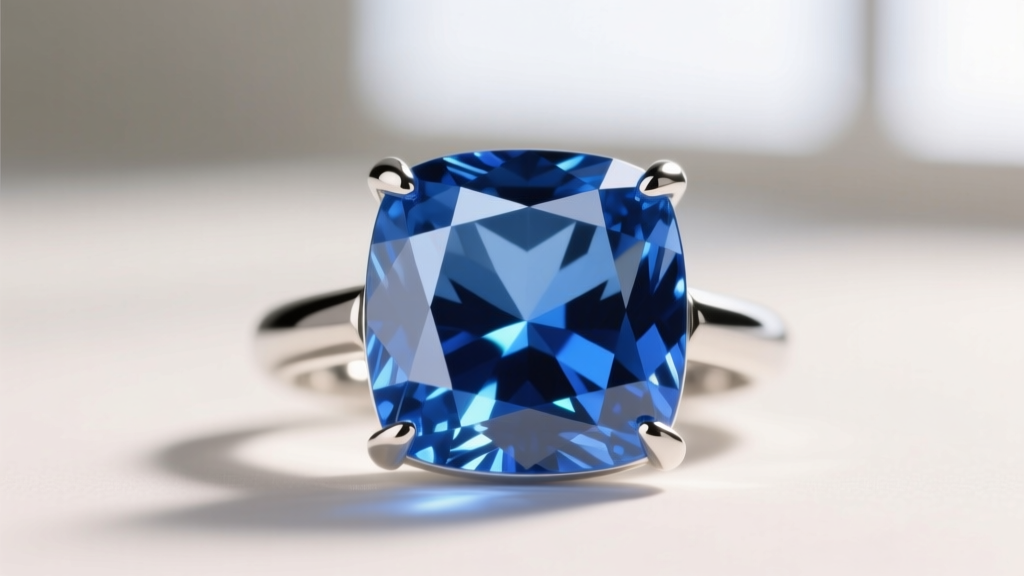
Engineering the Mount: Settings and Chain Integrity
The most common failure point for a large sapphire necklace is not the gemstone itself, but the structural hardware supporting it. A 20-carat sapphire set in 18k gold can easily result in a pendant weighing 15 to 22 grams. Standard jewelry findings are simply not engineered for this load.
Prong vs. Bezel Settings
For stones over 10 carats, traditional four-prong settings pose a significant risk. If a single 1.5mm prong snags on a heavy knit sweater and lifts, the stone can easily dislodge. In 2026, master jewelers heavily favor the bezel setting or a reinforced six-prong cathedral basket for large sapphires. A full bezel not only secures the entire girdle of the gem but also frames the stone, adding an architectural, modern edge that aligns perfectly with contemporary styling.
Chain Gauge and Clasp Mechanics
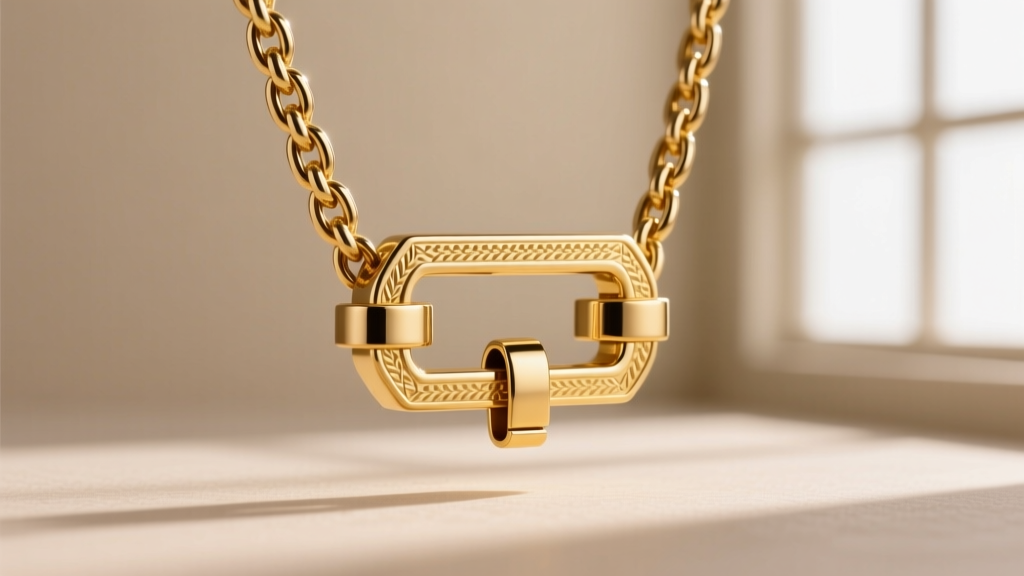
Pairing a heavy pendant with a delicate 1mm cable chain is a recipe for disaster. The constant friction and weight will cause the links to stretch, eventually leading to structural failure. For a large sapphire necklace, the chain must be a minimum of 2.5mm to 4.0mm in thickness. Wheat chains, box chains, and interlocking rope chains offer the necessary tensile strength. Furthermore, the clasp must be upgraded. Standard spring-ring clasps are entirely inadequate. You must utilize a heavy-duty lobster clasp (minimum 12mm) or, ideally, a tongue-box clasp equipped with a figure-eight safety latch, ensuring that even if the primary mechanism fails, the necklace remains secured around the neck.
Styling the Large Sapphire Necklace for Modern Necklines
The sheer scale of a large sapphire necklace demands strategic styling to prevent the piece from overwhelming the wearer. The goal is harmonious proportion, not competition.
- The Structured Blazer: Wearing an 18-inch sapphire pendant over a crisp, unbuttoned white poplin shirt beneath a tailored blazer creates a striking contrast. The rigid lines of the lapel frame the organic curves of the sapphire, making it ideal for high-powered professional environments or evening dinners.
- The Plunging V-Neck: For a 22-inch or 24-inch chain length, a deep V-neckline or wrap dress provides the necessary negative space. The sapphire should rest precisely at the apex of the neckline, drawing the eye vertically and elongating the torso.
- The Off-the-Shoulder / Bateau Neck: When wearing horizontal necklines that expose the collarbones, opt for a shorter 16-inch or 18-inch choker-style chain. The large sapphire will rest in the hollow of the throat, serving as a bold, centralized anchor against the expanse of bare skin.
Investment vs. Ornament: Making the Right Choice
As Encyclopedia Britannica notes, the historical significance of sapphires has long tied them to wisdom and royalty, sustaining their auction value. However, buyers in 2026 must clearly delineate between purchasing a large sapphire necklace as a financial asset versus a stylistic ornament.
If your primary goal is investment and wealth preservation, you must seek out unheated, naturally mined sapphires with verifiable origins (such as Kashmir, Burma, or Ceylon) accompanied by reports from top-tier laboratories like SSEF or Gübelin. These stones are exceptionally rare in sizes above 10 carats and will appreciate over time.
Conversely, if your goal is purely aesthetic—acquiring a massive, flawless, vividly colored stone to wear regularly without the anxiety of damaging a $200,000 asset—advanced lab-grown sapphires are the superior choice. Flux-grown lab sapphires share the exact chemical, physical, and optical properties of mined corundum but allow you to acquire a flawless 20-carat centerpiece for under $3,000, freeing up capital for other wardrobe or lifestyle investments.
'The modern collector understands that a gemstone's value is multifaceted. While unheated natural sapphires remain the pinnacle of traditional asset holding, the rise of large-format lab-grown corundum has democratized the statement necklace, allowing wearers to prioritize bold, architectural design over sheer carat-weight anxiety.' — 2026 Global Gemological Trend Report
Ultimately, the large sapphire necklace is a triumph of both natural beauty and modern engineering. By respecting the physical demands of the stone, selecting the appropriate chain mechanics, and styling with intentional proportion, you can transform this historic gem into a definitive, contemporary masterpiece that will define your personal style for decades to come.


