The Rumi Necklace Explained: Meanings, Metals, and Styling Tips
Discover the meaning behind the Rumi necklace. Learn how to choose authentic calligraphy pendants, select the right metal, and style Sufi-inspired jewelry.

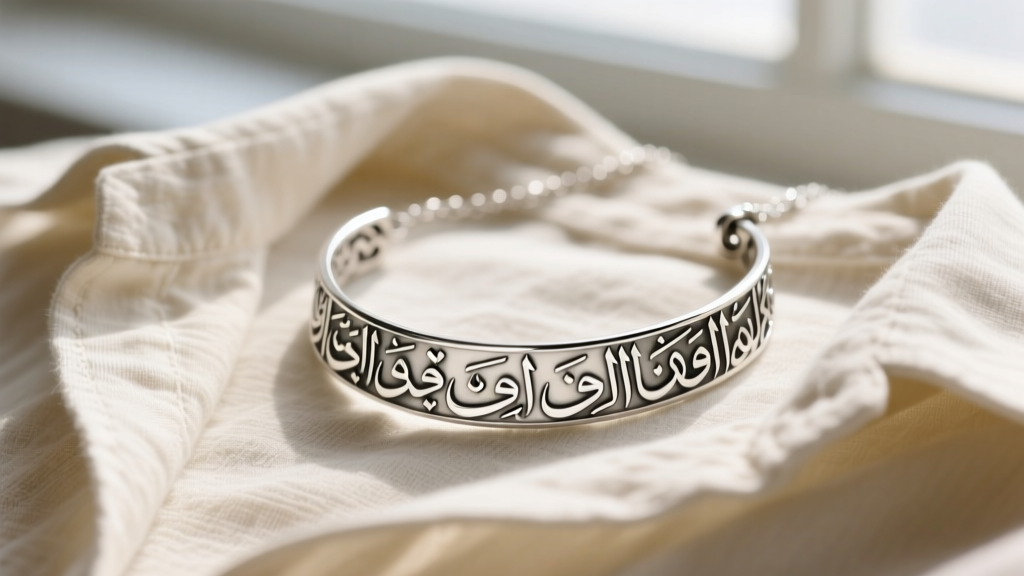
The Spiritual and Historical Roots of Sufi Jewelry
When you first encounter a rumi necklace, you are looking at much more than a simple fashion accessory. You are engaging with a wearable piece of literary and spiritual history. Jalal ad-Din Muhammad Rumi, the renowned 13th-century Persian poet, Islamic scholar, and Sufi mystic, left behind a legacy of poetry that transcends borders and religions. His works, particularly the Masnavi and the Divan-e Shams-e Tabrizi, explore themes of divine love, spiritual longing, and the dissolution of the ego.
For beginners exploring mindful or spiritually significant jewelry, understanding the roots of these pieces is crucial. According to Encyclopædia Britannica, Rumi's teachings formed the foundation of the Mevlevi Order, famously known in the West as the Whirling Dervishes. Wearing a pendant inspired by his life or poetry is often a personal reminder of mindfulness, universal love, and inner peace. However, because these symbols carry deep cultural and religious weight, it is important to approach your purchase with an understanding of the motifs and a commitment to respectful styling.
Decoding the Symbols: What Does Your Pendant Mean?
Not all Rumi-inspired pendants look the same. Artisans typically draw from three distinct visual wells when designing these necklaces. Understanding these motifs will help you choose a piece that resonates with your personal journey.
| Motif | Visual Description | Spiritual Meaning |
|---|---|---|
| Whirling Dervish | A figure in a tall hat (Sikke) and flowing skirt, arms raised. | Represents the Sema ceremony; letting go of the ego to connect with the divine. |
| Nastaliq Calligraphy | Flowing, cursive Arabic or Persian script forming a specific shape or teardrop. | The visual breath of poetry; often spells words like 'Love' (Ishq) or quotes from the Masnavi. |
| The Ney (Reed Flute) | A slender, vertical reed instrument, sometimes intertwined with vines. | Symbolizes the human soul's longing for its source, as described in the opening verses of the Masnavi. |
The Metropolitan Museum of Art notes that in Islamic art, calligraphy is not merely text; it is the highest form of visual expression, transforming the written word into a sacred geometry. When you wear a calligraphy rumi necklace, you are wearing a piece of this ancient artistic tradition.
Material Matters: Choosing the Right Metal and Construction
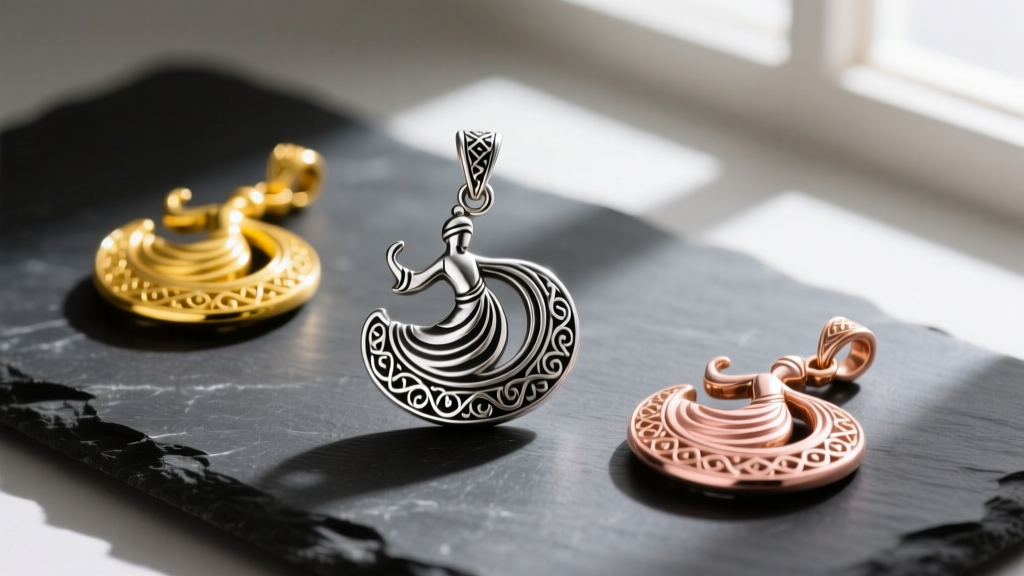
The longevity and legibility of your pendant depend entirely on the metal and the manufacturing technique used. Because Rumi jewelry relies heavily on intricate details—whether it is the crisp edges of Persian script or the delicate folds of a dervish's skirt—the construction method is just as important as the material grade.
Laser-Cut vs. Lost-Wax Casting
- Laser-Cut Sterling Silver (925): This is the gold standard for 2D calligraphy pendants. A laser cuts the script from a flat sheet of 1.5mm to 2.0mm sterling silver, resulting in razor-sharp edges and perfect legibility.
- Lost-Wax Casting: This method is required for 3D motifs, like the whirling dervish figure. Molten metal is poured into a mold. While excellent for dimensional pieces, cheap castings in brass or low-grade alloys will result in 'mushy' details where the script or facial features are blurred.
Metal Grades for Daily Wear
If you plan to wear your necklace daily, avoid base metals like zinc alloy or uncoated brass, which can oxidize quickly and cause skin discoloration. Instead, look for these specific grades:
- 925 Sterling Silver: Durable, hypoallergenic, and easy to polish. Expect to pay between $45 and $120 for a quality artisan piece.
- 14k Gold Vermeil: By definition, vermeil must have a base of sterling silver coated with at least 2.5 microns of 14k gold. This ensures the gold layer will not wear off within a few months, unlike standard 'gold plated' jewelry which uses a mere 0.5 microns over cheap brass.
- Solid 14k or 18k Gold: Reserved for heirloom-quality cast dervish pendants. Pricing typically starts around $350 and can exceed $1,000 depending on the gram weight.
Chain Selection and Proportions
A common mistake beginners make is pairing a delicate, intricate pendant with a chain that is far too heavy. A standard 3mm Cuban link or thick rope chain will visually overpower a 15mm calligraphy pendant, hiding the intricate kerfs (the negative space between the letters).
For most Rumi pendants, which range from 15mm to 25mm in diameter, you should opt for a 1.2mm to 1.5mm cable chain or box chain. These chains provide enough tensile strength to hold the pendant securely without competing for attention. Furthermore, ensure the jump ring (the loop connecting the pendant to the chain) is soldered closed. Calligraphy pendants often have asymmetrical weight distributions; an unsoldered jump ring can easily twist open and drop your pendant.
How to Style a Rumi Necklace Respectfully
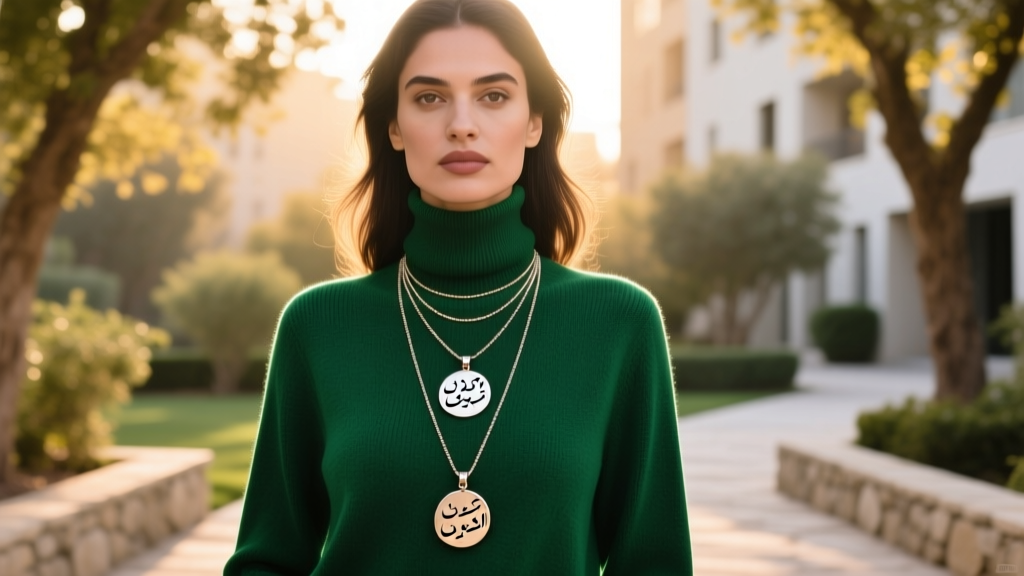
Styling a rumi necklace requires balancing its spiritual significance with modern aesthetics. Because these pieces often serve as conversation starters or personal talismans, they are best worn where they can be seen and appreciated, rather than hidden beneath heavy layers.
Neckline Pairings
For a modest, elegant look, pair an 18-inch calligraphy pendant with a high-neck ribbed sweater or a tailored turtleneck. The solid, dark fabric (like emerald green, navy, or charcoal) provides a high-contrast canvas that makes silver or gold script pop.
Styling Tip: If you are layering your Rumi necklace with other chains, adhere to the 'Rule of Two Inches.' If your Rumi pendant sits at 18 inches, your secondary chain should be no shorter than 16 inches and your tertiary chain no longer than 20 inches. This prevents the clasps and pendants from tangling and scratching the delicate metalwork.
Cultural Sensitivity in Styling
While Rumi's poetry of universal love is embraced globally, it is important to remember the Islamic and Sufi origins of the calligraphy and the Mevlevi order. Avoid wearing these pendants in environments where they might be subjected to disrespect, such as in clubs or while engaging in activities that contradict the mindful ethos the jewelry represents. Treat the piece with the same reverence you would afford a religious medal or a sacred text.
Maintenance: Cleaning Intricate Calligraphy
The very thing that makes a calligraphy rumi necklace beautiful—the intricate negative space and tight curves of the Nastaliq script—also makes it a magnet for dust, lotion, and tarnish. Sterling silver, in particular, will develop a dark patina in the recessed areas of the letters.
Do not use liquid silver dips or ultrasonic cleaners on your pendant. Liquid dips will strip away any intentional oxidization the artisan used to give the piece depth, leaving it flat and chalky. Ultrasonic vibrations can occasionally fracture delicate, laser-cut connections in thin script.
Instead, use a soft horsehair detailing brush dipped in a mild solution of warm water and phosphate-free dish soap. Gently agitate the brush into the crevices of the calligraphy, rinse with distilled water, and pat dry with a microfiber cloth. For stubborn tarnish in tight corners, use a specialized silver polishing cloth wrapped around the tip of a wooden toothpick to gently buff the recessed edges without scratching the high-polish surface.
Final Thoughts on Wearing Poetry
Choosing a rumi necklace is a deeply personal decision that bridges the gap between historical artistry and modern mindfulness. By understanding the difference between laser-cut script and cast figures, insisting on high-quality metals like 925 silver or 14k vermeil, and styling your piece with intention, you ensure that your jewelry remains a meaningful talisman for years to come. Whether you are drawn to the spinning grace of the dervish or the flowing geometry of Persian poetry, your necklace is a daily, wearable reminder of the timeless pursuit of inner light.


