Pearl Necklace with Clasp: A Material Properties Guide
Discover how to choose the perfect pearl necklace with clasp hardware. Compare metals, mechanisms, and material properties for lasting durability.

The Hidden Engineering of Pearl Strands
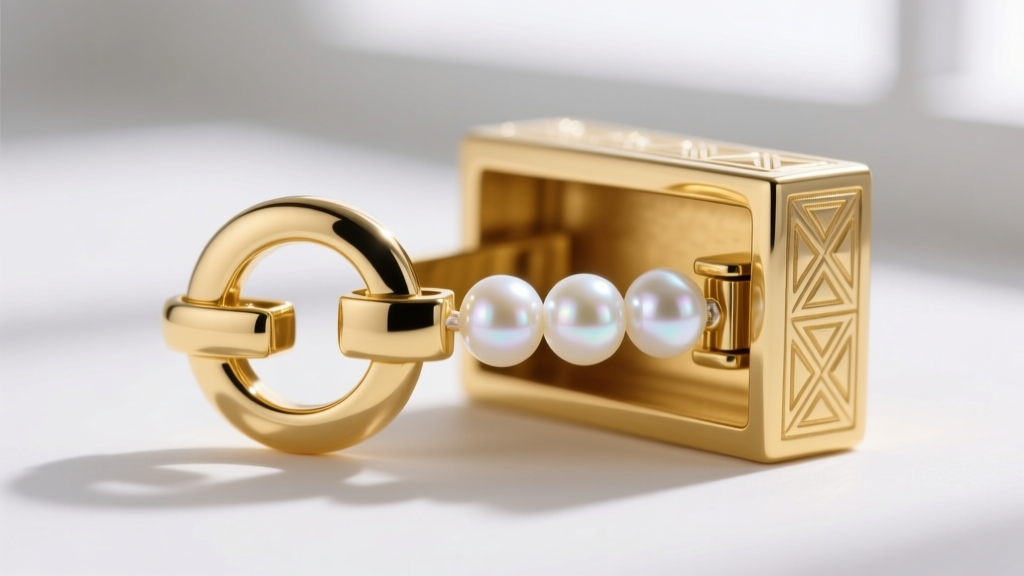
When investing in fine jewelry, buyers often fixate on the luster, overtone, and surface quality of the pearls themselves. Yet, the structural integrity of a pearl necklace with clasp hardware relies entirely on the metallurgical properties and mechanical design of its findings. A strand of South Sea pearls can easily exceed 80 to 120 grams in total weight. If the clasp alloy lacks adequate tensile strength, or if the mechanism fails under dynamic load, the entire strand is compromised. In 2026, master stringers and jewelers approach clasp selection not merely as an aesthetic afterthought, but as a critical engineering decision that dictates the lifespan and safety of the organic gems it secures.
This guide breaks down the material science behind pearl clasps, comparing alloy compositions, mechanical failure modes, and the vital relationship between metal hardware and delicate silk stringing materials.
Metallurgical Breakdown of Clasp Alloys
The choice of metal for your clasp dictates its resistance to deformation, tarnish, and galvanic corrosion. According to Rio Grande's metallurgical standards, the alloy composition directly impacts the Vickers hardness (HV) and tensile strength of the finding.
14K and 18K Gold: The Industry Standards
Gold remains the premier choice for fine pearl strands, but the karat weight drastically alters its physical properties. 18K gold (75% pure gold) offers a rich, warm hue that complements the creamy overtones of Akoya and Freshwater pearls. However, its lower tensile strength makes it prone to bending if used in lightweight, thin-wire lobster clasps. Conversely, 14K gold (58.3% pure gold, alloyed with copper, silver, and zinc) provides a significantly higher yield strength. For heavy, multi-strand pearl necklaces, a 14K gold box clasp is structurally superior, as the alloyed metals resist the shearing forces applied when the necklace is pulled or snagged.
Platinum and Palladium: High-Density Durability
Platinum (typically 95% pure, alloyed with ruthenium or iridium) is exceptionally dense and possesses a high melting point and supreme tensile strength. A platinum box clasp will not wear down or thin out over decades of friction. It is the mandatory choice for heavyweight South Sea pearl strands exceeding 100 grams. Palladium (a platinum group metal) offers similar hypoallergenic and tarnish-resistant properties but at a lower density, making it ideal for medium-weight strands where a heavy platinum clasp would cause the necklace to pull backward against the nape of the neck.
Sterling Silver and the Tarnish Factor
Sterling silver (92.5% silver, 7.5% copper) is highly affordable but metallurgically volatile. The copper content reacts with sulfur and moisture in human perspiration, forming silver sulfide (tarnish). If a sterling silver clasp is used on a pearl strand, the tarnish can transfer to the adjacent silk thread, eventually degrading the fiber and staining the nacre of the terminal pearls. To mitigate this, high-end silver clasps are plated with a thick layer of rhodium, creating an inert barrier. However, once the rhodium wears off at the friction points, the underlying silver becomes vulnerable.
Clasp Mechanisms and Pearl Safety Profiles
The mechanical design of the clasp determines its fail-safes. A secure pearl necklace with clasp mechanisms must account for both static weight and kinetic movement.
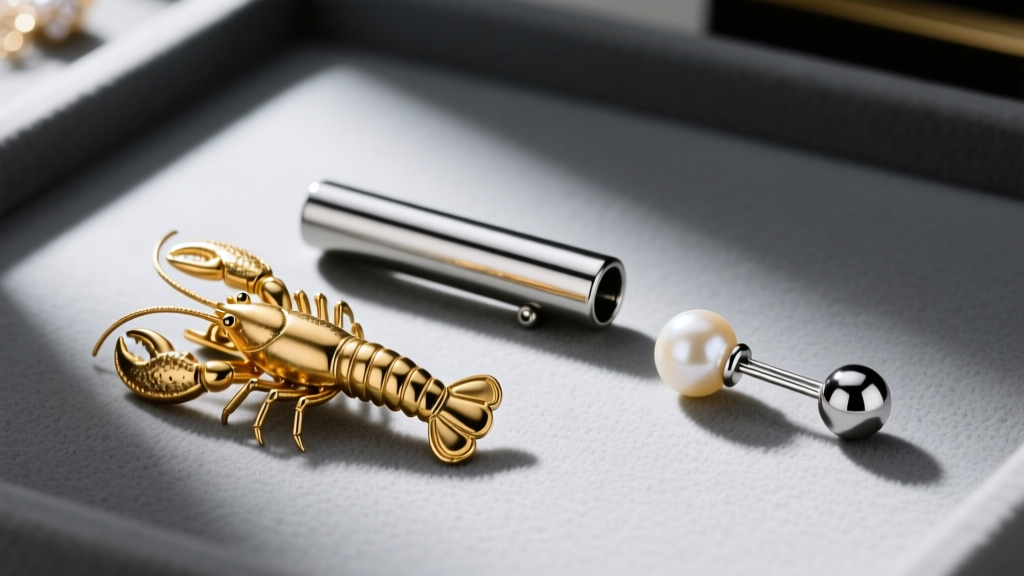
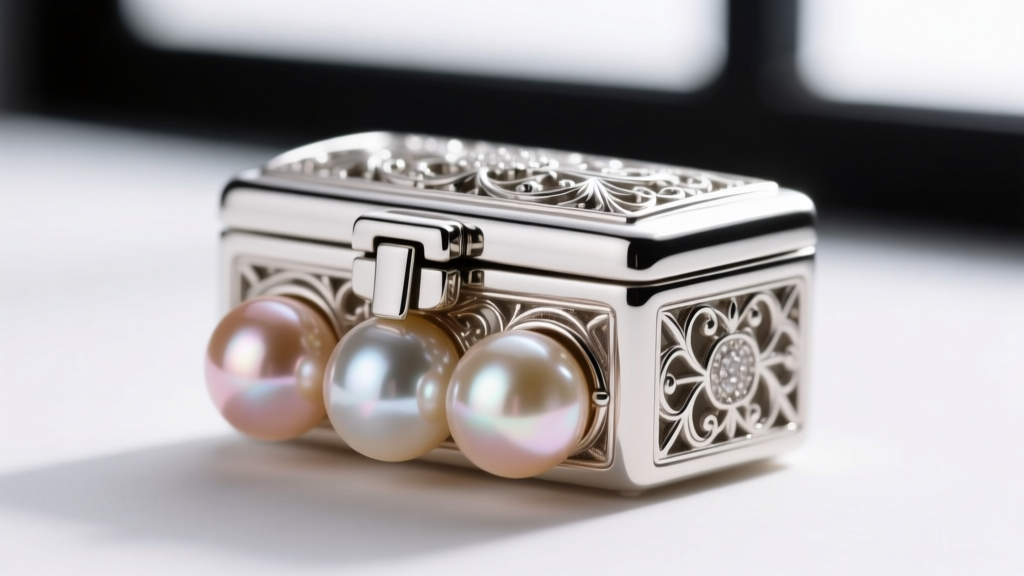
- Box Clasp with Figure-8 Safety: The gold standard for fine pearls. The tongue-and-groove mechanism locks the primary connection, while one or two 18K gold figure-8 safety wires (typically 0.8mm gauge) snap over a side button. If the primary tongue fails, the safety wire catches the strand, preventing a catastrophic drop.
- Lobster Claw: Relies on an internal steel spring. While excellent for lightweight freshwater strands, the spring mechanism is highly susceptible to failure if sweat, lotion, or ultrasonic cleaning fluids penetrate the housing, leading to rust and sudden spring failure.
- Magnetic Neodymium Enclosures: Modern 2026 designs utilize N52-grade neodymium magnets encased in gold or platinum tubes. While incredibly easy to fasten, they lack a mechanical fail-safe. If the magnetic field is disrupted or the glue securing the magnet degrades from heat exposure, the necklace will separate instantly.
- Ball/Slide Clasp: Features a silicone-lined sphere that slides along a cable chain. While adjustable, the silicone insert degrades over time, losing its friction grip and allowing the heavy pearl strand to slide off the wearer's neck.
Matching Clasp Weight to Pearl Varietals
A common failure mode in pearl stringing is an improperly weighted clasp. If the clasp is too heavy, it will migrate to the back of the neck or pull the delicate silk knots apart. If it is too light, it will constantly flip to the front of the chest. Master stringers adhere to a strict weight-to-clasp ratio.
| Pearl Varietal | Average Strand Weight | Recommended Clasp Metal | Optimal Mechanism | Max Clasp Weight Ratio |
|---|---|---|---|---|
| Akoya (7-9mm) | 25g - 40g | 18K Yellow/White Gold | Lobster or Small Box | 10% of strand weight |
| Freshwater (8-10mm) | 35g - 55g | 14K Gold or Rhodium Silver | Magnetic or Lobster | 12% of strand weight |
| Tahitian (10-13mm) | 60g - 90g | 14K/18K Gold or Platinum | Box with Single Figure-8 | 15% of strand weight |
| South Sea (13-16mm) | 90g - 140g+ | Platinum or 14K Gold | Box with Double Figure-8 | 15-20% of strand weight |
Galvanic Corrosion and Silk Thread Degradation
The intersection where the metal clasp meets the organic silk thread is the most vulnerable point of any pearl necklace. According to the Gemological Institute of America (GIA), pearls and their stringing materials require meticulous care to avoid chemical degradation. When a base metal or lower-karat gold clasp rests directly against silk, the microscopic friction acts like a saw, fraying the fibers over time.
'To prevent the metal clasp loop from severing the silk thread, master stringers utilize a technique called French wire, or gimp. This is a microscopic, hollow metal coil (usually .25mm to .30mm thick) threaded onto the silk before the clasp ring is attached. The gimp absorbs 100% of the metal-on-metal friction, preserving the structural integrity of the silk knot.'
Furthermore, galvanic corrosion can occur if the clasp contains copper or nickel alloys and is exposed to the wearer's acidic perspiration. This creates a micro-battery effect that rapidly breaks down the protein structure of the silk thread. For wearers with highly acidic skin chemistry, platinum or high-purity 18K gold clasps are mandatory to ensure the silk does not rot from the inside out.
Expert Maintenance and Failure Troubleshooting
Maintaining a pearl necklace with clasp hardware requires a different protocol than maintaining solid metal chains. Never place a pearl strand in an ultrasonic cleaner; the high-frequency vibrations will shatter the nacre and instantly destroy the internal springs of lobster clasps or the adhesive in magnetic clasps.
Troubleshooting Common Clasp Failures
- Tongue Slippage in Box Clasps: If the primary tongue slides out easily, the metal has lost its tension. A jeweler can carefully bend the tongue upward using nylon-jaw pliers to restore the friction fit. Do not use steel pliers, as they will mar the gold finish.
- Stiff Figure-8 Safety Wires: Over time, the safety wires become loose and refuse to snap over the side button. This requires a jeweler to gently squeeze the loop of the figure-8 wire to tighten its grip on the button.
- Magnetic Weakness: If a magnetic clasp feels weak, it is often not the magnet that has failed, but rather a buildup of microscopic iron dust and skin cells in the magnetic seam. Wipe the connection point with a microfiber cloth and a tiny amount of isopropyl alcohol to restore full N52 magnetic pull-force.
Final Considerations for 2026 Buyers
When commissioning or purchasing a fine pearl strand, demand transparency regarding the clasp's material composition and mechanical fail-safes. A high-grade pearl necklace with clasp hardware engineered from platinum or 14K gold, utilizing a box-and-figure-8 mechanism and protected by French wire coiling, will safely secure your investment for generations. Never compromise on the findings; the clasp is the sole guardian of your pearls.


