White Puka Shell Necklace Buying Guide: Spotting Fakes
Learn how to identify authentic white puka shell necklaces, understand grading systems, and choose the right stringing material in our expert buying guide.

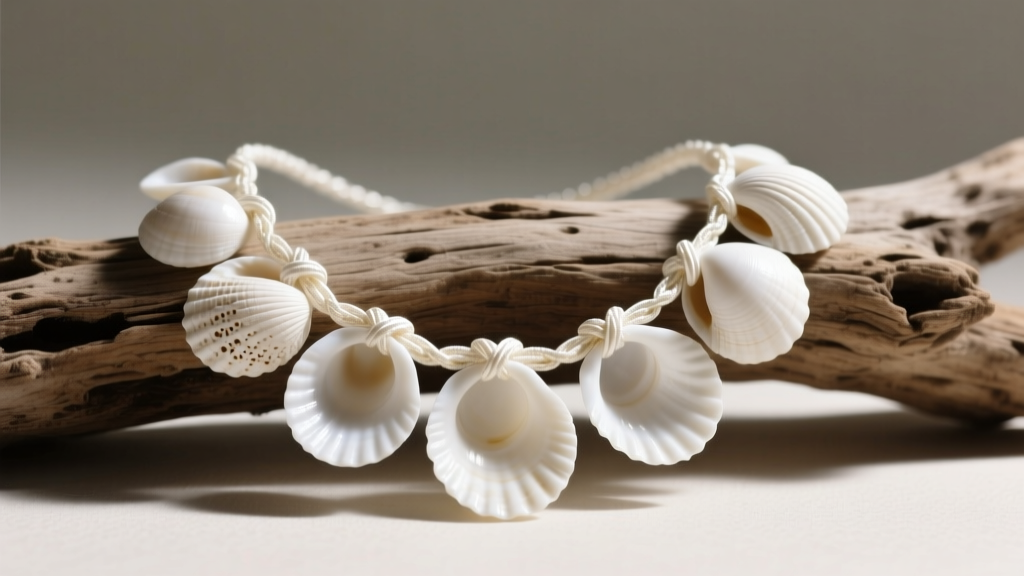
The Resurgence of Puka: Beyond the Surfboard
Once relegated to 1970s surf culture and 1990s skater fashion, the white puka shell necklace has been definitively reclaimed by high jewelry and contemporary streetwear. Modern iterations from luxury houses and independent artisans have elevated this organic gem from a cheap souvenir to a highly sought-after statement piece. However, this surge in popularity has flooded the market with mass-produced imitations. As a buyer, understanding the biological origins, structural grading, and stringing mechanics of genuine puka is essential to avoid overpaying for stamped plastic or bleached clam shells. This comprehensive buying guide will equip you with the exact specifications needed to authenticate and invest in a premium white puka shell necklace.
Anatomy of a True White Puka Shell Necklace
The word "puka" translates directly to "hole" in Hawaiian. True puka shells are not manufactured; they are the result of natural oceanic tumbling. They originate almost exclusively from the Conus miliaris, a species of cone snail native to the Indo-Pacific region. When the snail dies, the delicate spire of the cone shell breaks off. Over years of being tumbled by the ocean's currents against coral and sand, the exterior layers wear away, leaving behind the thick, rounded base with its natural central hole.
The Source: Conus Miliaris vs. Imitations
Because finding naturally tumbled Conus miliaris shells is a labor-intensive, unpredictable process, manufacturers often substitute them with cheaper alternatives. According to historical documentation on Hawaiian shell jewelry, authentic puka has a distinct asymmetrical geometry. The front (convex side) is slightly rounded, while the back (concave side) dips inward toward the hole. Imitations—often stamped from howler monkey shells, thick clam shells, or polyurethane resins—are uniformly flat, perfectly circular, and lack the subtle, organic lip around the central hole.
Natural White vs. Chemically Bleached
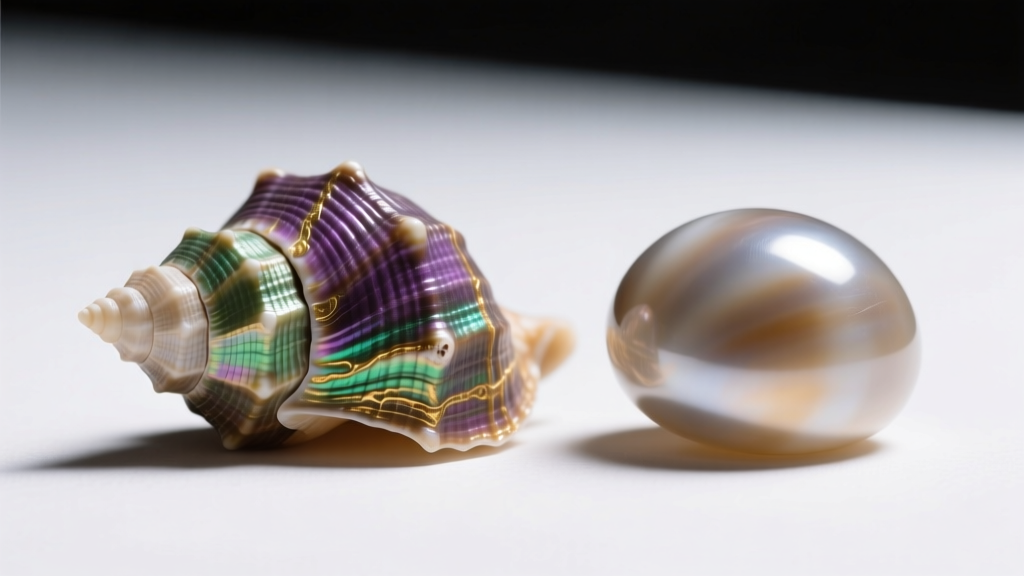
A critical factor in evaluating a white puka shell necklace is understanding color treatment. Naturally occurring Conus miliaris shells are rarely stark white; they typically exhibit hues of cream, ivory, or pale beige with subtle brown or gray mottling. To achieve the brilliant, uniform white demanded by the mass market, lower-grade shells are soaked in hydrogen peroxide or chlorine bleach. While this achieves the desired color, it severely degrades the calcium carbonate matrix of the shell. Bleached puka becomes brittle, chalky, and highly susceptible to cracking under minor physical stress. Naturally white or unbleached cream puka shells are significantly rarer, structurally superior, and command a premium price.
The Grading System: What to Look For
When shopping for a white puka shell necklace, reputable jewelers and specialized surf-luxury brands will grade their shells based on color uniformity, structural integrity, and hole placement. Use the following framework to evaluate pricing and quality.
| Grade | Characteristics | Origin & Treatment | Expected Price Range (18") |
|---|---|---|---|
| Grade AA (Heirloom) | Naturally white/cream, thick walls, perfectly tumbled edges, centered holes. | 100% Natural Conus miliaris, unbleached. | $250 - $600+ |
| Grade A (Premium) | Uniform color, minor surface pitting, mostly centered holes. | Natural shell, potentially mild, safe whitening. | $120 - $250 |
| Grade B (Commercial) | Chalky texture, uneven shapes, off-center or drilled holes. | Heavily bleached cone shells or thick clam shells. | $40 - $90 |
| Faux / Imitation | Perfectly flat, uniform thickness, sharp hole edges, plastic sheen. | Resin, plastic, or stamped howler monkey shell. | Under $30 |
Stringing and Knotting: The Hidden Quality Indicators
The shells themselves are only half the equation. The stringing material and knotting technique dictate the necklace's drape, durability, and ultimate lifespan. Because puka is an organic gem composed of calcium carbonate, it requires specific structural support.
Micro-Knotting vs. Continuous Stringing
In a high-quality white puka shell necklace, you will find a tiny knot tied between every single shell. This technique, known as micro-knotting, serves two vital purposes. First, it prevents the shells from grinding against one another, which would slowly wear away the edges and create abrasive shell dust. Second, it allows the necklace to drape fluidly like a chain rather than sitting stiffly like a rigid ring. Cheap, mass-produced necklaces string the shells continuously without knots, leading to rapid edge degradation and a stiff, unnatural fit around the neck.
Cord Materials: Silk, Nylon, and Wire
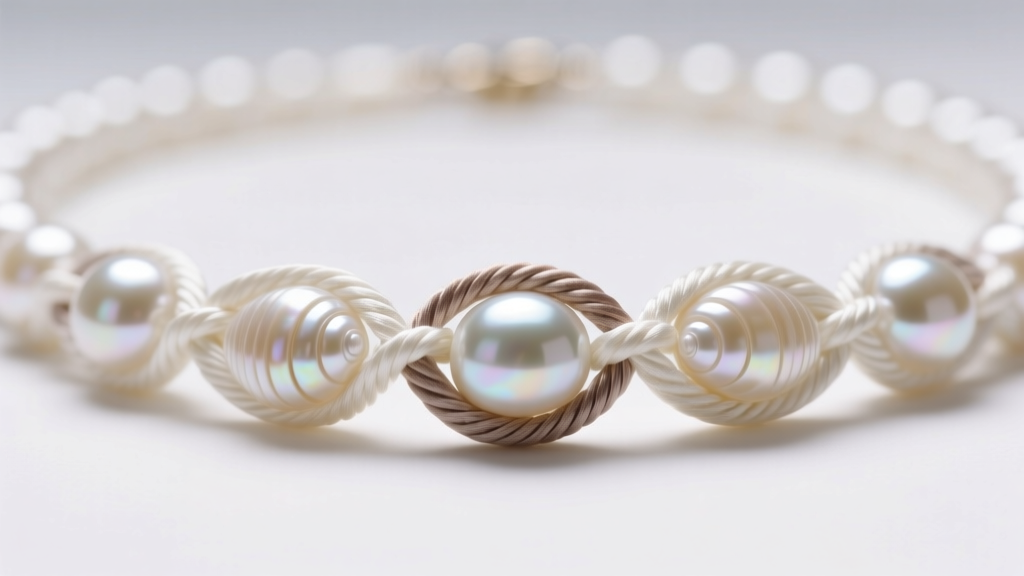
The interior of a puka shell hole is naturally rough and unpolished. If a necklace is strung on metallic wire (such as stainless steel or silver), the wire acts like a saw. Over time, the friction will cut through the wire or, more commonly, saw through the shell from the inside out, resulting in catastrophic failure. The Gemological Institute of America (GIA) recommends soft, flexible organic threads for porous and organic gems. French silk thread or high-tenacity bonded nylon are the industry standards. Silk offers the most luxurious drape and traditional authenticity, while modern bonded nylon provides superior resistance to moisture and sweat.
Sizing, Fit, and Neckline Pairing
Puka shell necklaces are traditionally designed to sit higher on the chest, mimicking the natural way they were worn by Hawaiian surfers. When selecting your length, consider your typical wardrobe necklines:
- 16-Inch Choker: Sits snugly at the base of the neck. Ideal for deep V-necks, off-the-shoulder tops, or open-buttoned linen shirts. This length highlights the natural curvature of the collarbone.
- 18-Inch Princess: The most versatile and popular length. It rests just below the collarbone, making it perfect for crew necks, boat necks, and casual streetwear layering.
- 20 to 22-Inch Matinee: A modern, relaxed fit that drops to the upper chest. Excellent for layering over thicker fabrics, hoodies, or pairing with longer metallic pendant chains for a mixed-texture aesthetic.
Care and Maintenance for Organic Gems
Unlike diamonds or sapphires, a white puka shell necklace is highly reactive to its environment. Calcium carbonate is incredibly sensitive to acids and harsh chemicals. Daily exposure to human sweat, citric acid in perfumes, and the chemical compounds in modern sunscreens will slowly etch the surface of the shells, stripping them of their natural luster and leaving them dull and pitted.
Expert Care Protocol:
- Application Order: Always apply sunscreen, perfume, and hair products at least 15 minutes before putting on your necklace.
- Post-Wear Cleaning: After a day at the beach or heavy sweating, gently wipe the shells with a soft, damp microfiber cloth to remove salt and acidic residues.
- Storage: Store the necklace flat in a soft cloth pouch. Avoid hanging it for long periods, as the sustained gravity can stretch the silk or nylon cord, creating unsightly gaps between the micro-knots.
Final Verdict: Investing in Authenticity
When purchasing a white puka shell necklace, look past the stark white colors of cheap tourist-shop replicas and seek out the subtle, organic beauty of genuine, unbleached Conus miliaris. Inspect the concave backs, verify the presence of protective micro-knots, and ensure the piece is strung on silk or nylon rather than wire. By prioritizing structural integrity and natural origins over mass-produced uniformity, you secure an enduring piece of oceanic history that elevates any modern wardrobe.


