How to Choose and Style the Perfect Delta Sigma Theta Necklace
Learn how to select, style, and care for your Delta Sigma Theta necklace. Expert tips on metals, layering, and honoring sorority traditions.


Honoring the Legacy: A Guide to Delta Sigma Theta Jewelry
Wearing a Delta Sigma Theta necklace is more than just a fashion statement; it is a profound expression of sisterhood, scholarship, and service. Founded in 1913 at Howard University, Delta Sigma Theta Sorority, Incorporated has established a rich visual heritage defined by its iconic crimson and cream colors, the Delta symbol, the elephant, the torch, and the pyramid. When selecting a piece of jewelry to represent your membership or your status as a dedicated Sweetheart or family member, the quality, material grade, and styling of the necklace must reflect the prestige of the organization.
In this comprehensive guide, we break down exactly how to choose, style, and maintain a Delta Sigma Theta necklace. From deciphering metal purity stamps to understanding the structural differences in enamel work, this step-by-step framework ensures your jewelry remains a timeless heirloom rather than a fleeting accessory.
Step 1: Navigating Official Licensing vs. Custom Artisans
The first step in acquiring a Delta Sigma Theta necklace is determining where to source it. The sorority strictly protects its trademarks, including the Greek letters and the official crest. Purchasing from officially licensed vendors ensures that a portion of your investment goes back to the organization while guaranteeing that the proportions of the Delta symbol adhere to the official brand guidelines.
While custom artisans on platforms like Etsy may offer unique, handcrafted interpretations, they often lack the licensing agreements required to reproduce Greek letters legally. For initiation gifts, probate presents, or personal milestones, always prioritize the official Delta Sigma Theta store or verified licensed jewelers. This guarantees authenticity and protects the intellectual property of the sorority.
Step 2: Selecting the Right Metal and Material Grade
The longevity of your necklace depends entirely on its metallurgical composition. Sorority jewelry is frequently worn daily, meaning it must withstand friction, sweat, and environmental exposure. Understanding the difference between gold-plated, gold vermeil, gold-filled, and solid gold is critical for managing your budget and expectations.
| Material Grade | Composition Details | Estimated Lifespan | Price Range |
|---|---|---|---|
| Gold Plated (Brass Base) | Less than 0.5 microns of gold over brass | 6 - 12 months | $20 - $40 |
| Gold Vermeil | Minimum 2.5 microns of 10k-14k gold over 925 sterling silver | 2 - 5 years | $60 - $120 |
| 14k Gold-Filled (GF) | 1/20th (5%) of the total weight is solid 14k gold bonded to a brass core | 10 - 30 years | $80 - $150 |
| Solid 14k Gold | 58.5% pure gold alloyed with copper and silver for durability | Lifetime / Heirloom | $350 - $800+ |
According to the Federal Trade Commission (FTC) Jewelry Guides, the term "gold-filled" is strictly regulated. A piece must contain at least 1/20th of its total weight in solid gold to bear the 14k GF stamp. For a Delta Sigma Theta necklace that you intend to wear to every chapter meeting and alumni event, 14k gold-filled is the optimal balance of luxury, durability, and affordability.
Step 3: Decoding Enamel Types for Crimson Details
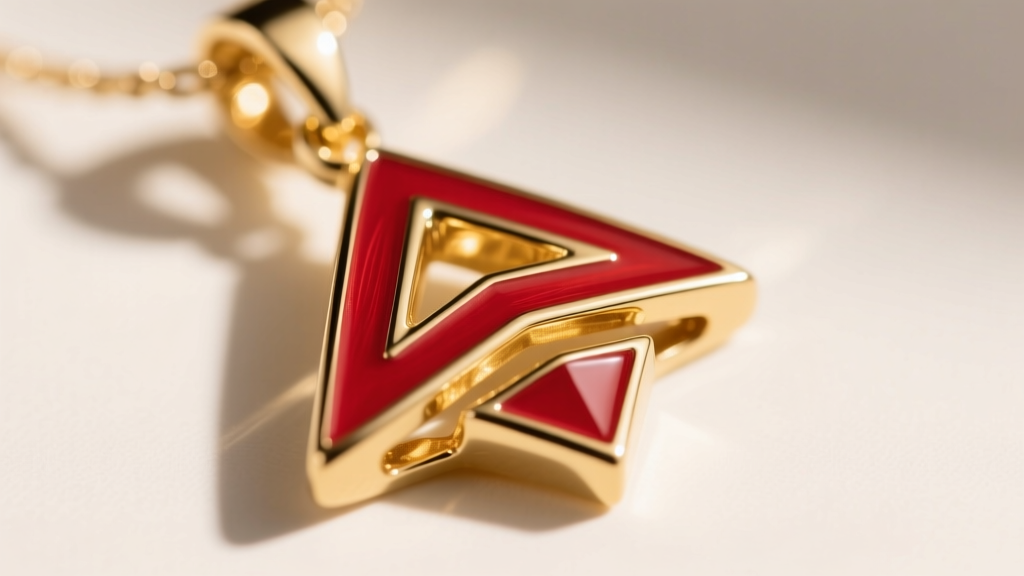
The crimson accents on a Delta necklace are typically achieved through enamel work. However, not all enamel is created equal. When browsing product descriptions, look specifically for hard enamel (cloisonné) rather than soft enamel or epoxy resin.
- Hard Enamel: The enamel powder is fired at high temperatures, then polished flat so it is completely smooth and flush with the metal borders. It is highly resistant to scratching and fading.
- Soft Enamel: The paint sits recessed below the metal lines. While it offers vibrant colors, the epoxy coating used to seal it can yellow over time and is prone to chipping if dropped.
- Epoxy Resin (Cold Enamel): A glued-on colored resin that lacks the depth, light refraction, and heat resistance of fired glass enamel. Avoid this for heirloom-quality pieces.
Step 4: Choosing the Ideal Chain Gauge and Length
The pendant is only half the equation; the chain dictates how the necklace drapes and how secure the piece remains. For lightweight Delta symbol pendants (typically 12mm to 18mm in width), a delicate but strong chain is required.
Opt for a 1.0mm to 1.2mm rope chain or a 1.2mm box chain. These styles offer excellent tensile strength and resist kinking better than standard cable chains. Avoid chains thinner than 0.9mm, as they are highly susceptible to snapping under the weight of a solid metal pendant.
Regarding length, consider your typical wardrobe:
- 16-inch (Choker/Collar): Sits high on the collarbone. Ideal for open-neck blouses and summer wear.
- 18-inch (Princess): The industry standard. Rests perfectly on the upper chest, making it visible above most crew necks and scoop necks.
- 20-inch (Matinee): Falls near the neckline of a button-down shirt. Perfect for layering over cream turtlenecks in the winter.
Step 5: Styling and Layering for Sorority Events
Styling your Delta Sigma Theta necklace requires balancing sorority pride with sophisticated elegance. The crimson and cream color palette offers a highly versatile foundation for layering.
The Probate Ceremony Layering Technique
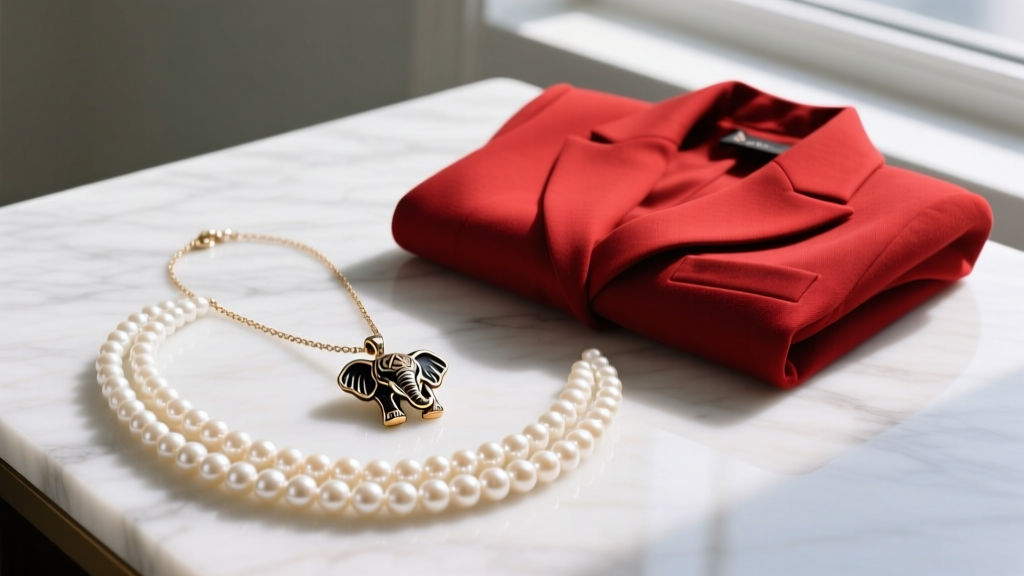
For formal probate ceremonies or Founders Day celebrations, pair your 18-inch gold Delta pendant with a 24-inch strand of 6mm cream-colored freshwater pearls. The pearls provide a traditional, elegant backdrop that allows the gold and crimson pendant to serve as the focal point. Ensure the pearl strand is knotted between each bead to prevent catastrophic loss if the silk thread breaks.
Professional Chapter Meeting Styling
When attending professional meetings or career mixers, subtlety is key. Wear a 16-inch solid 14k gold Delta necklace tucked slightly beneath the lapel of a crimson blazer. This creates a sophisticated "peek-a-boo" effect that signals your membership to those in the know without overwhelming your professional attire.
Step 6: Proper Care and Maintenance Protocols
The most common failure mode for Greek letter jewelry is the degradation of the colored enamel and the tarnishing of the underlying base metals. To ensure your necklace remains pristine for decades, you must adopt a strict maintenance routine.
Critical Warning: Never place an enameled Delta Sigma Theta necklace in an ultrasonic jewelry cleaner. The high-frequency vibrations will cause micro-fractures in the hard enamel, eventually causing the crimson glass to shatter and fall out of the metal bezels.
Weekly Cleaning Routine:
- Mix two drops of mild, phosphate-free dish soap into a bowl of lukewarm distilled water.
- Submerge the necklace for exactly three minutes to loosen body oils and lotions.
- Gently agitate the water with your fingers. Do not use a toothbrush, as stiff bristles can scratch high-polish gold finishes.
- Rinse thoroughly under cool distilled water.
- Pat dry immediately with a lint-free microfiber cloth to prevent water spots on the metal.
Step 7: Safe Storage to Prevent Oxidation
When you are not wearing your necklace, proper storage is non-negotiable. Exposure to ambient humidity and airborne sulfur compounds will cause sterling silver base metals (in vermeil pieces) to tarnish rapidly, which can eventually bleed through the gold layers.
Store your necklace in an airtight, anti-tarnish ziplock bag equipped with a silica gel packet to absorb moisture. Keep the pendant separated from other jewelry to prevent the sharp edges of the Delta symbol from scratching adjacent gemstones or softer metals. By following these meticulous care instructions, your Delta Sigma Theta necklace will remain a brilliant, enduring symbol of your lifelong commitment to the sisterhood.


