How to Clean and Care for Your James Avery Moon Necklace
Learn expert tips to clean, polish, and protect your James Avery moon necklace without damaging its signature oxidized silver finish or gemstones.

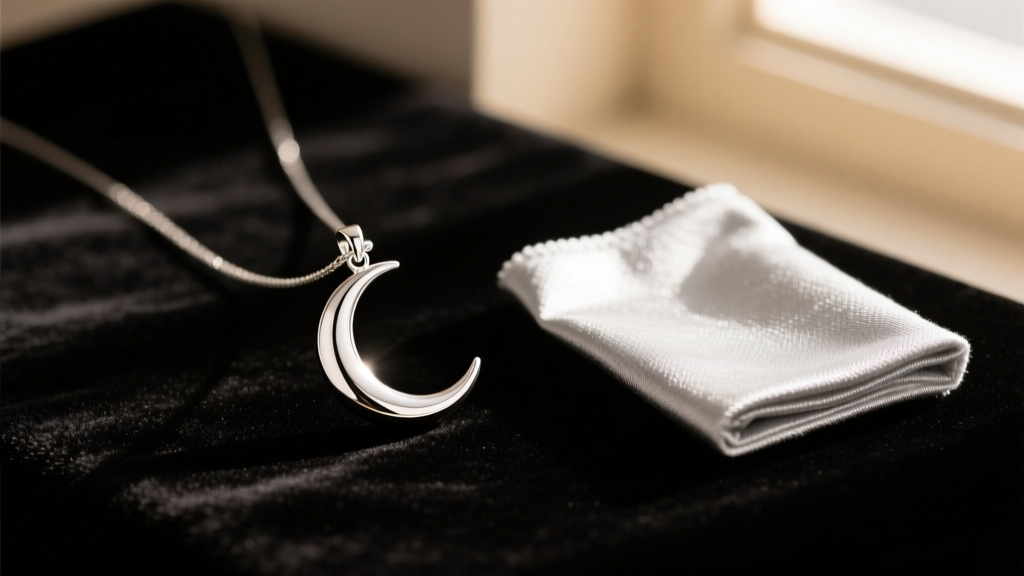
The Allure and Anatomy of Celestial Silver
A James Avery moon necklace is more than just a piece of jewelry; it is a wearable talisman that captures the mystique of the night sky. Whether you own the intricate Celestial Moon pendant, a delicate crescent design, or a moon-and-star motif, these pieces are celebrated for their heavy cast weight, deep textures, and signature antiqued finishes. However, the very elements that give these necklaces their distinctive, vintage-inspired character also require a highly specific approach to maintenance.
Unlike high-polish, mirror-finish jewelry, James Avery’s sterling silver pieces rely on intentional oxidation—often referred to as patina or antiquing—to highlight the craters, stars, and crescents of their celestial designs. Cleaning a James Avery moon necklace requires you to strip away environmental tarnish while meticulously preserving this dark, contrasting finish in the crevices. In this comprehensive guide, we will break down the metallurgy of your pendant, outline a safe cleaning protocol, and reveal the common household mistakes that can permanently ruin your jewelry's contrast.
Understanding the Metallurgy: Sterling Silver and Tarnish
To care for your necklace, you must first understand what it is made of. James Avery crafts their silver pieces from genuine sterling silver, which is an alloy consisting of 92.5% pure silver and 7.5% copper (hence the "925" stamp). Pure silver is highly resistant to tarnish, but it is too soft for intricate casting and daily wear. The addition of copper provides the necessary durability, but it also introduces a vulnerability: copper reacts with sulfur and moisture in the air to form silver sulfide, the blackish-yellow film we recognize as tarnish.
According to the Gemological Institute of America (GIA), environmental factors such as high humidity, airborne pollutants, and even the natural pH of your skin can accelerate this chemical reaction. Because moon pendants feature deep recesses to mimic lunar craters and shadowed edges, these crevices trap oils, dead skin cells, and sulfur-heavy dust, making them ground zero for rapid tarnish buildup.
The Golden Rule: Protecting the Oxidized Finish
The most critical mistake owners make when cleaning a James Avery moon necklace is treating it like standard, bright silver. Many commercial jewelry cleaners and home remedies (like the popular aluminum foil and baking soda bath) rely on chemical reduction or mild abrasion to remove silver sulfide. While effective on flat, polished chains, these methods will strip the intentional black oxidation from the deep textures of your moon pendant.
Warning: Never use liquid silver dips (such as Tarn-X) or ultrasonic cleaners on antiqued or oxidized silver. These harsh chemical baths will dissolve the dark patina in seconds, leaving your moon necklace with a flat, bright white, and lifeless appearance that is incredibly difficult to restore without professional re-oxidation.
Instead, the goal is targeted, mechanical cleaning. You want to lift the grime and surface tarnish from the high points and the chain while leaving the dark recesses completely untouched. This preserves the three-dimensional depth that makes the celestial design pop.

Step-by-Step Cleaning Protocol for Antiqued Silver
Follow this meticulous, four-step process to safely clean your necklace every few months, or whenever the high-polish areas begin to look dull.
Step 1: The Mild Degreasing Wash
Before polishing, you must remove the invisible layer of sebum (skin oils) and lotions that coat the silver. Mix a few drops of a mild, phosphate-free dish soap (like Dawn Ultra) into a bowl of lukewarm water. Submerge the necklace for no more than 3 to 5 minutes. Avoid hot water, which can damage any secondary gemstone accents (like pearls or turquoise) that might be integrated into limited-edition celestial designs.
Step 2: Gentle Agitation
Using an extra-soft baby toothbrush, gently brush the chain and the smooth, raised surfaces of the moon pendant. Do not scrub aggressively into the deep, dark crevices. The goal is to dislodge trapped debris from the chain links and the bail (the loop connecting the pendant to the chain) without acting as an abrasive on the silver itself.
Step 3: Thorough Drying
Rinse the necklace under a gentle stream of lukewarm water to remove all soap residue. Immediately pat it dry with a lint-free microfiber cloth. Moisture left in the crevices or the lobster clasp mechanism can lead to localized corrosion or water spots that are difficult to buff out later.
Step 4: Targeted Polishing
This is where the magic happens. Use a high-quality, treated polishing cloth, such as the Sunshine Polishing Cloth or a Connoisseurs Silver Polishing Cloth. Gently rub the raised, smooth areas of the moon—the bright edges of the crescent, the face of the moon, and the chain links. The micro-abrasives and anti-tarnish agents embedded in the cloth will lift the yellowish silver sulfide and restore a brilliant shine to the high points, creating a stunning contrast against the dark, oxidized craters.
Comparison Chart: Safe vs. Unsafe Cleaners
Not all cleaning methods are created equal. Use this table to evaluate your jewelry care arsenal before applying anything to your pendant.
| Cleaning Method | Effect on Antiqued Silver | Verdict for Moon Pendants |
|---|---|---|
| Treated Polishing Cloths | Lifts surface tarnish; leaves oxidation intact. | Highly Recommended |
| Mild Soap & Water | Removes oils safely without chemical reactions. | Safe for Prep |
| Liquid Silver Dips | Strips all oxidation; leaves piece flat and white. | Never Use |
| Baking Soda & Foil Bath | Can lighten dark patina; risks pitting the silver. | Avoid |
| Toothpaste (Abrasive) | Scratches high-polish areas; packs into crevices. | Never Use |
| Ultrasonic Cleaners | Vibrations can loosen gemstone settings or bails. | Avoid |
Preventative Care and the "Last On, First Off" Rule
The Victoria and Albert Museum's conservation department emphasizes that the best way to care for silver is to minimize its exposure to corrosive agents in the first place. Your daily routine plays a massive role in the longevity of your moon necklace's finish.
- Chemical Exposure: Hairsprays, perfumes, and body lotions contain alcohols and synthetic compounds that accelerate tarnishing. Always apply these products and let them dry completely before putting on your necklace.
- Chlorine and Salt: Never wear your sterling silver necklace in swimming pools, hot tubs, or the ocean. Chlorine causes irreversible chemical damage to the copper alloy, leading to deep pitting and structural weakness in the chain links.
- Friction: While silver is durable, constant friction against rough textiles or other metal jewelry can wear away the intentional oxidation over time. Layer your moon necklace carefully, ensuring it doesn't constantly rub against harder metals like stainless steel or tungsten.
Long-Term Storage Strategies
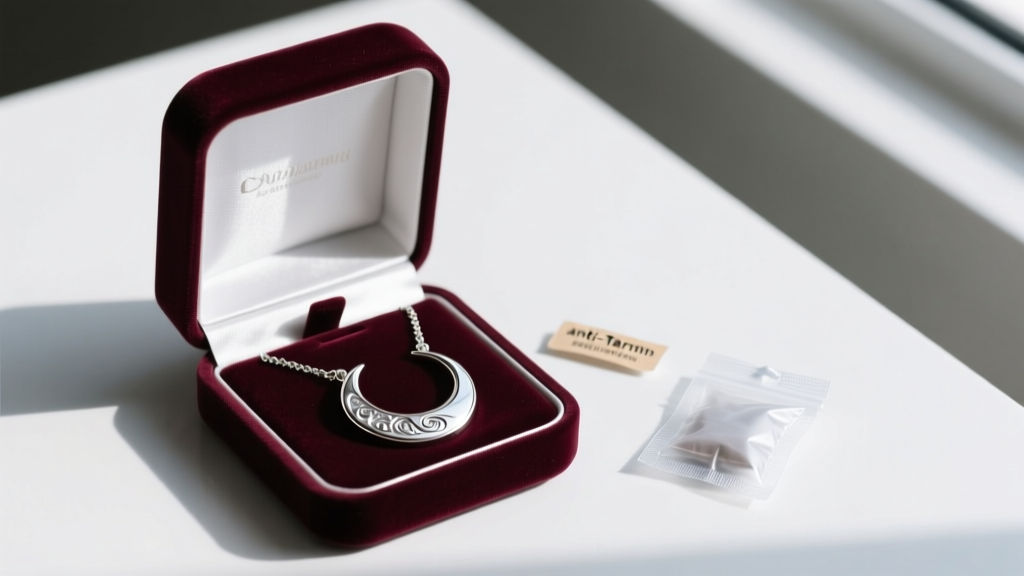
How you store your James Avery moon necklace when you aren't wearing it is just as important as how you clean it. Leaving silver exposed to the open air on a jewelry stand guarantees a rapid buildup of silver sulfide.
For optimal preservation, store the necklace in an airtight environment. A simple zip-top plastic bag works wonders, provided you add a 3M Anti-Tarnish Strip. These strips absorb airborne sulfur and moisture, effectively neutralizing the environment inside the bag. For an extra layer of protection, wrap the pendant in a piece of Pacific Silvercloth or acid-free tissue paper before bagging it to prevent micro-scratches on the high-polish areas. Always ensure the necklace is completely dry and free of skin oils before sealing it away for the season.
When to Seek Professional Restoration
While home maintenance is excellent for surface cleaning, there are scenarios where your necklace requires professional intervention. If your chain develops a kink, if the lobster clasp spring mechanism fails, or if the bail connecting the moon pendant to the chain shows signs of thinning, take it to a certified jeweler or a James Avery retail location. Furthermore, if your pendant has lost its dark contrast due to accidental exposure to harsh chemicals or years of aggressive polishing, a professional jeweler can safely re-oxidize the piece using liver of sulfur, restoring the original, dramatic lunar shadows intended by the designer.


