18 Inch vs 16 Inch Necklace: How to Choose the Perfect Length
Master the 18 inch vs 16 inch necklace debate. Learn how to measure, match necklines, and layer perfectly with our step-by-step styling guide.

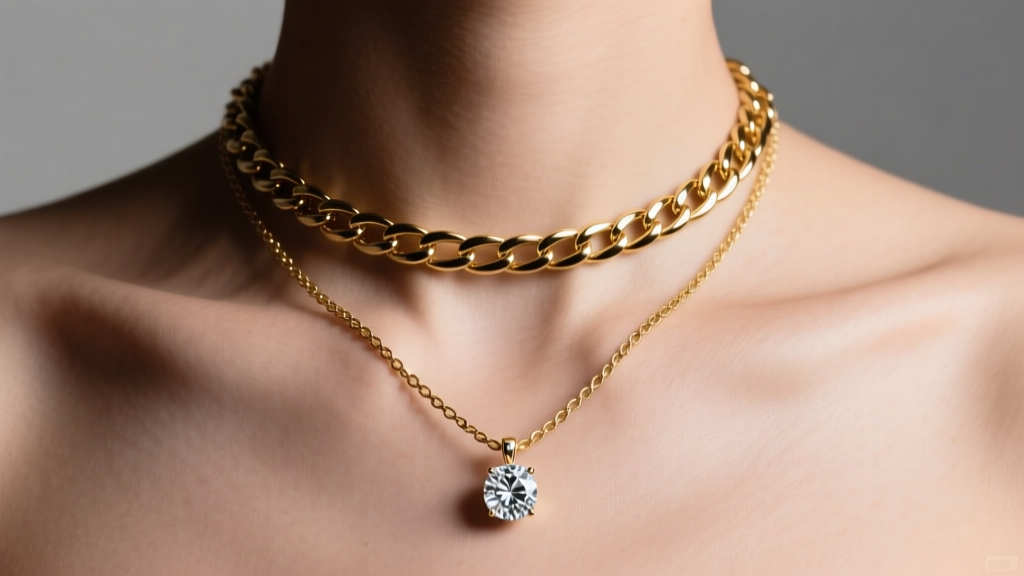
The Anatomy of Necklace Lengths: Where Do They Actually Fall?
When navigating the 18 inch vs 16 inch necklace debate, understanding the precise anatomy of how these lengths drape on the human body is your first step toward a flawless fit. While the jewelry industry uses standardized measurements, the visual result is entirely dependent on your unique proportions, the chain's gauge, and the weight of any attached pendants.
A 16-inch necklace (approximately 40.6 cm) is universally classified as a 'choker' or 'collarbone' length. On an average neck circumference of 13 to 14 inches, a 16-inch chain will sit snugly at the base of the neck, grazing the top of the collarbone. It provides a structured, framed look that draws the eye upward toward the face. Conversely, an 18-inch necklace (approximately 45.7 cm) is the quintessential 'princess' length. It drops below the collarbone, resting comfortably on the clavicle or upper chest. This length offers a relaxed drape and serves as the industry standard for everyday pendant necklaces, as it clears most standard crew necklines without tangling in the fabric.
Step-by-Step: How to Measure Your Neck for the Perfect Fit
Do not rely on guesswork when investing in fine jewelry. According to Jewelers of America, taking precise physical measurements is the only way to guarantee how a chain will sit. Follow this step-by-step protocol to find your ideal length:
- The String Method: Cut a piece of non-stretchable string or use a flexible tailor's measuring tape. Wrap it around your neck at the exact point where you want the necklace to rest.
- Account for the Clasp: Bring the ends together at the front. If you are measuring for a 16-inch fit, ensure the string sits at the base of your neck. Mark the intersection point with a pen.
- Measure and Add Drape: Lay the string flat against a rigid metal ruler. If your neck measures exactly 14 inches, a 16-inch chain will give you 2 inches of total drape (1 inch on each side). If you prefer a looser feel, size up to 18 inches.
- The Pendant Weight Factor: If you plan to add a heavy pendant (e.g., a 5-gram solid gold medallion), it will pull the chain downward. An 18-inch chain with a heavy pendant may visually drop to 19 inches. To counteract this, choose a thicker gauge chain (1.5mm to 2.0mm) which resists stretching and pulling.

Neckline Matching Matrix: 16 Inch vs 18 Inch
The interplay between your clothing's neckline and your necklace length dictates the overall harmony of your outfit. A mismatched length can cause visual clutter or cause the chain to hide beneath the fabric. Use the data table below as a definitive styling framework.
| Neckline Style | Best Length | Why It Works | Ideal Chain Weave |
|---|---|---|---|
| Crew Neck / T-Shirt | 18 Inch | Sits just below the fabric hem, preventing friction and tarnish from cotton. | Box Chain or Rope |
| V-Neck / Wrap Top | 18 Inch (with pendant) | Mirrors the V-shape of the garment, elongating the torso and drawing the eye down. | Cable Chain with Teardrop |
| Off-the-Shoulder / Bardot | 16 Inch | Frames the exposed collarbones beautifully without dangling into the bare skin. | Delicate 1.0mm Bead Chain |
| Button-Down / Collared | 16 Inch or 18 Inch | 16" sits above the top button; 18" can be layered under the collar for a preppy look. | Figaro or Curb Chain |
| Scoop Neck | 16 Inch | Fills the negative space just above the fabric line, acting as a built-in collar. | Paperclip or Satellite Chain |

The Layering Blueprint: Combining 16 and 18 Inch Chains
Layering is where the 18 inch vs 16 inch necklace comparison transforms from a choice into a synergistic styling technique. To avoid the dreaded 'tangle cluster,' you must engineer your layers with contrasting gauges and clasp types.
Step 1: Establish the Base (16-Inch)
Start with a 16-inch chain featuring a lightweight, flexible weave, such as a 1.2mm cable or wheat chain. This will sit closer to the skin. Ensure it has a small, unobtrusive spring ring clasp so it doesn't create a bulky bump at the nape of your neck when layered.
Step 2: Add the Anchor (18-Inch)
For the 18-inch layer, opt for a heavier, more textured chain—like a 2.5mm rope or a 2.0mm box chain. This creates visual depth. The 18-inch chain should feature a lobster clasp, which is easier to manipulate when putting on multiple layers.
Step 3: The Pendant Placement Rule
Never place heavy pendants on both layers. Keep the 16-inch layer minimal (perhaps a tiny 3mm bezel-set diamond or a simple gold disc) and reserve the 18-inch layer for your statement piece. This 2-inch gap ensures the pendants will not strike each other, preventing metal-on-metal scratching and gemstone damage.
Material, Gauge, and Drape Dynamics
The physical properties of your chosen metal drastically alter how a 16-inch or 18-inch chain behaves. According to Blue Nile's jewelry education resources, understanding metal density and chain construction is vital for long-term wearability.
- 14k vs. 18k Gold: An 18-inch chain in 18k yellow gold will be noticeably heavier and softer than the same chain in 14k gold. If you are buying an 18-inch 18k gold chain, increase the gauge to at least 1.5mm to prevent the chain from stretching under the weight of its own links over time.
- Sterling Silver Tarnish: A 16-inch sterling silver chain sits directly against the pulse points of the neck, where skin oils and perfumes accumulate rapidly. This accelerates oxidation. If choosing silver for a 16-inch fit, ensure it is rhodium-plated to create a barrier against tarnish.
- Chain Weave Rigidity: A 16-inch herringbone or snake chain is highly rigid and will kink if it bends at a sharp angle. These weaves require a precise fit; if your neck swells even slightly in the heat, a 16-inch snake chain will become uncomfortable. For rigid weaves, always size up to 18 inches.
Troubleshooting Common Fit Issues
Expert Insight: 'The most common mistake consumers make is ignoring the bail size when pairing a pendant with an 18-inch chain. A thick 3mm rope chain will simply crush a delicate 2mm pendant bail, causing the pendant to flip backward constantly.' — Senior Bench Jeweler
Issue: The Pendant Keeps Flipping Upside Down
Solution: This happens when the chain is too thick for the pendant's bail, or the center of gravity is off. Switch to a lighter, rounder chain (like a cable or bead chain) that allows the bail to rotate freely, or have a jeweler solder a small counterweight ring to the back of the pendant bail.
Issue: The 16-Inch Chain Feels Tight by Evening
Solution: Human necks can swell up to half an inch throughout the day due to hydration, heat, and sodium intake. If your 16-inch chain feels restrictive at 5 PM, purchase a 1-inch or 2-inch gold-filled extender chain. Attach it to the lobster clasp to instantly convert your 16-inch choker into an 18-inch princess necklace for evening comfort.
Issue: The Chains Won't Stay Centered
Solution: For both 16 and 18-inch lengths, asymmetrical collars and draped fabrics will pull lightweight chains to one side. To combat this, use a silicone necklace spacer clasp at the back of the neck. This anchors both the 16-inch and 18-inch chains together, forcing them to remain perfectly aligned at the front of your chest regardless of your movements.


