Gold Jewelry Necklace Guide: Solid, Filled, Vermeil & Plated
Discover how to choose the perfect gold jewelry necklace. Compare 14k vs 18k solid gold, vermeil, and gold-filled options for lasting durability.

When shopping for a gold jewelry necklace, consumers are frequently overwhelmed by a maze of terminology: solid gold, gold vermeil, gold-filled, and gold-plated. While they all share a similar warm luster on the display shelf, their metallurgical properties, structural integrity, and lifespans vary drastically. A chain that looks identical to the naked eye might be a lifelong heirloom or a piece destined to tarnish and break within three months. Understanding the material science behind these options is the only way to make a truly informed investment.
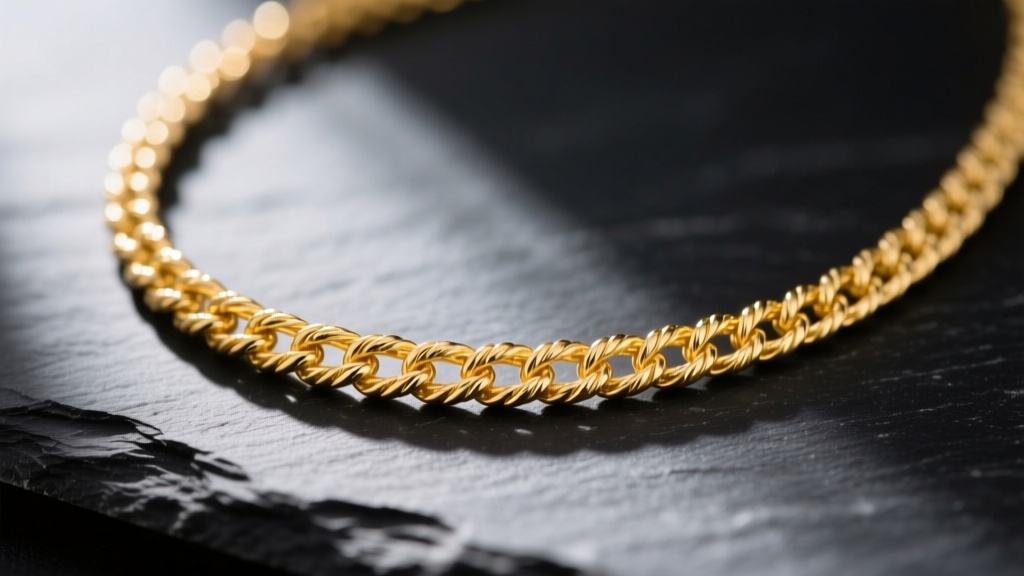
The Anatomy of Karats and Alloys
To understand any gold jewelry necklace, you must first understand the karat system. Pure gold is 24 karats (24K), meaning it is 99.9% gold. However, pure gold is exceptionally soft, registering a mere 25 on the Vickers Hardness (HV) scale. A 24K gold chain would stretch, warp, and snap under the weight of even a modest pendant. According to the Gemological Institute of America (GIA), gold must be alloyed with other metals to achieve the tensile strength required for daily wear jewelry.
Alloying not only increases durability but also dictates the color of the metal. Yellow gold is typically alloyed with silver and copper. Rose gold achieves its pinkish hue through a higher copper content, while white gold is alloyed with nickel, palladium, or manganese and usually plated with rhodium for a bright, silvery finish. The specific ratio of these alloys determines both the structural resilience and the skin-compatibility of the necklace.
Solid Gold: 14K vs. 18K for Daily Wear
Solid gold means the entire cross-section of the chain or pendant is made of the gold alloy, with no base metal core. The two most common standards for fine jewelry are 18K and 14K.
18K Gold (75% Pure Gold)
18K gold offers a rich, saturated yellow color and is highly resistant to tarnish because the high gold content limits the reactive alloys. It sits at roughly 120-150 HV. While suitable for pendants and delicate chains worn on special occasions, 18K is prone to scratching and work-hardening if worn daily during physical activities. It is the premium choice for luxury heirlooms but requires mindful wear.
14K Gold (58.3% Pure Gold)
14K gold is the undisputed champion of daily-wear chains. With a Vickers hardness of 140-170 HV, it resists stretching and link deformation far better than 18K. The higher percentage of alloy metals (like copper and zinc) makes it exceptionally durable, though it can cause contact dermatitis in individuals with severe nickel or copper allergies if not properly formulated. For a gold jewelry necklace meant to be worn in the shower, at the gym, and to bed, 14K solid gold is the most pragmatic choice.
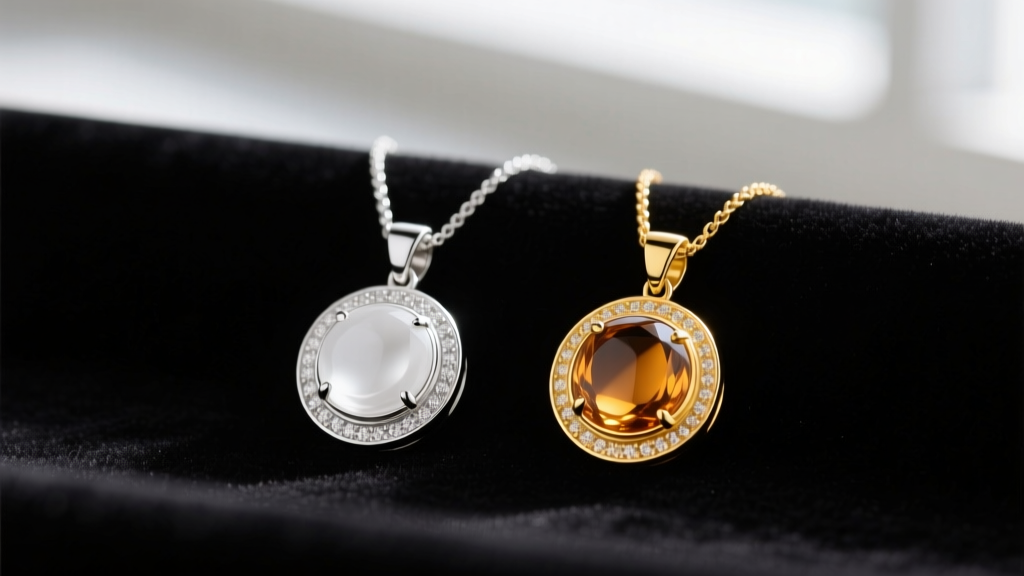
The Layered Alternatives: Vermeil, Filled, and Plated
If solid gold is outside your budget, the market offers layered alternatives. However, the manufacturing processes dictating these layers are vastly different, leading to wide discrepancies in longevity.
Gold Vermeil vs. Gold Plated: The Sterling Silver Factor
Gold plating involves electroplating a microscopic layer of gold (often less than 0.5 microns) over a base metal, usually brass or copper. This layer is so thin that friction from clothing and the natural acidity of human sweat will wear it away in a matter of months, exposing the reactive base metal beneath.
Gold vermeil (pronounced ver-may) is a heavily regulated step up. According to the Federal Trade Commission (FTC), for a piece to be legally sold as vermeil in the United States, it must have a sterling silver (925) base and a gold layer of at least 2.5 microns thick. Because sterling silver is a precious metal that does not rust or turn your skin green, vermeil offers a much safer, longer-lasting alternative to standard plating, often surviving 2 to 5 years with proper care.
Gold Filled: The Mechanical Bond
Gold-filled jewelry is not actually "filled" with gold; rather, it consists of a brass core that is mechanically bonded to a thick outer layer of solid gold using extreme heat and pressure. By law, the gold layer must constitute at least 5% (or 1/20th) of the total weight of the item. This results in a gold layer that is up to 100 times thicker than standard gold plating. A 14/20 gold-filled necklace can easily last 10 to 30 years without wearing through to the brass core, making it the most cost-effective alternative to solid gold.
Material Comparison Matrix: Durability, Price, and Lifespan
| Material Type | Base Metal | Gold Thickness / Purity | Estimated Lifespan | Price Range (18" Chain) |
|---|---|---|---|---|
| 14K Solid Gold | None (Solid Alloy) | 58.3% Pure Gold | Lifetime / Heirloom | $250 - $600+ |
| 18K Solid Gold | None (Solid Alloy) | 75.0% Pure Gold | Lifetime (with care) | $400 - $1,200+ |
| Gold Filled (14/20) | Brass / Jewelers Metal | 5% of total weight | 10 - 30 Years | $45 - $120 |
| Gold Vermeil | Sterling Silver (925) | Minimum 2.5 microns | 2 - 5 Years | $60 - $150 |
| Gold Plated | Brass / Copper / Steel | < 0.5 microns | 3 - 12 Months | $15 - $50 |
Common Failure Modes in Gold Chains and How to Avoid Them
Beyond the gold content, the physical construction of the necklace dictates its survival. As detailed in Britannica's guide on gold processing and metallurgy, the way wire is drawn and annealed affects its tensile strength. Here are the most common mechanical failures in gold chains:
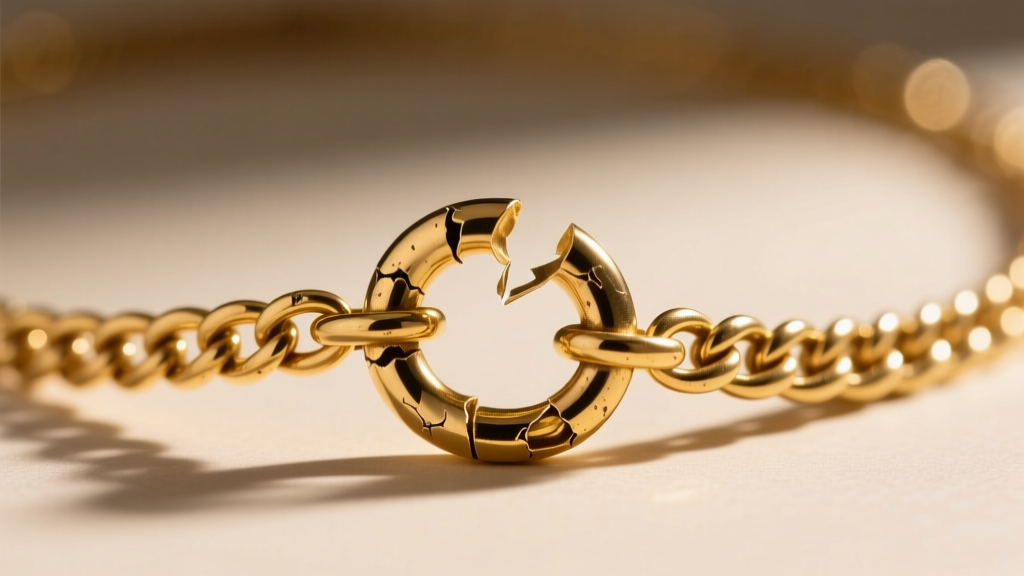
- Clasp Failure: Spring-ring clasps are notorious for failing on heavier pendants. The tiny internal spring loses tension, or the soldered joint snaps. Always upgrade to a lobster clasp or a dog-clip for pendants weighing over 3 grams.
- Link Stretching: Curb and Figaro chains are prone to stretching if caught on clothing. When a gold chain stretches, the links thin out and become brittle. Cable chains and box chains offer superior resistance to tensile pulling.
- Porosity in Cast Pendants: If you are buying a solid gold pendant, inspect the bail (the loop the chain passes through). Cheaply cast pendants often suffer from porosity—microscopic air bubbles trapped in the gold during the casting process. This creates weak points where the bail can easily snap off the main body of the pendant.
Expert Verdict: Matching the Material to Your Lifestyle
Selecting the right gold jewelry necklace requires aligning the material properties with your daily habits. If you intend to wear the necklace 24/7, exposing it to water, sweat, and friction, 14K solid gold is the only logical choice to guarantee structural integrity and prevent skin irritation. If you are building a trend-focused wardrobe and rotate your pieces weekly, gold vermeil offers the perfect balance of precious metal safety and affordability. Avoid standard gold-plated chains entirely; the environmental waste and rapid degradation simply do not justify the low upfront cost. By prioritizing metallurgical facts over marketing buzzwords, you ensure your necklace remains a staple of your style for decades to come.


