How to Clean and Care for a Stained Glass Pendant Necklace
Learn expert techniques to clean, polish, and store your stained glass pendant necklace without damaging the solder, patina, or delicate glass.

Understanding Your Stained Glass Pendant Necklace Construction
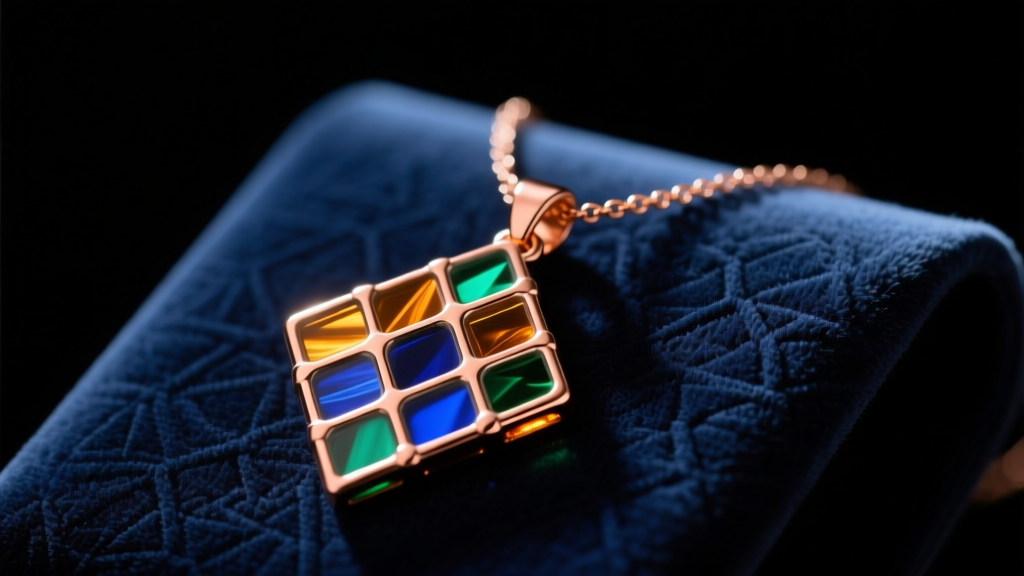
Unlike traditional gemstone or solid metal jewelry, a stained glass pendant necklace is a composite art piece. It requires a nuanced approach to maintenance because it combines fragile silica-based glass with reactive metallic solder and chemical patinas. Most high-quality stained glass pendants are crafted using the 'Tiffany-style' copper foil method. In this technique, the edges of the cut glass are wrapped in adhesive-backed copper tape and then joined together using molten solder.
The solder itself is typically either a traditional 60/40 alloy (60% tin, 40% lead) or a modern lead-free alternative (often a tin-copper or tin-bismuth blend). Once the soldering is complete, a chemical patina—such as black nickel or copper sulfate—is applied to color the silver seams. Finally, a protective wax is buffed onto the metal. Understanding this delicate layering is the first step in preserving your jewelry, as the glass, the solder, and the patina all react differently to moisture, friction, and chemical cleaners. According to the American Institute for Conservation (AIC) Wiki, glass is inherently stable, but the metallic inclusions and adhesives used in jewelry applications introduce significant vulnerabilities that demand specialized care.
The Golden Rules of Cleaning Stained Glass Jewelry
Before you reach for your standard jewelry polishing cloth or ultrasonic cleaner, you must understand what will permanently ruin a stained glass pendant. The primary enemies of this jewelry type are ammonia, abrasive friction, and hard water minerals.
- Never use ultrasonic cleaners: The high-frequency vibrations can easily shatter the glass or cause micro-fractures along the solder seams, leading to structural failure.
- Avoid ammonia and commercial silver dips: While ammonia is safe for plain glass, it will instantly strip the chemical patina off your solder lines, leaving them a dull, patchy silver.
- Skip the tap water: Tap water contains dissolved calcium and magnesium. When it evaporates on opalescent or cathedral glass, it leaves behind hard water spots that are incredibly difficult to remove without acidic cleaners (which harm the solder).
- Beware of glued bails: If your pendant features a glass nugget or a bail attached with E6000 or UV resin rather than solder, avoid all alcohol and acetone-based cleaners, as these solvents will dissolve the adhesive bond.
Step-by-Step Cleaning Process
When your pendant accumulates skin oils, perfume residue, or environmental dust, follow this gentle, conservation-grade cleaning method to restore its brilliance safely.

Step 1: Dry Dusting
Always begin by removing loose particulate matter. Use a clean, dry, lint-free microfiber cloth or a soft-bristled makeup brush to gently sweep away dust. Rubbing a dusty pendant with a wet cloth can drag microscopic silica particles across the glass, causing micro-scratches over time.
Step 2: The Distilled Water Wash
Mix a solution of 10 parts distilled water to 1 part pH-neutral dish soap (such as original Dawn). Lightly mist the microfiber cloth with this solution—never spray the pendant directly, as liquid can seep into the microscopic gaps between the copper foil and the glass. Gently wipe the glass faces in a circular motion.
Step 3: Targeted Solder Cleaning
For the solder lines, use a cotton swab lightly dampened with the distilled water solution. Roll the swab along the seams rather than rubbing aggressively, which protects the delicate patina layer from wearing thin.
Step 4: Immediate Drying
Moisture is the enemy of metallic oxidation. Immediately dry the entire pendant, including the bail and chain jump rings, with a fresh, dry microfiber cloth. Ensure no water droplets remain in the crevices where the bail meets the glass.
Patina and Solder Maintenance: Preventing Oxidation
Even with careful cleaning, the solder lines on a stained glass pendant necklace will eventually begin to oxidize when exposed to the natural acids in human skin and ambient humidity. Lead-free solder, in particular, is prone to developing a white, chalky oxidation layer if left unprotected.
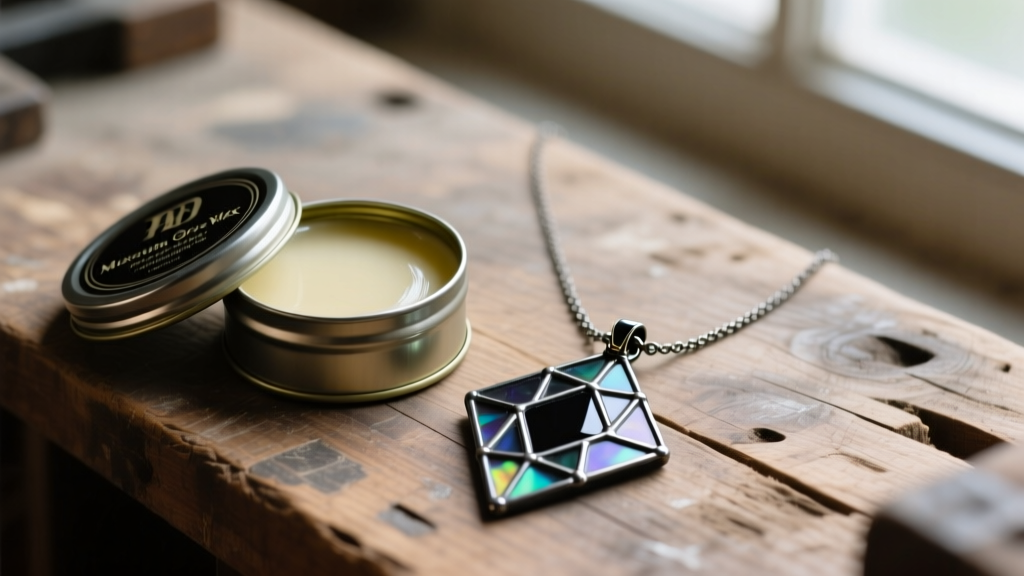
Expert Insight: To seal the patina and prevent oxidation, you must re-wax your pendant every 3 to 6 months. Avoid standard carnauba car waxes, which often contain mild solvents. Instead, use a microcrystalline conservation wax, such as Renaissance Wax. Apply a microscopic amount with a soft cloth, let it haze for 10 minutes, and buff it to a hard, protective shine. This creates a moisture barrier that keeps the black or copper patina locked in place.
Cleaning Agents: Safe vs. Unsafe
| Cleaning Agent | Effect on Glass | Effect on Solder / Patina | Verdict |
|---|---|---|---|
| Distilled Water + Mild Soap | Safe, lifts oils | Safe, preserves wax seal | Highly Recommended |
| Ammonia-based Glass Cleaner | Safe, streak-free | Strips patina, causes rapid oxidation | Strictly Avoid |
| Tap Water | Leaves mineral spots | Safe but promotes water spotting | Avoid |
| Ultrasonic Cleaners | Risk of shattering | Vibrations break solder seams | Never Use |
| Rubbing Alcohol | Safe on glass | Degrades wax seal, dissolves glued bails | Use with Extreme Caution |
Chain and Bail Care for Heavy Glass Pendants
Stained glass is significantly heavier than comparably sized gemstones. A 2-inch geometric pendant can easily weigh between 15 and 30 grams. This constant downward pull places immense stress on the bail (the loop that holds the pendant) and the chain's jump rings.
Most stained glass pendants feature a soldered copper or brass bail. Over time, the friction of the chain rubbing against the inside of the bail can wear through the metal. Inspect the top of your bail monthly for thinning. Furthermore, the jump ring connecting the bail to the chain must be soldered shut or made of heavy-gauge wire (minimum 18-gauge). If you notice the jump ring pulling open into an oval shape, take it to a jeweler to be replaced or soldered shut before the heavy glass pendant slips off and shatters on the floor. For the chain itself, a sterling silver or solid copper rope chain is ideal, as it provides the tensile strength required to support the glass without snapping.
Proper Storage to Prevent Micro-Scratches and Moisture Damage
How you store your stained glass pendant necklace when you are not wearing it is just as critical as how you clean it. Glass is harder than most metals, meaning if you toss your pendant into a jewelry box with silver or gold chains, the glass will act like sandpaper, scratching your precious metal chains while the metal findings scratch the metallic solder lines on your pendant.
Always store your stained glass jewelry in an individual, soft cotton pouch or a dedicated compartment lined with anti-tarnish flannel. Because solder and copper foil are highly susceptible to humid environments, consider dropping a small, jewelry-safe silica gel desiccant packet into the storage box or drawer where you keep your pendants. According to resources from Delphi Glass, controlling ambient humidity is one of the most effective ways to prevent the white, powdery oxidation that plagues lead-free solder alloys. Keep the jewelry away from direct sunlight when stored for long periods, as UV exposure can degrade certain adhesive foils and cause some cheaper opalescent glass paints to fade.
Troubleshooting Common Stained Glass Pendant Issues
Even with meticulous care, you may encounter specific issues unique to glass jewelry. Here is how to troubleshoot them like a professional glass artist:
White, Crusty Residue on Solder Lines
If you notice a white, powdery crust forming along the metal seams, this is likely flux residue that was not fully neutralized during the manufacturing process, or it is advanced oxidation of lead-free solder. The Fix: Gently scrub the seams with a soft toothbrush dipped in a baking soda and distilled water paste to neutralize any acidic flux. Rinse with distilled water, dry thoroughly, and immediately apply a coat of microcrystalline wax to seal the metal.
Dull or Cloudy Glass Surface
If the glass looks cloudy even after washing, it may have hard water etching or a buildup of skin oils trapped in the textured side of opalescent glass. The Fix: Dampen a cotton swab with a tiny amount of white vinegar and carefully rub the cloudy glass spots, avoiding the metal solder entirely. The mild acetic acid will dissolve the mineral deposits. Wipe clean with distilled water immediately.
Flaking or Rubbing Patina
If the black or copper color is rubbing off onto your skin or clothing, the patina was either not sealed properly by the artist or the protective wax layer has worn away. The Fix: You cannot easily re-apply chemical patina at home without risking the glass. Instead, clean the metal lines with a dry cloth and apply a heavy coat of Renaissance Wax. This will lock the remaining patina in place and prevent further transfer onto your skin.
By treating your stained glass pendant necklace as a miniature, wearable mosaic rather than a standard piece of metal jewelry, you ensure that its vibrant colors and intricate solder work remain pristine for decades. Consistent, gentle care using conservation-approved materials is the ultimate secret to preserving these wearable works of art.


