Italian Necklace Guide: 2026 Chain Trends & Gold Styles
Discover 2026 Italian necklace trends. Explore Vicenza gold chains, Figaro and rope links, karat weights, and expert layering techniques for timeless style.

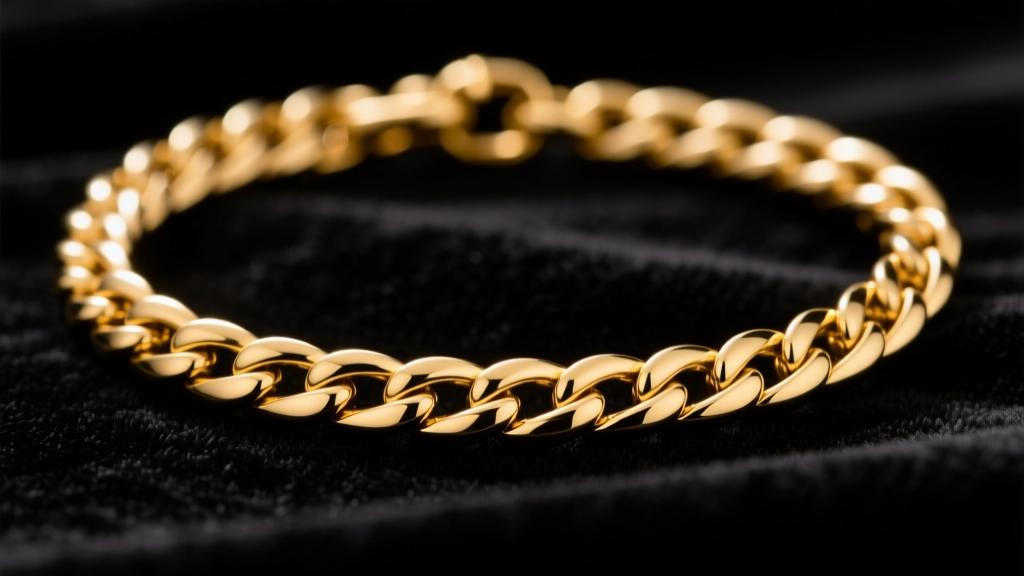
The Renaissance of the Italian Necklace in 2026
In the realm of fine jewelry, the phrase 'Made in Italy' is not merely a geographic indicator; it is a globally recognized hallmark of superior engineering, artisanal heritage, and timeless design. As we navigate the style landscape of 2026, the Italian necklace has experienced a massive resurgence, driven by a consumer pivot away from fast-fashion plated alternatives toward substantial, heirloom-quality gold chains. Whether you are searching for a statement piece or a foundational layering chain, understanding the nuances of Italian goldsmithing is essential.
The epicenter of this craftsmanship lies in the Vicenza district, a region that hosts VicenzaOro, the premier global exhibition for gold and jewelry manufacturing. In 2026, the prevailing trend leans heavily into 'quiet luxury'—favoring intricate, solid-link chains that showcase mechanical precision over ostentatious gemstone pendants. When evaluating a necklace, Italian manufacturing techniques like laser-welding and diamond-cut faceting remain the undisputed global benchmark.
Decoding Authentic Italian Chain Links
The structural integrity and visual weight of an Italian gold chain are dictated by its link architecture. Italian manufacturers utilize specialized, computer-calibrated knitting machines combined with hand-finishing techniques to produce chains that are both fluid and remarkably durable.
Figaro & Mariner: The Heritage Heavyweights
The Figaro chain is perhaps the most iconic Italian design, originating in the 18th century. It features a distinct pattern of three short, round links followed by one elongated oval link. Modern 2026 iterations from Vicenza workshops often feature flattened, polished links that catch the light brilliantly. The Mariner (or Anchor) chain, inspired by nautical rigging, features oval links bisected by a central support bar. This central bar distributes tension evenly, giving the Mariner chain a tensile strength up to 40% higher than a standard cable chain of the same millimeter width.
Rope & Franco: Texture and Indestructibility
For those seeking maximum light reflection, the Italian rope chain is unmatched. Crafted by twisting multiple rows of small links into a spiral, the rope chain mimics the look of twisted hemp. High-end Italian manufacturers apply a 'diamond-cut' finish, using precision lathes to shave microscopic facets into the gold, creating a dazzling, gem-like sparkle without the use of stones. However, buyers must beware of 'hollow' rope chains; while they offer a thick look for a lower price, their tensile strength is notoriously poor, often snapping under a mere 2 pounds of pressure.
Conversely, the Franco chain is the undisputed king of durability. Constructed from interlocking V-shaped links woven in a continuous, four-sided pattern, a solid 4mm Italian Franco chain can support over 25 pounds of weight, making it the ideal candidate for suspending heavy gold or gemstone pendants.
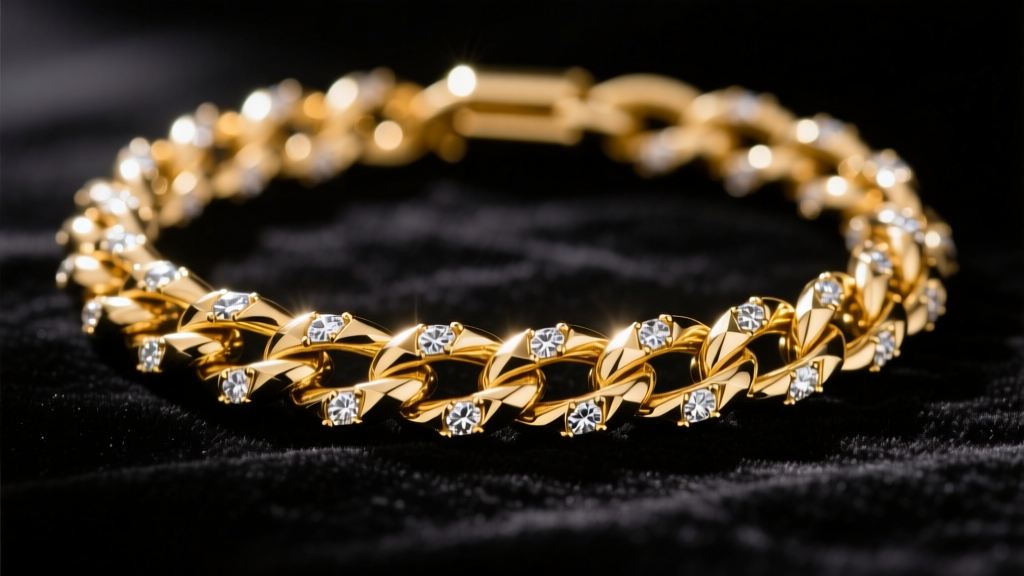
Material Grades: 14K vs. 18K Italian Gold
Unlike the United States, where 14K gold is the standard for everyday jewelry, the Italian domestic market and high-end export market overwhelmingly favor 18K gold. Understanding the metallurgical differences is crucial for making an informed purchase in 2026.
| Attribute | 14K Italian Gold (585) | 18K Italian Gold (750) |
|---|---|---|
| Gold Purity | 58.5% Pure Gold | 75.0% Pure Gold |
| Color Depth | Pale yellow, slightly muted | Rich, buttery, deep yellow |
| Tensile Strength | Higher (due to alloy metals) | Lower (softer, more malleable) |
| Avg. Price per Gram | $55 - $85 USD | $90 - $140+ USD |
| Best Use Case | Ultra-fine chains, active wear | Statement chains, heirloom pieces |
According to the Gemological Institute of America (GIA), the alloy metals mixed with pure gold dictate not only the color but the oxidation resistance of the piece. Premium Italian 18K chains utilize high-quality silver and copper alloys that resist tarnishing far better than cheaper, zinc-heavy alloys found in mass-produced 10K or 14K alternatives.
The 2026 Layering Framework: Styling Your Chains
Layering remains a dominant trend in 2026, but the haphazard 'pile-it-on' approach of the early 2020s has been replaced by the structured Cascade Method. This technique relies on varying chain textures, weights, and precise length increments to ensure each piece is visible and tangle-free.
- The Anchor (16-18 inches): Start with a delicate, lightweight chain. A 1.5mm Italian box chain or a slim snake chain sits close to the collarbone and acts as the foundational layer.
- The Focal Point (20-22 inches): Introduce a medium-weight chain with a distinct texture. A 3mm Figaro or a diamond-cut rope chain provides visual contrast. This is the ideal length for suspending a meaningful pendant, such as a gold medallion or a carved coral cameo.
- The Statement (24-28 inches): Finish with a heavy, substantial link. A 5mm+ solid Mariner or a thick Cuban link chain worn over the outer layer of clothing (like a cashmere sweater or linen blazer) grounds the entire stack with a masculine, architectural edge.

Authenticating the 'Made in Italy' Hallmark
The most critical aspect of buying an Italian necklace is verifying its authenticity. The phrase 'Made in Italy' stamped on a clasp is easily forged and, on its own, means very little. True authentication requires understanding Italy's strict precious metals legislation, specifically Law 251/1999.
Under Italian law, every piece of gold jewelry must bear two distinct hallmarks:
- The Millesimal Fineness Mark: An oval or rectangular stamp indicating the gold purity, such as 750 (18K) or 585 (14K).
- The Maker's Mark (Punzone): A unique alphanumeric code assigned to the specific manufacturing workshop by the local Chamber of Commerce. This mark typically features a star, a number, and a two-letter provincial code. For example, a stamp reading ★ 1234 VI indicates the piece was crafted by manufacturer #1234 in the province of Vicenza (VI), while ★ 567 AR points to a workshop in Arezzo (AR), another historic hub for gold chain production.
When shopping online or at estate sales, always request a macro photograph of the clasp and the first link adjacent to it. If the maker's mark is missing, or if the stamps appear laser-etched with shallow, fuzzy edges rather than deeply punched with crisp borders, the necklace is likely not of genuine Italian origin. Investing in authentic, hallmarked Italian gold ensures you are purchasing a piece of wearable history, engineered to last generations while retaining its intrinsic and aesthetic value.


