Toggle Charm Necklace Value Guide: Pricing & Quality
Discover how to evaluate a toggle charm necklace in 2026. We break down pricing tiers, material grades, and clasp mechanics to ensure true value.

When evaluating a toggle charm necklace, buyers are often captivated by the aesthetic duality of the piece. What was once a purely utilitarian fastener has evolved into the focal point of the jewelry, serving as both a secure closure and a decorative centerpiece. However, as the popularity of this style has surged, the market has been flooded with varying levels of craftsmanship. In 2026, with precious metal markets experiencing significant volatility, understanding the true value of a toggle necklace requires looking beyond the surface. This guide provides a comprehensive budget and value assessment, breaking down the metallurgy, mechanical engineering, and pricing tiers you need to know before making an investment.
The Anatomy of a High-Value Toggle Mechanism
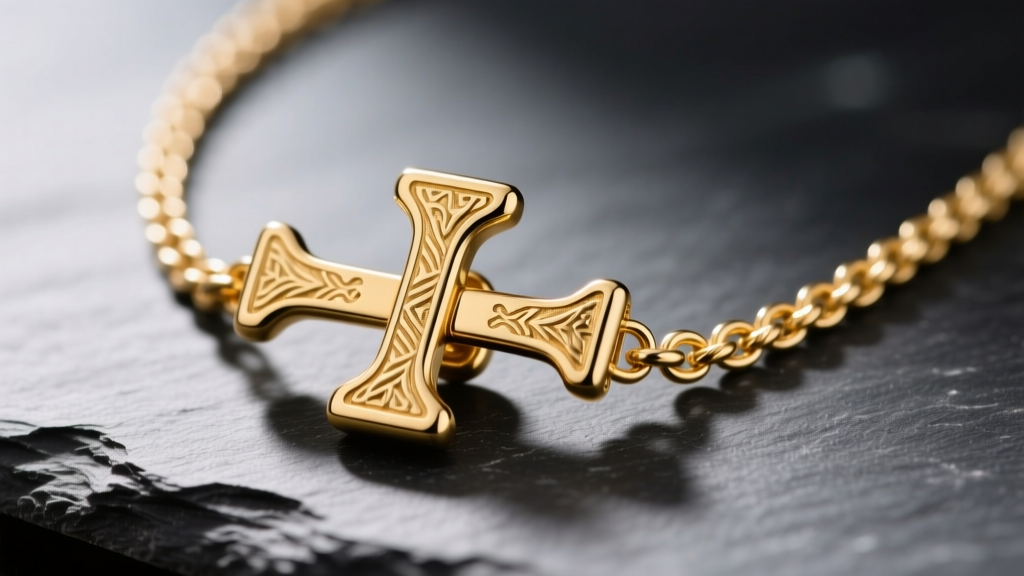
The fundamental value of any toggle charm necklace lies in its mechanical reliability. A poorly engineered toggle will slip, bend, or ultimately fail, resulting in the loss of the entire piece. The anatomy of the clasp consists of two primary components: the O-ring (or loop) and the T-bar. In high-end jewelry, these components are not merely cast; they are die-struck or precision-machined to ensure structural density and eliminate the microscopic porosity that weakens cast metals.
The 1.3x Rule for Clasp Security
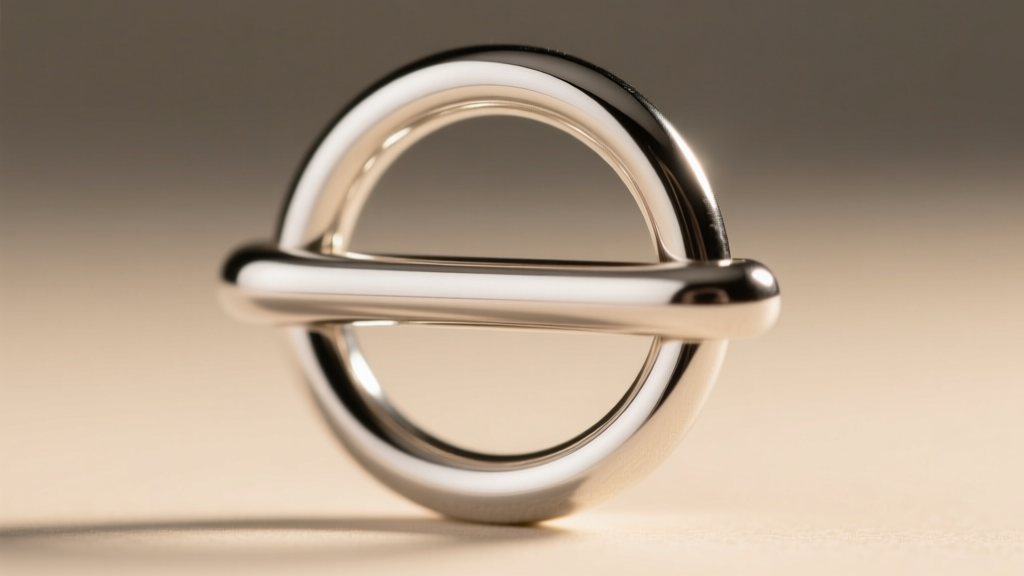
The most critical metric in assessing a toggle's value is the ratio between the T-bar and the inner diameter of the O-ring. Many mass-produced, budget-tier necklaces fail this test. For a toggle to remain secure without relying entirely on the downward tension of a heavy chain, the T-bar must be at least 1.3 times longer than the inner opening of the ring.
Expert Measurement Tip: If the O-ring has an inner diameter of 12mm, the T-bar must measure a minimum of 15.6mm in length. Furthermore, the T-bar should have a slight taper or textured grip at the ends to prevent it from sliding back through the ring during sudden movements.
Soldered vs. Split Rings
Inspect the O-ring closely. A high-value toggle charm necklace will feature a fully soldered or laser-welded O-ring. If the ring is a split ring (similar to a keychain ring) or has a visible unsealed seam, it is a massive red flag. Under the stress of daily wear, an unsoldered ring will eventually pull apart, leading to catastrophic failure.
Material Grades and 2026 Market Pricing
The baseline value of your necklace is heavily dictated by its material composition. According to the Gemological Institute of America (GIA), the alloy mix in gold jewelry significantly impacts its tensile strength—a crucial factor for the structural integrity of a toggle bar. While 18k gold offers a richer color, its lower Vickers hardness (HV) makes it more susceptible to bending if used for a heavy toggle mechanism. 14k gold, with a higher proportion of strengthening alloys like copper and zinc, offers superior durability for clasps.
Furthermore, Forbes precious metals market analysis indicates that gold spot prices in 2026 remain at historic highs. This has led to an influx of "lightweight" or hollow-cast toggle necklaces designed to mimic the look of solid gold while reducing material costs. Below is a structured value assessment of current market tiers.
| Material Grade | 2026 Market Price Range | Expected Weight (18" Chain) | Value & Durability Verdict |
|---|---|---|---|
| 925 Sterling Silver | $65 - $140 | 8g - 15g | High utility, excellent entry-level value. Prone to tarnish. |
| Argentium Silver | $110 - $220 | 8g - 15g | Superior to 925; higher hardness and tarnish resistance. |
| Gold Vermeil (2.5µm) | $95 - $180 | 9g - 16g | Good aesthetic value, but the toggle friction will wear off the plating over time. |
| 14k Solid Gold (Hollow) | $250 - $450 | 3g - 6g | Poor value. Hollow toggles dent easily and cannot be repaired. |
| 14k Solid Gold (Die-Struck) | $600 - $1,200+ | 10g - 22g | Exceptional value. High tensile strength, heirloom durability, retains melt value. |
Identifying Failure Modes and Craftsmanship Flaws
To accurately assess whether a toggle charm necklace is priced fairly, you must know how to spot manufacturing shortcuts. Budget manufacturers often cut corners in areas that are not immediately visible to the untrained eye. Here are the primary failure modes to inspect before purchasing:
- O-Ring Ovaling (Work Hardening): Over time, the friction of the T-bar sliding against the O-ring can cause the metal to work-harden and stretch into an oval shape. Once the ring loses its perfect circular geometry, the T-bar can easily slip through. High-value pieces use thicker gauge wire for the O-ring to resist this deformation.
- Jump Ring Shear: The small jump rings connecting the chain to the toggle components are the weakest links. If these are made from thin, unsoldered wire, the lateral pull of the toggle mechanism will eventually pry them open. Look for soldered jump rings or integrated chain links.
- T-Bar Bending: If a necklace features a heavy pendant or a thick chain, but the T-bar is cast from 18k gold or high-karat alloys, the bar will slowly bend under the weight. A slight bend compromises the 1.3x length rule, leading to accidental unfastening.
Weight Distribution and Chain Selection
The value of a toggle necklace is also determined by how well the chain complements the clasp. A common design flaw in mid-tier jewelry is pairing a heavy, oversized toggle charm with a delicate, lightweight chain (such as a thin cable or box chain under 1.5mm). This creates a severe weight imbalance.
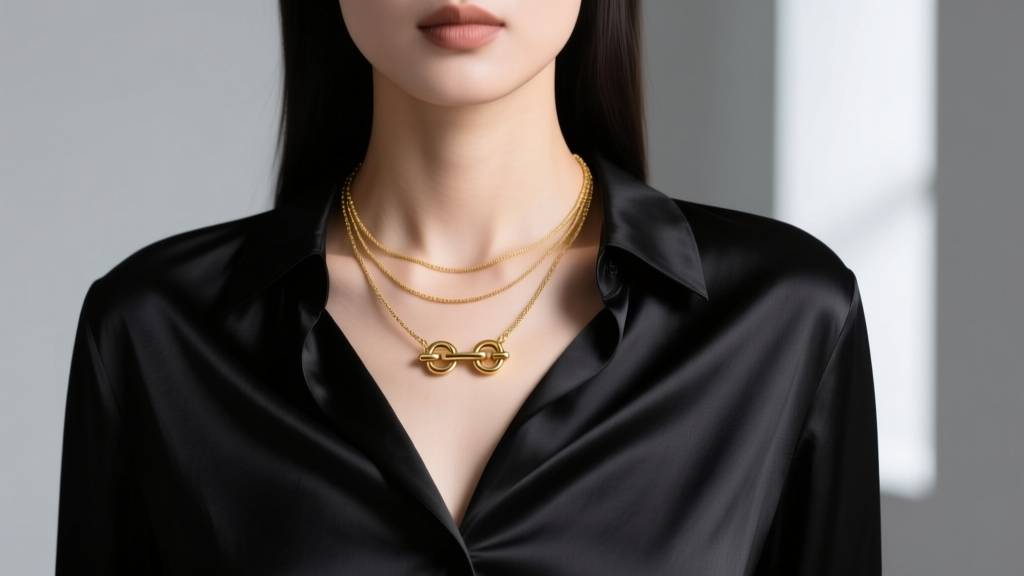
When the chain is too light, the toggle lacks the necessary downward tension to keep the T-bar seated horizontally against the O-ring. Instead, the clasp flips vertically, increasing the risk of it slipping apart. For a toggle charm measuring over 15mm in diameter, the chain should be a substantial rope, wheat, or thick curb chain weighing at least 40% of the total necklace weight. This ensures the clasp remains anchored at the base of the neck or drapes intentionally at the center of the chest, depending on the desired styling.
The "Pull Test" for Pre-Purchase Assessment
If you are evaluating a piece in person or upon delivery, perform the pull test. Fasten the toggle, hold the necklace by the chain ends, and apply a gentle, outward lateral pull. The T-bar should rotate slightly but remain firmly seated against the inner walls of the O-ring. If the bar easily aligns with the gap and slides out under mild tension, the piece lacks the mechanical precision required for daily wear and is not worth a premium price.
Verdict: Where to Invest Your Budget
When shopping for a toggle charm necklace, the highest return on investment is found in solid 14k gold or heavy-gauge Argentium silver pieces that prioritize mechanical precision over sheer size. Avoid hollow-cast gold toggles, as their structural fragility negates the premium paid for the gold content. By applying the 1.3x rule, verifying soldered seams, and ensuring proper weight distribution between the chain and the clasp, you can confidently identify a piece that offers both enduring security and genuine material value.


