Vietnam Ear Necklace: A Comprehensive Buyer Guide
Discover how to choose an authentic Vietnam ear necklace. Compare tribal silver ear-chains and modern artisan styles, sizing, and metal grades.

Understanding the Vietnam Ear Necklace
The Vietnam ear necklace represents a fascinating intersection of cultural heritage and contemporary body adornment. Unlike standard necklaces that rest solely on the clavicle, an ear necklace bridges the ear and the neck, utilizing an ear cuff or helix wrap connected to a draped chain. When buyers search for a Vietnam ear necklace, they are typically looking at two distinct categories: traditional ethnic minority ear-to-neck chains rooted in the mountainous northern provinces, and modern artisan pieces crafted in Hanoi and Ho Chi Minh City that blend minimalist aesthetics with cultural motifs.
As of 2026, the market for these hybrid jewelry pieces has expanded significantly, driven by a global appreciation for bohemian-luxe aesthetics and ethically sourced artisan metals. However, buying an authentic piece requires a deep understanding of metal purity, structural mechanics, and cultural provenance. This guide provides the exact specifications, material grades, and sizing frameworks you need to make an informed purchase.
Traditional Tribal vs. Contemporary Artisan Styles
The Hmong and Dao Silver Ear-Chains
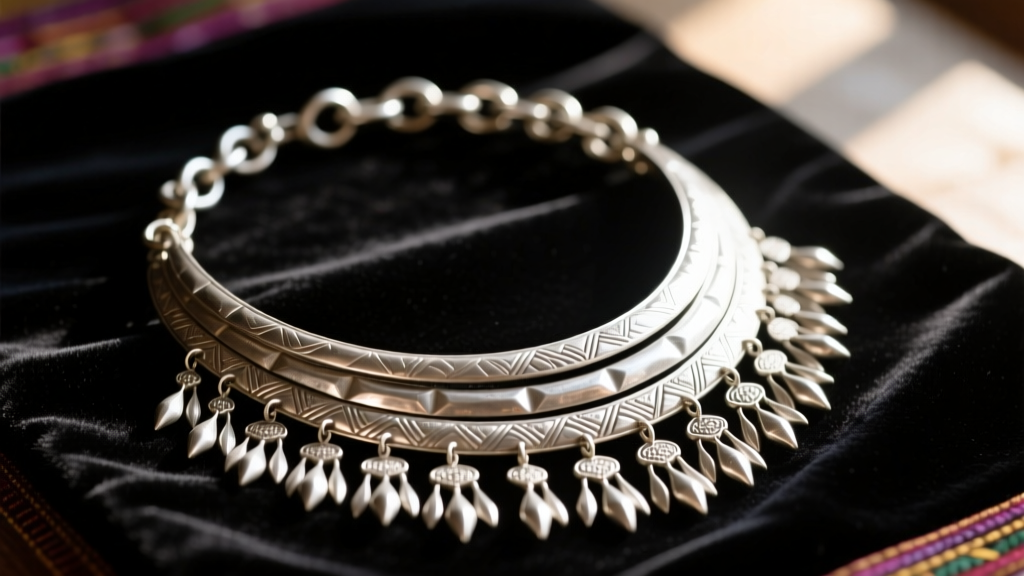
In northern Vietnam, ethnic groups such as the Hmong, Red Dao, and Tay have a long-standing tradition of elaborate silver jewelry. According to the Vietnam Museum of Ethnology, silver is not merely decorative; it is a spiritual safeguard and a display of familial wealth. Traditional tribal ear necklaces often feature heavy, hand-hammered silver plates adorned with repoussé motifs like buffalo horns, dragons, and floral geometries. These pieces connect from a thick ear hook or lobe wrap down to a heavy collar or choker chain, often incorporating small silver bells or fish motifs that create a subtle acoustic effect when the wearer moves.
Modern Vietnamese Ear-Cuff Necklaces
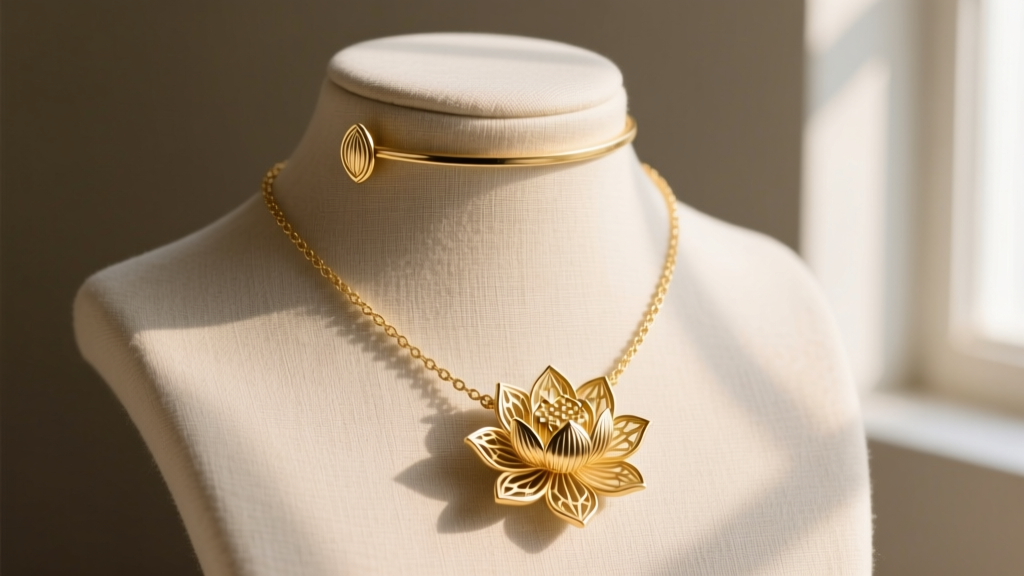
Contemporary Vietnamese jewelers have reinterpreted this concept for everyday wear. Modern designs typically feature a delicate ear cuff—often shaped like a lotus petal, bamboo node, or rice stalk—connected to a fine 16-inch cable or rolo chain. These pieces prioritize lightweight comfort and are designed to be worn with both traditional áo dài and modern Western attire.
Material Grades and Metal Purity
The longevity, skin compatibility, and price of your necklace depend entirely on the metal grade. Traditional tribal pieces rarely use standard 925 sterling silver; instead, they utilize regional coin silver or high-purity silver, which is softer and easier to hand-chase. Modern pieces adhere to international standards.
| Metal Grade | Purity | Vickers Hardness (HV) | Best Application | Patina Potential |
|---|---|---|---|---|
| Tribal Coin Silver | 900 - 950 | 60 - 80 HV | Heavy repoussé plates, thick ear hooks | High (develops dark, antique oxidation) |
| 925 Sterling Silver | 92.5% | 110 - 125 HV | Modern ear cuffs, fine chain links | Moderate (can be polished easily) |
| 18k Yellow Gold | 75.0% | 125 - 140 HV | High-end contemporary lotus/bamboo cuffs | None (tarnish-resistant) |
For a comprehensive breakdown of global silver standards and hallmarking, refer to the guidelines published by The Silver Institute. When buying modern sterling pieces from Vietnamese artisans, always look for the "925" or "S925" stamp on the back of the ear cuff plate.
Sizing, Gauge, and Tension Mechanics
The most common failure point in any ear necklace is poor weight distribution. If the chain is too heavy or too long, the gravitational pull will rip the ear cuff from the ear, causing discomfort or damage to the cartilage and lobe. Understanding gauge sizes and chain lengths is critical.
Ear Cuff Gauge Specifications
- 18-Gauge (1.02mm): Standard for traditional tribal hooks and heavy-duty modern cuffs. Provides enough rigidity to hold the weight of a 30-gram chain without bending.
- 20-Gauge (0.81mm): The industry standard for contemporary tension-fit ear cuffs. Flexible enough to squeeze onto the helix but strong enough to maintain its shape.
- 22-Gauge (0.64mm): Used only for ultra-minimalist, lightweight gold chains. Avoid this gauge if the chain features heavy pendants or dangles.
The 14-to-15 Inch Choker Rule
For an ear necklace to function correctly, the connecting chain must act as a slack drape, not a tension line. A 14-inch to 15-inch choker length is mandatory. If the chain drops to 18 inches (a standard princess length), the weight of the metal will drag the ear cuff downward. When purchasing, ensure the necklace includes a 2-inch extender chain so you can customize the drape to your exact neck circumference, ensuring the chain rests gently on the collarbone without pulling the ear.
Pricing Tiers and Authentication
The market is saturated with mass-produced, machine-cast imitations of traditional tribal jewelry. Here is how to navigate the pricing tiers and authenticate your purchase:
1. Vintage and Antique Tribal Pieces ($250 - $1,500+)
Authentic vintage Hmong or Dao ear necklaces are collector's items. Authentication tip: Examine the reverse side of the repoussé plates. Hand-hammered pieces will show slight asymmetries, tool marks, and a hollowed-out back. Machine-cast fakes will have a uniform, slightly bubbly texture on the back and feel unnaturally heavy for their size due to solid casting.
2. Contemporary Artisan Silver ($80 - $250)
Handmade in workshops in Hanoi's Old Quarter or Hoi An, these pieces feature 925 sterling silver with cultural motifs. Authentication tip: Look for seamless soldering on the chain links and a smooth, snag-free tension mechanism on the ear cuff.
3. Mass-Produced Fashion Jewelry ($15 - $45)
Often made from brass or copper with a thin silver or gold plating. These are prone to rapid tarnishing and the ear cuff wires are usually too stiff, risking cartilage bruising. Avoid these if you have sensitive skin or metal allergies.
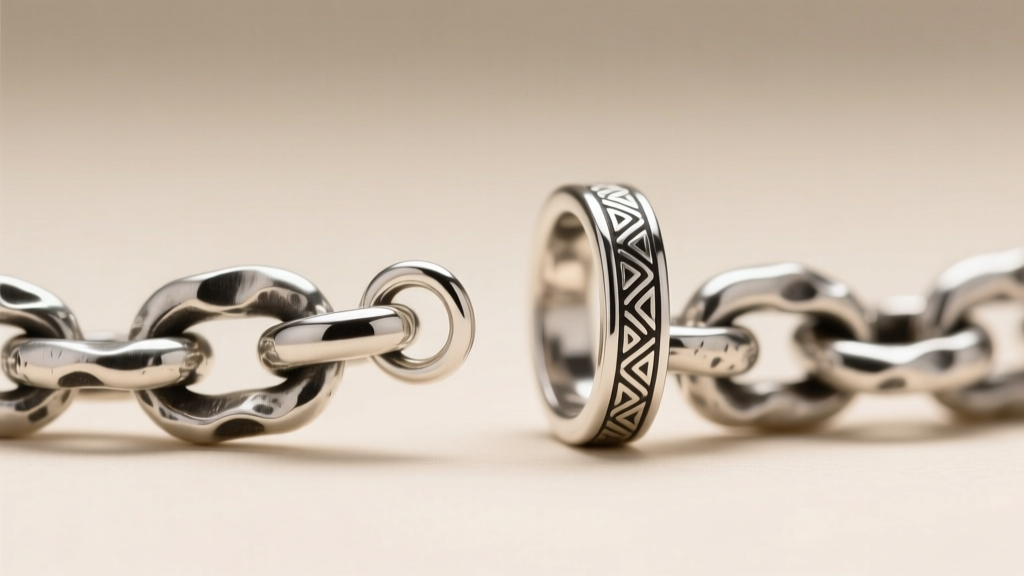
Care and Maintenance for Intricate Links
Maintaining a Vietnam ear necklace requires specific care protocols, especially for traditional silver which relies on its oxidized patina for visual depth.
- Cleaning Tribal Silver: Never use chemical silver dips or ultrasonic cleaners on traditional pieces. These will strip the dark oxidation from the repoussé crevices, flattening the visual contrast. Instead, use a soft, dry jeweler's cloth to gently buff only the raised, high-polish areas.
- Cleaning Modern 18k Gold: Soak in a bowl of warm water with a few drops of mild, phosphate-free dish soap for 10 minutes. Use a baby-soft toothbrush to clean the chain links, rinse with distilled water, and air dry on a microfiber cloth.
- Storage: Always store ear necklaces flat or hung on a specialized jewelry bust. Tossing them into a box will inevitably cause the fine connecting chains to tangle around the ear cuff tension wire, potentially bending the gauge and ruining the fit.
Final Verdict
Whether you are investing in a heavy, historically significant Hmong silver ear-chain or a delicate 18k gold lotus cuff from a modern Vietnamese artisan, the key to a successful purchase lies in the details. Pay strict attention to the metal purity, verify the hand-hammered authenticity of tribal pieces, and never compromise on the 14-to-15 inch choker length requirement. By prioritizing structural mechanics and cultural provenance, your Vietnam ear necklace will serve as a stunning, comfortable, and enduring addition to your jewelry collection.


