Small Heart Necklaces: The Ultimate Budget & Value Guide
Discover the true value of small heart necklaces. We break down material costs, brand markups, and vermeil vs. solid gold to help you buy smart.

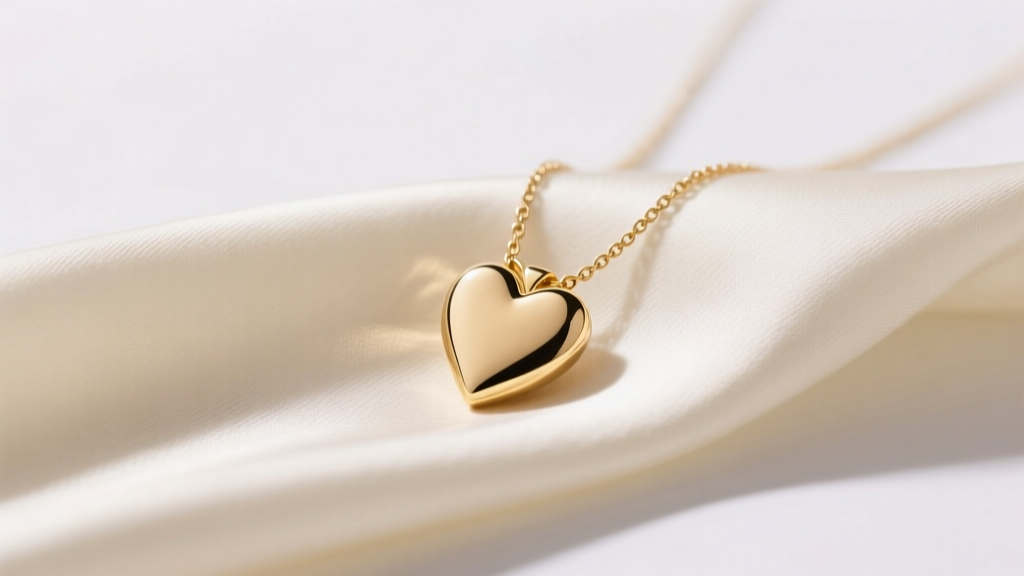
Small heart necklaces are arguably the most ubiquitous staple in modern jewelry boxes. Their versatility makes them a go-to for layering, everyday wear, and meaningful gifting. However, the market is currently saturated with a confusing spectrum of options, ranging from $20 fashion pieces to $2,000 luxury designer pendants. For the savvy consumer, the challenge lies in distinguishing between genuine fine jewelry value and inflated brand markups disguised as premium craftsmanship.
As a jewelry appraiser and style analyst, I see buyers consistently overpay for subpar materials or underestimate the long-term cost of cheap alternatives. In this comprehensive budget and value assessment, we will dismantle the pricing structures of small heart necklaces, evaluate material longevity, and provide a concrete framework for making financially sound jewelry investments in 2026.
The True Cost of Small Heart Necklaces: Material vs. Price
When shopping for small heart necklaces, consumers are immediately confronted with a staggering price variance. A pendant that looks identical in a polished Instagram ad can cost $45 at a fast-fashion retailer and $450 at a legacy jeweler. The discrepancy almost entirely boils down to metallurgy and manufacturing origin.
The sweet spot for daily-wear small heart pendants is solid 14k gold (58.5% pure gold). It offers the necessary tensile strength to resist bending, won't tarnish, and retains intrinsic melt value. However, many mid-tier brands utilize gold vermeil or gold-filled alternatives to keep retail prices between $60 and $120. While these are viable for tight budgets, they come with distinct failure modes that impact long-term value.
The "Vermeil Trap" and FTC Standards
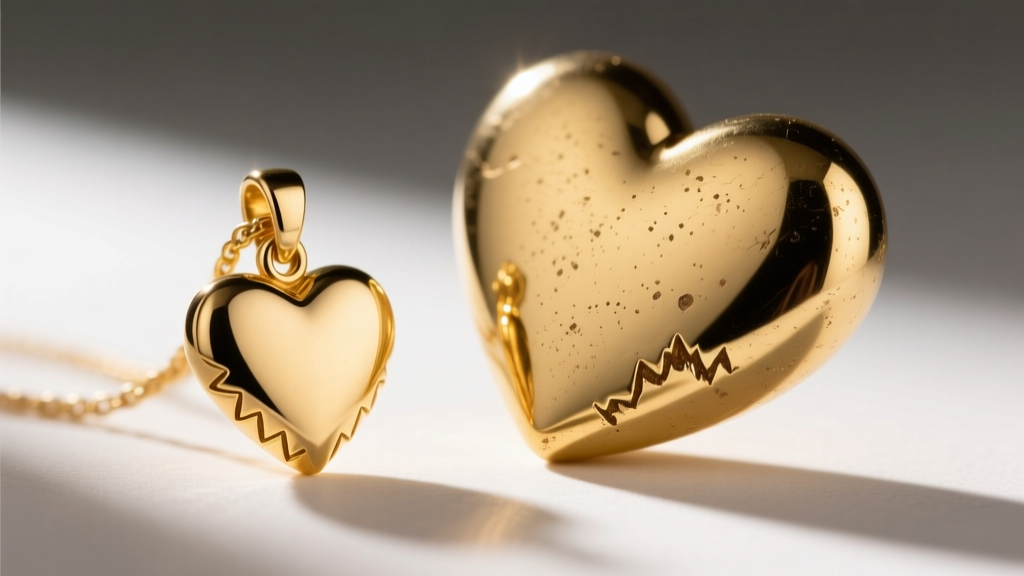
Gold vermeil is heavily marketed as a premium alternative to solid gold, but buyers must understand the legal and practical definitions. According to the Federal Trade Commission (FTC) Jewelry Guides, true vermeil must consist of a sterling silver base coated with a minimum of 2.5 microns of 10k gold or higher.
The problem? Many direct-to-consumer brands sell "gold-dipped" heart necklaces for $85 that feature less than 0.5 microns of flash plating over brass or low-grade silver. This thin layer will rub off against the collarbone within three to six months of daily wear, leaving a dull, tarnished base metal. If you are buying vermeil, demand a specification sheet confirming the 2.5-micron thickness; otherwise, you are paying fine jewelry prices for disposable fashion jewelry.
Value Assessment Matrix: What You Actually Get
To make an informed purchasing decision, you must align your budget with your expected lifespan for the necklace. Below is a structural breakdown of the most common materials used in small heart pendants, their realistic market pricing, and their long-term value proposition.
| Material Grade | Avg. Retail Price | Estimated Lifespan | Value Verdict |
|---|---|---|---|
| Sterling Silver (925) | $30 - $80 | Lifetime (with polishing) | Excellent budget choice; requires anti-tarnish maintenance. |
| Gold Vermeil (2.5μm) | $60 - $150 | 2 - 5 Years | Fair value; avoid if you have acidic skin chemistry or plan to shower with it. |
| Gold-Filled (1/20 14k) | $50 - $120 | 10 - 20 Years | Superior budget alternative to vermeil; thick mechanically bonded gold layer. |
| Solid 14k Gold | $180 - $450 | Generational | Best overall investment; retains intrinsic gold melt value. |
| Solid 18k Gold | $350 - $800+ | Generational | Poor structural value for thin hearts; 18k is too soft and bends easily. |
Gemstone Accents: The Pavé Heart Markup
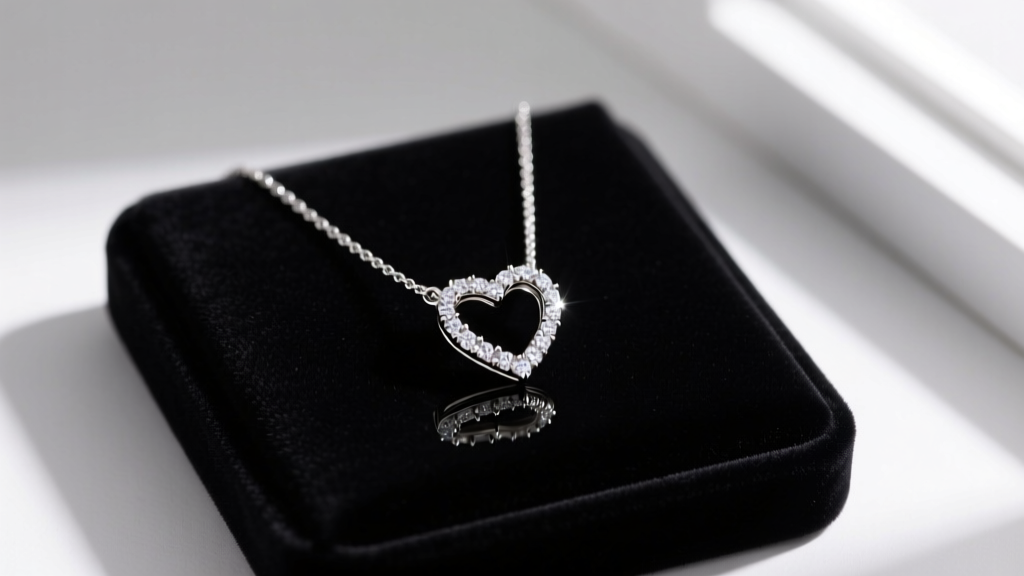
Adding diamonds to a small heart necklace exponentially increases both the price and the complexity of the value assessment. A micro-pavé diamond heart pendant relies on dozens of tiny "melee" diamonds (typically under 0.05 carats each) set closely together.
According to the Gemological Institute of America (GIA), the market has seen a massive influx of lab-grown diamonds, which are optically and chemically identical to mined stones but cost significantly less. However, in the melee diamond market, the wholesale price difference between natural and lab-grown stones is negligible—often just a few dollars per heart pendant.
Appraiser's Insight: Do not pay a "lab-grown premium" for small diamond heart necklaces. If a brand is charging you $600 for a lab-grown pavé heart that costs $400 in natural melee, they are capitalizing on eco-marketing buzzwords rather than actual material costs. The real cost driver in pavé jewelry is the labor required to set the stones, not the stones themselves.
When evaluating diamond heart pendants, inspect the setting under a loupe. Prong-set melee stones offer more brilliance than bead-set (flush) stones, but they are prone to catching on knitwear. Bead settings are lower profile and safer for daily wear, though they sacrifice about 15% of the diamond's light return.
Chain Quality: The Hidden Cost Center
A small heart pendant is only as secure as the chain it hangs from. Many luxury brands cut corners on chain manufacturing to offset the cost of the pendant, resulting in a beautiful heart suspended on a structurally deficient chain.
- Gauge Thickness: A standard 0.7mm or 0.8mm cable chain is perfectly adequate for lightweight sterling silver or hollow-back hearts weighing under 2 grams. However, if you purchase a solid 14k gold heart pendant weighing 4 to 6 grams, a 0.8mm chain will stretch and eventually snap at the clasp loop. Upgrade to a 1.0mm or 1.2mm chain for heavier pendants.
- Chain Style: Box chains and rope chains offer superior tensile strength and resist kinking compared to delicate snake chains, which are notorious for snapping when bent at sharp angles.
- Clasp Mechanics: Spring-ring clasps are cheap to produce and difficult to operate with one hand. A genuine lobster clasp is the hallmark of a quality chain. Replacing a broken spring-ring clasp at a jeweler costs between $35 and $60, entirely erasing the "savings" of buying a cheaper chain upfront.
Brand Markup vs. Independent Jewelers
The jewelry industry is notorious for its retail markups, and small heart necklaces are a primary vehicle for luxury brand margins. A solid 14k gold small heart pendant weighing 2.5 grams has a raw material (melt) value of roughly $130 to $150, depending on daily gold spot prices.
Legacy luxury brands routinely price this exact specification between $750 and $1,200. You are paying an 800% markup for the blue box, the retail real estate, and the brand heritage. Conversely, reputable online jewelers and independent goldsmiths (such as those found on verified Etsy platforms or specialized direct-to-consumer fine jewelry sites) price the identical 14k solid gold heart necklace between $220 and $350.
While the luxury purchase holds emotional and resale value in specific vintage markets, from a strict budget and material value perspective, the independent market offers vastly superior financial efficiency. You are paying for the gold and the labor, not the marketing campaign.
Final Verdict: Where to Invest and Where to Save
Navigating the market for small heart necklaces requires a clear understanding of your personal wear habits and financial boundaries. If you are buying a necklace to wear in the shower, to sleep, and to the gym, do not buy vermeil. The moisture and friction will destroy the plating, rendering your investment worthless within a year. Opt for solid 14k gold or high-quality gold-filled alternatives.
If you desire the sparkle of a diamond heart pendant, prioritize the quality of the metal setting and the security of the prongs over the origin of the melee stones. Ultimately, the highest value in the small heart necklace category is found in minimalist, solid 14k gold designs purchased from transparent, independent jewelers who charge based on gold weight and labor, rather than brand prestige. By focusing on gauge thickness, precise plating micron counts, and fair market melt-value markups, you can acquire a beautiful, lifelong staple without subsidizing luxury retail overhead.


