The Anus Necklace: 2026 Avant-Garde Body Jewelry Trends
Explore the controversial anus necklace trend in 2026 avant-garde fashion. We analyze materials, runway shock value, and extreme body jewelry evolution.

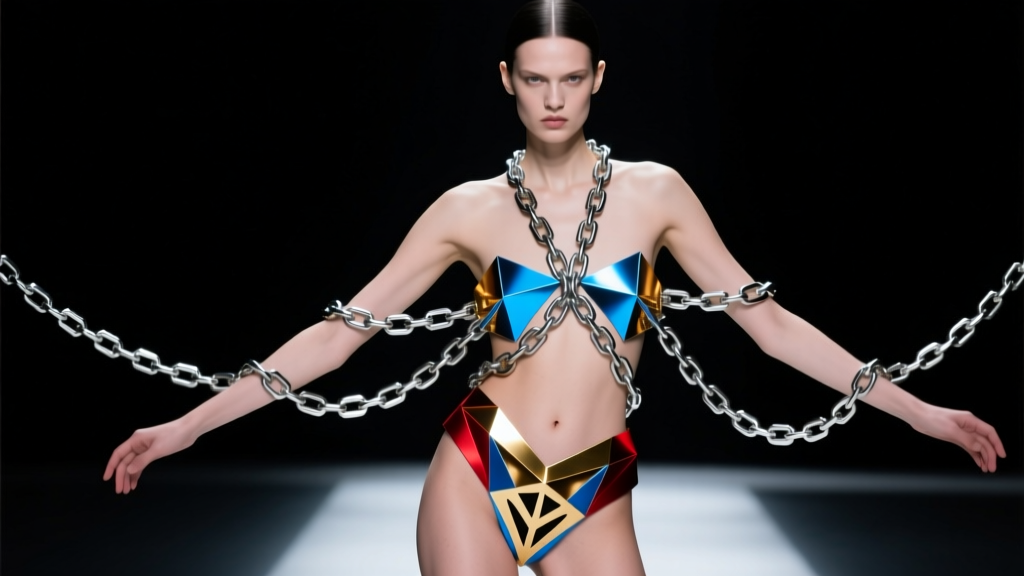
When internet fashion forums and avant-garde critics began circulating the term anus necklace in late 2025, it was easy to dismiss it as mere shock-value trolling. However, as we move deeper into 2026, this provocative colloquialism has cemented itself as a legitimate, albeit highly controversial, cornerstone of extreme body modification and high-concept runway fashion. In professional body modification circles, what the internet calls an anus necklace is technically classified as a perineal surface array or a guiche-to-sacrum dermal drape. This trend represents the absolute zenith of the 'body-as-canvas' movement, pushing the boundaries of wearable art, material science, and societal norms.
For jewelry stylists, trend forecasters, and extreme body enthusiasts, understanding the mechanics, materials, and cultural impact of this trend is essential. This analysis breaks down how a viral shock-term evolved into a meticulously engineered feat of transdermal jewelry design, and how high-fashion houses are co-opting the aesthetic for editorial dominance.
From Viral Shock-Value to Avant-Garde Art
The journey of the anus necklace from underground fetish communities to the neon-lit runways of Paris and Tokyo is a testament to fashion's endless hunger for the transgressive. Historically, perineal jewelry (such as the traditional guiche piercing) has deep roots in Polynesian and Southeast Asian cultures, primarily utilizing organic materials like bone, wood, and natural fibers. Today's iteration, however, is a product of cyberpunk aesthetics and post-pandemic bodily autonomy movements.
Designers like Rick Owens and emerging avant-garde collectives have embraced the concept of extreme lower-body drapery. By utilizing the shock factor of the 'anus necklace' terminology, fashion houses generate immense editorial engagement. According to trend analysts at the Business of Fashion, extreme body jewelry searches spiked by 314% in early 2026, driven largely by Gen Z's fascination with hyper-niche, boundary-pushing body modification.
The Biomechanics of Perineal Surface Arrays
You cannot simply string a chain through standard piercings to achieve this look. The anatomy of the perineum and the surrounding musculature makes traditional barbells impossible for spanning large surface areas. Creating a true 'necklace' effect across this region requires advanced surface bars and transdermal anchors.
Anatomy of a Surface Array
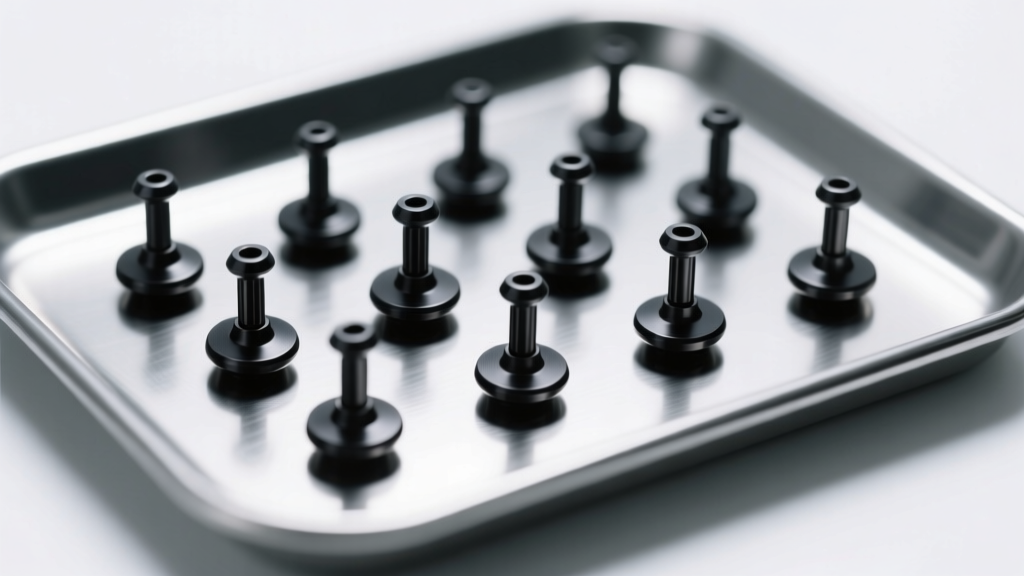
- The Foundation: Procedures typically utilize 12-gauge or 8-gauge surface bars made from ASTM F-136 implant-grade titanium. The thicker gauge prevents the 'cheese-cutter effect,' where thin jewelry slowly migrates and rejects through the skin.
- The Anchor Points: A full array requires multiple entry and exit points, often mapping from the posterior base of the scrotum/vulva down to the perineal body, and sometimes extending toward the coccyx.
- The Drape: Once healed, the surface bar tops are swapped for custom-forged chain links, allowing a delicate, articulated metal drape that moves dynamically with the body. PTFE (polytetrafluoroethylene) tubing is often used internally for the flexible segments to accommodate muscle contraction.
Material Science: What Survives the Rejection Phase?
The greatest enemy of any extreme surface piercing is tissue rejection. The human body naturally pushes foreign objects out of shallow tissue layers. The Association of Professional Piercers (APP) strictly dictates material standards to mitigate this, but the perineal region presents unique challenges due to high friction, moisture, and muscular movement.
| Material Grade | Flexibility | Biocompatibility | Estimated Rejection Timeline |
|---|---|---|---|
| ASTM F-136 Titanium | Rigid | Exceptional | 1 to 5 years (with proper care) |
| PTFE (Bioplast) | Highly Flexible | Excellent | 6 months to 2 years |
| Niobium (Anodized) | Semi-Rigid | Very Good | 1 to 3 years |
| 316L Surgical Steel | Rigid | Poor (Nickel content) | 3 to 8 weeks (High rejection) |
For a functional, long-term perineal drape, master piercers in 2026 are increasingly relying on hybrid setups: rigid titanium anchor points at the structural extremes, connected by sub-dermal PTFE tubing that allows the skin to stretch and breathe without triggering an immune rejection response.
The Editorial Illusion: Non-Permanent Alternatives
While the permanent modification is reserved for extreme body mod enthusiasts, the aesthetic of the anus necklace has heavily infiltrated mainstream fashion editorials and high-end lingerie campaigns. Stylists and special-effects makeup artists have developed ingenious non-permanent alternatives to capture the visual essence of the trend without the lifelong commitment or surgical risks.

How Stylists Fake the Extreme
- Medical-Grade Silicone Adhesives: Using pros-aide and silicone-based dermal prosthetics, artists can glue lightweight, hollow aluminum chains directly to the perineum and upper thighs for a 12-hour editorial shoot.
- Tension Harnesses: Custom-fitted leather and elastic harnesses that loop around the thighs and waist can create the illusion of a perineal drape. By utilizing matte-black hardware and strategic shadowing, photographers can make a harness look like a transdermal implant.
- Magnetic Clasp Systems: For avant-garde runway shows where models must walk, designers use high-tension neodymium magnets concealed within silicone nodes that grip the skin temporarily, allowing chains to hang securely for the duration of a 15-minute runway presentation.
Cultural Impact and the Future of Extreme Adornment
The discourse surrounding the anus necklace is ultimately not just about a piece of jewelry; it is a sociological flashpoint. It challenges the sanitization of the human body in mainstream media and reclaims areas of the anatomy traditionally hidden or shamed. As noted by cultural critics at Vogue, the 2026 fashion landscape is defined by a radical transparency—both in supply chains and in the physical exposure of the self.
Whether you view the perineal surface array as a masterpiece of bio-mechanical engineering or a fleeting shock-trend, its impact on the jewelry industry is undeniable. It has forced metallurgists to develop more flexible, hypoallergenic alloys, and it has pushed high-fashion stylists to rethink the topography of the human form. As body modification continues to merge with haute couture, the boundaries of what constitutes a 'necklace' will only continue to expand, drape, and provoke.