Troubleshooting Black Hills Gold Necklaces: Cleaning & Repairs
Learn how to clean tarnished leaves, verify authenticity, and repair broken chains on your Black Hills gold necklaces with expert troubleshooting tips.

The Unique Metallurgy of Black Hills Gold
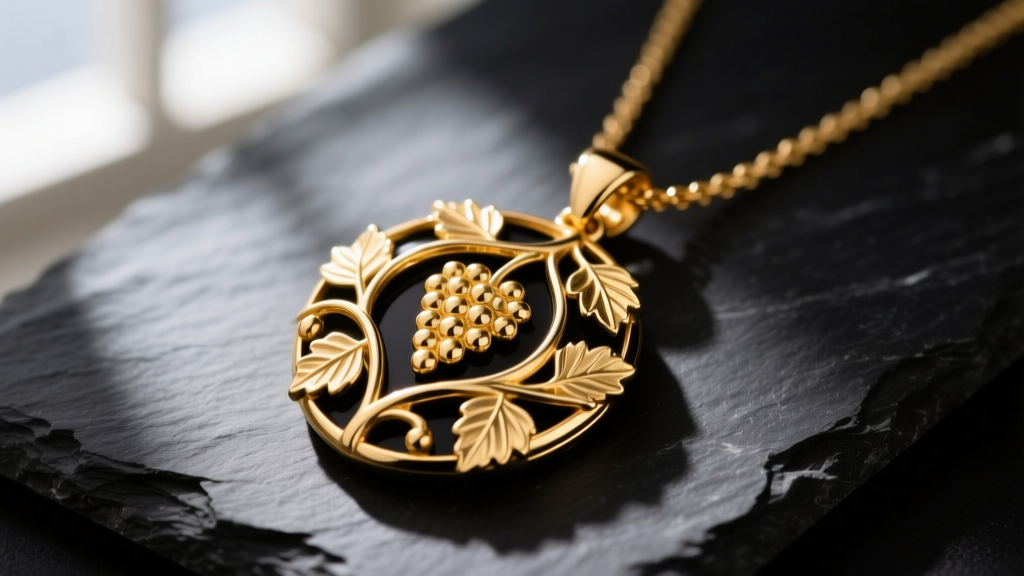
To effectively troubleshoot issues with Black Hills gold necklaces, you must first understand the complex metallurgy that gives them their signature tri-color appearance. Originating in the 1870s with French goldsmith Henri LeBeau, authentic Black Hills gold is not a single alloy. Instead, it is a composite of different gold karats and metal mixtures. The base chain and pendant frames are typically cast in 10k yellow gold (41.7% pure gold) for maximum durability and structural integrity. The delicate grape and leaf motifs are die-struck from 12k gold alloys (50% pure gold).
The color variations are achieved through specific alloying metals. The green leaves are created by mixing 12k gold with a high percentage of silver, while the rose leaves are alloyed heavily with copper. According to the Gemological Institute of America (GIA), altering these base metals changes not only the color but also the oxidation potential and melting points of the jewelry. This metallurgical reality is the root cause of 90% of the maintenance and repair problems owners face.
Troubleshooting Tarnish on Green and Rose Gold Leaves
The most common complaint regarding Black Hills gold necklaces is that the colorful leaves appear to tarnish, darken, or look "dirty" while the yellow gold base remains bright. This is not a defect; it is a chemical inevitability. The copper in the rose gold reacts with oxygen and moisture to form copper oxide, while the silver in the green gold reacts with sulfur in the air to form silver sulfide. Because the 10k yellow gold base contains less reactive alloy metals, it remains largely unaffected.
Safe Cleaning Solutions vs. Chemicals to Avoid
When troubleshooting tarnished leaves, aggressive cleaning is the enemy. Many owners mistakenly use commercial silver dips or ultrasonic cleaners, which can cause catastrophic damage.
- Avoid Ultrasonic Cleaners: The high-frequency vibrations can easily shake loose the microscopic solder joints that attach the fragile 12k leaves to the 10k base.
- Avoid Silver Dip and Ammonia: Chemical dips designed for sterling silver will strip the oxidized antiquing from the leaf veins and can permanently alter the surface chemistry of the copper-heavy rose gold, leaving it blotchy.
- Avoid Polishing Cloths: Treated jeweler's cloths contain mild abrasives that will sand away the signature frosted texture of the leaves (more on this below).
The Expert Cleaning Protocol
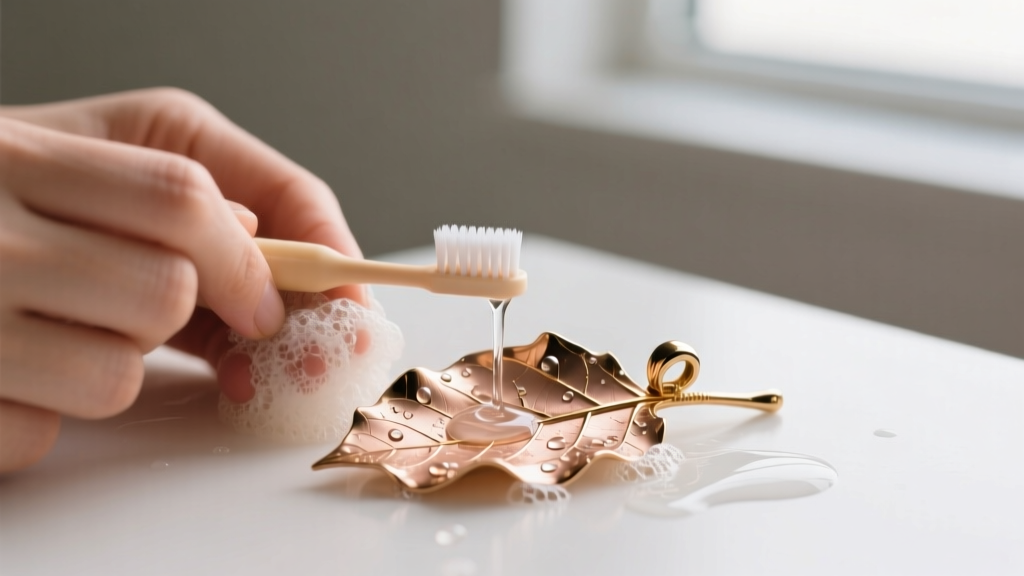
To safely remove body oils and mild surface oxidation without damaging the soldered joints, follow this exact protocol recommended by heritage makers like Coleman Black Hills Gold:
- Mix three drops of mild, phosphate-free dish soap (like Dawn) into a bowl of lukewarm distilled water.
- Submerge the necklace for exactly 3 to 5 minutes to loosen oils.
- Using a brand-new, extra-soft baby toothbrush, gently agitate the bristles over the leaves. Do not scrub the engraved veins aggressively.
- Rinse thoroughly under a gentle stream of lukewarm water.
- Pat dry with a lint-free microfiber cloth and allow it to air dry completely before storing.
Authenticity Verification: Spotting Fakes and Misrepresented Pieces
Because true Black Hills gold is geographically protected and requires specific manufacturing techniques, the market is flooded with generic "tri-color gold" necklaces masquerading as the real thing. If you are troubleshooting a piece that lacks hallmarks or features poorly defined leaves, use this framework to verify its origins.
| Manufacturer | Common Hallmarks | Leaf Attachment | Base Metal Standard |
|---|---|---|---|
| Coleman | COLEMAN, BHG | Soldered / Fused | 10k Yellow Gold |
| Landstrom's | LANDSTROM'S, BHG | Soldered / Fused | 10k Yellow Gold |
| Mount Rushmore | MR, BHG | Soldered / Fused | 10k Yellow Gold |
| Generic Imitations | 10k, 417, or Blank | Glued or Poorly Soldered | Varies (often gold-plated) |
Authentic pieces will almost always feature a "BHG" stamp or the specific maker's mark. Furthermore, genuine Black Hills gold leaves are individually die-struck and hand-soldered onto the base. If the leaves look cast as a single solid piece with the base, or if the colors are painted/enameled rather than metallic, you are dealing with an imitation.
Chain Breakages and Soldering Tri-Color Gold
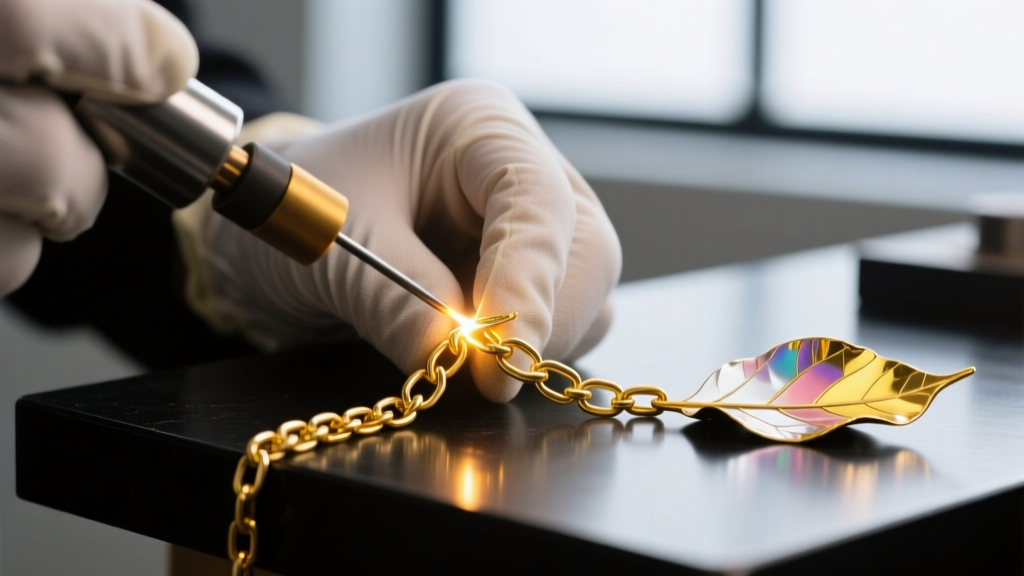
When a Black Hills gold necklace chain snaps, standard jewelry repair methods often fail. The melting point of the 10k yellow gold chain is different from the 12k rose and green leaves. If a jeweler uses a traditional butane or oxy-acetylene torch to solder a broken link near the pendant, the ambient heat will melt the delicate solder joints holding the leaves to the base before the chain link even flows.
Why Laser Welding is Mandatory
To troubleshoot a broken chain or a detached leaf, you must seek out a jeweler equipped with a laser welder. Laser welding uses highly focused pulses of light energy to melt metal in a microscopic, localized area. This allows the jeweler to weld a 1mm chain link or reattach a fallen rose gold leaf without transferring heat to the surrounding tri-color components. Expect to pay between $65 and $125 for laser welding services, depending on the complexity of the break. Never attempt to solder these pieces at home with a hobbyist torch; you will irreparably ruin the pendant.
Restoring the Signature Frosted Leaf Texture
Over years of wear, the leaves on Black Hills gold necklaces can lose their contrasting, frosty appearance, becoming flat and shiny. This texture is not a plating; it is a physical engraving achieved by master craftsmen using specialized vibrating engraving tools or fine sandblasting to create microscopic facets that catch the light. When owners aggressively polish their necklaces with rotary tools or abrasive creams, they sand these facets flat.
Expert Insight: If your leaves have lost their frost, do not attempt to re-engrave them yourself. The piece must be sent back to the original manufacturer (such as Stamper or Landstrom's) or a specialized Black Hills gold restoration artisan. They will use a process called "matting" or re-frosting with a specialized tungsten carbide engraver to restore the light-reflecting texture without removing the underlying 12k gold alloy.
Summary Checklist for Long-Term Care
Preserving the intricate beauty of Black Hills gold necklaces requires a shift from traditional jewelry maintenance to specialized tri-color care. Follow these final rules to prevent common failures:
- Storage: Store the necklace in an anti-tarnish cloth pouch. The copper and silver alloys are highly susceptible to airborne sulfur.
- Wear Order: Always put your necklace on after applying perfumes, hairsprays, and lotions. The chemicals in cosmetics accelerate copper oxidation.
- Inspection: Once a year, use a 10x jeweler's loupe to inspect the solder joints where the leaves meet the base. If you see dark, crusty buildup or micro-fractures, take it to a laser-welding specialist immediately before a leaf detaches and is lost.
By respecting the unique metallurgical properties of these historic pieces, you can ensure your Black Hills gold necklace remains a vibrant, multi-generational heirloom. For further reading on maintaining precious metal alloys, consult the Jewelers of America care guidelines.


