Expert Guide to Untangling Knots for Necklace Chains
Discover expert techniques to safely remove stubborn knots for necklace chains. Learn about lubricants, needle tools, and prevention tips to protect jewelry.

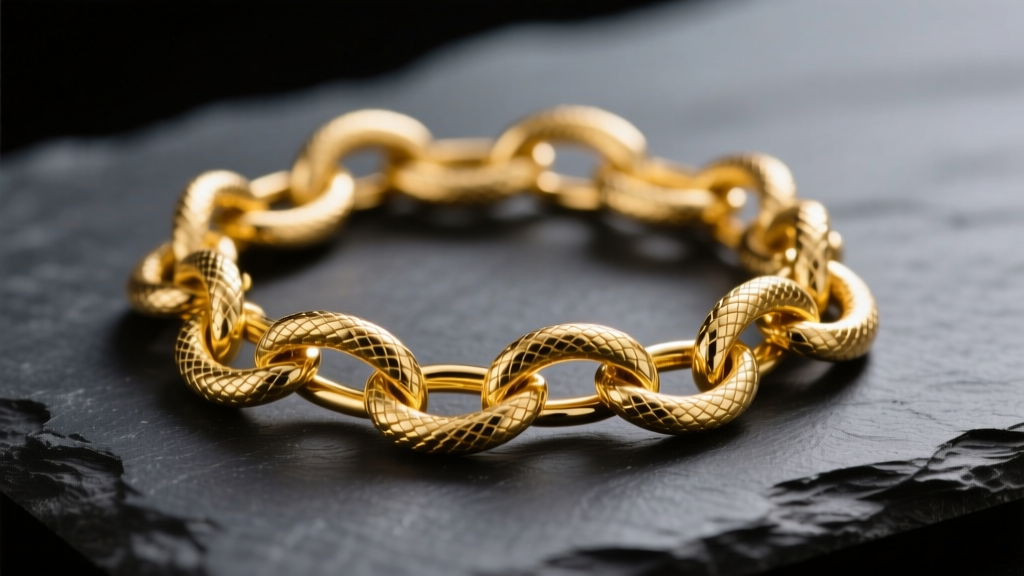
There are few things more frustrating in the world of fine jewelry than reaching into your jewelry box, only to find a delicate chain twisted into an impossibly tight micro-knot. When dealing with stubborn knots for necklace chains, the immediate instinct is often to pull at the ends in a bid to force the tangle loose. Unfortunately, this approach usually exacerbates the problem, transforming a manageable slipknot into a hardened, work-hardened mass of metal that can permanently damage the links. Whether you are handling a fragile 18k gold herringbone chain or a durable platinum cable necklace, understanding the mechanics of entanglement and utilizing professional-grade untangling protocols is essential for preserving the structural integrity of your jewelry.
The Physics of Chain Entanglement
Not all necklace chains are created equal when it comes to their susceptibility to tangling. The architecture of the chain dictates how easily it forms knots and how difficult those knots will be to remove. According to Blue Nile's Jewelry Care Guide, understanding your chain type is the first step in proper maintenance.
- Snake and Herringbone Chains: These chains are constructed from tightly interlocking, flush metal plates that create a smooth, continuous surface. While beautiful, their lack of flexibility means they cannot fold flat. When stored improperly, they develop rigid bends that catch on themselves, creating notoriously tight knots that are highly prone to kinking.
- Box Chains: Made of square, interlocking links, box chains are highly durable but have a specific failure mode: if a link is bent past a 45-degree angle inside a knot, it can permanently deform, creating a weak point that may snap under future tension.
- Cable and Curb Chains: Featuring simple oval or round links, these chains are the most forgiving. The open spaces between the links allow knots to remain relatively loose, making them the easiest to untangle using standard pin-and-pull methods.
Essential Tools for the Job
Before attempting to resolve any knots for necklace jewelry, you must assemble the correct toolkit. Using household items like toothpicks or standard sewing needles often leads to scratched metal or broken links.
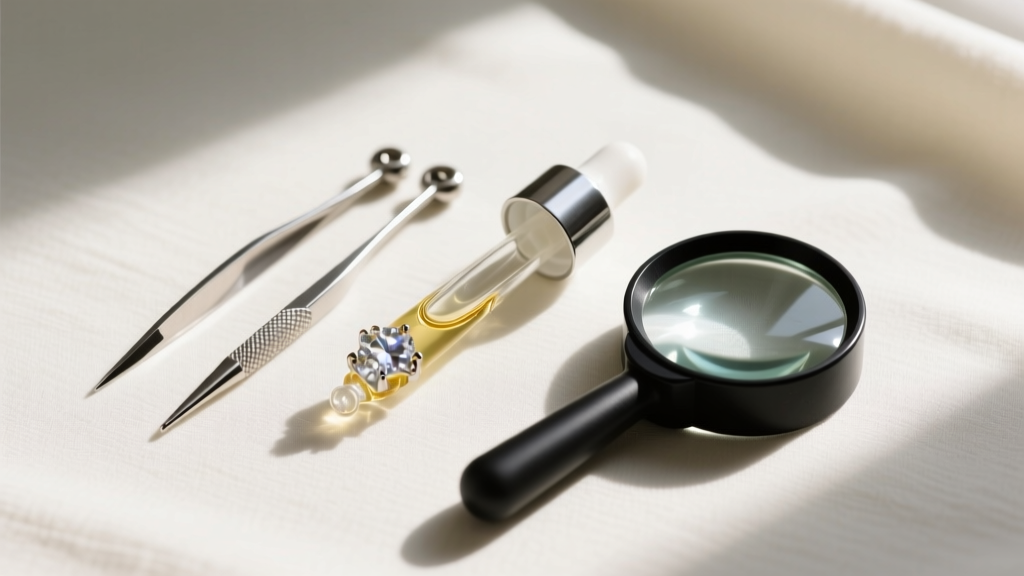
The Professional Untangling Kit
- Stainless Steel T-Pins (0.7mm to 0.9mm diameter): Unlike standard sewing needles, T-pins have a flat head that allows you to apply downward pressure without the tool slipping and scratching the surrounding links. The 0.7mm gauge is thin enough to penetrate micro-knots in fine 1mm chains but thick enough to resist bending.
- 10x Triplet Jeweler's Loupe: A high-quality triplet loupe eliminates edge distortion, allowing you to see exactly which link is acting as the anchor point of the knot. Alternatively, a digital USB microscope connected to a laptop provides a larger, well-lit view of the tangle.
- Anti-Static Tweezers: Carbon-fiber tipped tweezers provide grip without marring soft metals like high-karat gold or pure silver.
- Non-Porous Work Surface: A glass or ceramic tile provides a hard, flat surface that allows the chain to slide freely, unlike fabric or rubber mats which create friction.
The Lubrication Matrix: Choosing the Right Slip Agent
Friction is the enemy of untangling. To loosen a tight knot, you must reduce the coefficient of friction between the metal links. However, the lubricant you choose must be compatible with both the metal alloy and any gemstones attached to the pendant or chain.
| Lubricant | Best Chain Types | Porous Stone Safe? | Cleanup Difficulty |
|---|---|---|---|
| Mineral Oil (Baby Oil) | All metals, especially snake/herringbone | Yes (Highly inert) | Low (Washes off with mild dish soap) |
| Graphite Powder | Thick silver or steel chains | No (Will stain pearls/turquoise) | High (Requires ultrasonic cleaning) |
| Talcum Powder | Delicate cable chains | Yes (But can dull gemstone sparkle) | Medium (Requires soft brush and warm water) |
| Silicone Spray | Heavy stainless steel or titanium | No (Chemicals may degrade some resins) | Low (Degreaser or isopropyl alcohol) |
Expert Note: Never use water-based lubricants or soak a knotted chain in water before untangling it. Water creates surface tension and can cause microscopic flash-rust on non-noble metal alloys or spring-ring clasps, effectively welding the knot tighter.
Step-by-Step Untangling Protocol
Follow this precise methodology to safely dismantle even the most severe tangles without stretching the metal.
- Isolate the Knot: Lay the chain flat on a glass surface. Use your tweezers to pull the loose ends of the chain away from the center of the knot, isolating the tangled mass.
- Apply Lubricant: Using a toothpick or a micro-dropper, apply a single drop of mineral oil directly to the center of the knot. Allow it to capillary into the links for 60 seconds.
- The "Shake and Loosen" Technique: Gently tap the glass surface with the handle of your tweezers. The micro-vibrations, combined with the oil, will often cause the outermost loops of the knot to relax.
- Pin and Push (Do Not Pull): Insert the tip of your T-pin into the center-most link of the knot. Instead of pulling the chain ends, gently push the surrounding links outward from the center. Work in concentric circles, loosening the outer loops before addressing the core.
- Thread the Tail: Once the core is loose enough to create a gap, use the T-pin to guide the tail end of the chain back through the loop. Never force a link; if it resists, reapply oil and tap the glass again.
"The most common mistake consumers make is applying tensile stress to a knotted chain. Pulling the ends only decreases the bend radius of the links, causing work-hardening and eventual structural failure. Always push from the center out."
— Master Bench Jeweler Technique
Metallurgical Considerations: Karat Weight and Tensile Strength
When applying pressure to knots for necklace chains, you must consider the metallurgy of the piece. Pure 24k gold is incredibly soft and highly malleable; a tight knot in a 24k chain can often be massaged apart with bare fingers, but the links will easily stretch and deform. Conversely, 14k and 18k gold alloys contain copper, silver, and zinc, which increase tensile strength but make the metal more brittle. If you apply too much lateral force to an 18k white gold box chain knot, the links are more likely to snap than to stretch. Platinum, while dense and heavy, is highly ductile. A knotted platinum chain will resist snapping but will deform plastically, requiring professional re-rounding of the links by a jeweler after the knot is removed.
Post-Knot Cleaning and Restoration
Once the knot is successfully removed, the chain must be thoroughly cleaned to remove the lubricant and any microscopic metal shavings that may have accumulated during the untangling process. Jewelers Mutual recommends gentle, non-abrasive cleaning methods for home care.
The Two-Bowl Wash Method
- Prepare two glass bowls. Fill the first with warm water and three drops of mild, phosphate-free dish soap (such as Dawn). Fill the second with clean, distilled water.
- Submerge the chain in the soapy water and gently agitate it with your fingers for 30 seconds to emulsify the mineral oil.
- Transfer the chain to the distilled water bowl to rinse. Using tap water is discouraged, as hard water minerals can leave spots on high-polish chains.
- Lay the chain flat on a microfiber towel and use a hair dryer on the "cool" setting to blow moisture out of the links and the clasp mechanism.
Crucial Warning: Never place a recently untangled chain into an ultrasonic cleaner. The high-frequency vibrations can cause microscopic stress fractures in links that were bent or work-hardened during the knotting process. Always allow the metal to "rest" for 24 hours, or have a professional jeweler anneal the stressed links before utilizing ultrasonic technology.
Advanced Prevention Strategies
Preventing knots for necklace jewelry is vastly superior to the tedious process of removing them. Implementing proper storage and handling habits will eliminate 99% of chain entanglements.
The Straw Threading Method
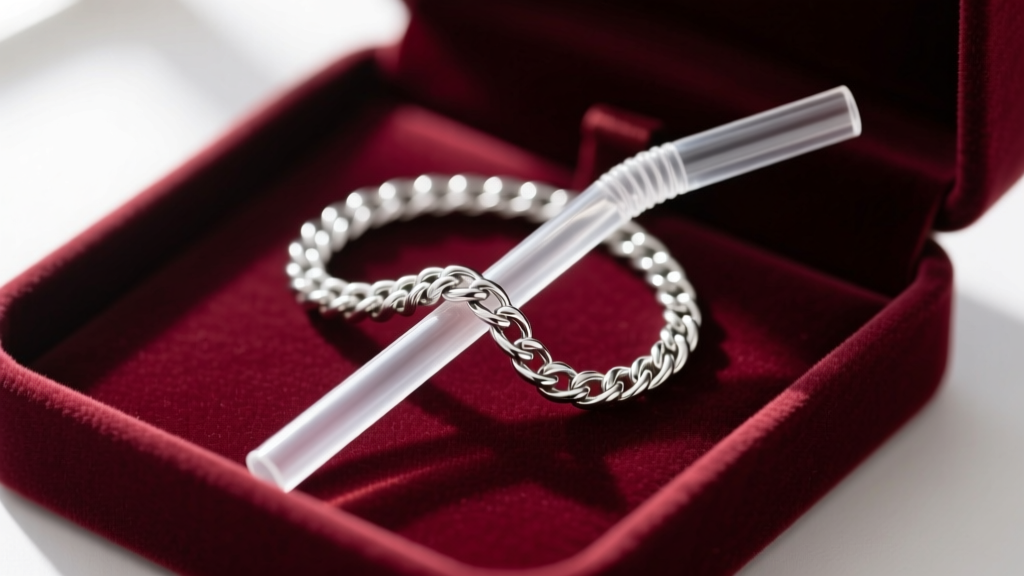
For ultra-fine cable and snake chains (under 1.5mm in width), the most effective prevention technique is the straw method. Unclasp the necklace, thread one end through a standard plastic drinking straw, and re-clasp it. The rigid straw prevents the chain from bending sharply enough to loop back on itself, making it physically impossible for a knot to form during storage or travel.
Proper Clasp Protocol
Never store a necklace unclasped. An open clasp acts as a microscopic grappling hook, catching on the open loops of other chains in your jewelry box. Always fasten the spring-ring or lobster clasp before placing the item in a felt-lined pouch or a dedicated compartmentalized jewelry box.
Environmental Control
Static electricity generated by dry winter air or synthetic clothing can cause lightweight chains to cling to themselves, initiating the tangling process. Storing your jewelry in an environment with a humidity level between 40% and 50%, or utilizing anti-tarnish treated flannel pouches, reduces static buildup and keeps chains lying flat and separated.
Final Thoughts on Chain Maintenance
Patience and precision are your greatest assets when resolving necklace tangles. By respecting the metallurgy of your jewelry, utilizing the correct slip agents, and employing a push-from-the-center methodology, you can safely rescue even the most hopelessly tangled chains without causing costly structural damage. When in doubt, or if the knot involves a complex gemstone setting, always defer to a certified bench jeweler who possesses the microscopic tools and metallurgical expertise required to preserve your investment.


