Coil Necklace Buying Guide: Materials, Fit & Styling
Discover everything about buying a coil necklace. Our expert guide covers wire gauges, metal grades, clasp types, and pricing for memory wire and torc coils.

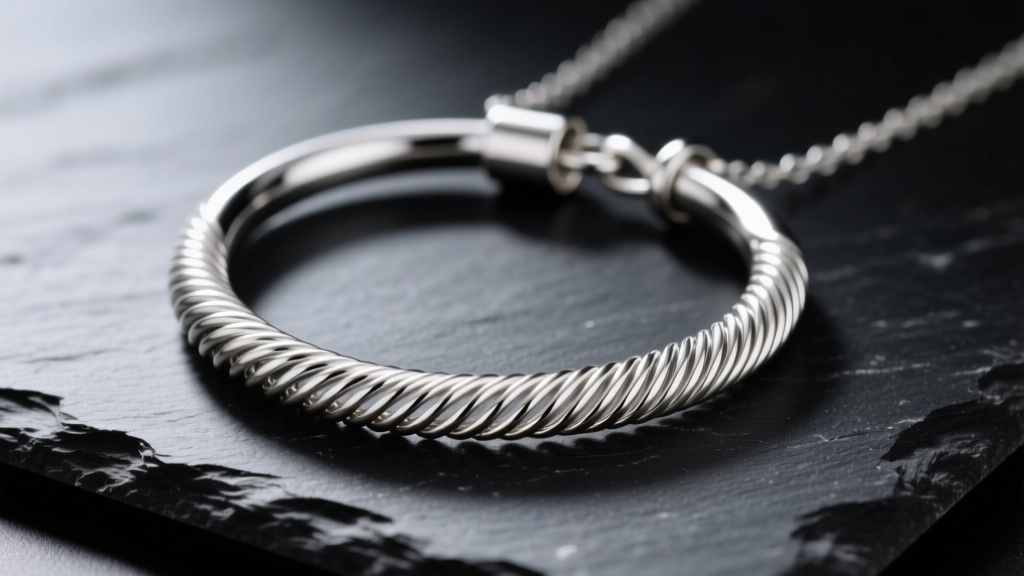
The coil necklace is a masterclass in structural jewelry design. Unlike traditional chain link necklaces that drape and fold, a coil necklace relies on tension, continuous spirals, and rigid geometry to sit perfectly on the collarbone. Whether you are looking at a flexible memory wire piece, a rigid precious metal torc, or a multi-strand woven coil, understanding the metallurgy and mechanics behind these designs is crucial before making a purchase.
As of 2026, the jewelry market has seen a massive resurgence in architectural, minimalist neckpieces, pushing coil designs to the forefront of contemporary styling. However, not all coils are created equal. A poorly constructed coil will warp, lose its tension, or suffer from clasp failure within months. This comprehensive buying guide breaks down the exact specifications, material grades, and structural nuances you need to evaluate when shopping for a high-quality coil necklace.
The Three Main Types of Coil Necklaces
Before evaluating materials, you must identify which structural category of coil necklace you are buying. Each type behaves entirely differently on the neck.
1. Memory Wire Coils
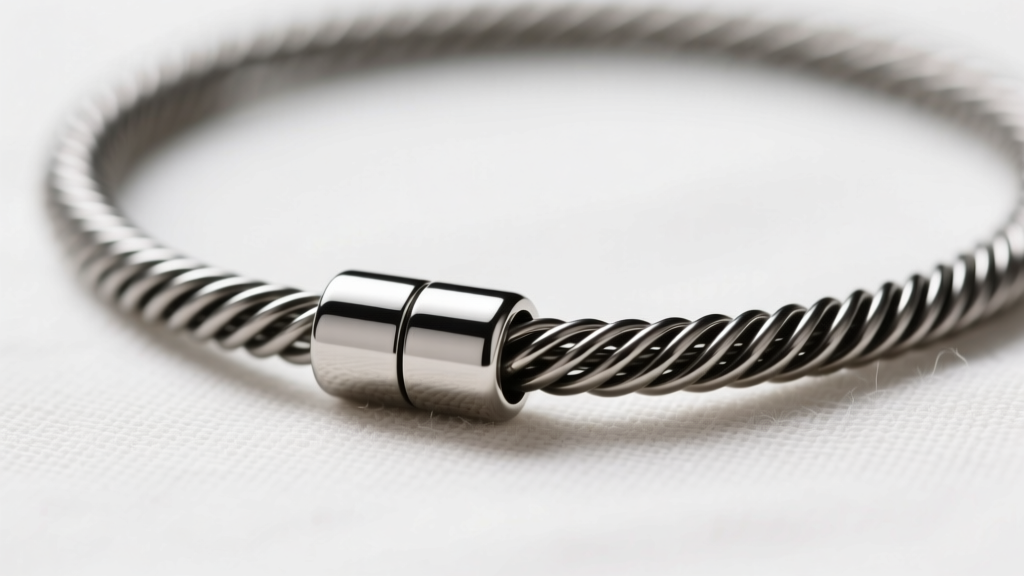
Memory wire is made from tempered high-carbon steel that holds its pre-formed circular shape. These necklaces wrap around the neck 1.5 to 3 times and require no clasp, or utilize a simple magnetic barrel. They are flexible but possess a strong 'memory' that forces them back into a perfect circle.
2. Torc-Style Precious Metal Coils
A torc coil is a rigid, open-ended necklace made from a single, thick wire of precious metal (usually sterling silver or gold) that has been tightly coiled or twisted. These act like heavy-duty springs. They rely on the natural tension of the metal to grip the neck and are typically finished with decorative end-caps or screw-in clasps.
3. Woven & Multi-Strand Coils
These are flexible necklaces created by weaving multiple fine wires or chains into a tubular, coil-like mesh. They drape more like a traditional chain but maintain a distinct ribbed, coiled texture.
Material Grades & Wire Gauges: What Actually Matters
The longevity of a coil necklace is dictated by its American Wire Gauge (AWG) and its metallurgical treatment. When reading product descriptions, look for these specific data points:
- Memory Wire (16 to 18 AWG): Standard memory wire ranges from 1.3mm (16G) to 1.0mm (18G). Anything thinner than 18G will warp under the weight of heavy pendants. Ensure the steel is surgical-grade or heavily plated to prevent rust, as raw carbon steel will oxidize against the skin's moisture.
- Sterling Silver Torcs (10 to 14 AWG): Rigid silver coils must be thick to prevent bending. Look for 10 AWG (2.5mm) to 14 AWG (1.6mm). Crucially, the silver must be work-hardened during the manufacturing process. Annealed (soft) silver will permanently bend out of shape the first time you pull the ends apart to put it on.
- Gold Alloys (14k vs 18k): For rigid gold coils, 14k gold is actually superior to 18k. The higher copper and zinc content in 14k gold provides greater tensile strength and 'spring-back' memory, whereas 18k gold is softer and more prone to permanent warping if stretched.
Expert Insight: If a retailer does not specify the wire gauge or hardening process for a rigid metal coil, assume it is soft and highly susceptible to deformation. Always ask for the AWG measurement before purchasing high-ticket precious metal torcs.
Clasp Mechanisms & Tension Points
The clasp is the most common point of failure on a coil necklace. Because coils exert outward or inward pressure, standard lobster clasps are virtually useless—they will either snap open under tension or be impossible to secure with one hand.
Magnetic Barrel Clasps
Common on memory wire and lightweight woven coils. Look for neodymium magnets encased in a stainless steel or brass barrel. Warning: Ensure the magnet is glued and mechanically pinned inside the barrel. Cheap versions rely solely on glue, which degrades over time, leading to lost necklaces.
Screw Tension & Hook-and-Eye
For rigid silver and gold torc coils, the ends often feature a threaded screw barrel or a heavy-duty hook-and-eye mechanism. The hook-and-eye is preferred by master jewelers because it allows the metal to flex slightly without stripping threads, a common failure mode in screw-barrel torcs.
2026 Pricing Matrix: What Should You Pay?
Understanding the fair market value of a coil necklace prevents you from overpaying for basic wire-wrapping or underpaying for structurally compromised precious metals. Below is the current pricing framework based on material and construction complexity.
| Coil Type | Material | Wire Gauge / Thickness | Estimated Price Range |
|---|---|---|---|
| Memory Wire | Tempered Carbon Steel (Plated) | 16G - 18G | $15 - $45 |
| Woven Mesh Coil | Sterling Silver / Vermeil | Multi-strand 24G weave | $80 - $250 |
| Rigid Torc Coil | Work-Hardened 925 Silver | 10G - 14G (1.6 - 2.5mm) | $180 - $450 |
| Rigid Torc Coil | Solid 14k Yellow Gold | 12G - 14G | $850 - $2,200+ |
According to market analyses tracked by the Gemological Institute of America (GIA), the premium for work-hardened, structurally sound architectural jewelry has increased, meaning buyers should be wary of 'bargain' rigid silver coils that likely skip the hardening process.

Sizing, Fit, and Neckline Pairing
Unlike standard chains, you cannot simply add an extender chain to a rigid coil necklace. Sizing must be exact.
How to Measure for a Rigid Coil
Use a flexible tailor's measuring tape. Wrap it around your neck exactly where you want the necklace to sit. For a choker-style torc, add exactly 0.5 inches to your measurement to allow for breathing room and swallowing. For a collarbone-resting coil, add 1.5 inches. If you are between sizes, always size up; a rigid coil that is too tight will cause metal fatigue and eventually snap.
Neckline Pairing Framework
- Deep V-Necks: Pair with a multi-strand woven coil that drops into the V, mimicking the geometric lines of the blouse.
- Boatnecks & Off-the-Shoulder: The ideal canvas for a rigid, thick-gauge silver or gold torc coil. The horizontal line of the neckline contrasts beautifully with the circular geometry of the coil.
- Crew Necks: Opt for a 2-wrap or 3-wrap memory wire coil to add layered texture without tangling in the fabric.
Care, Maintenance, and Preventing Metal Fatigue
The greatest enemy of any coil necklace is metal fatigue—the weakening of metal caused by repeated bending or stretching. Every time you pull the ends of a torc coil apart to put it on, you are stressing the crystalline structure of the metal.
To maximize the lifespan of your piece, follow these maintenance protocols endorsed by Jewelers Mutual and master bench jewelers:
- The 'Pull-Apart' Technique: Never pull a rigid coil apart like a wishbone. Instead, grip the two ends and gently twist them in opposite directions (one up, one down) to open the coil laterally. This distributes the stress evenly across the spiral rather than concentrating it at the clasp joint.
- Storage: Never store memory wire or torc coils in a way that forces them out of their natural circular shape. Hang them on a wide, padded jewelry stand or lay them flat.
- Plating Wear: If you buy a gold- or silver-plated memory wire coil, be aware that the friction of the coils rubbing against each other will eventually wear through the plating. Once the carbon steel core is exposed, it must be kept dry to prevent rust stains on your clothing.
By prioritizing correct wire gauges, work-hardened metals, and appropriate clasp mechanics, your coil necklace will remain a striking, structurally sound staple in your jewelry wardrobe for years to come.


