Trend Analysis: What Is the Pearl Necklace Evolution in 2026?
Discover what is the pearl necklace trend in 2026. We analyze modern styling, baroque shapes, nacre grades, and how to layer pearls with mixed metals.

The Paradigm Shift: From Heirloom to Avant-Garde
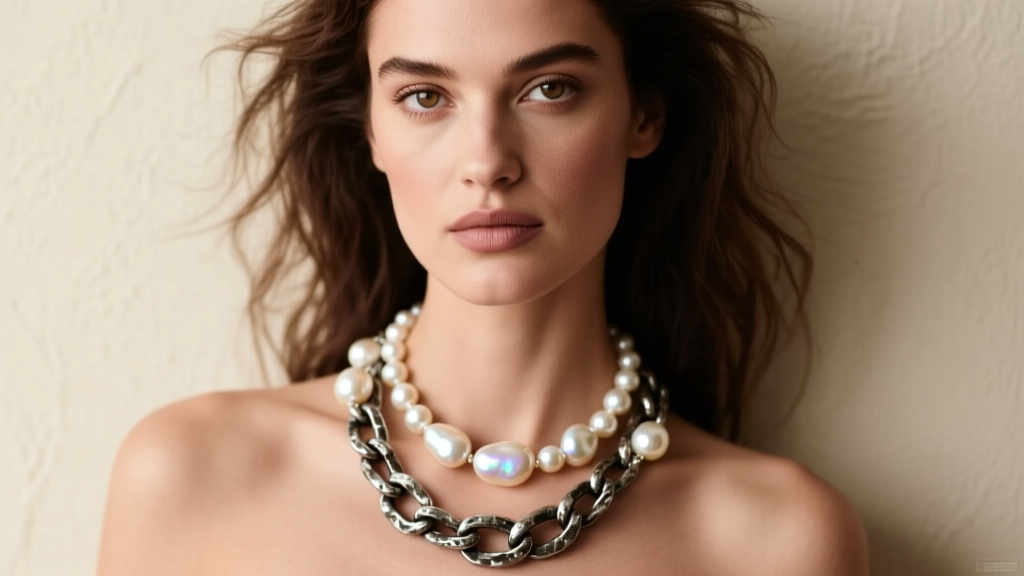
When fashion historians and modern stylists ask, "what is the pearl necklace" in the context of 2026, the answer has fundamentally shifted. It is no longer just a uniform strand of perfectly spherical white beads reserved for conservative occasions or inherited from grandmothers. Today, the pearl necklace is a dynamic, avant-garde statement piece that bridges the gap between organic elegance and industrial edge. The mid-century archetype—popularized by figures like Audrey Hepburn and Jackie Kennedy—relied on strict uniformity: perfectly matched round Akoya pearls, typically 6mm to 7mm in diameter, strung on silk with a simple pearl clasp.
However, the 2026 aesthetic is defined by deliberate imperfection and structural deconstruction. The modern pearl necklace embraces baroque shapes, keshi anomalies, and extreme size variations. Stylists are actively rejecting the "matched strand" in favor of organic, asymmetrical designs that highlight the unique nacreous fingerprint of each individual gem. This evolution reflects a broader cultural shift in jewelry design, where personal expression and raw material authenticity outweigh traditional, rigid standards of perfection.
Deconstructing the Modern Pearl: Grades, Nacre, and Origins
To understand the current market, one must look past the surface luster and examine the gemological realities of modern pearl cultivation. According to the Gemological Institute of America (GIA), the value and durability of a pearl necklace are intrinsically tied to nacre thickness and cultivation methods. In 2026, consumers are highly educated, demanding transparency regarding whether a strand is composed of nucleated saltwater pearls or solid-nacre freshwater variants.
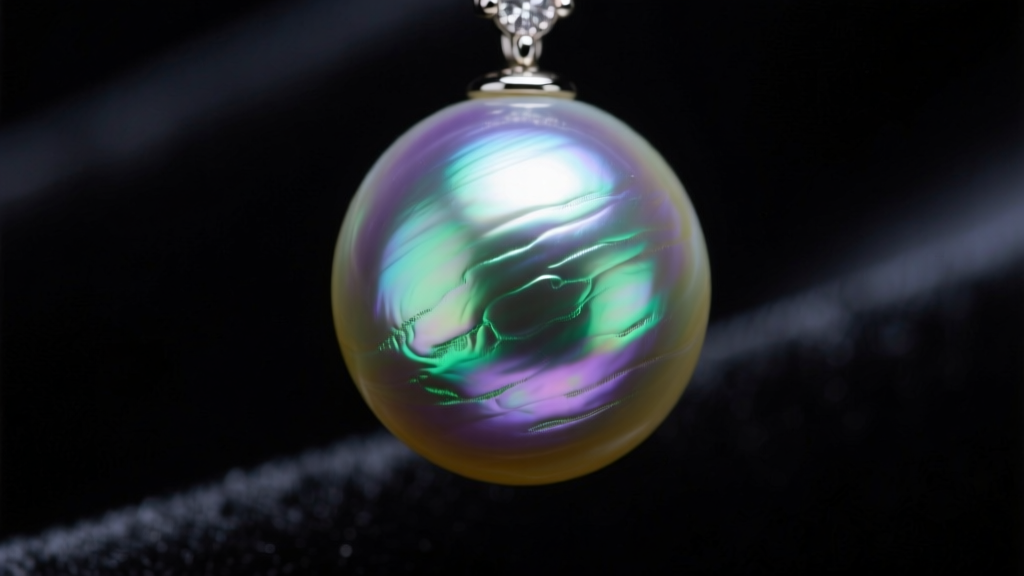
The rise of Edison pearls—large, nucleated freshwater pearls grown in China—has disrupted the traditional hierarchy. Because they can be cultivated to sizes exceeding 14mm with vibrant metallic overtones, they offer a visually striking alternative to the prohibitively expensive large Tahitian strands. Meanwhile, the demand for "keshi" pearls (non-nucleated byproducts that form entirely of solid nacre) has skyrocketed due to their unique, petal-like shapes and intense, multidirectional luster.
| Pearl Type | Nacre Thickness | Typical Size Range | Luster Profile | 2026 Price Range (18-inch Strand) |
|---|---|---|---|---|
| Japanese Akoya | 0.3mm - 0.5mm | 7.0mm - 9.0mm | Sharp, mirror-like, high contrast | $800 - $2,500 |
| Tahitian (Saltwater) | 0.8mm - 2.0mm+ | 9.0mm - 14.0mm | Deep, satiny, peacock/green overtones | $2,000 - $12,000+ |
| Edison (Freshwater) | Solid Nacre | 11.0mm - 16.0mm | Metallic, bronze/pink/purple hues | $400 - $1,800 |
| Keshi (Byproduct) | 100% Solid Nacre | 4.0mm - 10.0mm (Irregular) | Intense, multidirectional, highly reflective | $300 - $1,200 |
Styling Frameworks: How to Wear Pearls in 2026
The way pearls are styled has undergone a radical transformation. The concept of a single, standalone strand is largely considered outdated in high-fashion circles. Instead, 2026 styling relies on complex layering, mixed metallurgy, and contrasting textures.
The Asymmetrical Layering Technique
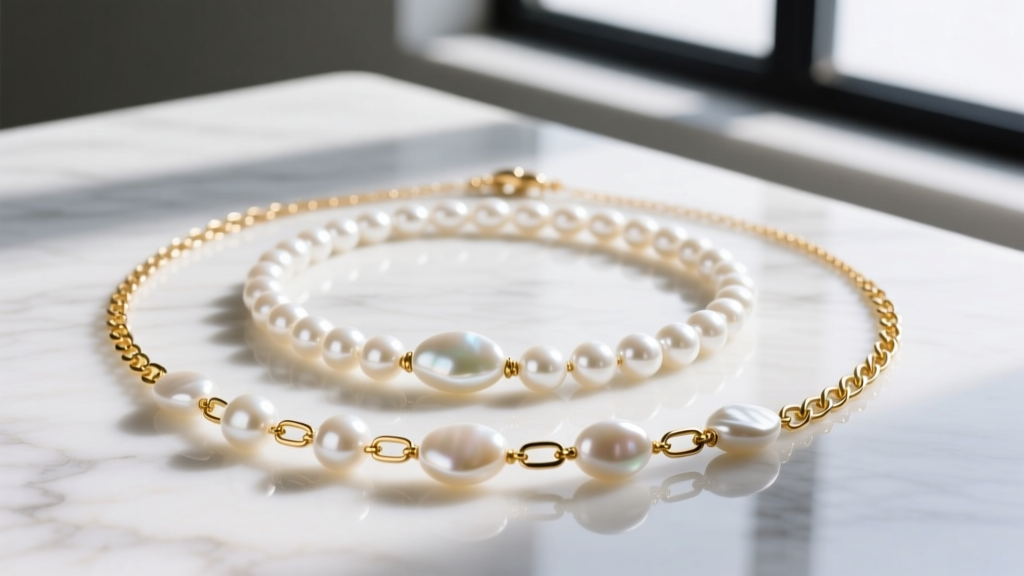
Layering is no longer about stacking three identical chains of varying lengths. The modern framework utilizes the "Rule of Thirds" combined with extreme textural contrast. A masterclass in 2026 pearl styling involves anchoring the neck with a 14-inch choker composed of irregular, raw baroque freshwater pearls, followed by a 20-inch strand of highly polished, uniform Akoya pearls, and finished with a 28-inch opera-length chain featuring a single, massive Edison pearl pendant. This creates visual depth and prevents the pearls from blending into a single, overwhelming mass of white.
Mixed Metal Integration
Historically, pearls were exclusively paired with yellow gold or platinum. Today, the juxtaposition of warm, creamy nacre against cold, industrial metals is a dominant trend. Intertwining pearl strands with oxidized sterling silver, matte black titanium, or chunky 14k white gold paperclip chains creates a striking visual dissonance that appeals to the contemporary aesthetic. The hardware itself has become a focal point; oversized, sculptural clasps made of brushed brass or gunmetal are now worn at the front of the neck as deliberate design elements rather than hidden functional necessities.
"The pearl necklace in 2026 is less about quiet luxury and more about loud, organic architecture. We are treating pearls not as delicate heirlooms, but as raw, sculptural materials that demand to be mixed with heavy metals and asymmetric silhouettes." — Elara Vance, Lead Trend Forecaster at the Global Jewelry Institute
Investment vs. Costume: Navigating the 2026 Market
With the surge in pearl popularity, the market has been flooded with treated, coated, and imitation alternatives. Navigating this landscape requires a keen eye for gemological red flags. When investing in a high-end pearl necklace, buyers must scrutinize the drill holes, the luster depth, and the stringing methodology.
- The Drill Hole Test: Examine the drill holes under a 10x jeweler's loupe. Authentic, high-quality pearls will have clean, sharp drill holes. If you notice chipping, peeling, or a distinct line separating a thin coating from a bead nucleus, you are likely looking at a coated imitation or a heavily treated, low-grade freshwater pearl.
- Nacre Depth and Luster: As noted by industry authorities like JCK (Jewelers' Circular Keystone), thin-nacre pearls will appear chalky, dull, and lack the deep, inner glow (orient) that characterizes fine specimens. A high-quality Akoya pearl should reflect a crisp, distinct image on its surface, almost like a curved mirror.
- Stringing and Knotting: A true investment-grade pearl necklace is individually knotted on Size 0 or Size 1 silk thread. This not only prevents the loss of multiple pearls if the strand breaks but also allows the necklace to drape fluidly against the collarbone. Mass-produced, lower-tier strands are often strung on synthetic nylon or wire without knots, resulting in a stiff, unnatural drape and a high risk of total loss upon breakage.
- Treatment Awareness: Be wary of uniformly black "Tahitian" pearls at bargain prices. True Tahitian pearls derive their color naturally from the Pinctada margaritifera oyster. Cheap alternatives are often dyed freshwater pearls, which can be identified by a concentration of dark dye around the drill holes.
Conclusion: The Future of the Strand
So, what is the pearl necklace in the modern era? It is a reinvented classic that has shed its restrictive, formal constraints to become a versatile, boundary-pushing staple of contemporary wardrobes. By understanding the gemological nuances of nacre thickness, embracing the beauty of baroque imperfections, and mastering the art of mixed-metal layering, collectors and style enthusiasts can fully participate in the 2026 pearl renaissance. The strand is no longer just an accessory; it is a canvas for organic, wearable art.


